
Place · 0 mi away
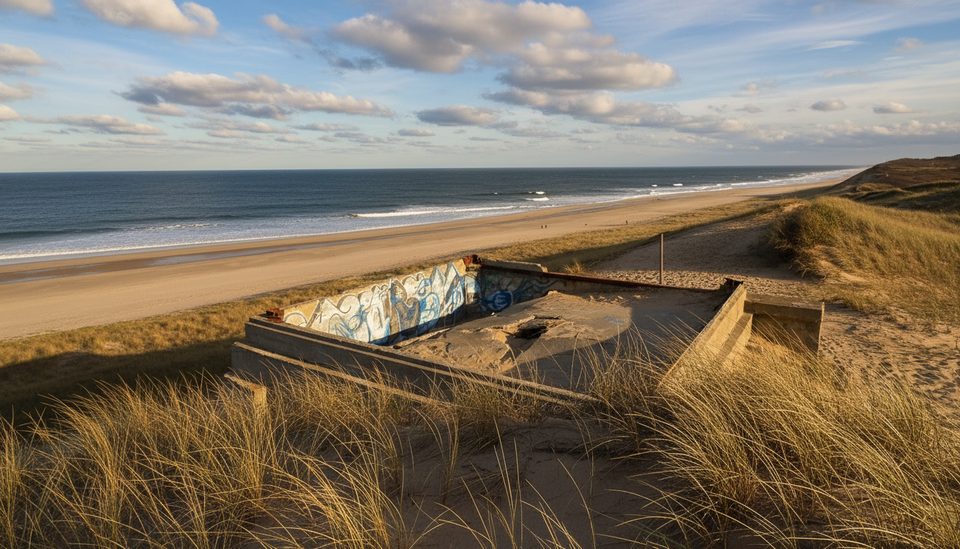
Perched on Truro’s Atlantic bluffs, the Highlands Center repurposes a former Cold War radar base into a campus for science, arts, and education. It’s atmospheric and different from beach-and-lighthouse stops—think decommissioned base, interpretive signs, and a seasonal performance tent rather than a classic visitor hub.
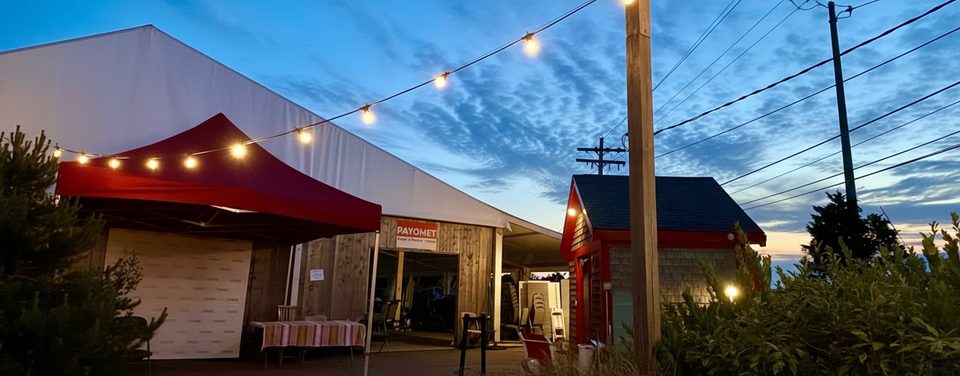
On event days, expect a lively, tented venue from the Payomet Performing Arts Center and glimpses of the site’s military past—boarded-up structures, standard NPS signage, and QR codes that map the story of the old North Truro Air Force Station. Ocean views are part of the draw, though some sightlines are partially screened by vegetation, and fenced areas keep you back from unstable bluffs.
This place was once a frontline of early‑warning radar, supporting offshore “Texas Tower” platforms and feeding data to air defense command. That Cold War pedigree, on a wild, shifting coastline, gives the campus a moody, one‑of‑a‑kind character you won’t find at other stops.
The campus is closed to general public access except for specific programs and Payomet events. When events are running, on‑site parking and minimal facilities are available; plan on portable toilets rather than full services. Outside of events, don’t expect access beyond perimeter areas or locked gates.
The base operated roughly from 1951 to 1985 before transferring to the National Park Service in 1994 to evolve into an arts‑science‑education center. Portions remain active for federal radar operations; many former housing units are in poor shape, and demolition work has been noted in recent years due to safety and erosion concerns.
You’re on the edge of dune and maritime shrubland above the open Atlantic—great context for coastal bird life in the broader seashore—but with the campus largely closed, plan actual wildlife viewing at other open beaches and overlooks nearby.
Go if you’re attending a program or you’re into Cold War history in a stark coastal setting. If you want classic beach time or open facilities, pick another stop.
Place · 0 mi away
Place · 0 mi away
Place · 0.1 mi away
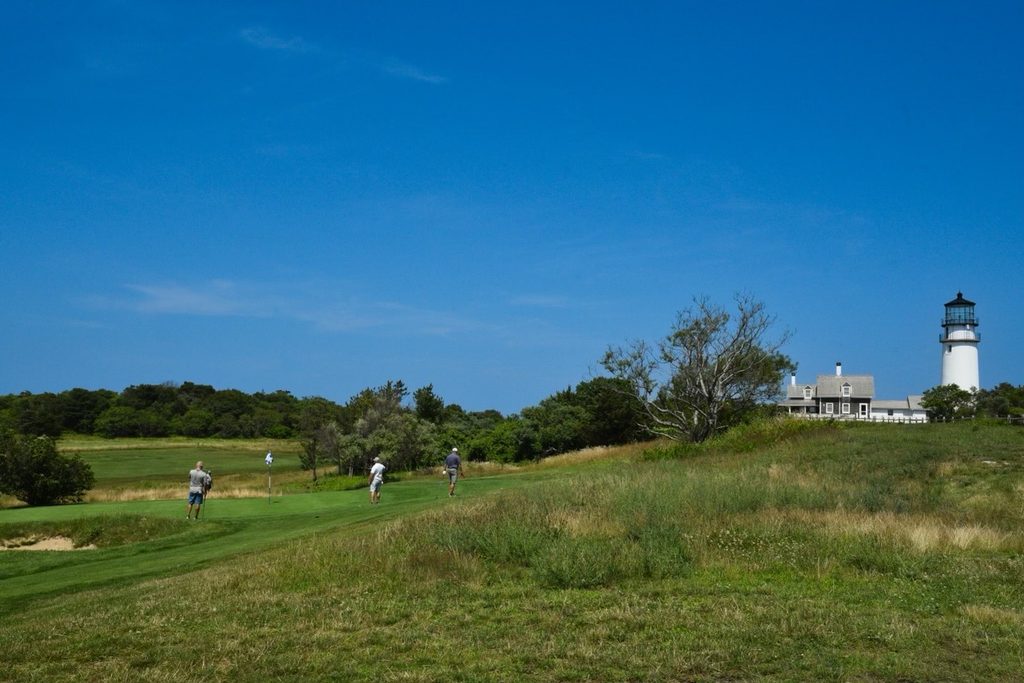
Place · 0.7 mi away
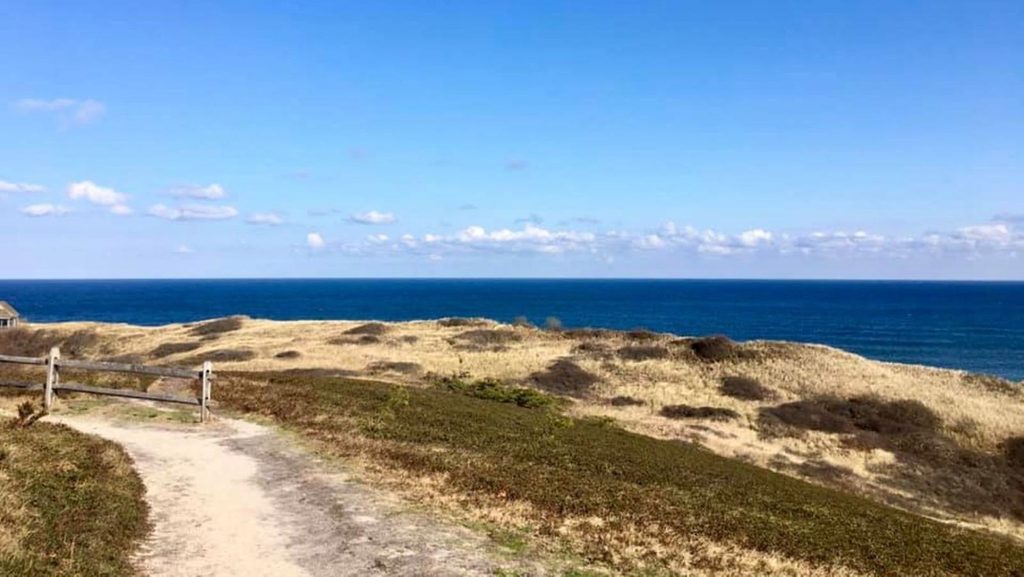
Moderate · 2.5 mi away

Easy · 2.5 mi away
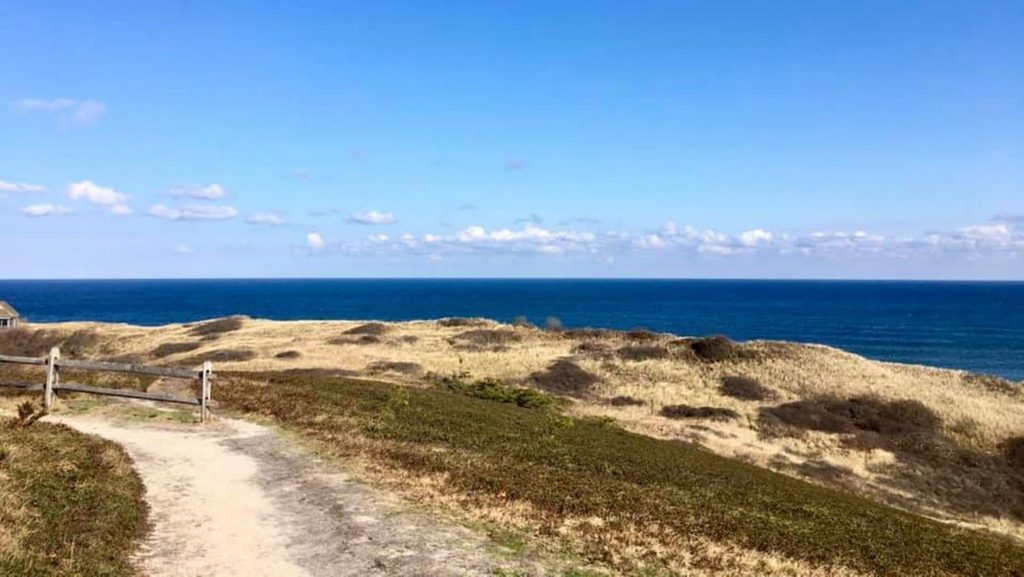
Moderate · 2.5 mi away
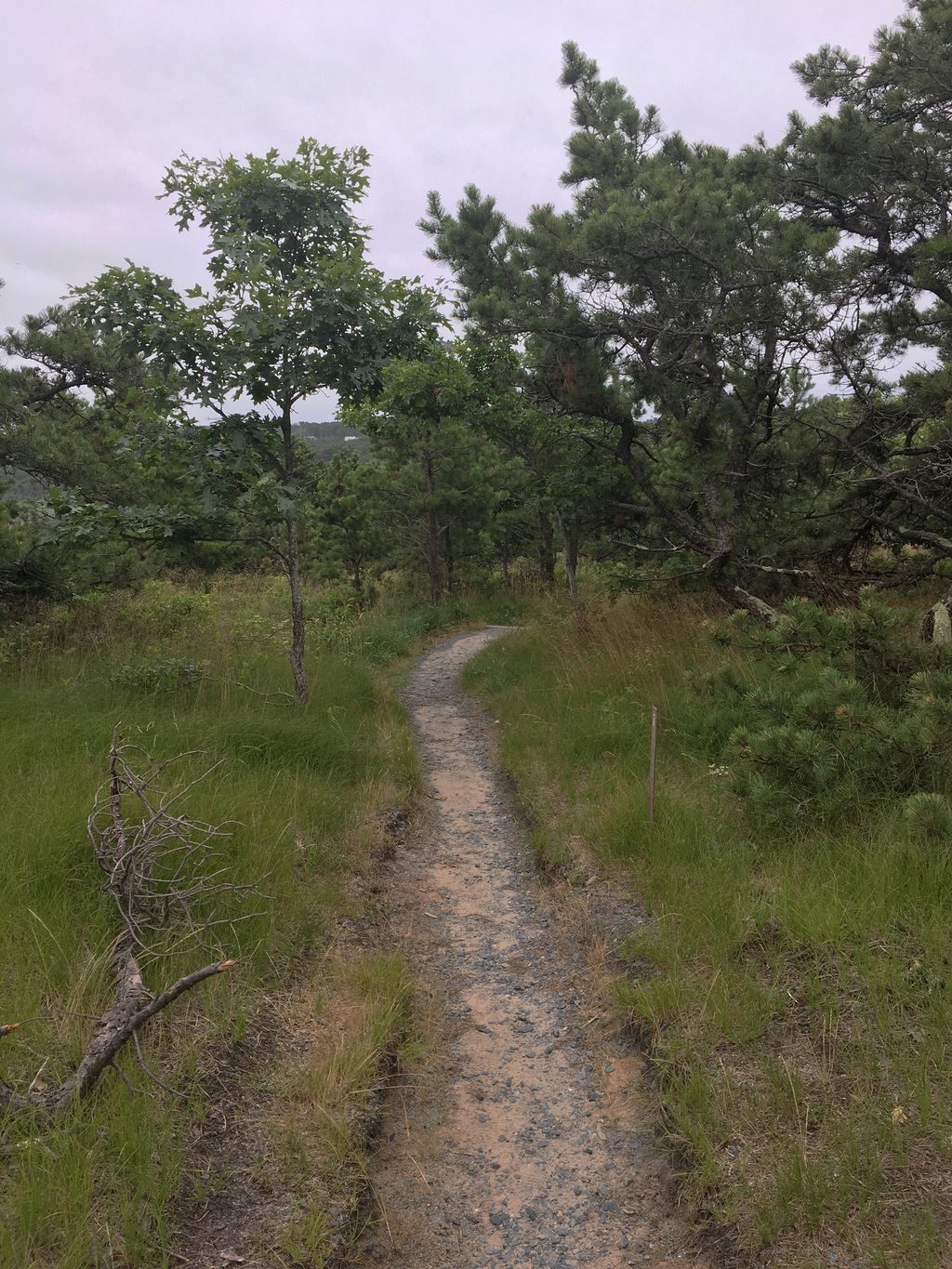
Easy · 2.5 mi away

Parkwolf Tour Guide
