
Place · 0 mi away
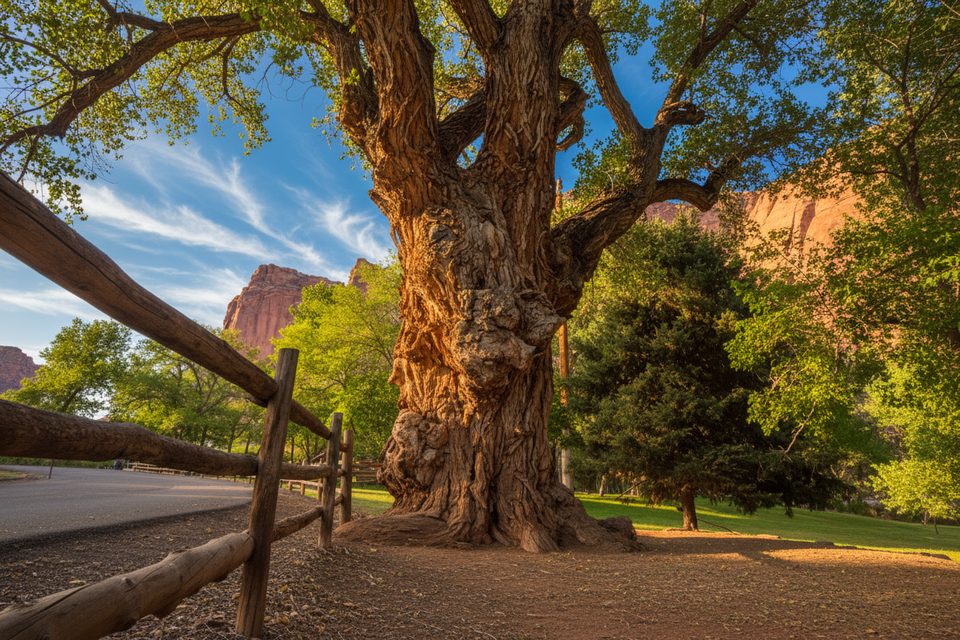
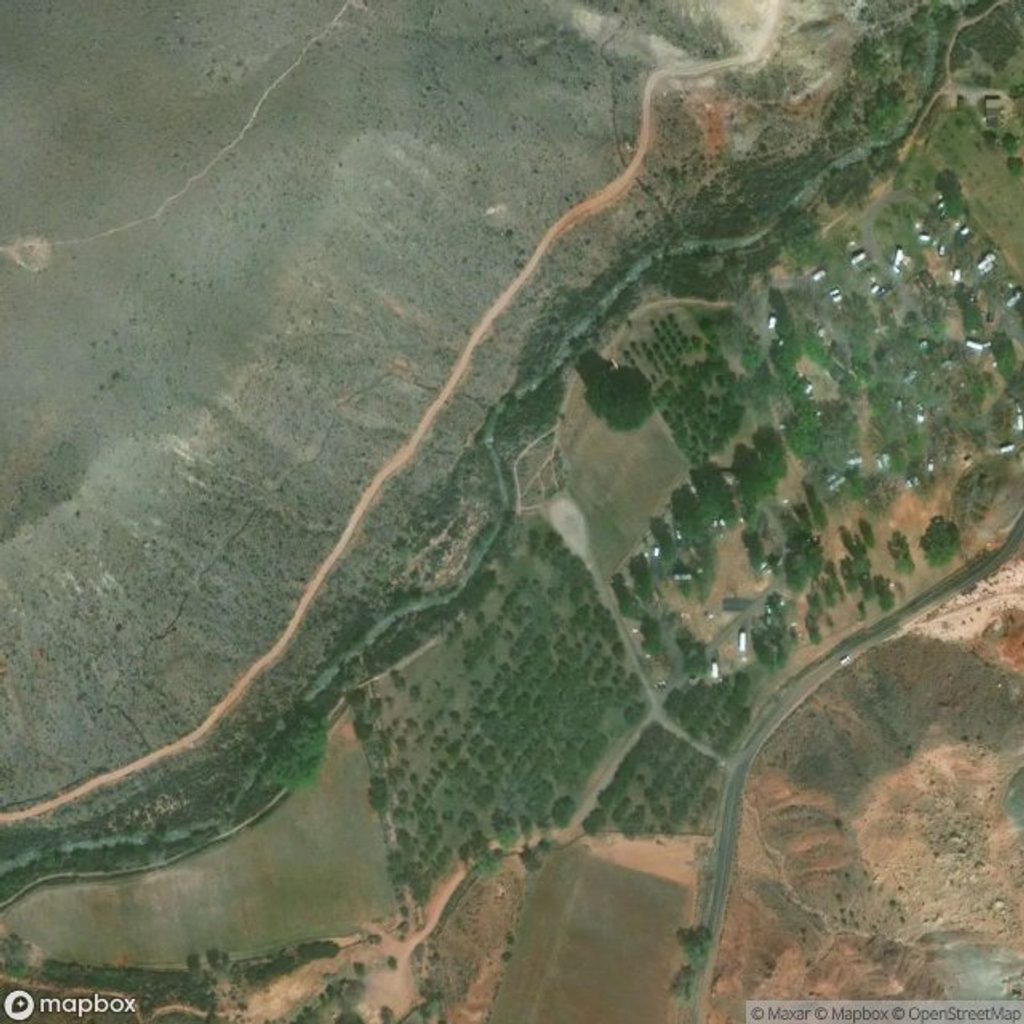
Fruita is the green heart of the park—a small pioneer settlement turned historic district tucked into a lush river corridor beneath glowing red cliffs. It’s where the park’s history, scenery, and low-key fun all converge, and it’s the best place to slow down and actually live in the landscape for a few hours.
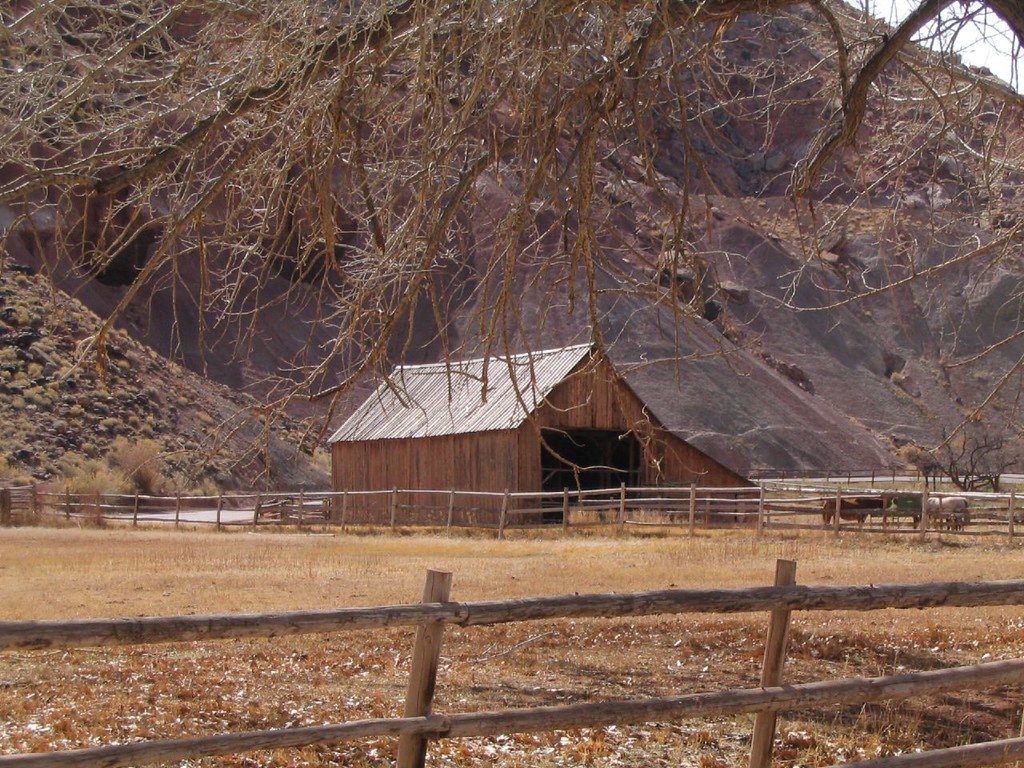
Fruita isn’t just a stop; it’s a preserved rural historic district. The orchards, irrigation, and buildings tell the story of a tiny church-led farming community that never grew beyond about ten families, yet left a landscape so evocative that it’s now carefully maintained for visitors to experience.
Deer drift through the orchards at dawn and dusk, and you’ll often see (and hear) ravens, smaller songbirds, and lizards. The broader area supports hundreds of species—ringtails and bats by night, eagles overhead—while big predators are around but almost never seen.
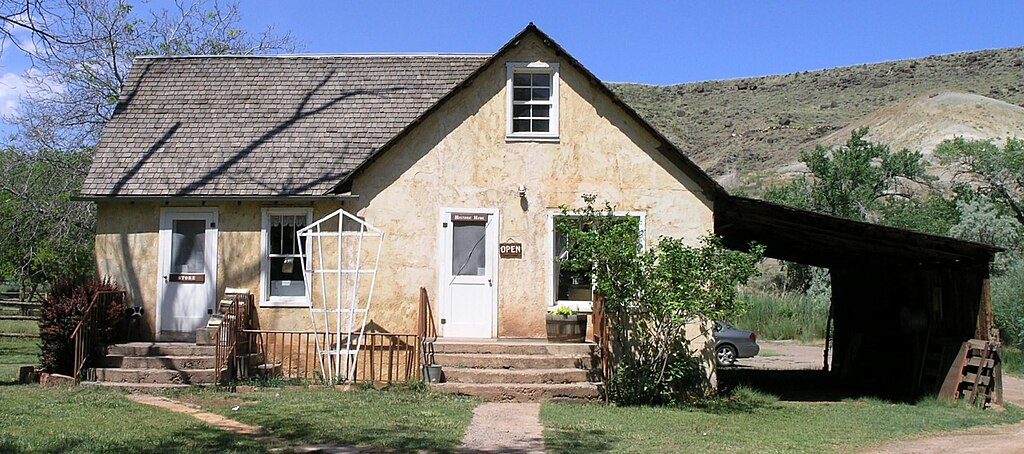
Fruita anchors the park’s core services: the main visitor center, the only developed campground (71 reservable sites), restrooms with running water, and a popular picnic area. There are no showers, and peak harvest and holiday periods can be busy, especially around the Gifford Homestead and orchards.
Founded at the confluence of the Fremont River and Sulphur Creek in the early 1900s, Fruita (renamed from “Junction” in 1902) thrived on irrigation, fertile soils, and community grit. Today it sits within the broader geology of the Waterpocket Fold—a massive wrinkle in the Earth’s crust—so your photos naturally frame green rows of trees against sculpted stone domes and cliffs.
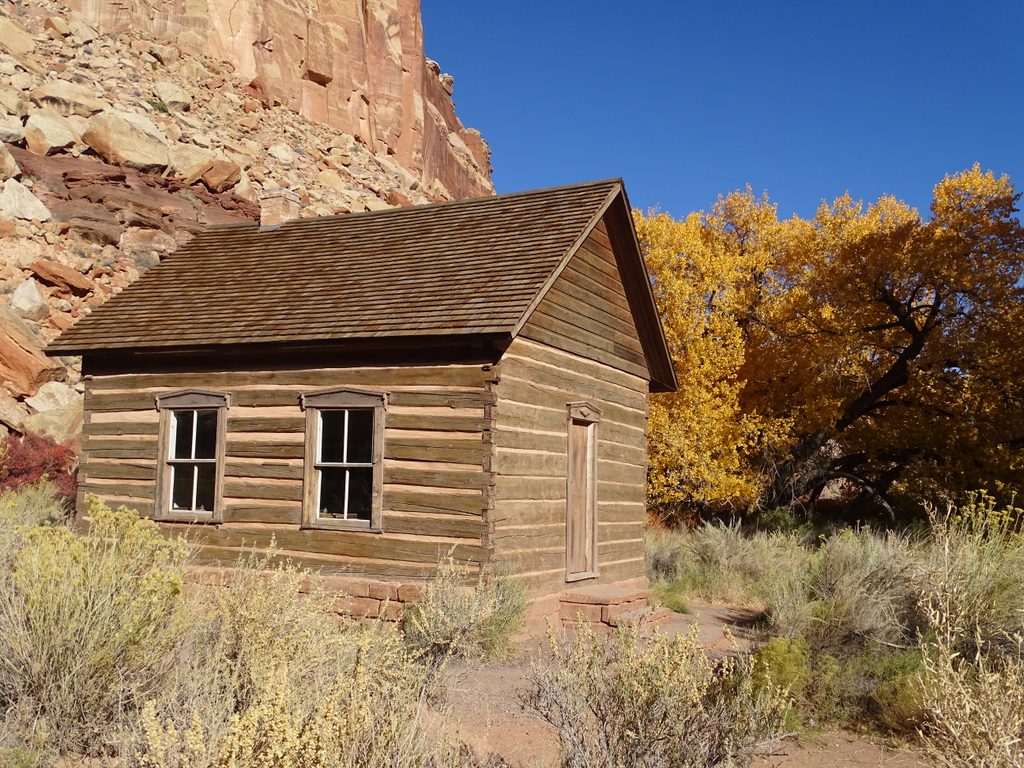
Start at the visitor center for maps and current orchard info, then stroll the homestead and schoolhouse before finding a shady table for lunch. If you’re here in season, bring a small container for paid take-home fruit and plan a second lap through at sunset for photographs.
Place · 0 mi away
Place · 0.1 mi away
Place · 0.1 mi away
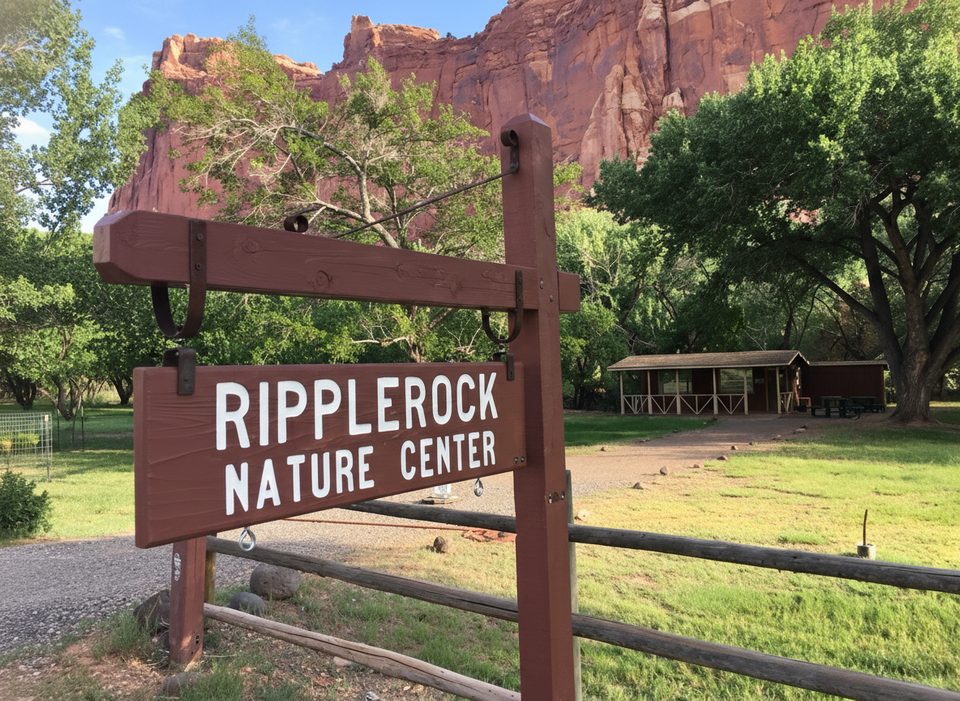
Place · 0.1 mi away
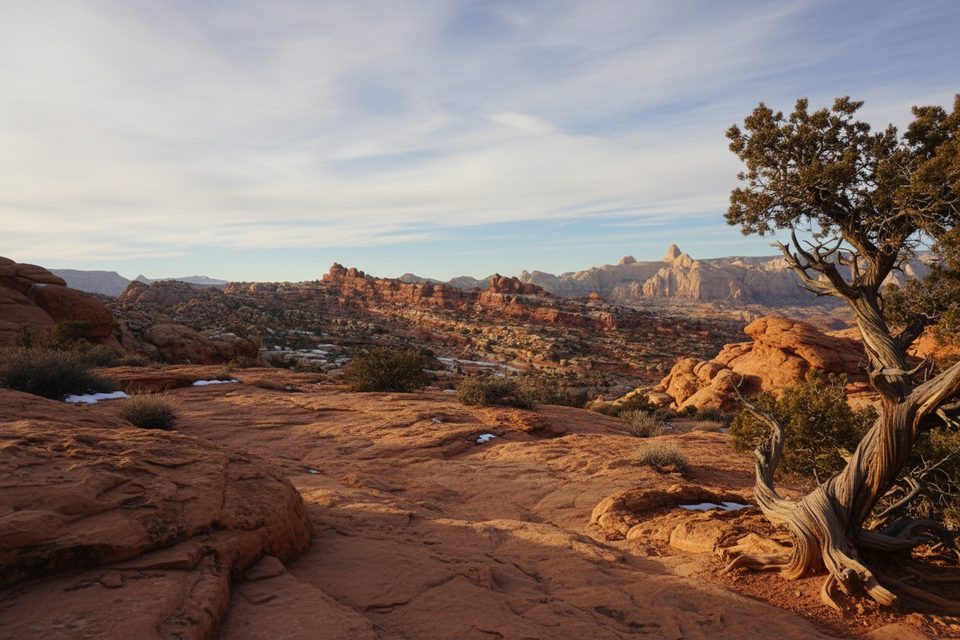
Moderate · 0.2 mi away
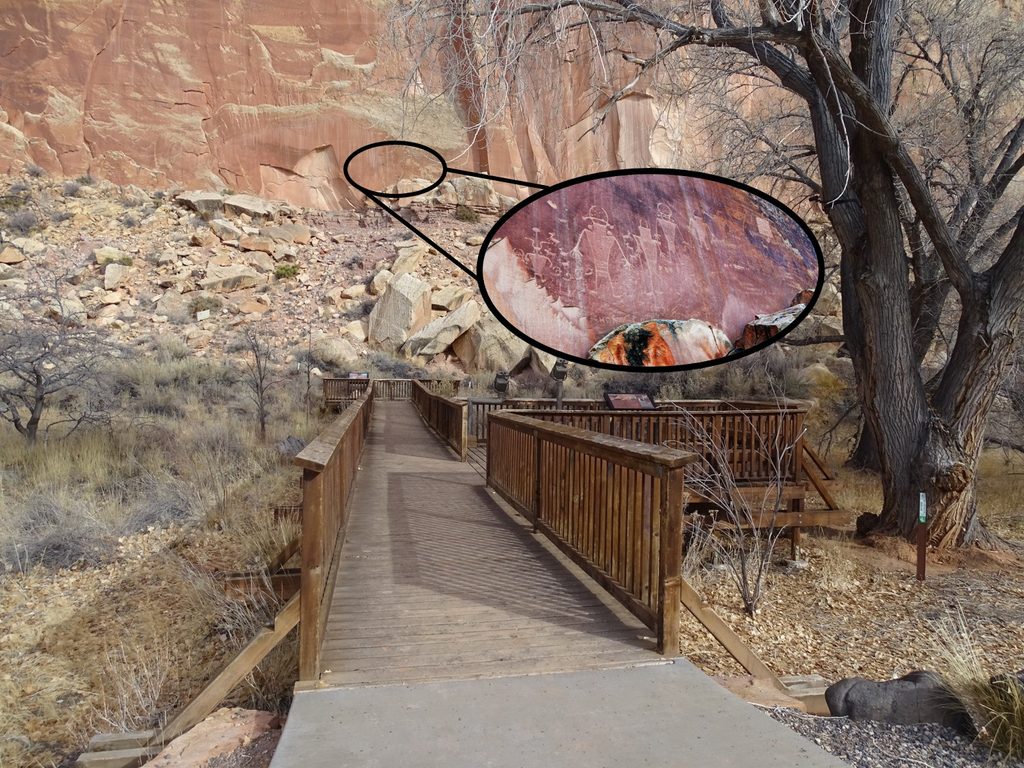
Easy · 0.3 mi away
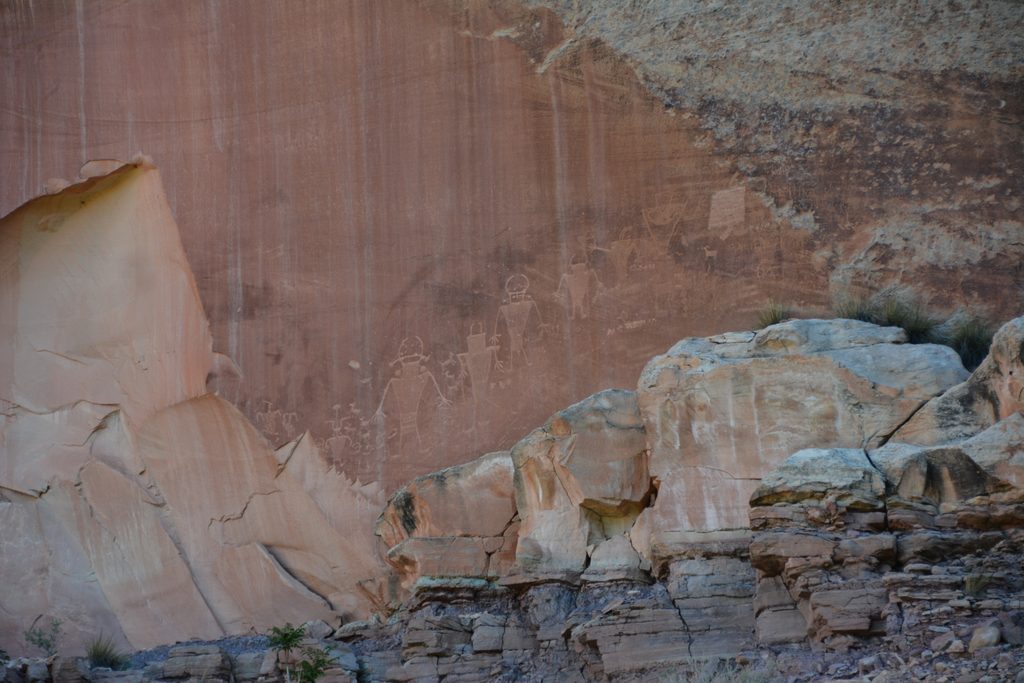
Easy · 0.3 mi away
Moderate · 0.3 mi away

Parkwolf Tour Guide
