
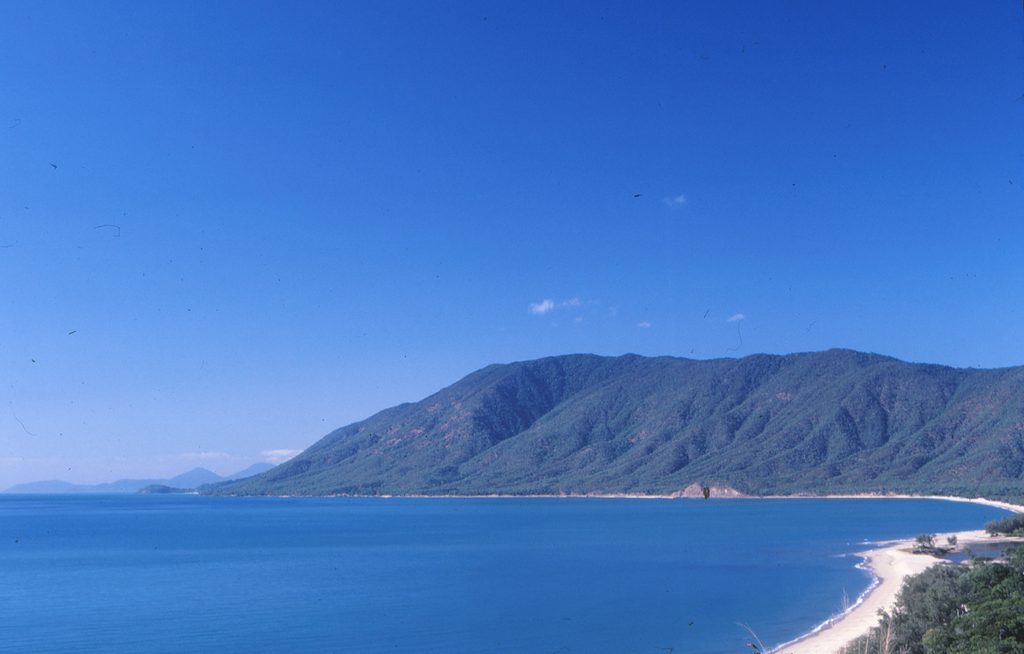
Place · 0.3 mi away
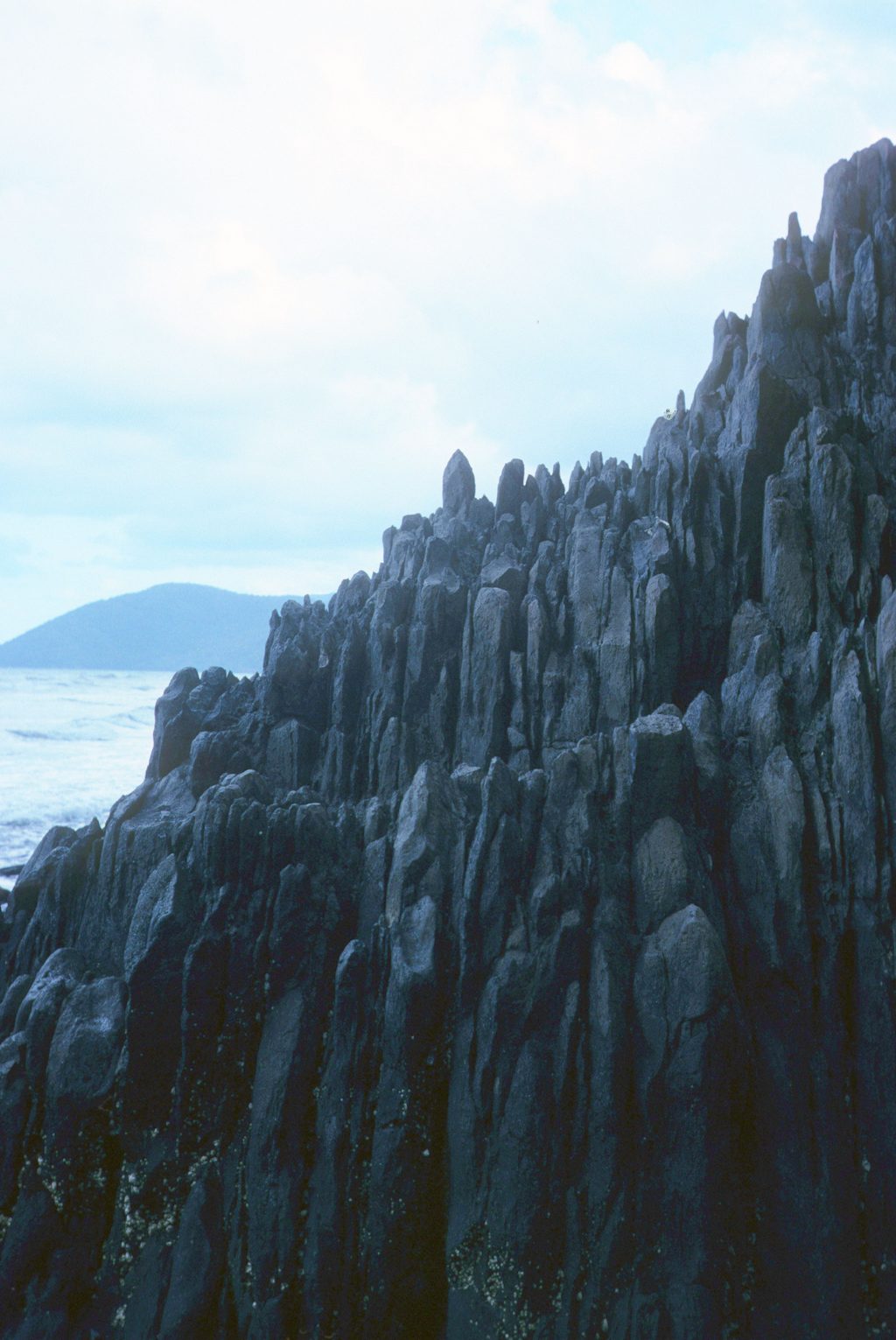
Thornton Beach is famous for its “bouncing stones” — rounded, fine‑grained pebbles that rebound off hard rock surfaces in a way that feels like a magic trick. The spot drew wider attention after a 1970s TV segment and it still surprises first‑timers today.
Geologists described the best bouncers as small, spherical, fine‑grained pebbles derived from hardened siliceous siltstones. They rebound most when a rounded pebble strikes a flat surface of similar rock at a clean angle; a simple drop under gravity is underwhelming, while a gentle, controlled throw makes the effect obvious.
This coastline is significant to the Kuku Yalanji people and is recorded as a sacred women’s site. Old roadside signs have reportedly been removed, and at times access or promotion has been discouraged. Keep the exact location low‑key, follow any closures or ranger instructions, and leave every stone where you found it.
Dry season (May–October) brings more settled weather and easier beach time. Aim for early morning or late afternoon for softer light, cooler sand, and a quieter vibe.
Thornton Beach sits about 30 minutes north of the Daintree River ferry and roughly 20 minutes south of Cape Tribulation along the Great Barrier Reef Drive. Despite the wild setting, there are public toilets, picnic tables with shade, parking close to the sand, and a small beachfront café. Reef shoes are handy on the rockier patches.
Place · 0.3 mi away
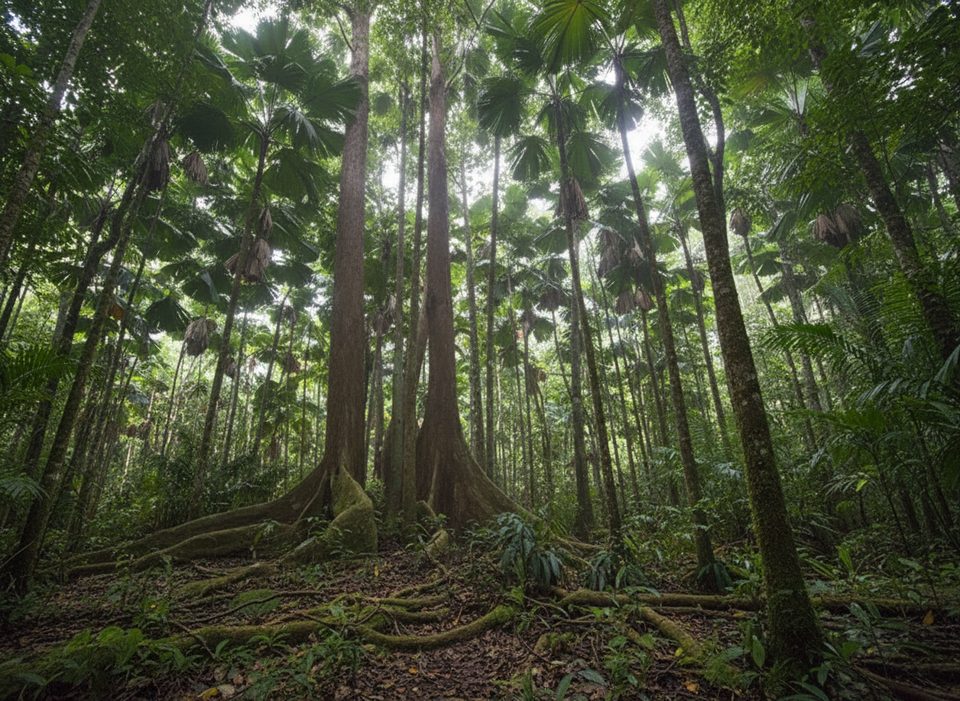
Place · 1.5 mi away
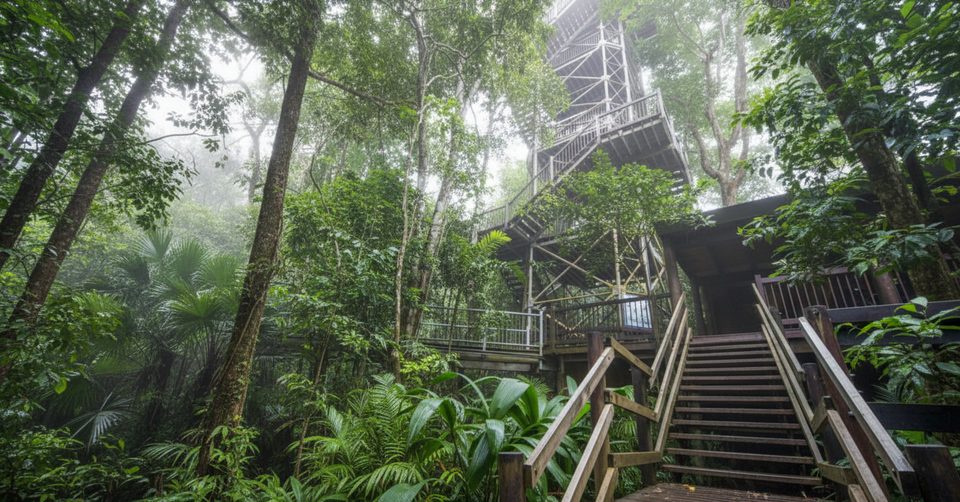
Place · 1.5 mi away
Place · 2.4 mi away
Easy · 2.4 mi away

Easy · 2.4 mi away

Moderate · 4.6 mi away
Easy · 4.6 mi away

Parkwolf Tour Guide
