
Place · 1.1 mi away
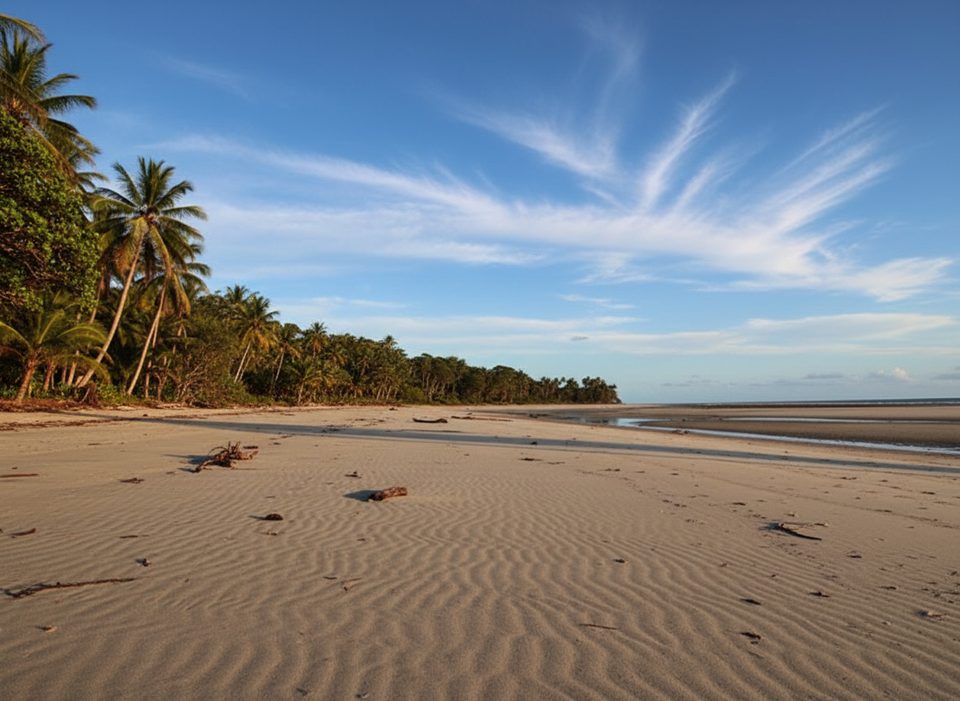
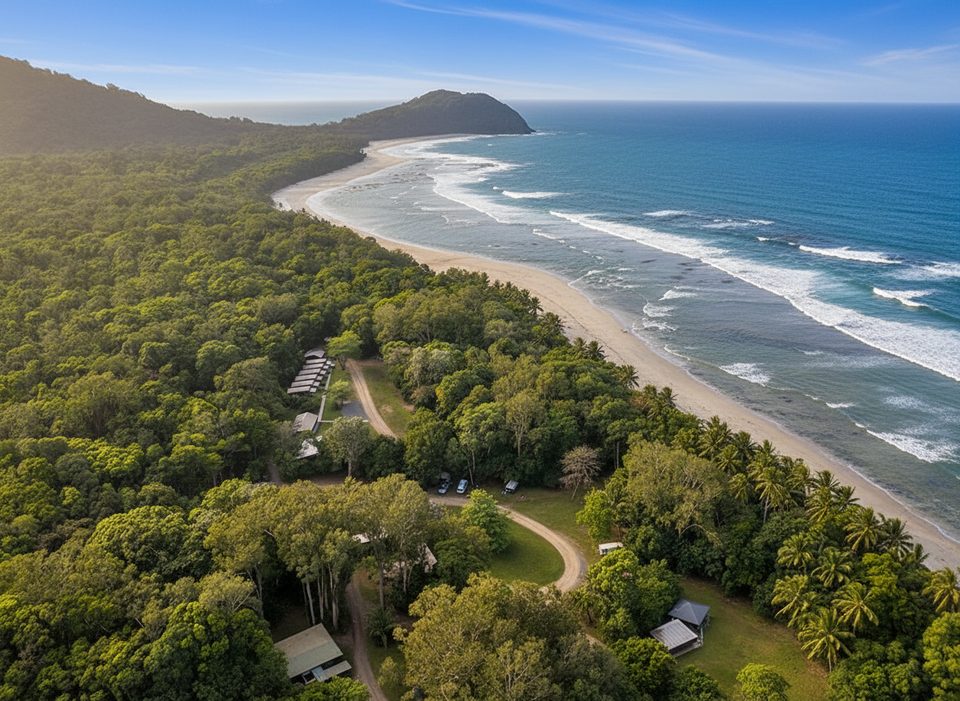
Coconut Beach sits just south of Cape Tribulation where rainforest meets the Coral Sea. It’s the classic Daintree scene—palms, sand, and reef in the same frame—without the busyness or infrastructure of bigger day‑use areas.
At low tide the near‑shore fringing reef peeks above the water, revealing intertidal rock pools teeming with marine life. The coastline mixes long sandy stretches with small rocky headlands and littoral rainforest. Birdlife is prolific in the broader area, and cassowaries are known in the Daintree—give any wildlife a wide berth.
This is an unpatrolled beach in croc country. Myall Creek at the south end is crocodile habitat—never swim in creeks or near creek mouths and stay well back from the water’s edge. Summer (roughly November–May) is high‑risk marine stinger season and there are no stinger nets here; avoid ocean swimming or wear a full stinger suit. In the rainforest, watch for stinging tree, lawyer vine, leeches and snakes; wear enclosed footwear and carry water.
There are no toilets, shelters, BBQs or lifeguards on Coconut Beach. The nearest public toilets are at the Dubuji day‑use area and at Kulki (Cape Tribulation) day‑use area a short drive away.
Roadside pull‑offs are limited and located on the southbound side of Cape Tribulation Road—Coconut Beach is easiest to access when driving south. If you miss the turn while heading north, continue to a safe turn‑around rather than attempting a U‑turn. Use public access tracks slightly south of the nearby resort and do not cross private property.
Time your stop for low tide to explore exposed reef flats and rock pools. Plan around tides the day before you go. Given seasonal stingers, many visitors prefer beachcombing and tide‑pooling over swimming from November to May. Park managers have noted recent temporary changes at nearby day‑use facilities earlier in the season—check current park alerts before your trip.
You’re on Eastern Kuku Yalanji Country. Daintree National Park sits within the Wet Tropics World Heritage Area, and in 2021 formal ownership was returned to the Eastern Kuku Yalanji under a landmark agreement—treat Country and cultural sites with respect.
Place · 1.1 mi away
Place · 1.6 mi away
Place · 1.6 mi away
Place · 1.6 mi away
Easy · 1.6 mi away
Easy · 2.2 mi away

Easy · 2.2 mi away
Challenging · 2.4 mi away

Parkwolf Tour Guide
