
Place · 2.3 mi away
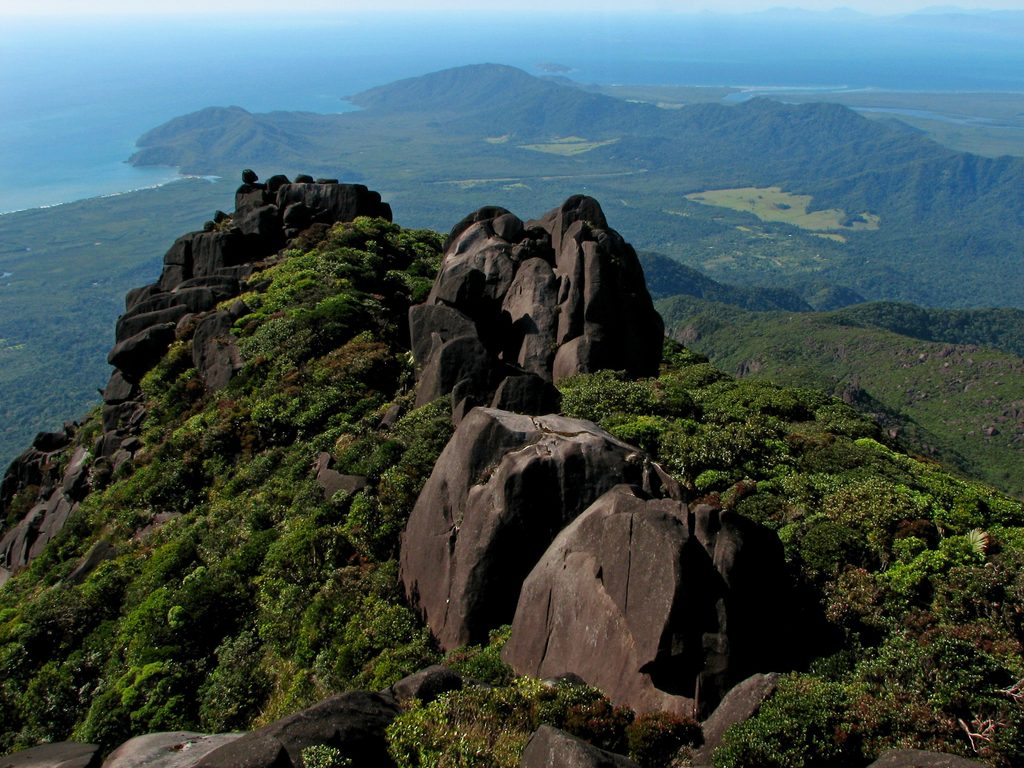
Thornton Peak—Wundu to the Eastern Kuku Yalanji—rises to 1,374 m, making it the highest mountain in the park and the fourth‑highest in Queensland. It looms above some of the planet’s oldest surviving rainforest (on the order of 180 million years), a living window into Gondwanan plant lineages that still thrive here. Think primitive conifers and ancient flowering families tucked into a landscape where rugged peaks meet beaches and offshore reefs.
This summit rainforest shelters endemics and acts as a climate refuge; notably, the cinereus ringtail possum is known from only a handful of mountaintops, including Wundu. The broader Daintree region is a biodiversity overachiever—home to an outsized share of Australia’s mammals, reptiles, frogs, bats, butterflies and birds (including the southern cassowary). If you’re a natural history nerd, this mountain is a north Queensland unicorn.
Expect a serious undertaking. Publicly available, detailed route info is sparse; while a summit route is sometimes referred to as the Thorntons Peak Walking Track, treat any attempt as advanced, steep, wet, and largely off‑track. Check current access with Queensland Parks and Wildlife Service and consider hiring a local guide. Navigation skills are essential; carry GPS, map, compass, and a personal locator beacon. Roots and rocks are slick, vegetation is dense, and heat and humidity sap energy fast—even when it’s “cooler.”
Don’t count on a signed trailhead with on‑site facilities. Plan logistics using established day‑use areas along the Daintree Coast; Thornton Beach has parking and picnic spots, and there’s a cafe nearby. Facilities are more reliably found at bigger hubs south of the river (e.g., Mossman Gorge Cultural Centre) or at attractions like the Discovery Centre. Near coastlines and waterways in this region, be croc‑wise.
Wundu holds spiritual significance for the Eastern Kuku Yalanji people. Heed any cultural guidance or access restrictions, and keep your footprint light—this is sensitive country ecologically and culturally.
Weekdays and early mornings are best to beat heat and logistics. Aim to reach the Daintree Ferry before about 10:00 a.m. during school holidays to avoid long queues. There are no formal hours for the mountain itself, but your window is effectively set by daylight, weather, and your fitness/experience.
Place · 2.3 mi away
Place · 2.4 mi away
Place · 3 mi away
Place · 3.5 mi away
Easy · 4.3 mi away
Easy · 4.3 mi away
Easy · 5.7 mi away
Moderate · 5.9 mi away

Parkwolf Tour Guide
