
Place · 6.1 mi away
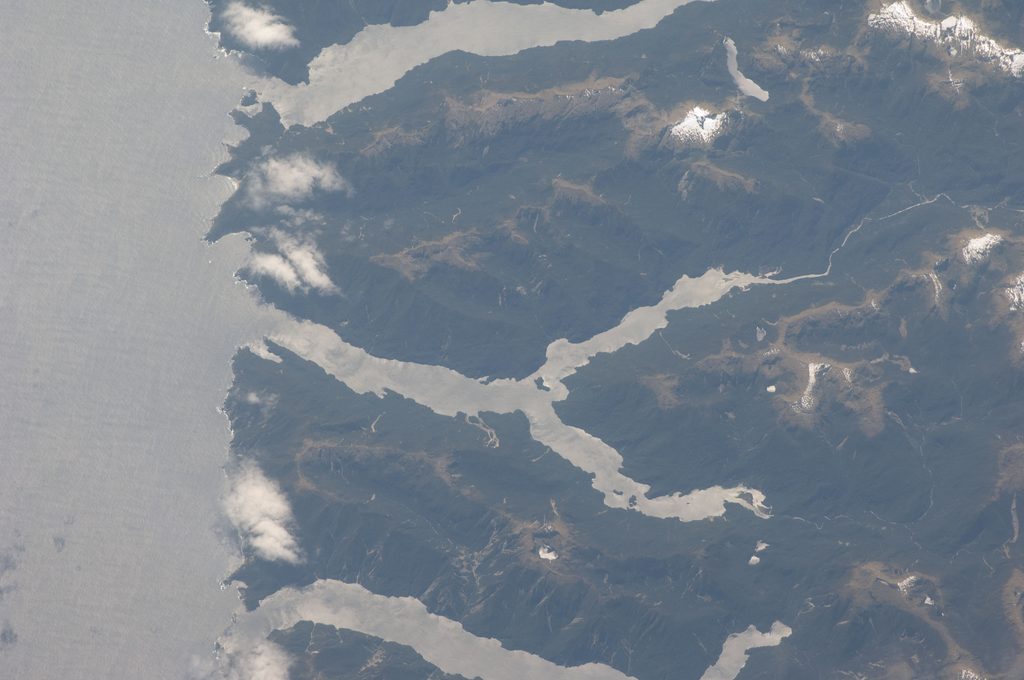
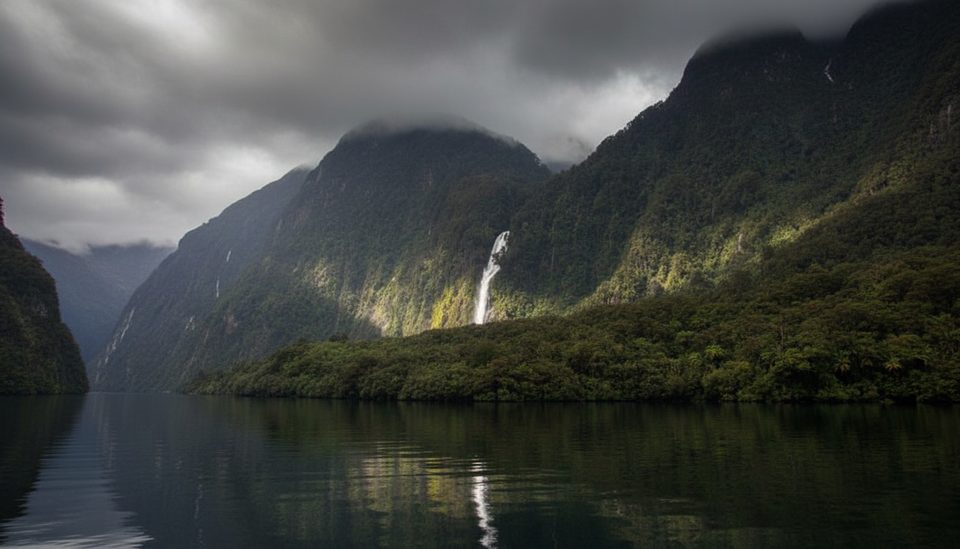
Taitetimu / Caswell Sound is one of the Northern Fiords: long, quiet, and wonderfully remote. It runs roughly 16 km inland, mostly straight, with sheer, forested walls and a skyline of serrated peaks. This is the antithesis of the Milford crowds—think silence, waterfalls, and the feeling you’ve slipped off the map.
Carved by ancient glaciers and now flooded by the Tasman Sea, the fiord is framed by a ridge of peaks up to 1,485 m along the south, with more 1,200 m summits to the north. Near the mouth, the waterway bends northward; Styles Island sits near the southern shore at the entrance. At the head, the Stillwater River reaches the fiord via Lake Marchant, and waterfalls (notably Shirley Falls) streak the cliff faces after rain.
On small-vessel itineraries through the Northern Fiords (which include Caswell), you’ve got a shot at classic Fiordland marine life: bottlenose dolphins, New Zealand fur seals, and Fiordland crested penguins. The emphasis here is low visitor density and unhurried wildlife time from the deck of an expedition yacht.
There’s no road here. Typical access is by multi-day, small-ship expedition that specifically includes Caswell among its Northern Fiords calls. Independent options are limited to private vessels or specialist charters. Overland approaches exist only for expert, self-sufficient trampers via challenging, unmarked routes linking from George Sound across Overlander Ridge and the Stillwater Valley—this is serious backcountry.
Caswell has a quirky human footprint: the simple, corrugated-iron Caswell Sound Hut—remnant of a 1949 New Zealand–American expedition studying wapiti. It’s a heritage relic more than a serviced facility; don’t expect amenities.
Expect solitude, steep green walls, and waterfalls fanning out after storms. Don’t expect docks, trailheads, shops, or restrooms—there are none. Come fully self-sufficient if you’re not with a ship that provides everything onboard.
There are no hours or crowds to game; your expedition will time entries around conditions. For softer light and calmer moods (and often better wildlife behavior), early and late in the day are ideal. Weather is famously fickle, so embrace the drama—rain supercharges the waterfalls.
Place · 6.1 mi away

Place · 10.1 mi away
Place · 11.2 mi away
Place · 13.4 mi away
Easy · 31.9 mi away
Easy · 34.3 mi away
Challenging · 37.5 mi away
Challenging · 38.9 mi away

Parkwolf Tour Guide
