Parking
Park at Te Anau Downs boat terminal and take the boat to Glade Wharf; finish with a short water taxi from Sandfly Point to Milford Sound.

#1 of 68 trails in Fiordland
Fiordland National Park, SL
Four days of rainforest, alpine pass, and waterfalls to Milford Sound
Overview
Map & elevation
Plan your hike

The highest, rockiest slopes around here are a summer buffet for grizzly bears.
Fiordland Tour Guide
Parkwolf is a GPS audio tour guide for Fiordland National Park. As you drive, it chimes in with what’s ahead: hidden gems, upcoming stops, history, geology, and wildlife, right through your car’s speakers.
See the Fiordland audio tourMore stories near here in the app
“Fantastic app with many points of information… It’s great to just turn on while you’re driving and it gives you an audio tour of the national Park. We love it!!!!”


Trail guide
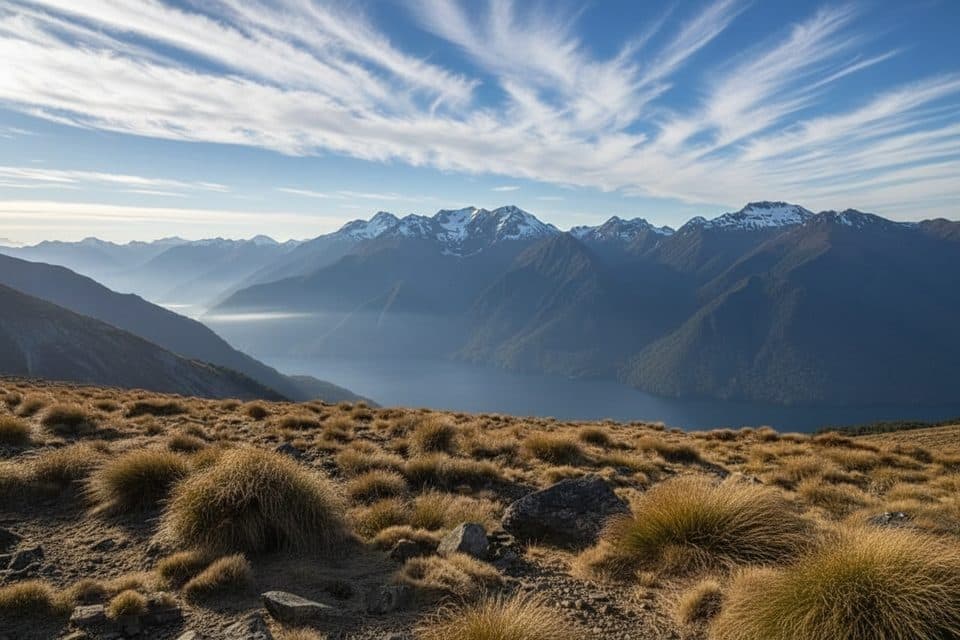
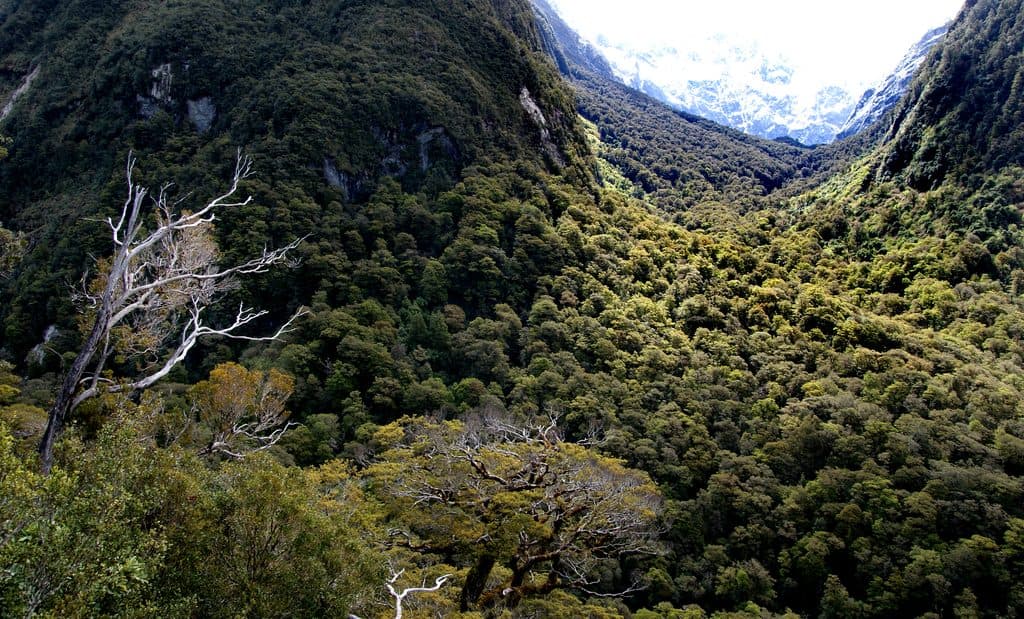
A four‑day, 33.2‑mile (53.5 km) point‑to‑point journey from Glade Wharf on Lake Te Anau to Sandfly Point on Milford Sound. You’ll follow the emerald Clinton River through deep, mossy rainforest, climb to Omanui/McKinnon Pass (1,154 m) for sweeping glacier‑carved valley views, then descend past thunderous cascades toward the coast. It’s classic Fiordland: wet, wild, and ridiculously beautiful, with swing bridges, boardwalks, and sections that can be rough and slippery after rain.
Expect lush temperate rainforest alive with native birds (look for kea, South Island robins, and fantails), mirror‑still lakes, and sheer granite walls carved by ancient glaciers. Waterfalls steal the show—Hirere Falls on the approach and the must‑do side trip to Sutherland Falls (580 m), New Zealand’s tallest. Views from Omanui/McKinnon Pass are big and dramatic when the weather cooperates—and hauntingly atmospheric when it doesn’t.
This track runs one way only and feels calmer because daily numbers are capped. Both ends are boat‑accessed: you’re ferried to Glade Wharf to start, and from Sandfly Point it’s a short water taxi to Milford Sound. Independent walkers must book the three Department of Conservation huts (Clinton, Mintaro, Dumpling) in order—there’s no camping. Guided trips add meals, bedding, and transport but still follow the same route. Book early; prime season dates disappear fast.
The trail is well marked and generally well maintained, but Fiordland’s famed rainfall means you should expect wet boots, mud, and slick rock. The climb to Omanui/McKinnon Pass and the long descent afterward are the crux; the rest is easier valley travel. Good fitness and stable footwear with ankle support make the days more enjoyable. Off‑season (winter) conditions include avalanche danger and unmaintained facilities—don’t plan it then unless you’re very prepared and understand the risks.
Wildlife
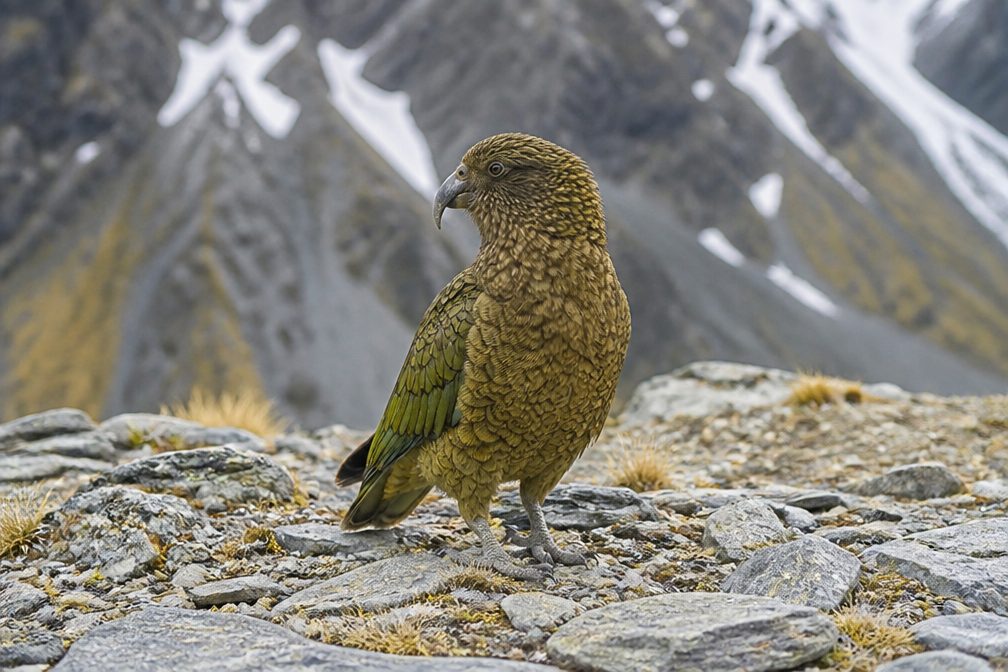 1,181 sightingsKeaMost seen around 10 AMSighting map
 199 sightingsFiordland PenguinMost seen around 7 PMSighting map
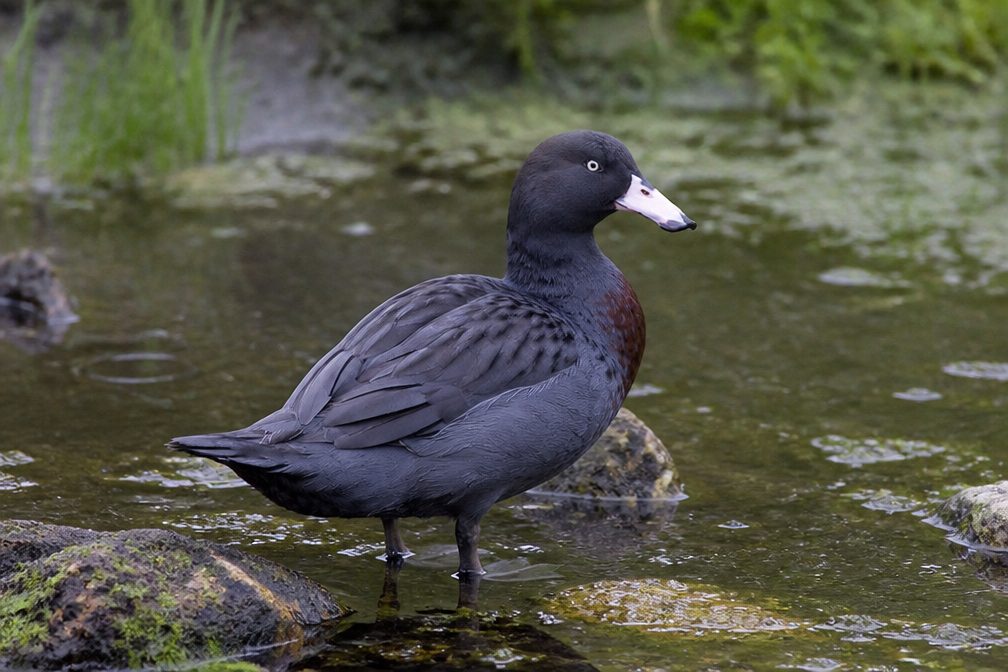 228 sightingsBlue DuckMost seen around 5 PMSighting map
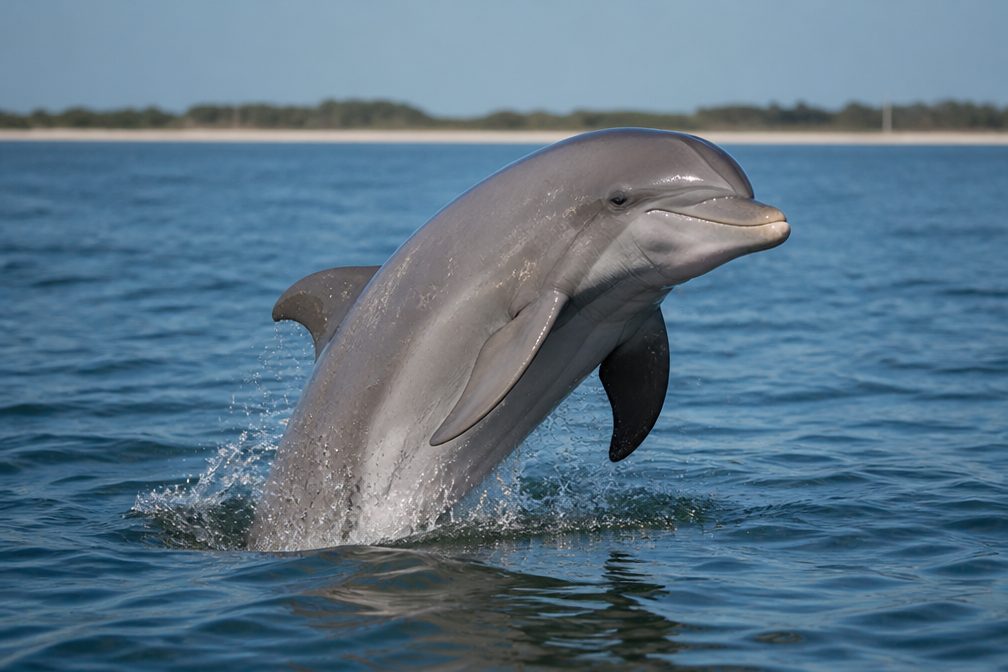 32 sightingsBottlenose DolphinMost seen around 5 PMSighting map
 247 sightingsNew Zealand Fur SealMost seen around 6 PMSighting map
 58 sightingsKākāMost seen around 6 PMSighting map
Sighting maps show where each species has been reported across Fiordland. Wildlife moves, so no sighting is guaranteed.
Keep exploring
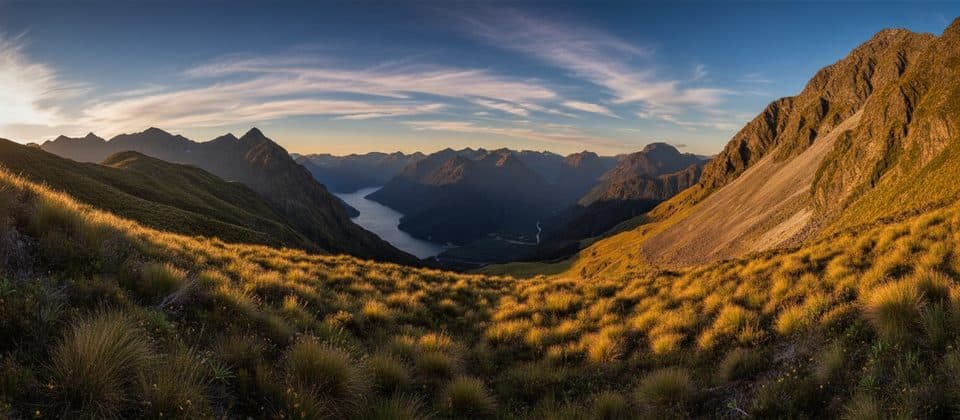 ChallengingDore Pass Route10.3 km · 9 hr · 7 km awayRugged back door to the Milford Track—no boat required.ModerateKnobs Flat Nature Walk1.4 km · 45 min · 8.5 km awayA short forest walk from Knobs Flat to a hidden 33-m waterfall in Fiordland.
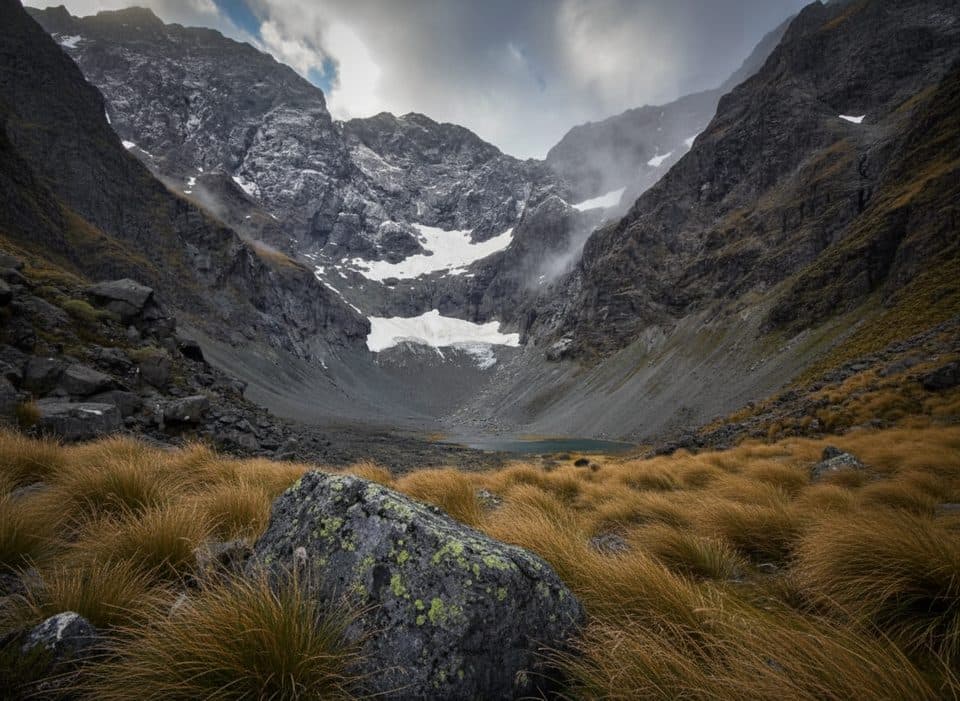 ChallengingMistake Creek Track10 km · 3.5 hr · 9.3 km awayWild beech valley to open flats with a walk wire and crossings.EasyMirror Lakes Walk0.4 km · 10 min · 12.4 km awayTen-minute, mirror-perfect stop for Earl Mountains reflectionsEasyEglinton Nature Walk1.4 km · 45 min · 12.6 km awayFlat, easy red-beech forest loop with Lake Gunn and mountain views.
 EasyCascade Creek Nature Walk1.4 km · 45 min · 12.7 km awayShort beech-forest loop with easy Lake Gunn and mountain peeks
 EasyLake Gunn Nature Walk1.4 km · 45 min · 12.7 km awayEasy beech-forest loop from Cascade Creek to Lake Gunn
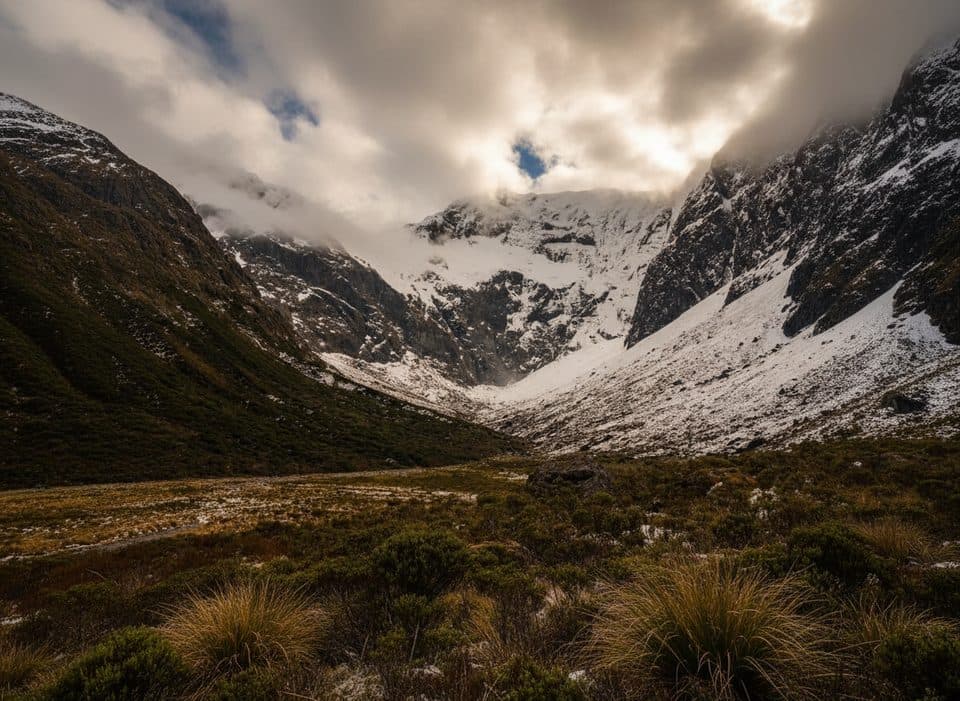 ChallengingFalls Creek Route6.8 km · 8 hr · 17.3 km awayAn expert route from Christie Falls into raw Fiordland backcountry
 Lodging · 3.4 km awayClinton HutFirst hut on the Milford Track, set by river, forest and wetlands
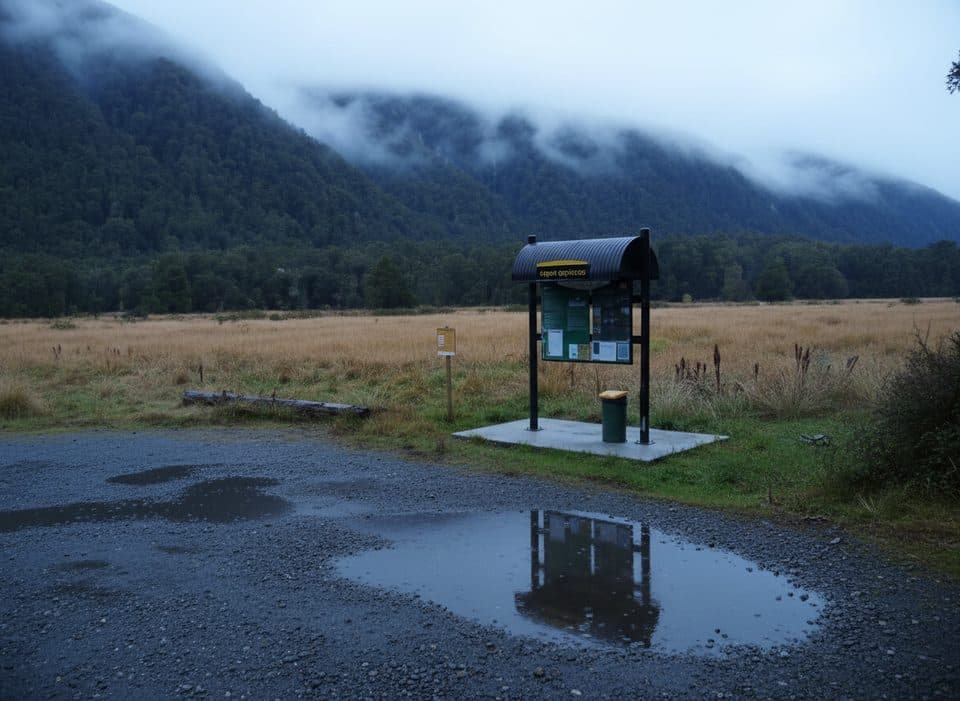 Campground · 8 km awayUpper Eglinton CampsiteTiny DOC camp with big Eglinton Valley views
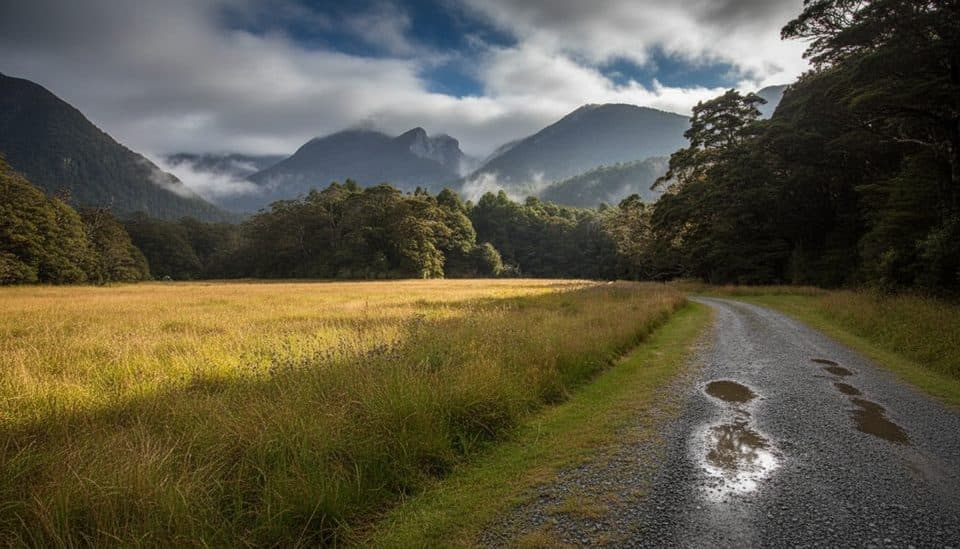 Campground · 8.4 km awayKiosk Creek CampsiteQuiet DOC camp with moraine views and big Fiordland sunsets
 Scenic pullout · 8.5 km awayKnobs FlatMilford Road’s go-to pit stop with flush loos and valley views
 Sight · 9.3 km awayWalkwireOld-school cable bridge adventure just off Milford Road
 Campground · 9.8 km awayDeer Flat CampsiteRiverside DOC camp on Milford Road with big views and quiet vibes
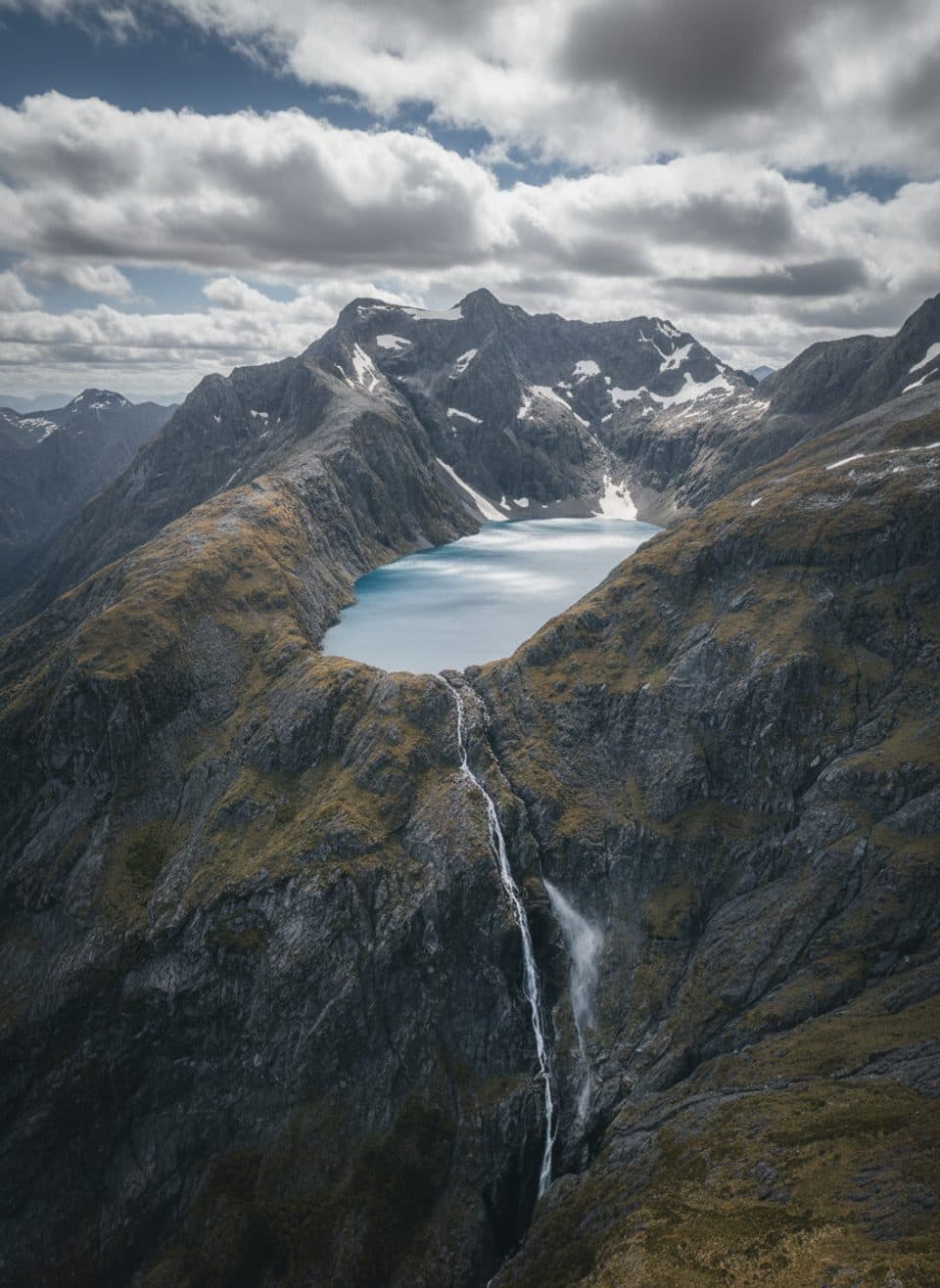 Sight · 11.6 km awayLake ErskineRemote alpine lake of shifting colors, reached by helicopter
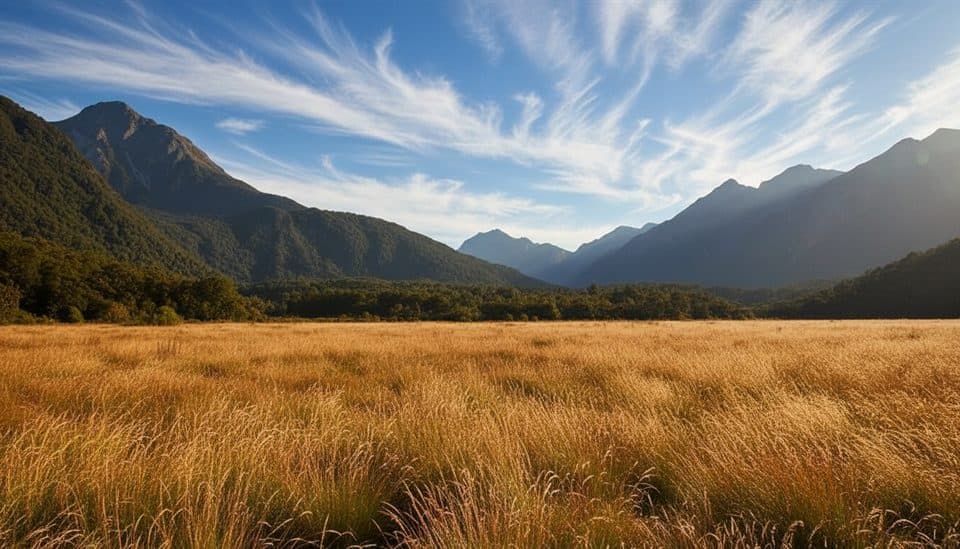 Campground · 12.2 km awayCascade Creek CampsiteBig, scenic DOC camp near Lake Gunn and Milford Road
Parkwolf’s Fiordland ranking

The audio tour guide for the drive, plus offline maps, trails, and wildlife heatmaps for when the signal drops.