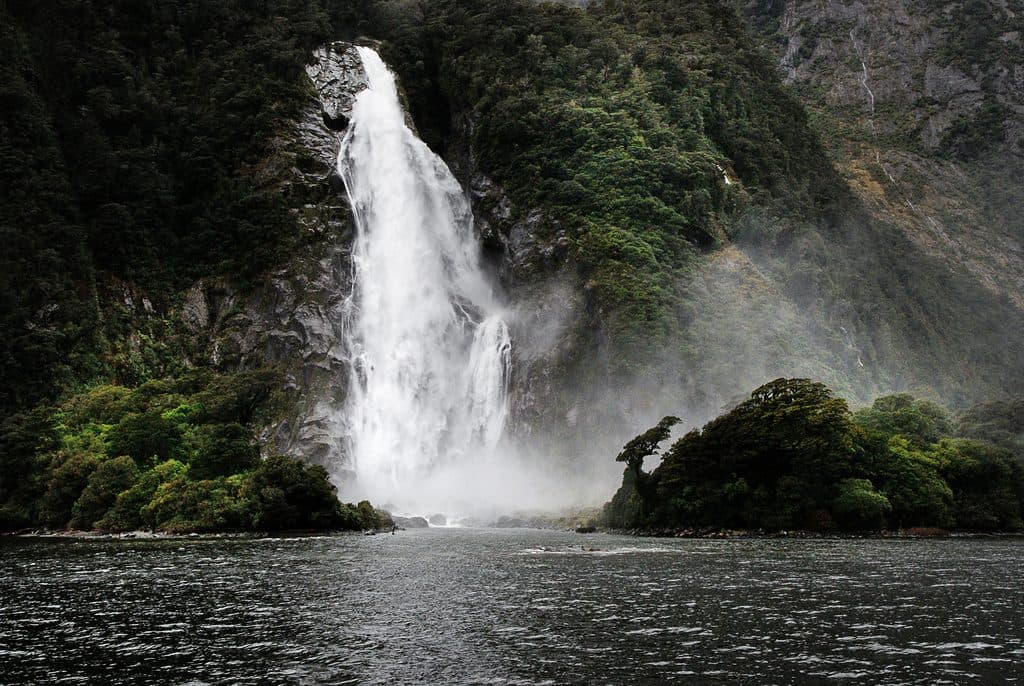
Charles Sound

Remote twin-armed fiord with waterfalls and true wilderness silence
Charles Sound, Fiordland National Park
InsideFiordland National Park

Overview

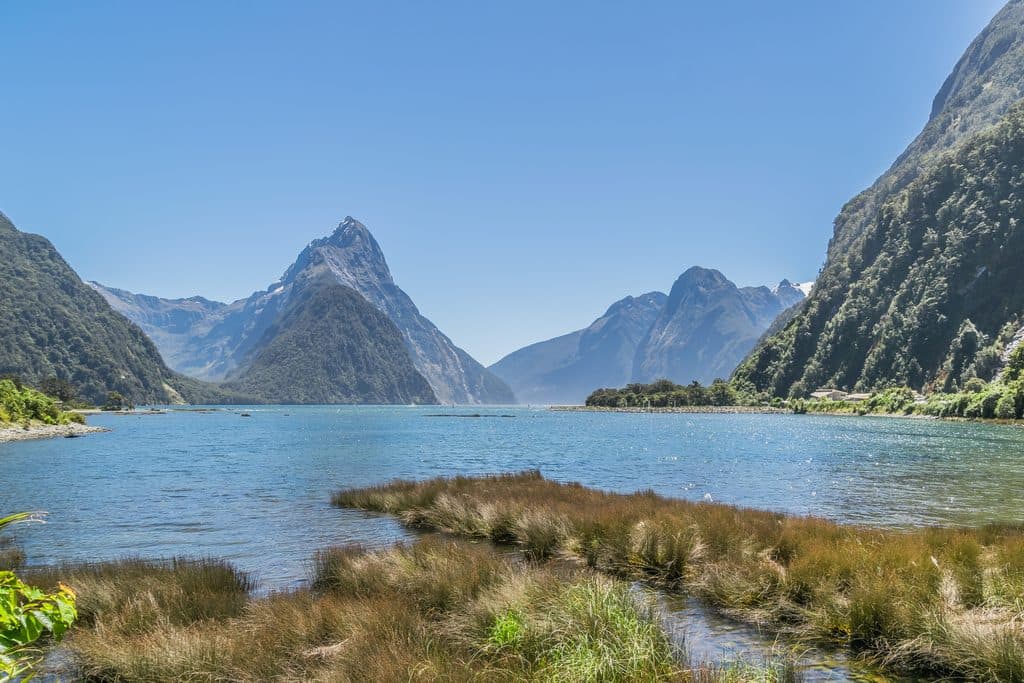
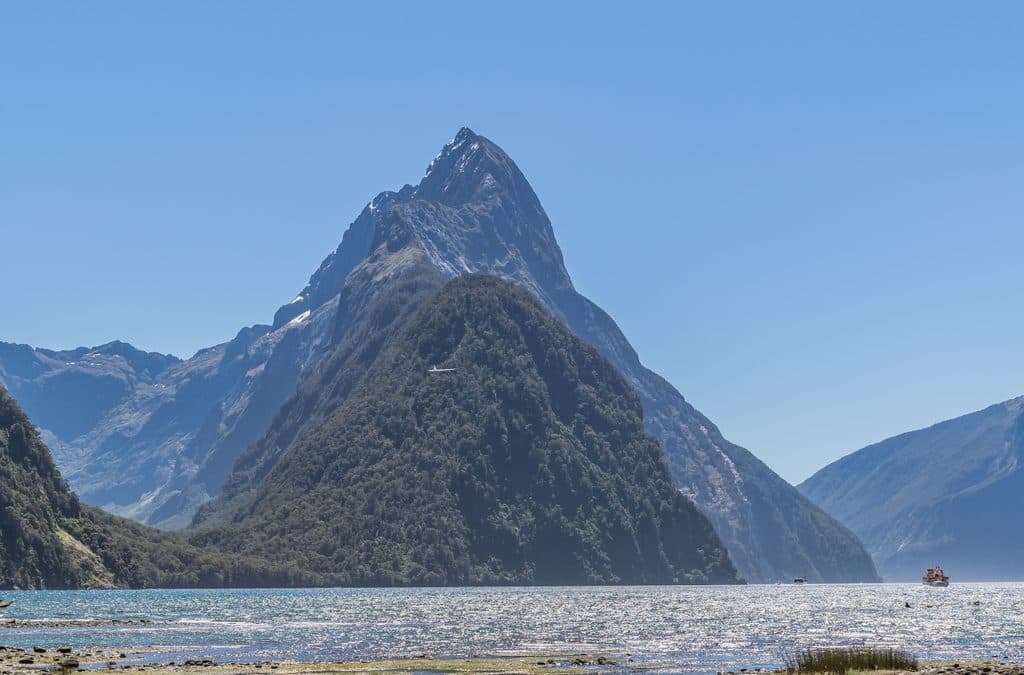
Taiporoporo / Charles Sound is Fiordland’s quiet achiever: a remote, little‑visited fiord of glassy water, steep rainforest walls, and the kind of silence you only get far from roads. It splits into two striking arms—Gold Arm and Emelius Arm—each delivering classic Fiordland drama without the tour‑boat traffic of the headline sounds.

What You’ll See

  • Gold Arm and Emelius Arm: deep, still waterways hemmed by lush temperate rainforest and sheer cliffs.
  • Waterfalls: look for Marjorie Falls and countless ephemeral ribbons after rain.
  • Coast & coves: remote beaches and rocky shorelines reachable only by boat or kayak, plus a dramatic canyon at the head of Gold Arm.

Wildlife

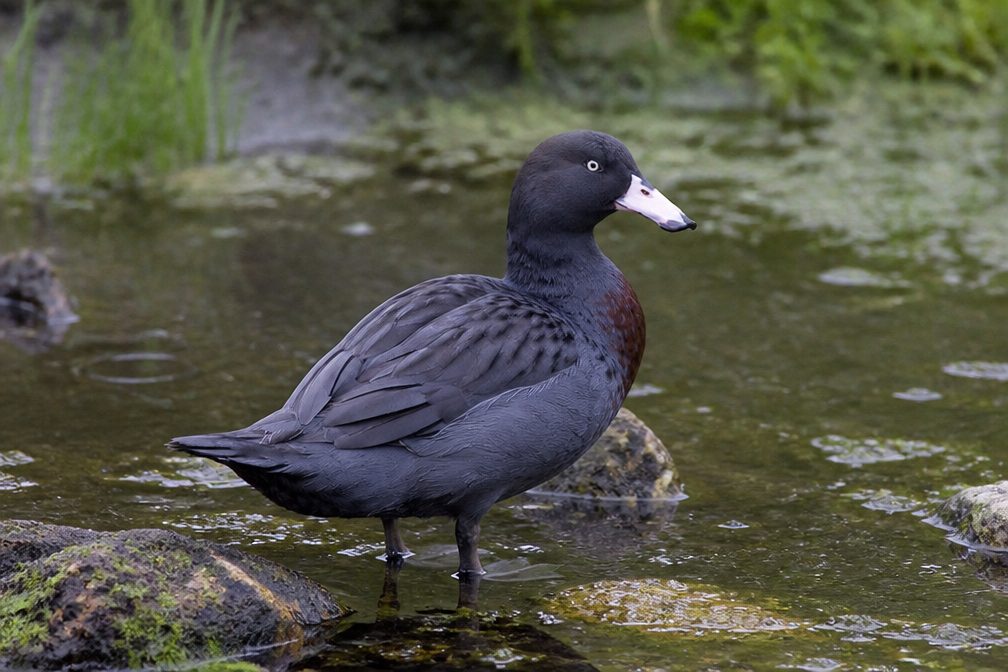
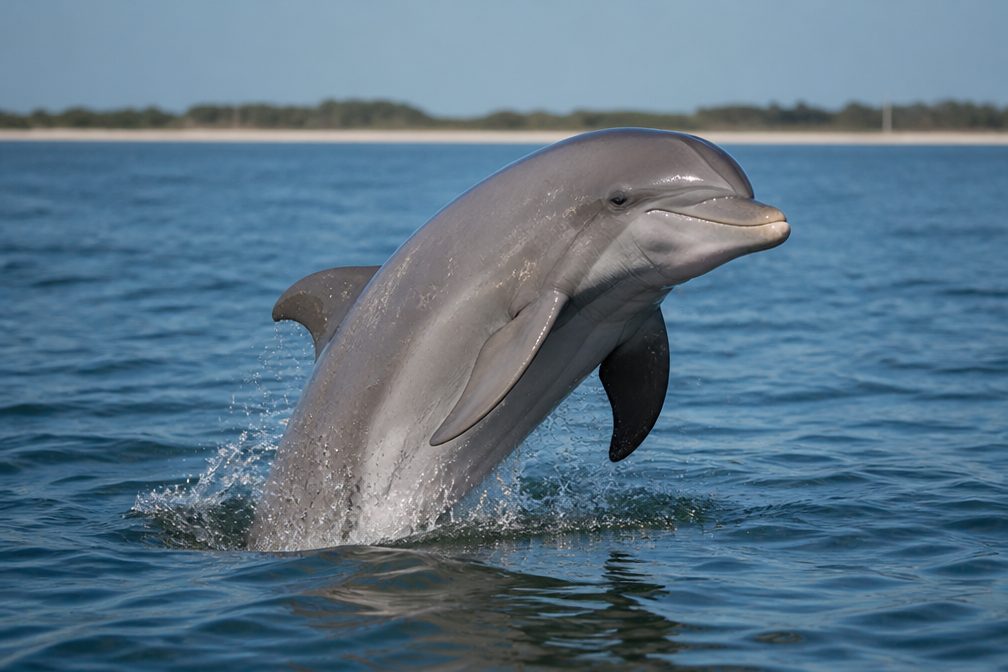
Expect the wider Fiordland cast to show up here: dolphins and fur seals in the water, native forest birds (tui, bellbirds, kaka) in the canopy, and the chance—if you’re lucky—to see rarities like the Fiordland crested penguin. The clear, calm water often makes wildlife spotting from a kayak especially rewarding.

Getting There & What It’s Like

There’s no road. Access is by private boat, charter, or guided expedition (options are far fewer than in Milford or Doubtful). Facilities are essentially nonexistent, so you’ll need to be fully self‑sufficient. Multi‑day kayak trips are the sweet spot here, letting you explore side coves and waterfalls at an unhurried pace.

Conditions & Safety

Fiordland is famous for heavy rainfall and rapidly changing weather. Come prepared: waterproof layers, reliable navigation (maps/GPS), and safety gear suited to remote water travel—think life jackets and a satellite device or PLB. Conditions can change quickly, and there’s no shelter or services on hand.

History & Geology

Like its neighbors, Charles Sound is a classic glacially carved fiord with steep, forested sides and deep water. The official name was updated in 2019 to Taiporoporo / Charles Sound, recognizing Māori heritage. In 2003, a magnitude 7.0 earthquake triggered a landslide into the fiord, creating a local 4–5 m tsunami that damaged a wharf and helipad—an enduring reminder of Fiordland’s restless landscape.

Best Time to Visit

Summer (December–February) brings the most reliable conditions and your best bet for wildlife encounters on multi‑day trips. Crowds are minimal year‑round; this is one of the park’s least‑visited fiords. After rain, waterfalls tend to put on a show.

Is It Worth It?

If you’re chasing solitude and raw wilderness, absolutely. If you want easy access and amenities, look elsewhere. Charles Sound rewards those willing to plan, paddle, and embrace Fiordland’s elements.

Pros

  • Secluded twin-armed fiord (Gold and Emelius Arms) with dramatic scenery
  • Waterfalls, including Marjorie Falls
  • Outstanding for multi-day kayaking and wilderness photography

Cons

  • No road access—boat or kayak only
  • No facilities and highly changeable Fiordland weather

Tips

  • Plan boat or charter logistics well in advance—there’s no road access.
  • Pack full rain gear, navigation tools, and a satellite device or PLB.
  • Expect zero facilities; carry all supplies and pack out all waste.
  • Summer offers the best weather window and wildlife chances.
  • Multi-day kayaking lets you explore Gold and Emelius Arms properly.
The Parkwolf tour guide sitting on a phone mounted in a car

Parkwolf Tour Guide

Like a tour guide in your car.

Save the places you found around Fiordland, then let Parkwolf guide the drive between them.Download Parkwolf on the App Store