Best time to visit
There’s no crowd “season” here—go when you have a solid weather window. Fiordland gets heavy rain year‑round; plans should stay flexible, especially around Deadwood Lagoon flooding and slippery terrain.

Sight · Fiordland National Park
A lonely fiord for hardcore trampers and boat pickups
Overview
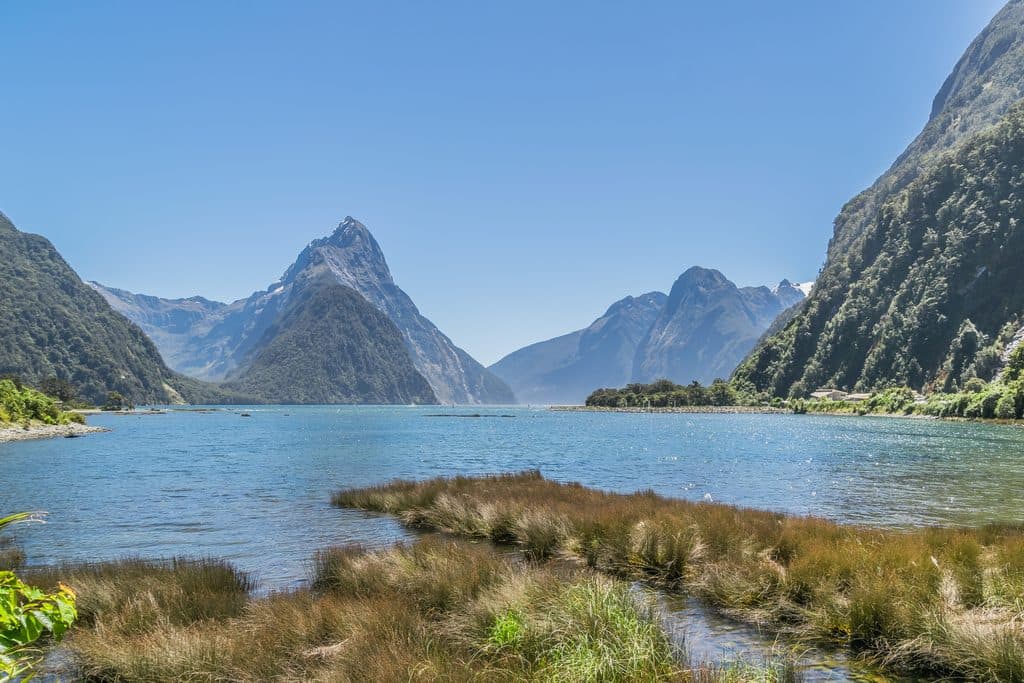
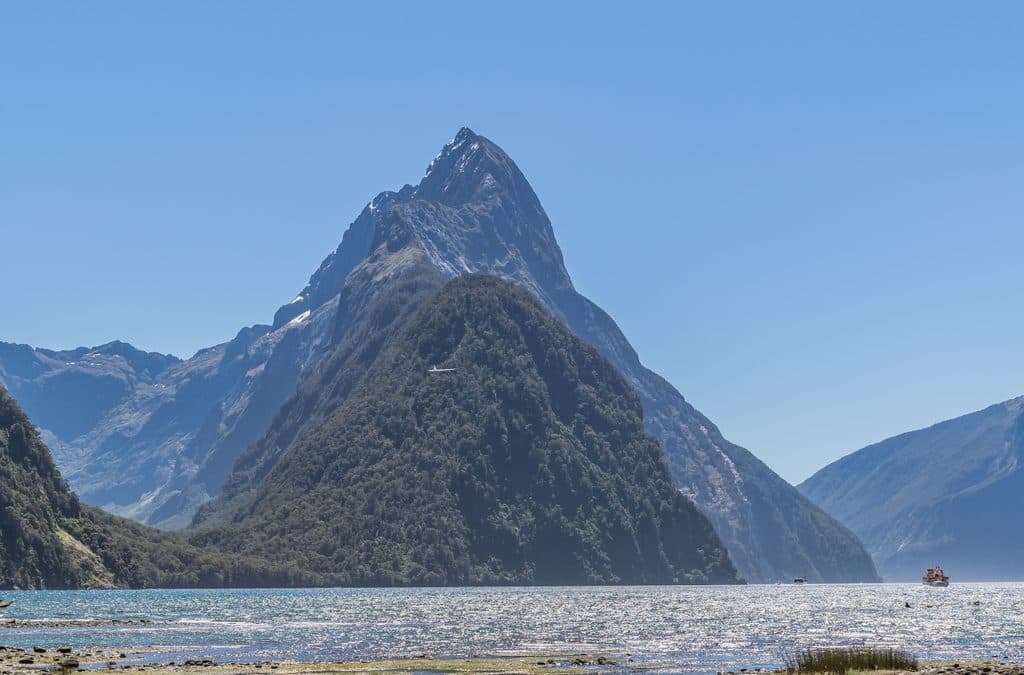
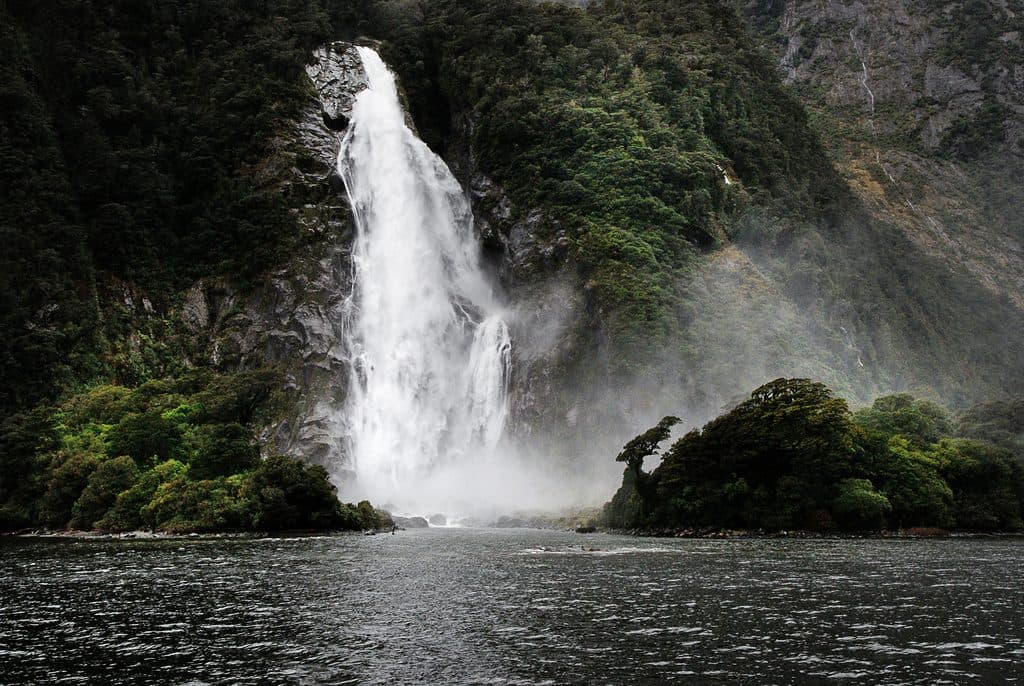
George Sound / Te Houhou is one of Fiordland’s most remote fiords—about 26 km long and over 1.5 km wide at its broadest—framed by sheer cliffs, dark waters, dense rainforest, and frequent waterfalls. It sits between Taitetimu / Caswell Sound and Hāwea / Bligh Sound, with side arms like Southwest Arm and Anchorage Cove. Rivers including the George, Whitewater, and Edith feed the fiord; the Edith River plunges over Alice Falls (56 m) right into the water.
This is pure backcountry Fiordland—unspoiled, quiet, and tough to reach. If you’re after solitude and big, brooding scenery without the crowds of Milford or Doubtful, this is the one. Visitor numbers are tiny because there’s no road; that’s exactly the appeal.
 Parkwolf’s verdictWhy Go
Map
Local know-how
Check in with the Fiordland DOC Visitor Centre for current route conditions.
Plan for Deadwood Lagoon’s bogs and possible flooding after heavy rain.
Boil or treat all hut water; there is no treated supply.
Carry a PLB and full backcountry kit—there’s no mobile coverage.
Arrange boat or helicopter transport well in advance and keep schedules flexible.
Plan your stop

The highest, rockiest slopes around here are a summer buffet for grizzly bears.
Fiordland Tour Guide
Parkwolf is a GPS audio tour guide for Fiordland National Park. As you drive, it chimes in with what’s ahead: hidden gems, upcoming stops, history, geology, and wildlife, right through your car’s speakers.
See the Fiordland audio tour“Fantastic app with many points of information… It’s great to just turn on while you’re driving and it gives you an audio tour of the national Park. We love it!!!!”


Guide
At the fiord head, George Sound Hut serves as the shelter. It’s a standard DOC backcountry hut: bunks, heating, mattresses, rainwater (boil/treat), and a non‑flush toilet. Huts along the route (like Lake Hankinson and Lake Thomson) are first‑come, first‑served with untreated water and pit toilets. There are no shops, no WiFi, and no road access.
You’re here for the classic Fiordland drama—steep walls, deep blue water, and waterfalls after rain. In these quiet waters you may encounter marine life such as bottlenose dolphins or seals, and occasionally Fiordland crested penguins. Birdlife inland can include kea and whio; kiwi are a night-time long shot.
Like the other fiords, George Sound was carved by glaciers, then drowned by the sea as the ice retreated. The Māori name is Te Houhou. The English name likely traces to early 1800s sealing days. Conservation pioneer Richard Henry cut a track to the sound in 1889, but the remoteness kept it off the tourist map.
Most parties link water taxis across Lake Te Anau and Lake Hankinson, or fly a leg by helicopter/floatplane when weather allows. Transport is pricey and weather‑dependent, often limited to small groups (sharing helps). Carry full backcountry kit, spare food, and a PLB; there’s no cell coverage. Expect very wet conditions any time of year.
For experienced trampers seeking a true wilderness fiord with virtually no people, absolutely. For casual visitors without backcountry skills or a boat/heli plan, this is not the easy win—look elsewhere.
Wildlife
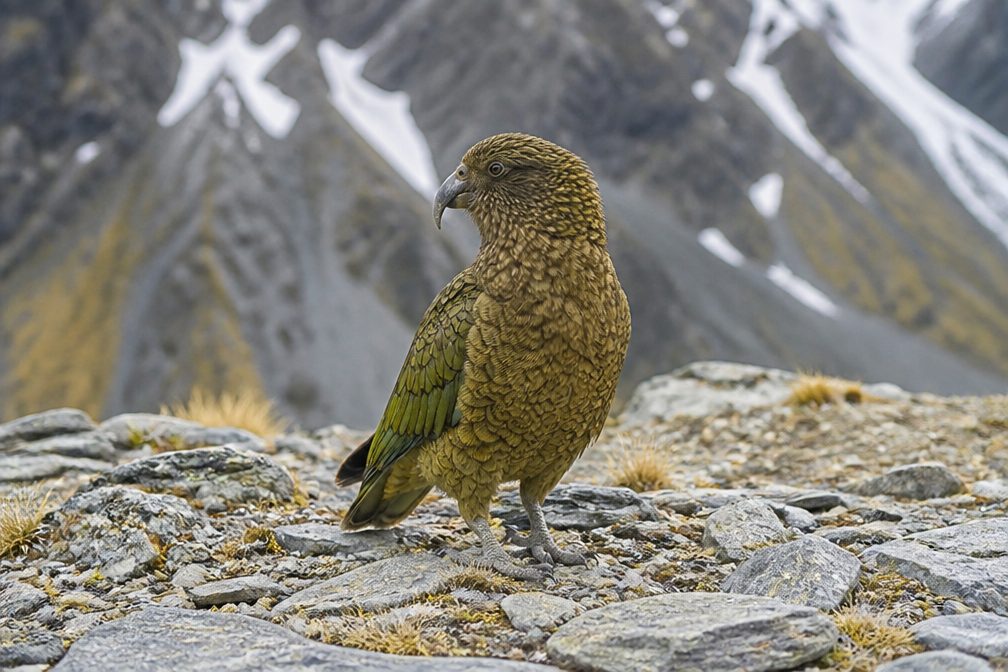 1,181 sightingsKeaMost seen around 10 AMSighting map
 199 sightingsFiordland PenguinMost seen around 7 PMSighting map
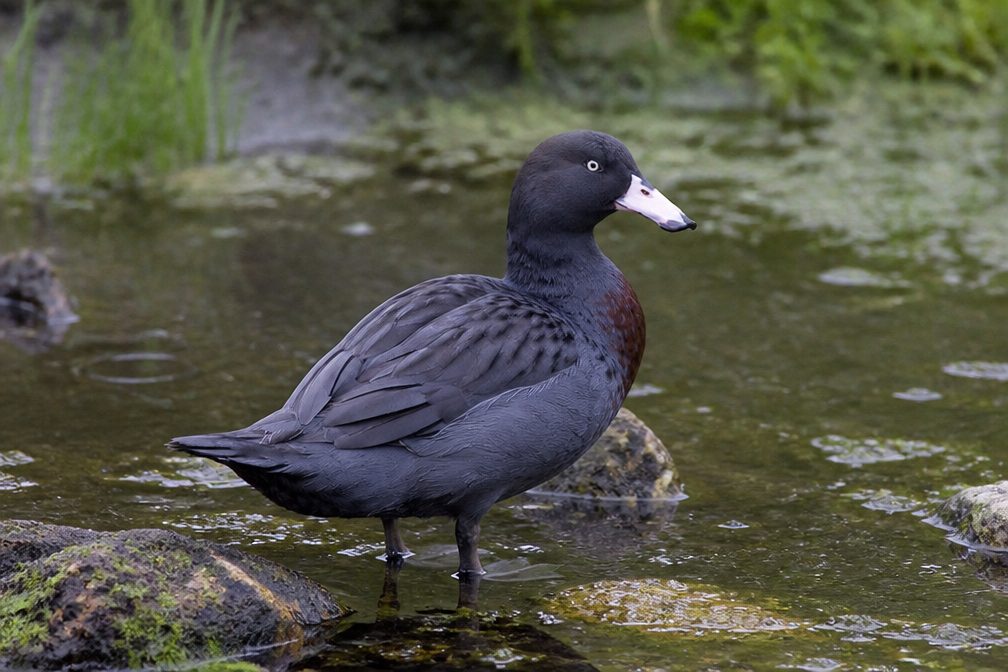 228 sightingsBlue DuckMost seen around 5 PMSighting map
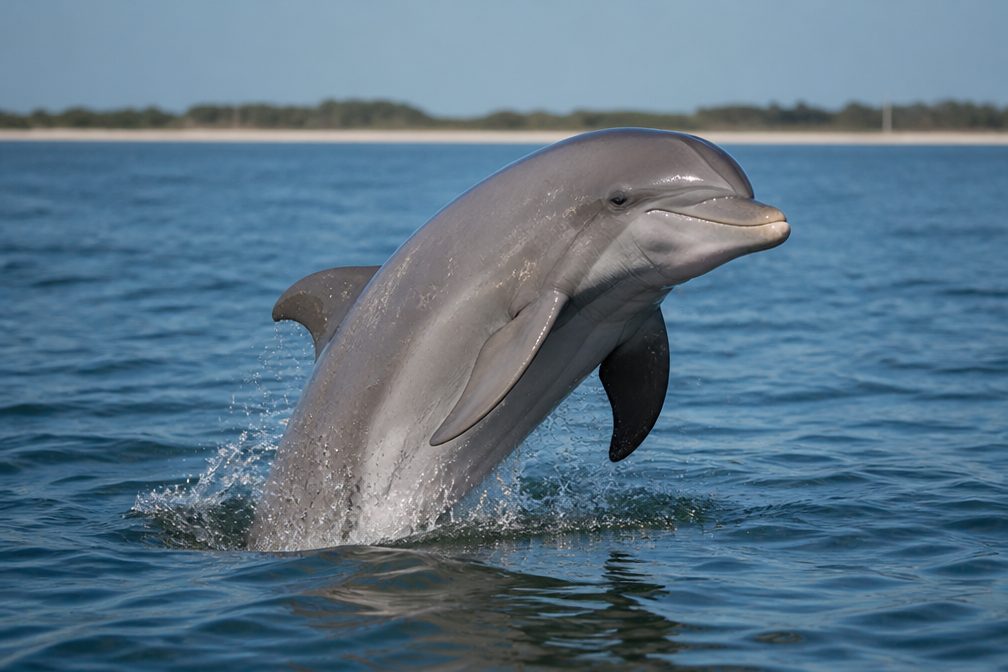 32 sightingsBottlenose DolphinMost seen around 5 PMSighting map
 247 sightingsNew Zealand Fur SealMost seen around 6 PMSighting map
 58 sightingsKākāMost seen around 6 PMSighting map
Sighting maps show where each species has been reported across Fiordland. Wildlife moves, so no sighting is guaranteed.
Keep exploring
Parkwolf’s Fiordland ranking
The audio tour guide for the drive, plus offline maps, trails, and wildlife heatmaps for when the signal drops.