Overview
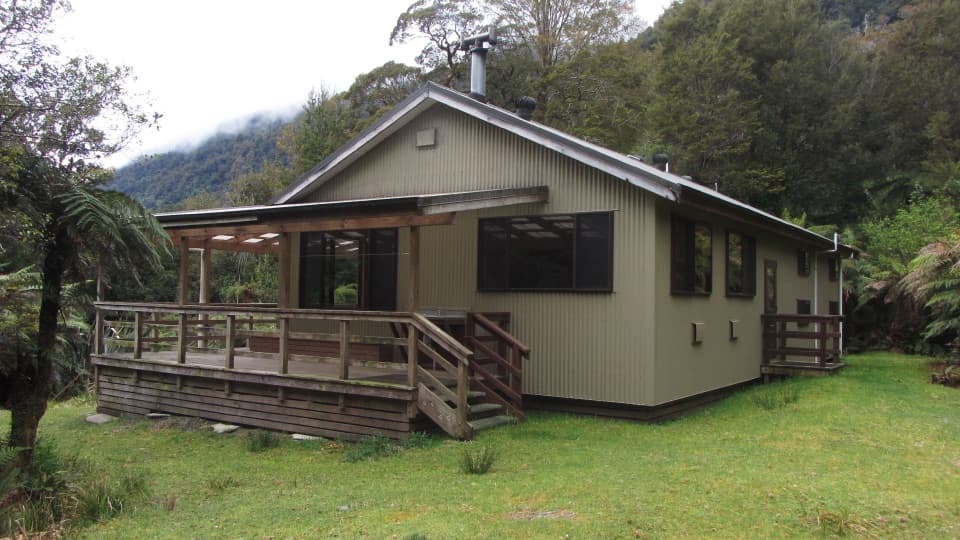
About Lake Alabaster Hut
Why stop
- Heated, serviced shelter on a remote stretch of the track
Heads up
- Advanced access and unbridged river crossings
Map
Where it is
The highest, rockiest slopes around here are a summer buffet for grizzly bears.
Fiordland Tour Guide
Your drive to Lake Alabaster Hut, narrated.
Parkwolf is a GPS audio tour guide for Fiordland National Park. As you drive, it chimes in with what’s ahead: hidden gems, upcoming stops, history, geology, and wildlife, right through your car’s speakers.
See the Fiordland audio tour- 112 audio storiesacross Fiordland’s roads, triggered by GPS as you drive
- Wildlife heatmapsfor Kea, Fiordland Penguin, Blue Duck, and 13 more
- Works offlinemaps, 77 trails, 102 places, and audio download before you lose signal
- CarPlay readysimple controls built for the drive
“Fantastic app with many points of information… It’s great to just turn on while you’re driving and it gives you an audio tour of the national Park. We love it!!!!”


Guide
More about Lake Alabaster Hut
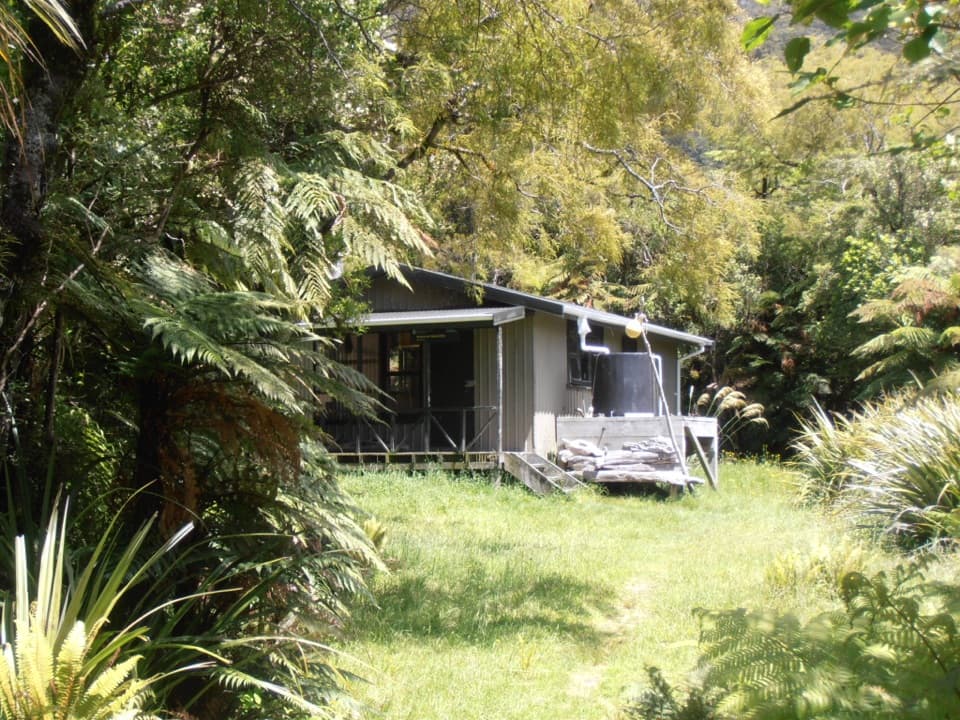
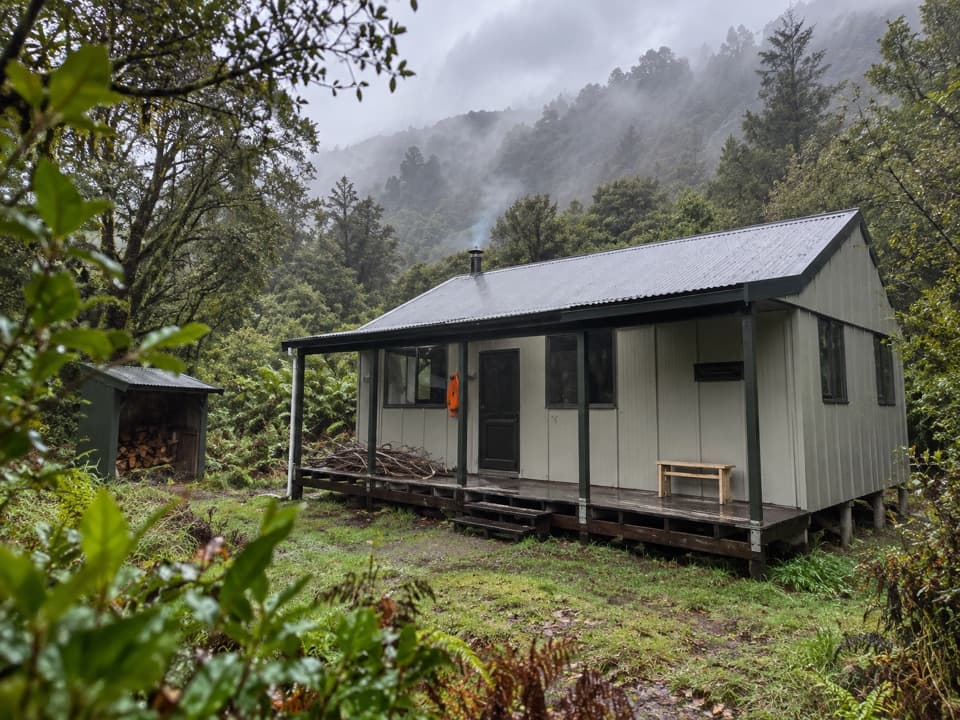
A remote bunk on the Hollyford TrackLake Alabaster Hut is a serviced, 26-bunk Department of Conservation hut in the Hollyford…
Lake Alabaster Hut is a serviced, 26-bunk Department of Conservation hut in the Hollyford valley, beside Lake Alabaster near where the Hollyford and Pyke rivers meet. It is an overnight stop on a multi-day tramping route through Fiordland's remote west, not a casual roadside detour. Book in advance; no bunks are held for walk-ins.
The walk inFrom Hidden Falls Hut, allow 10.5 km and 3–4 hours to reach it.
From Hidden Falls Hut, allow 10.5 km and 3–4 hours to reach it. The track passes through mossy ribbonwood and podocarp forest, then beech forest, before climbing Little Homer Saddle for views toward Mount Madeline and Mount Tūtoko. It descends past Little Homer Falls, a 60 m cascade, toward the Hollyford–Pyke confluence. DOC grades the track advanced for fit trampers; unbridged river crossings can be impassable during or after heavy rain.
What the hut providesThe hut has bunks, mattresses, heating and non-flush toilets.
The hut has bunks, mattresses, heating and non-flush toilets. There are no cooking facilities, so bring a portable stove and all your food. Tap water is untreated and must be boiled before drinking.
Wildlife
Wildlife in Fiordland
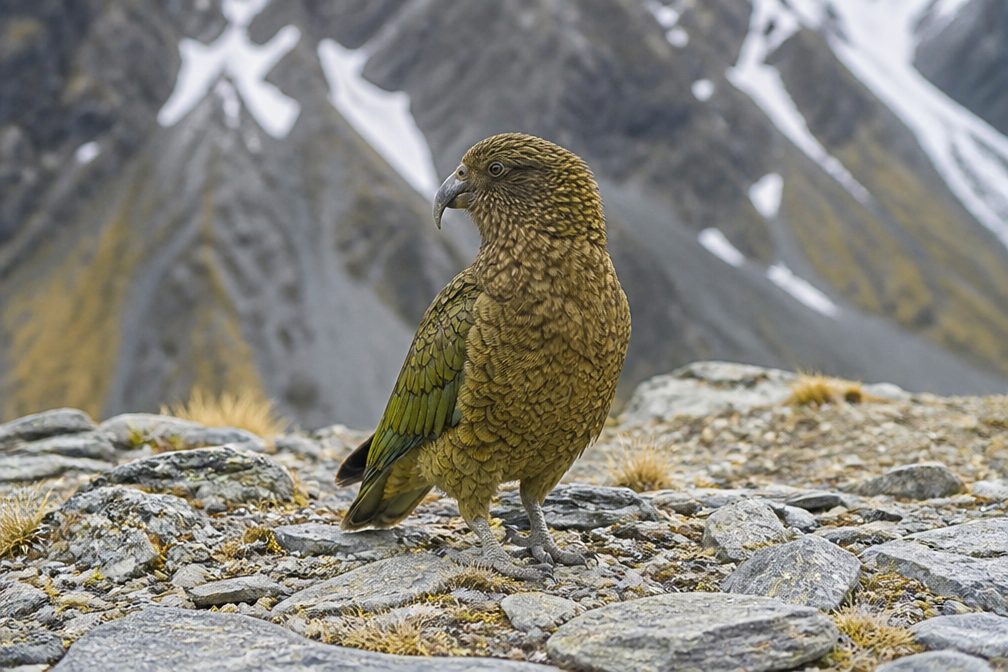 1,233 sightingsKeaMost seen around 10 AMSighting map
 214 sightingsFiordland PenguinMost seen around 7 PMSighting map
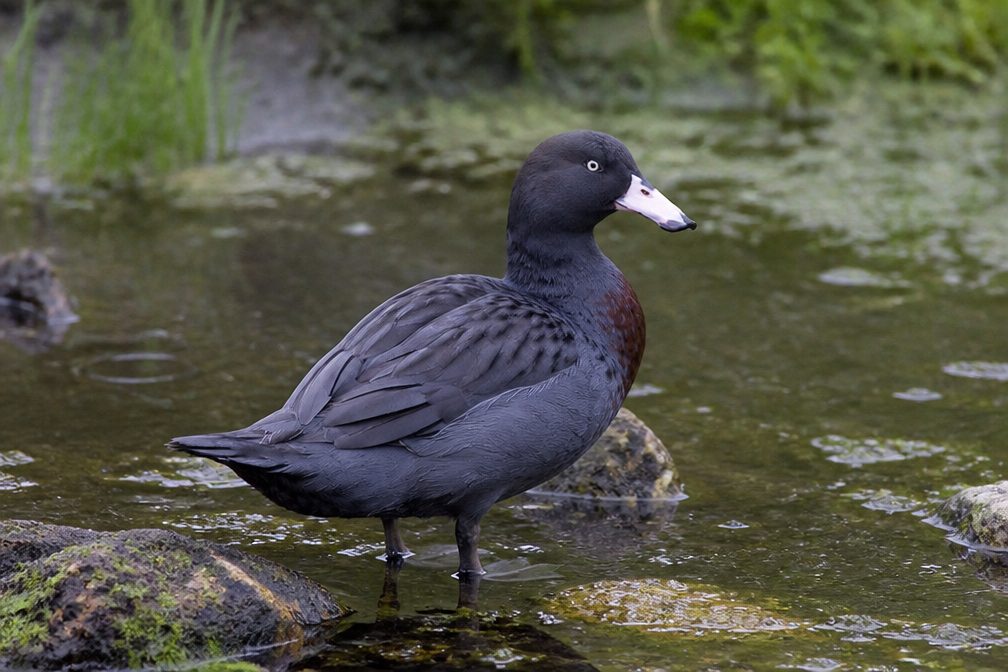 233 sightingsBlue DuckMost seen around 5 PMSighting map
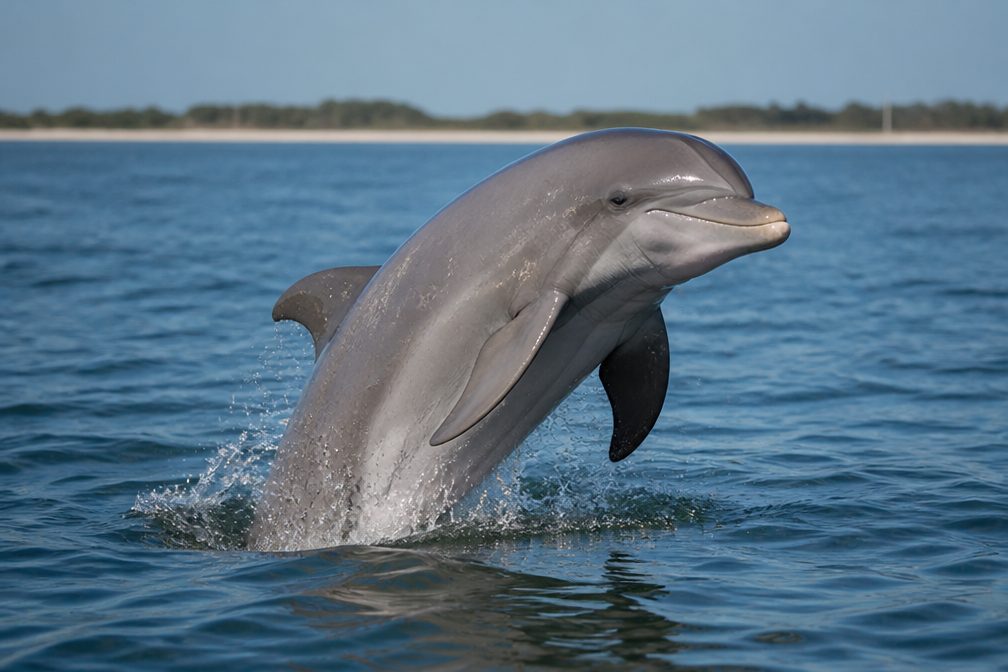 32 sightingsBottlenose DolphinMost seen around 5 PMSighting map
 252 sightingsNew Zealand Fur SealMost seen around 6 PMSighting map
 69 sightingsKākāMost seen around 6 PMSighting map
Sighting maps show where each species has been reported across Fiordland. Wildlife moves, so no sighting is guaranteed.