
Place · 1.3 mi away
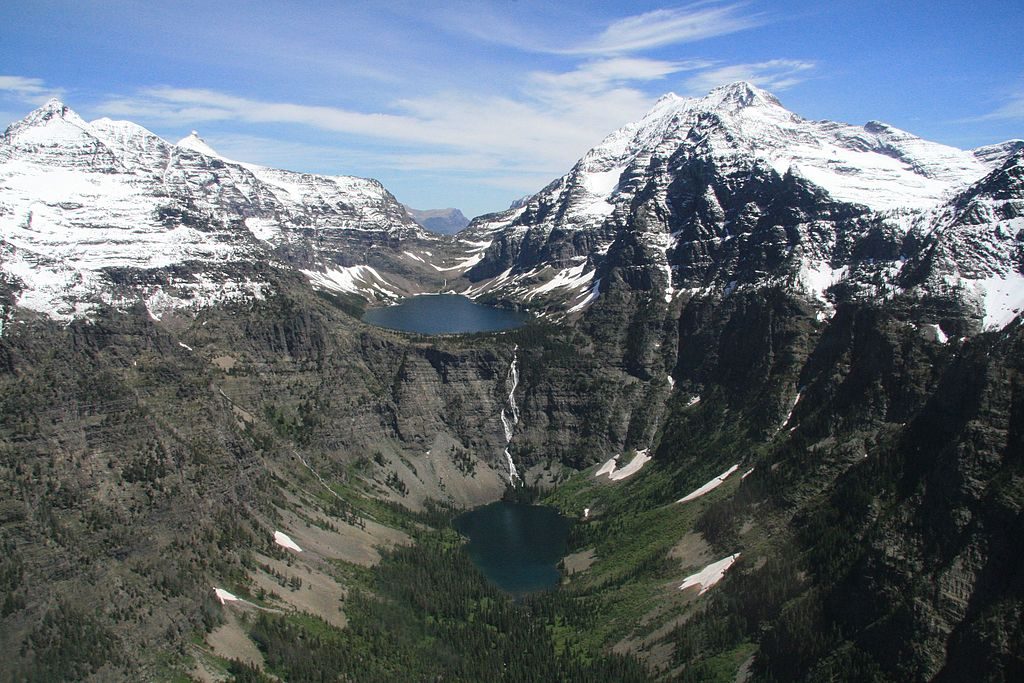
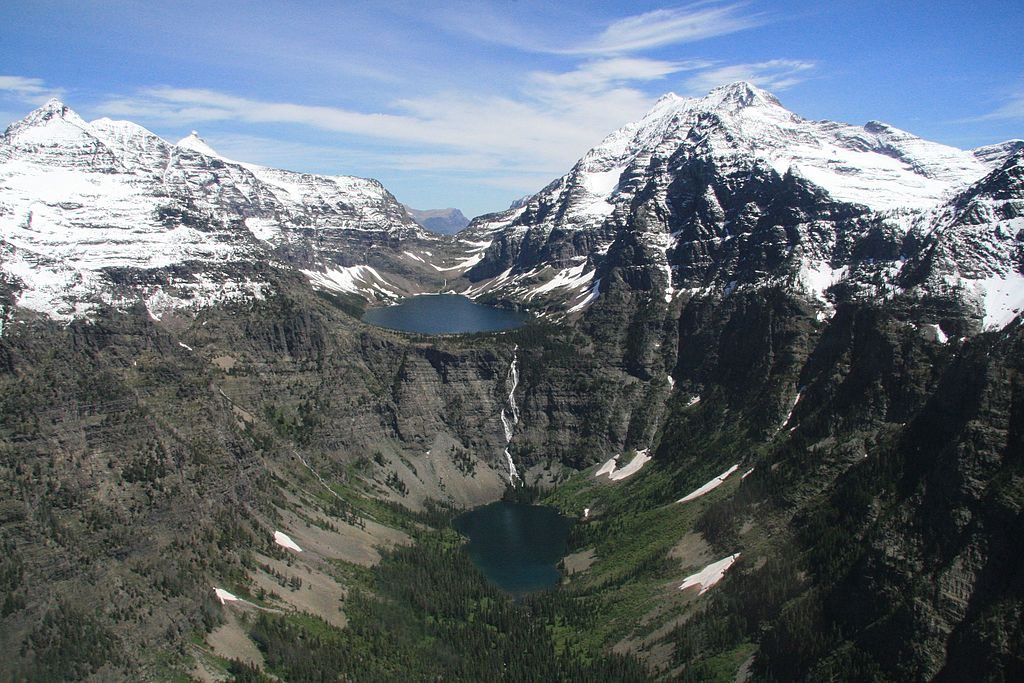
Lincoln Lake is a hard-earned reward on the Lake McDonald side: a deep, cliff-backed basin capped by the thunder of Beaver Chief Falls. It’s a big day on foot—plan for a full-value out-and-back with real climbing both directions—but the payoff is a wild, quiet corner that sees fewer people than nearby headliners.
The route starts just before Sprague Creek Campground on Going-to-the-Sun Road, then grinds steeply up and over Snyder Ridge before dropping to Lincoln Creek. A 2006 burn opened up long views and supercharged the bird and wildflower show, but it also means limited shade and notable heat on sunny days. Expect some brushy, overgrown sections, and keep an eye out for ticks. Snow can linger into summer; traction may help in early season.
Lincoln Lake sits beneath towering walls with Beaver Chief Falls pouring in at the far end—a dramatic backdrop for lunch or a mellow afternoon if you’re camping. On calm summer days, some hikers take a dip. You’ll likely share the area with birds working the burn and riparian zones; the approach is good for warblers and other songbirds.
There’s a designated wilderness campground near the lake with a pit toilet, a few sites, and food-hanging infrastructure. Bring your own TP, pack out all trash, and close lids/doors to deter wildlife. Backcountry permits are required—check current status and any food storage orders before you go.
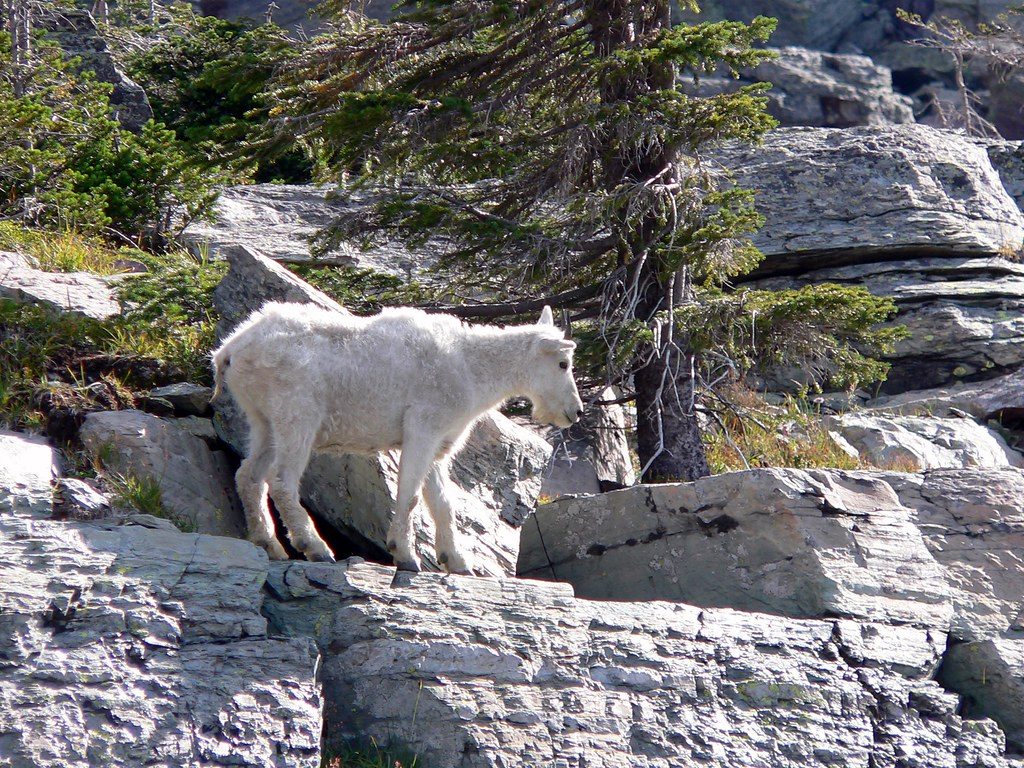
This is prime Glacier backcountry. Black and grizzly bears roam these valleys; make noise in brushy stretches, carry bear spray, and store all food and scented items properly in camp. Deer are common, and moose sometimes haunt creek and lake margins. Birdlife is excellent along the burn and wet meadows.
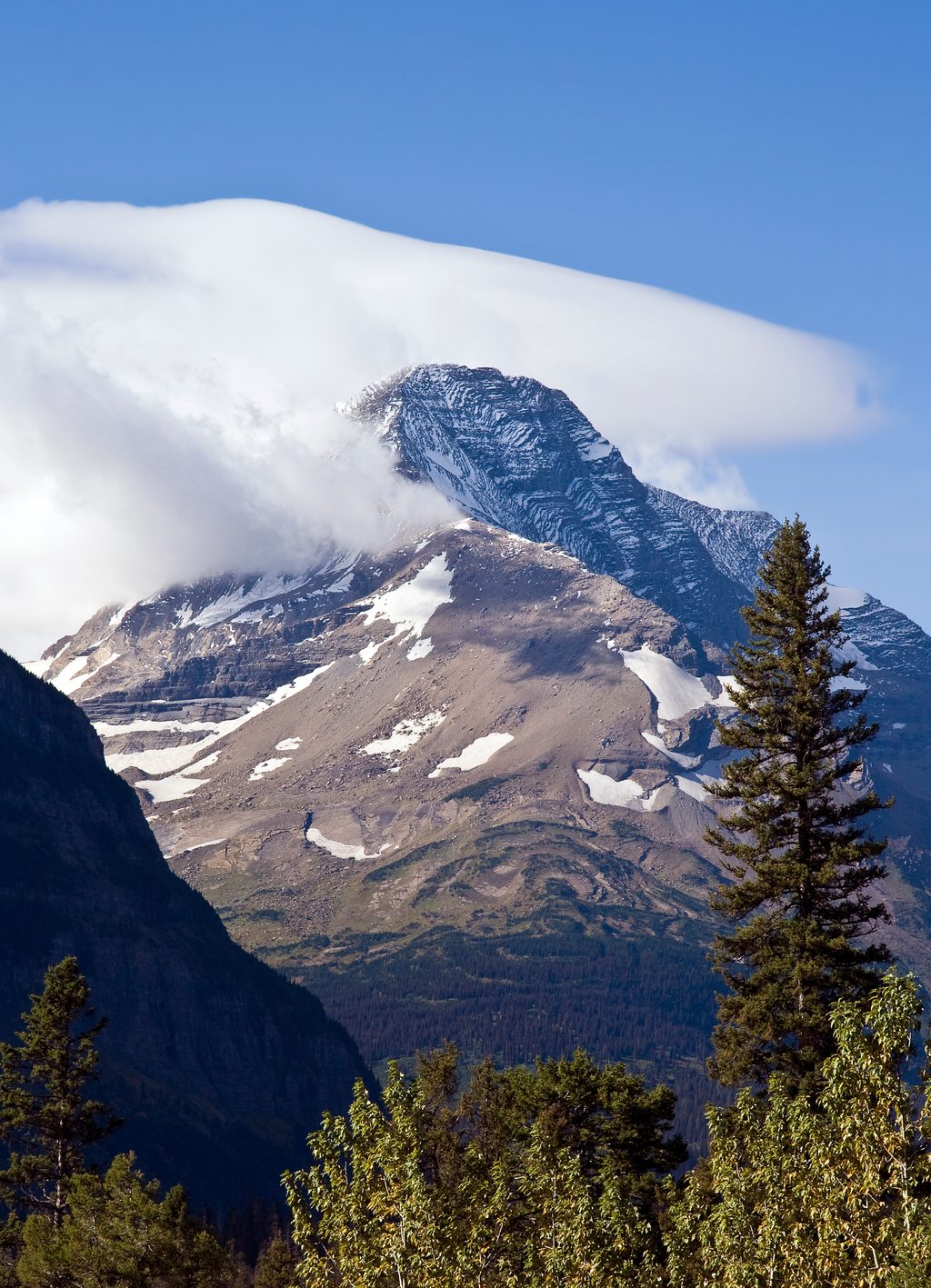
You’re hiking the Lewis Range side of the Lake McDonald valley, which helps explain the stiff up-and-over profile right out of the gate. More broadly, this is the Crown of the Continent—where ecosystems collide and big carnivores still thrive—carved and uplifted over geologic time by events like the Lewis Overthrust that stacked ancient rocks atop younger layers.
Place · 1.3 mi away
Place · 1.4 mi away
Place · 2.2 mi away
Place · 2.3 mi away
Challenging · 1.3 mi away
Easy · 5.1 mi away
Easy · 5.1 mi away
Challenging · 5.4 mi away

Parkwolf Tour Guide
