
Place · 1.1 mi away
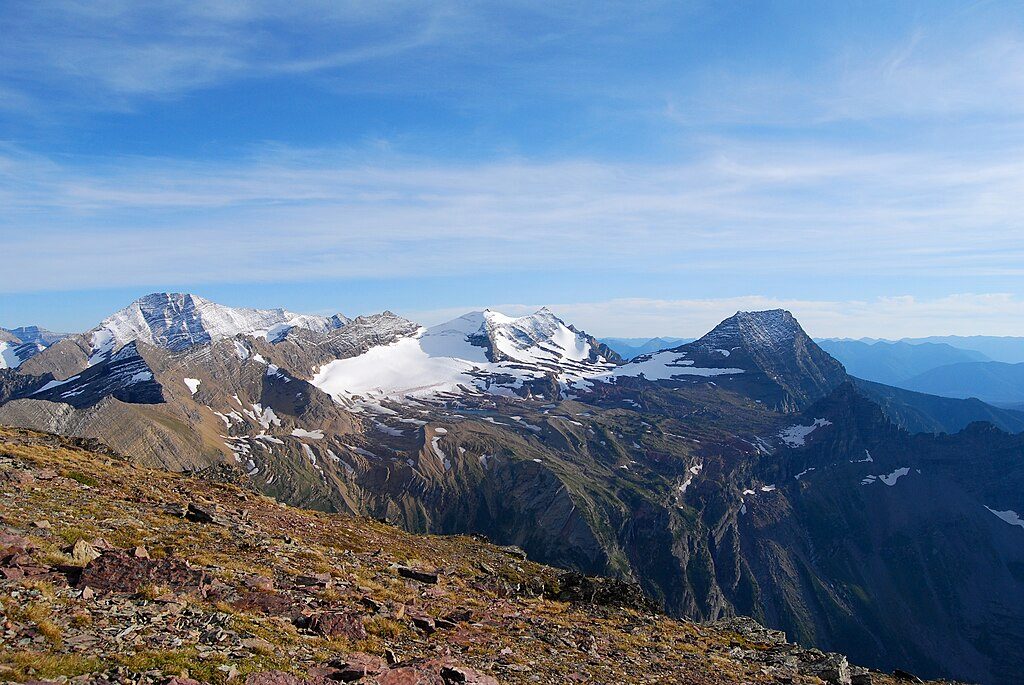
Sperry Glacier is a high-alpine relic tucked just west of the Continental Divide. It’s one of the park’s most studied glaciers and a living exhibit of climate change—scientists have tracked its shrinkage for over a century, and today it serves as a USGS benchmark monitoring site. Expect a big, remote day with jaw-dropping cirque scenery and a sobering look at a glacier in retreat.
There’s no drive-up viewpoint. Most hikers start from the Lake McDonald Lodge area, climb the Sperry Trail about 6.2 miles to historic Sperry Chalet, then continue roughly 3.9 miles on the Sperry Glacier Trail to the glacier—about 10.1 miles one way with over 5,000 feet of total elevation gain. Many people break it up by staying at the chalet and doing the glacier as a day hike from there.
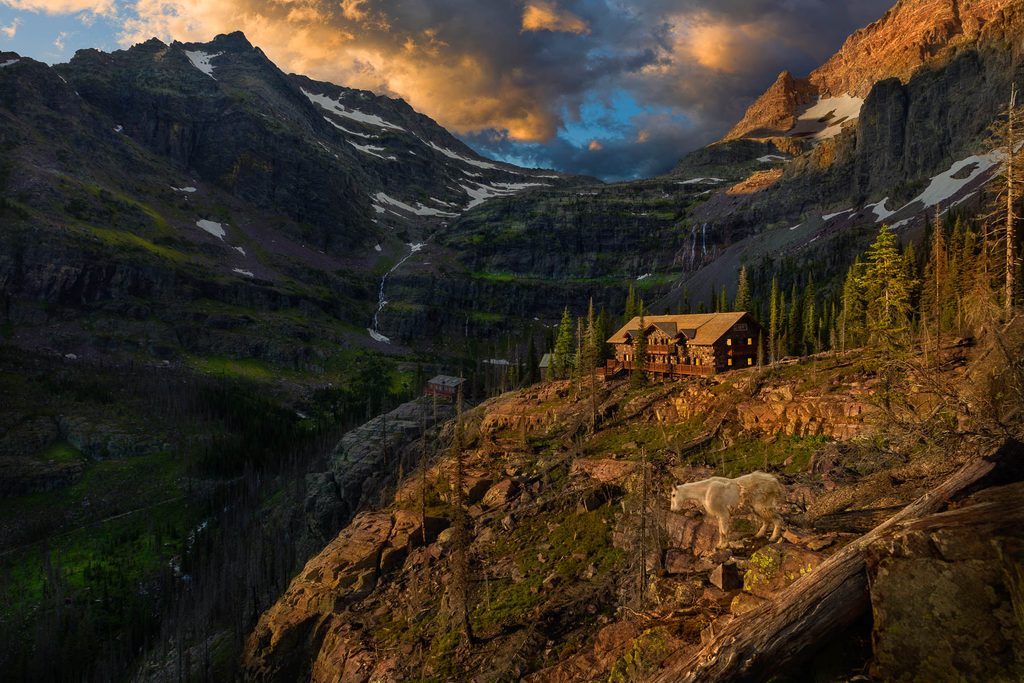
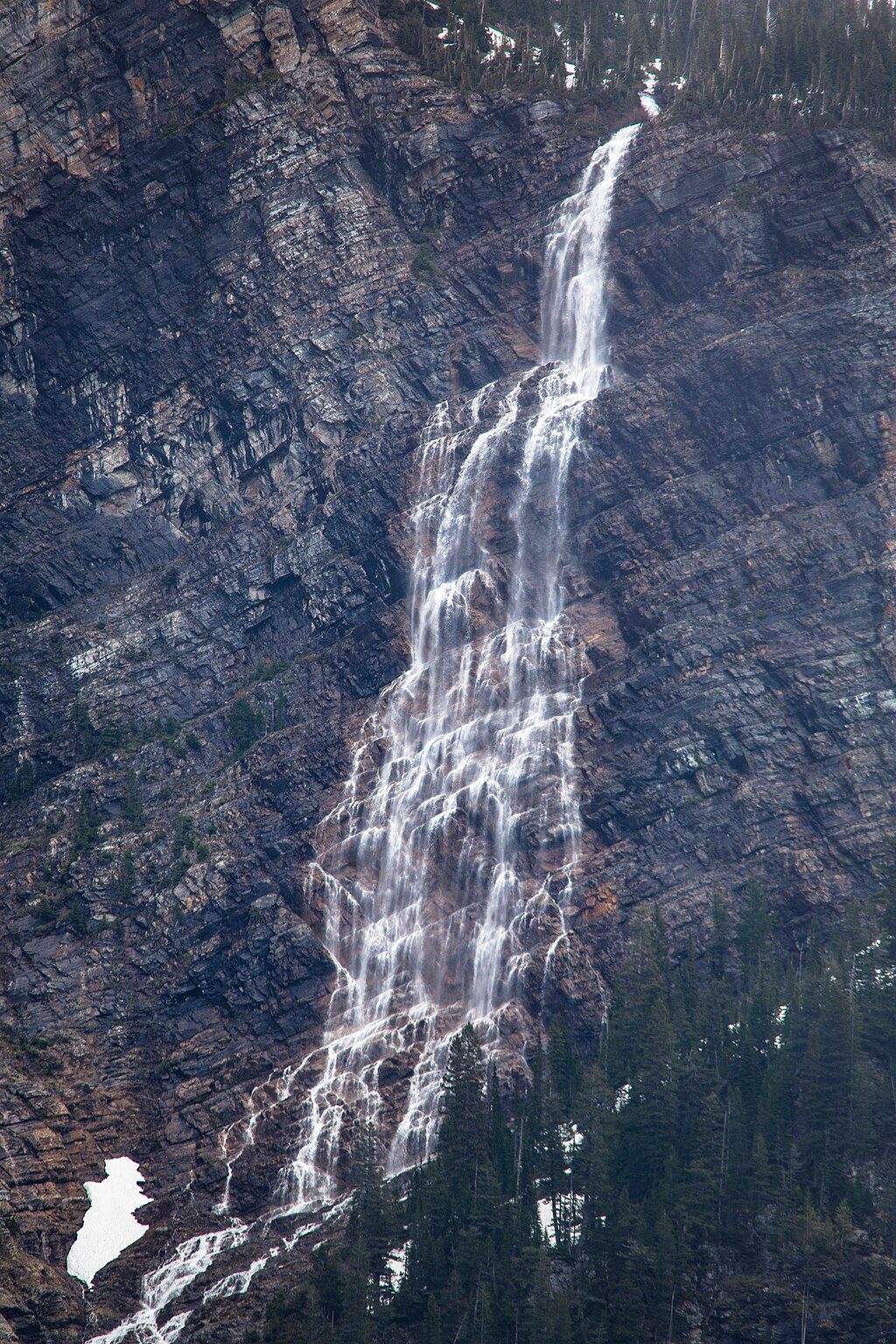
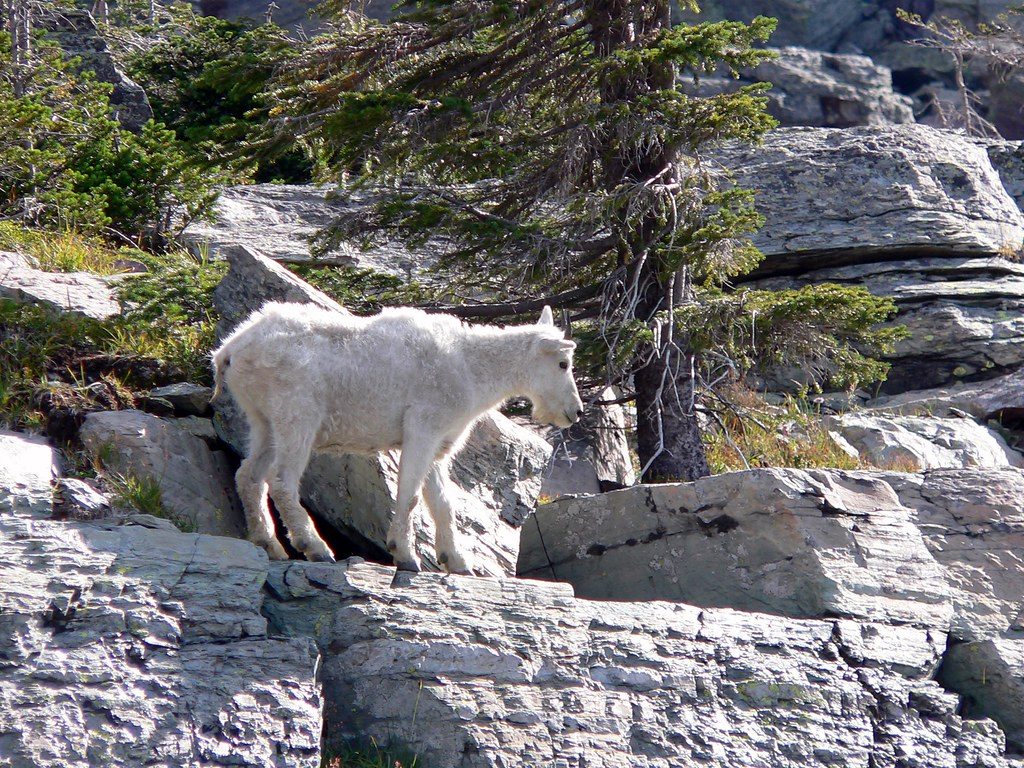
The route climbs past waterfalls, summer wildflowers, and high-country terrain where mountain goats are sometimes spotted. At the glacier, you’re looking into a broad, shallow cirque with sweeping views of rugged peaks. Repeat-photo projects here starkly show how much ice has vanished; some historic vantage points can’t even be recreated because they were taken from ice that no longer exists.
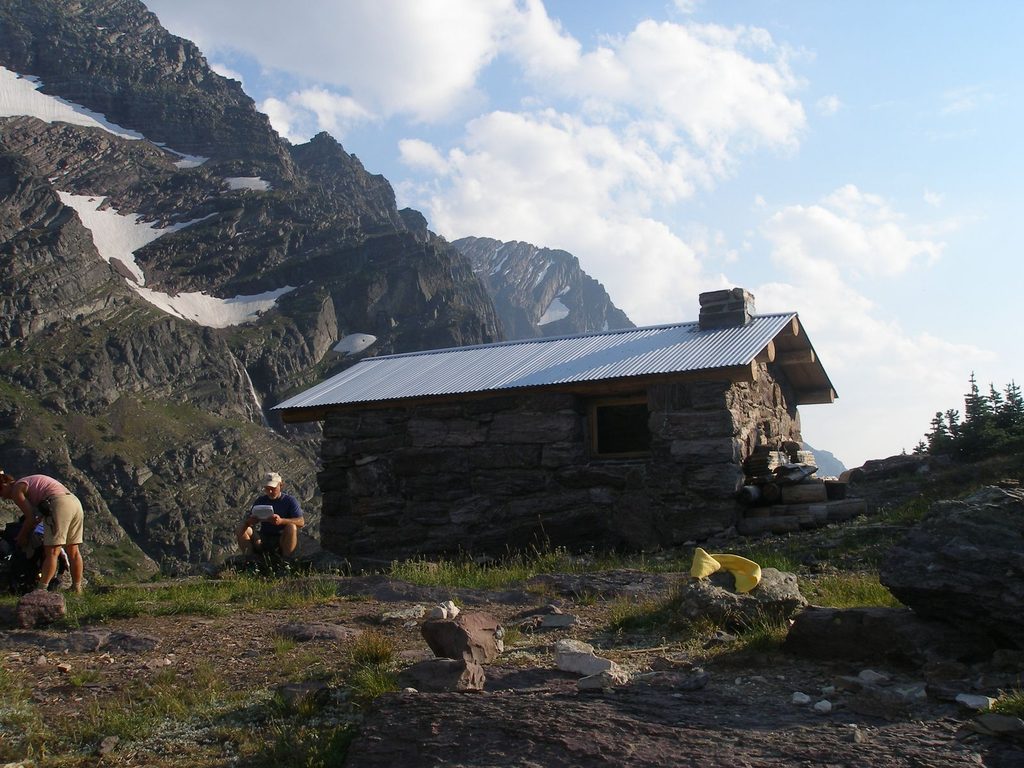
Sperry Chalet (about 6+ miles from the lodge) is your in-season oasis: outdoor restrooms with sinks, potable drinking water, and a la carte lunch for day hikers (typically 11:30–5:00). For 2025, the operating season is July 11–Sept 12 (conditions permitting). Beyond the chalet, it’s true backcountry—no facilities at the glacier itself.
USGS and NPS have measured Sperry Glacier for decades, mapping margins, probing ice depth, and tracking seasonal snow and melt. Across the park, the number and area of glaciers have dropped dramatically, and Sperry is part of the evidence: a scientifically rich, visibly changing landscape that also influences stream temperatures, flows, and ecosystems downstream.
If you want to see bare glacial ice (rather than seasonal snow), aim for a narrow late-summer window—generally late August into late September. Earlier in the season, snow can cloak the glacier’s surface. In peak season, arrive early to find parking at Lake McDonald Lodge. Always check current trail reports; early-season snow can linger on high routes.
Late summer is your best bet for matching historic “then-and-now” views. Budget time near the glacier to hunt for vantage points and learn to distinguish bright, clean seasonal snow from older, debris-streaked glacial ice.
Strong hikers and glacier-curious visitors who want a demanding, rewarding backcountry objective with a rich science story. If you’re not up for the full push in a day, book the chalet and make the glacier a side trip.
Place · 1.1 mi away
Place · 1.6 mi away
Place · 1.9 mi away
Place · 1.9 mi away
Challenging · 1.6 mi away
Moderate · 4.4 mi away
Easy · 4.6 mi away
Easy · 4.6 mi away

Parkwolf Tour Guide
