
Place · 0.5 mi away
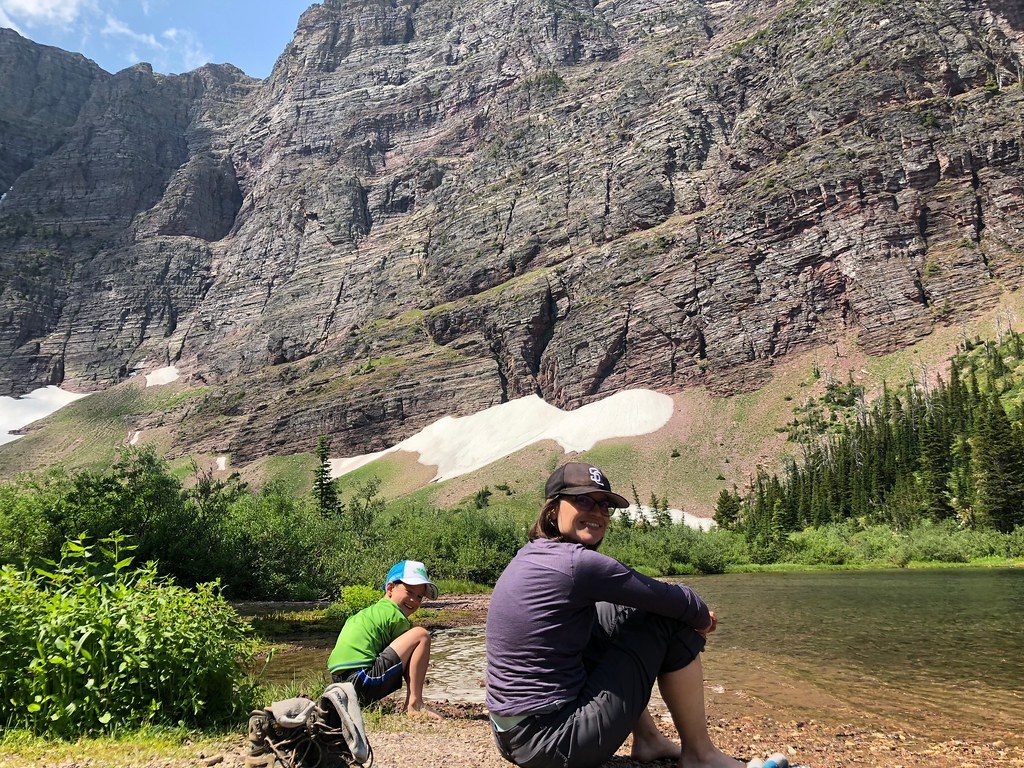
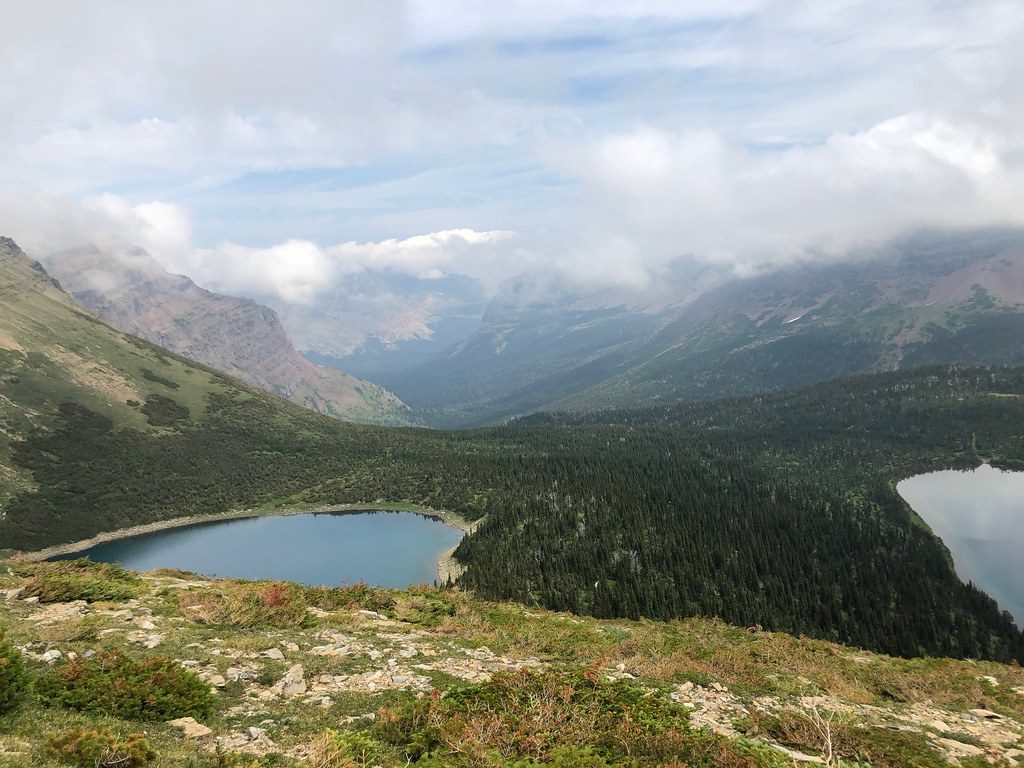
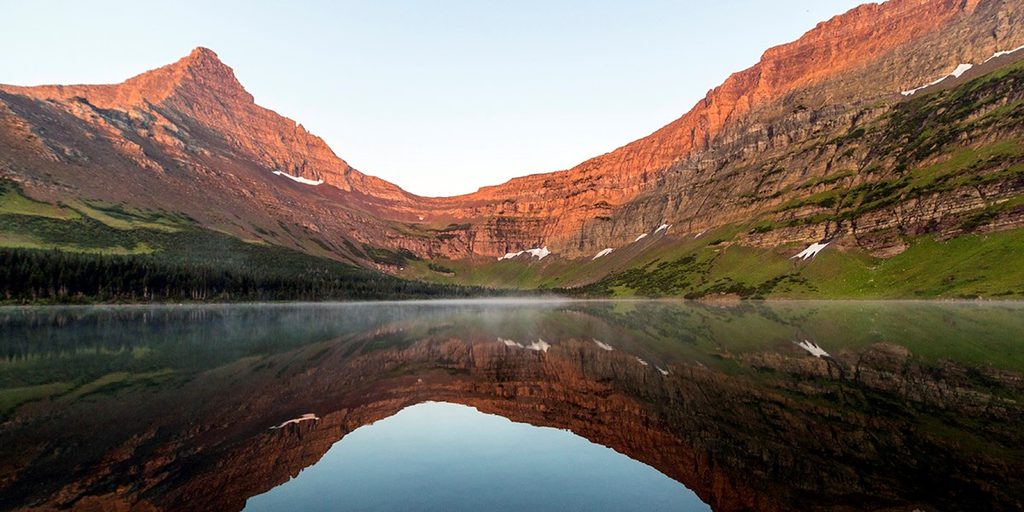
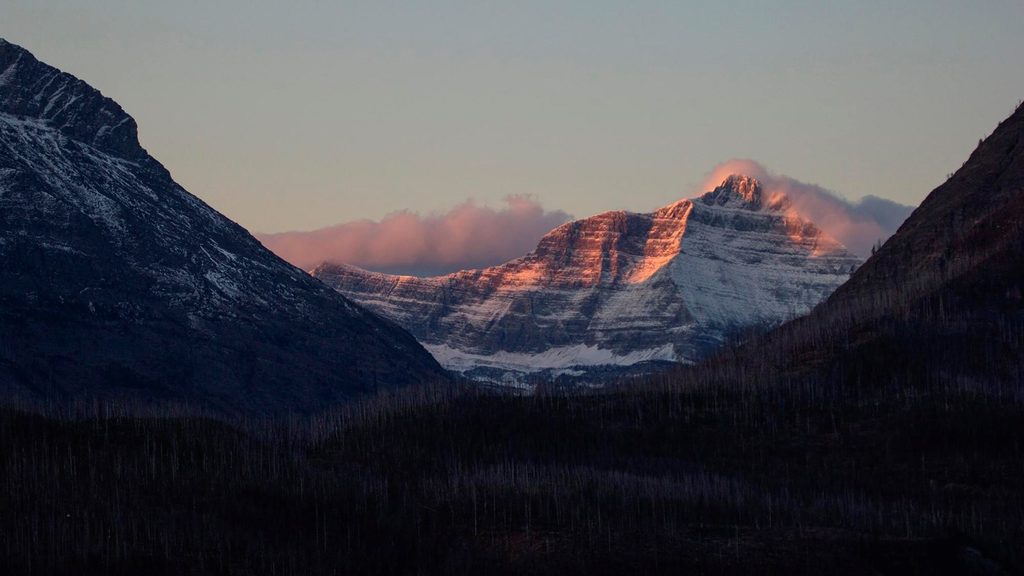
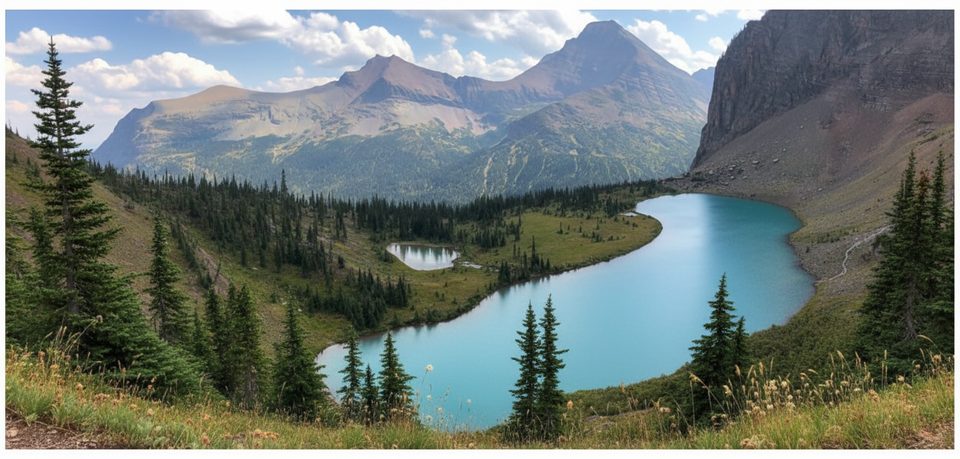
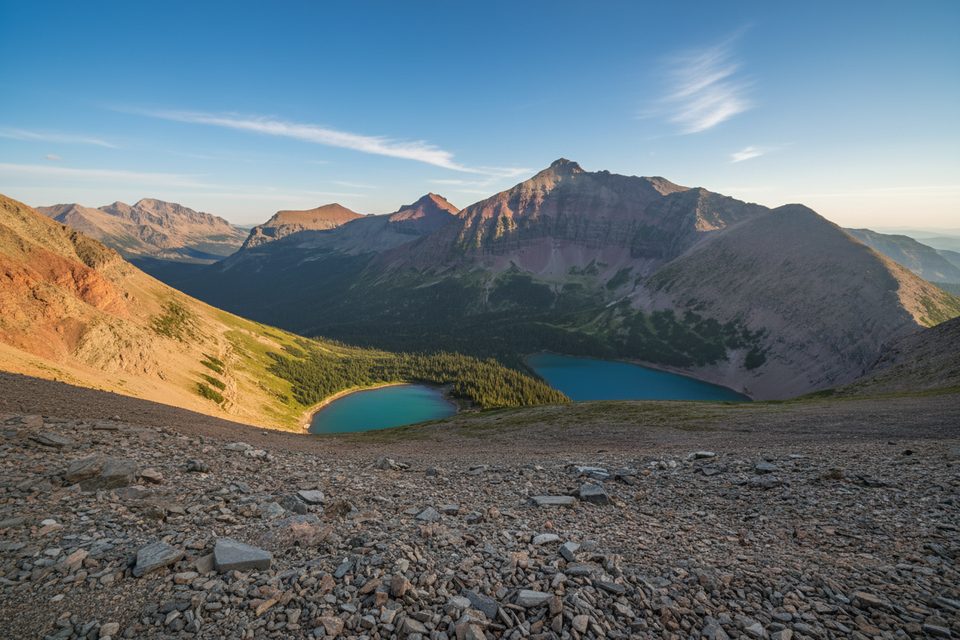
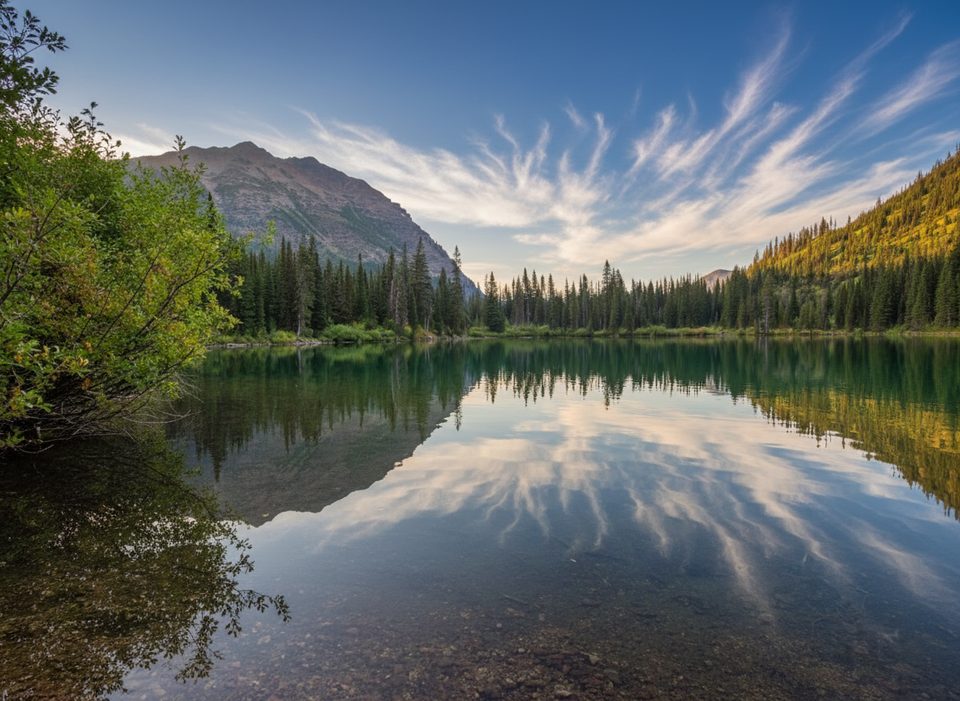
Morning Star Lake is a small, scenic tarn tucked in a glacial valley on the park’s quiet Cut Bank side. Sheer cliffs rise to the west, giving the shoreline a cathedral-like feel. Most people reach it as a day hike, but the backcountry campsite at the lake makes it a sweet overnight for backpackers.
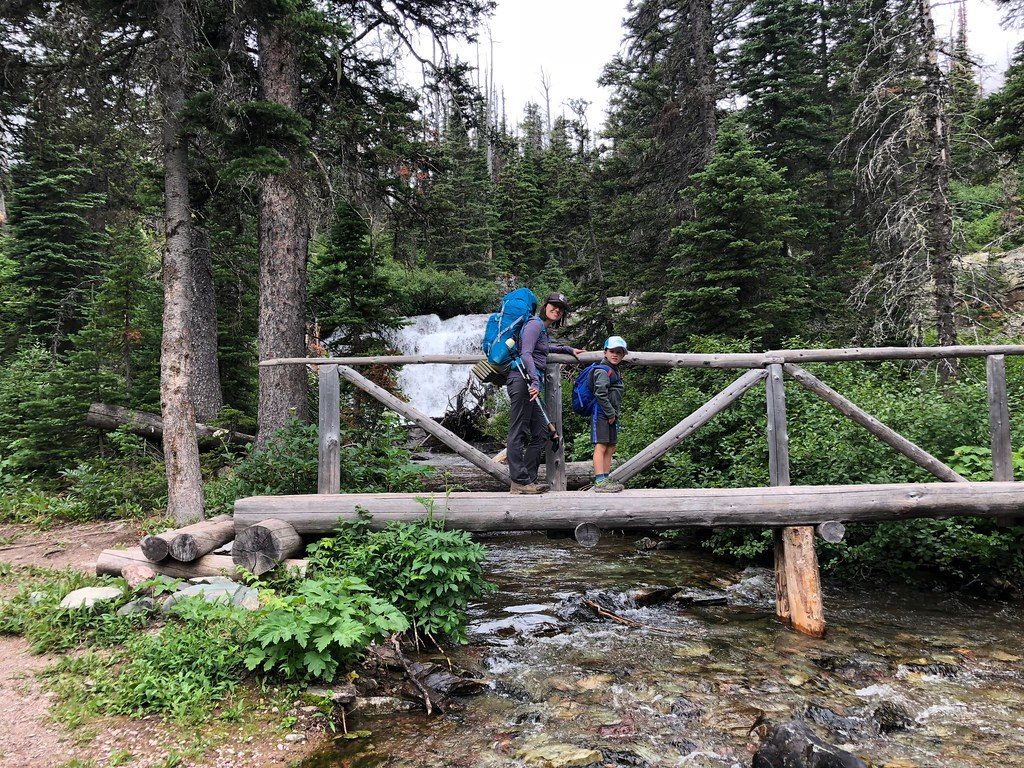
You’ll start from the Pitamakan Pass Trail near the historic Cut Bank Ranger Station. Expect an out-and-back of roughly 13–14 miles round trip with about 1,000 feet of total gain. The path begins through meadow and enters conifer forest, often following the North Fork Cut Bank Creek. Signage can be sparse in spots and the tread can be brushy, with several small stream crossings. Cell service is unreliable—download an offline map.
The approach mixes meadows, lodgepole and fir forest, and creek views, with peaks like Medicine Grizzly, Mount James, and Flinsch looming above. Atlantic Falls sits near a major junction around four miles in and is worth the quick detour. Near the lake, the grade steepens briefly before dropping to the shore and the campground at the head of the lake.
This is prime grizzly country—people commonly note fresh bear sign. Moose, summer wildflowers, and birds are regular sightings, and you may spot mountain goats high on the red cliffs above the basin. Make noise, hike in a group when possible, and carry bear spray.
There’s a designated backcountry campground at Morning Star Lake (typically three sites), primarily used by backpackers traveling between Cut Bank and Two Medicine. Reservations/permits are required, and the camp has the usual wilderness setup (including a pit toilet). Atlantic Creek Campground sits a short spur off the main route near Atlantic Falls if you’re building a multi-day itinerary.
Cut Bank is accessed via a gravel road; parking is limited (think a handful of vehicles), and it can fill on busy weekends even though this side of the park sees lighter use. Parts of the access road cross Blackfeet Reservation; a tribal recreation permit is required to leave the road corridor.
Snow can linger into June or even July; this is not a winter outing. East-side winds and fast-moving storms are common—pack layers and a rain shell. The trail is mostly packed dirt with some rocky, brushy stretches and shared stock use.
Late June through September has the best odds for clear trail conditions. Start early or come on weekdays for easier parking and more solitude. If you have gas in the tank, continuing beyond the lake toward Pitamakan Lake makes for a bigger, steeper day with expanding views.
Place · 0.5 mi away
Place · 2.1 mi away
Place · 2.2 mi away
Place · 3.5 mi away
Moderate · 5.4 mi away
Challenging · 5.4 mi away
Challenging · 5.4 mi away
Moderate · 5.4 mi away

Parkwolf Tour Guide
