
Place · 2.8 mi away
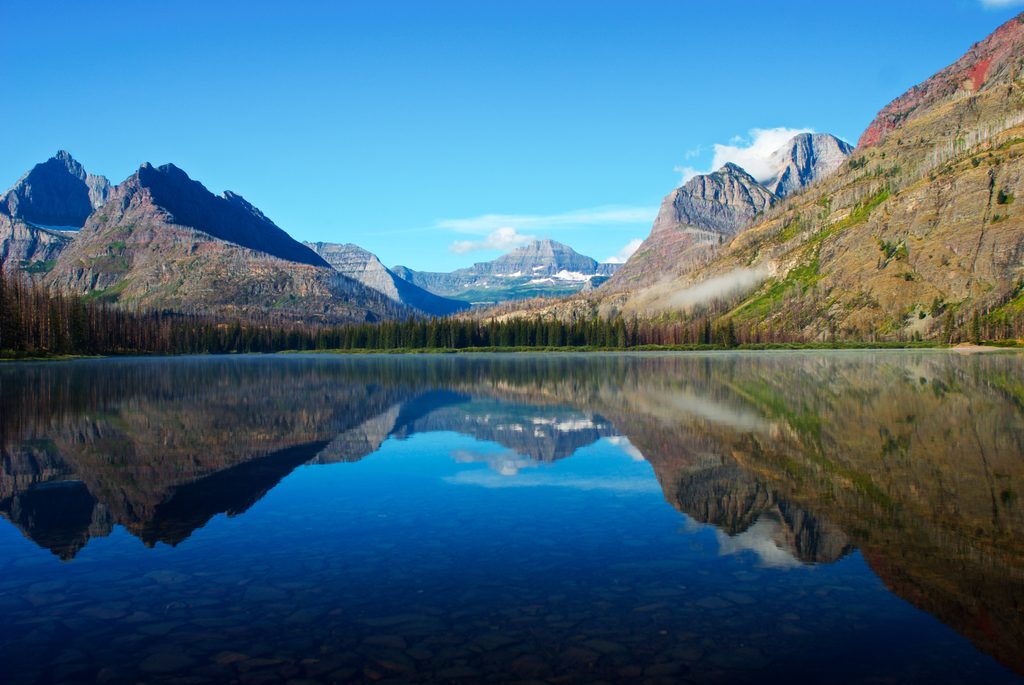
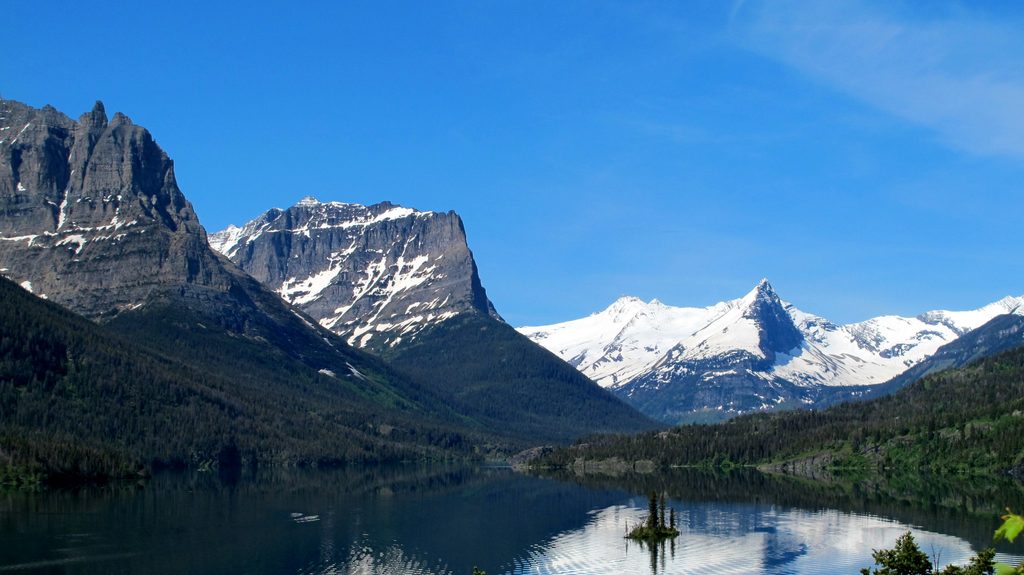
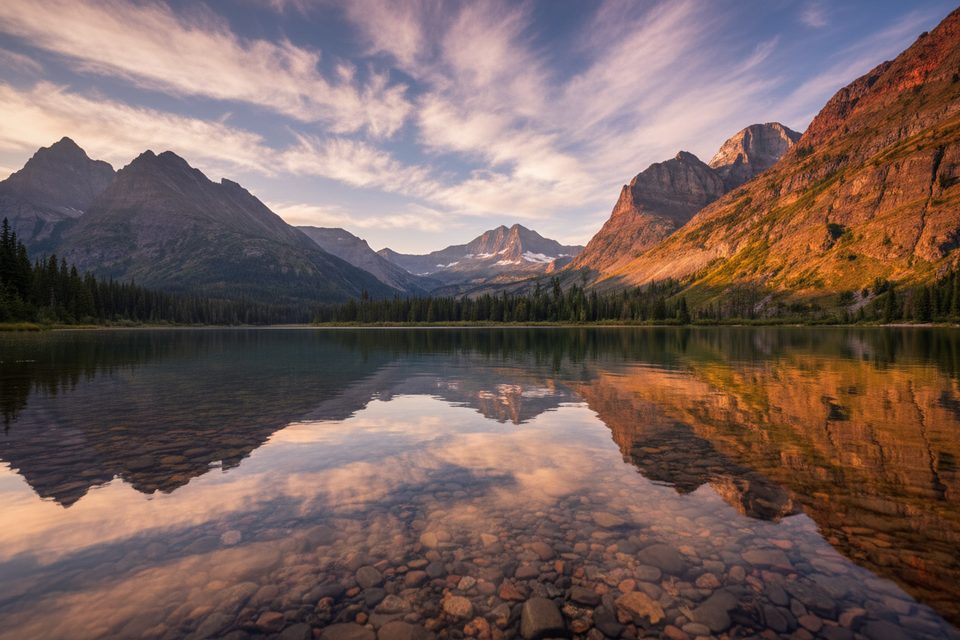
Red Eagle Lake sits in a classic glacial basin framed by big east‑side views. It’s a quieter corner of the park once you’re past the popular waterfalls and lakeshore, and it rewards the effort with peaceful water, mountain backdrops, and excellent chances to see moose.
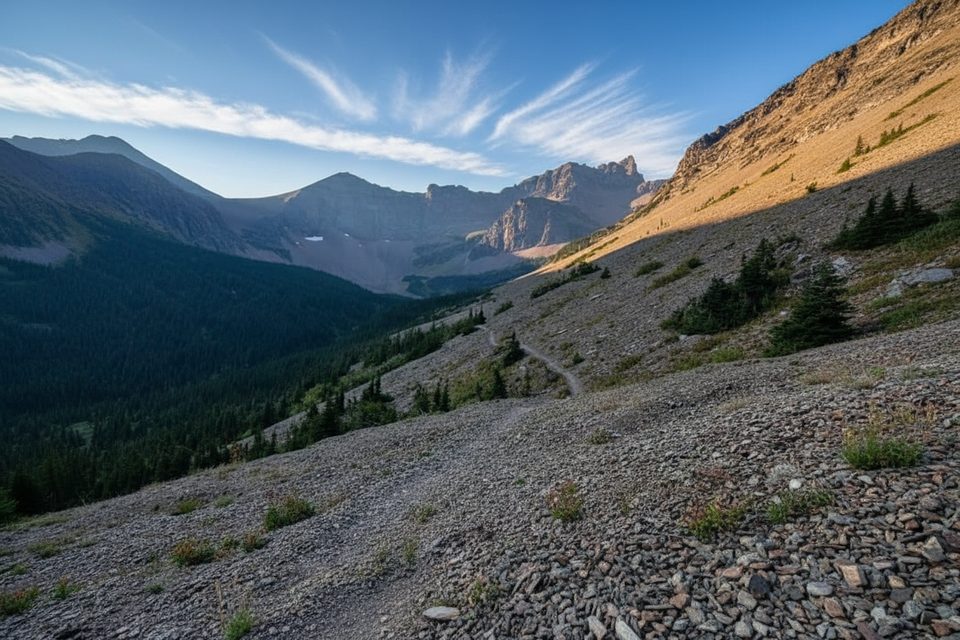
Expect a real day out. Approaches vary by route and can run roughly 18–21 miles round trip if you’re doing it as a day hike, which is why many visitors turn it into an overnight to the Foot or Head campgrounds. The path works through meadows and alternating evergreen/aspen forest, crosses Red Eagle Creek on a swinging bridge, and winds through burn scars that open up long valley views. In spring and early summer, the wildflowers put on a show, and there’s a scenic overlook before you drop to the lake’s shore.
Brush can be tall and narrow in spots, especially past the waterfalls corridor—expect wet legs after rain or morning dew, and that occasional “bushwhacky” feel. Start early and plan your pace so you’re not hiking after dark.
There are two designated backcountry campgrounds: Foot of Red Eagle Lake and Head of Red Eagle Lake. Both are primitive and have pit toilets. You’ll need a valid backcountry permit, and you should use the provided toilets and follow all food‑storage rules. Don’t expect services—this is true wilderness camping.
This basin is known for wildlife. Moose are often seen near the head of the lake, and you’ll hear and see a variety of birds—warblers, woodpeckers, hawks, waterfowl, and wrens. Bears (both black and grizzly) do roam the area, so carry bear spray, make noise in dense cover, and keep a clean camp.
Red Eagle Lake fills a rock basin carved by long‑gone ice. A resistant limestone ledge helps “hold” the lake at its outlet, part of the older rocks thrust over younger ones along the Lewis overthrust—one of the big geologic stories that shaped this side of the park. As you approach, you’ll see the ice‑sculpted hallmarks: U‑shaped valleys, hanging side valleys, and sharp ridgelines.
Historically, this area was prized for cutthroat trout. If you plan to fish, be sure you’re familiar with current park regulations before wetting a line.
Late spring through early fall is prime. Weekdays see fewer people once you’re beyond the waterfall crowds. Mornings are best for wildlife activity and calmer water for photos; late‑day light warms the peaks. Early and late season can bring lingering snow at higher passes and chilly nights.
Place · 2.8 mi away
Place · 2.8 mi away
Place · 2.8 mi away
Place · 3.2 mi away
Challenging · 2.8 mi away
Challenging · 3.3 mi away
Easy · 3.7 mi away
Easy · 4.4 mi away

Parkwolf Tour Guide
