
Place · 0.8 mi away
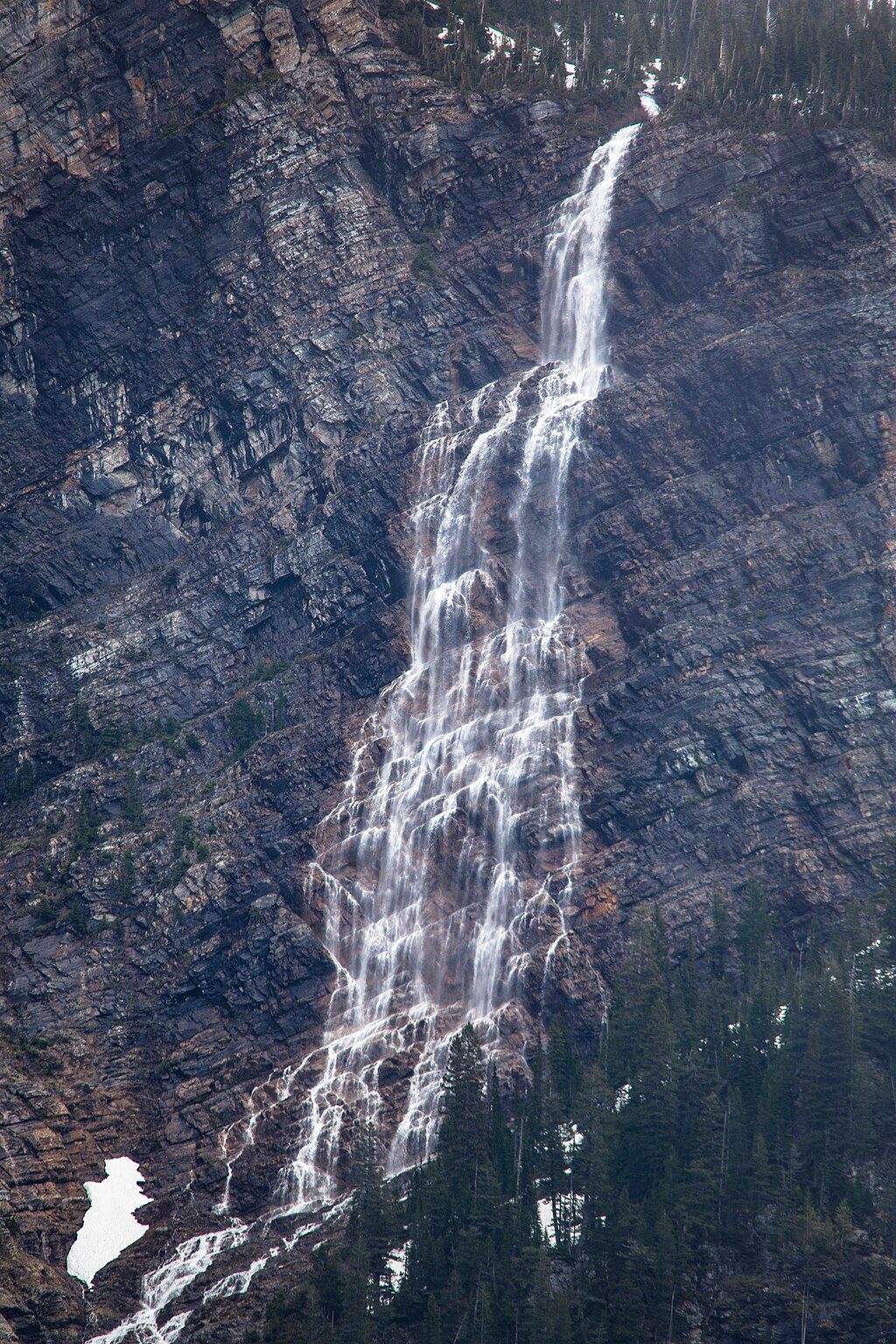
Monument Falls is a slender, multi-segment cascade fed by Sperry Glacier, dropping roughly 170–215 feet into the amphitheater at the head of Avalanche Lake. It’s beautiful, moody, and a bit elusive—most of the drop is partly obscured from the standard lakeshore viewpoints, which keeps it feeling wild even on a popular hike.
Reach the falls area via the Avalanche Lake Trail (accessed from the Trail of the Cedars). The hike is about 5.9 miles round-trip with around 750 feet of gain and typically takes 2–3 hours without off-trail detours. You’ll see multiple headwall waterfalls across the lake; Monument Falls is one of the slimmer ribbons on the northern inlet below the higher cliff bands. Restrooms are available near the trail start and close to the lake, but there are no facilities at the falls themselves. Parking fills early; consider arriving first thing or using the park shuttle when it’s operating. No dogs are allowed on park trails.
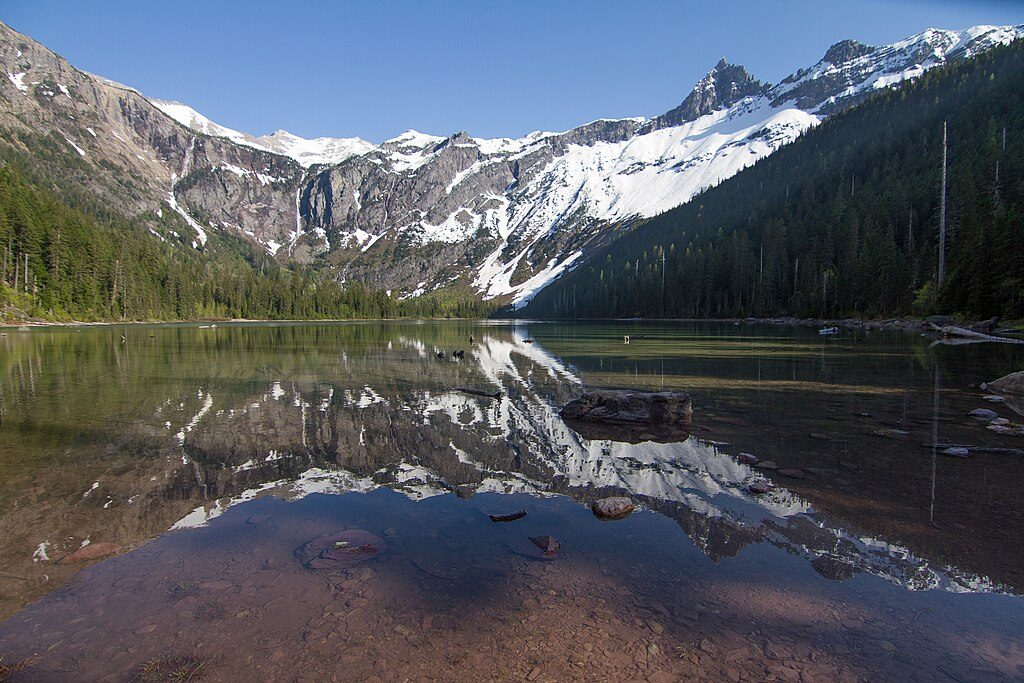
From the lakeshore, you get a grand panorama of Avalanche Lake’s cirque and several seasonal cascades pouring off the headwall. Monument Falls is a narrow horsetail-style drop fed by glacier melt, its volume changing with temperature and season. Telephoto lenses help isolate it from across the water.
Reaching the base requires leaving established paths to bushwhack through brush and slick rocks, and may involve stream crossings. That’s unofficial and can be hazardous—most visitors are happier (and safer) savoring the distant view from the lakeshore.
Because it’s glacier- and snowmelt-fed, flow is best from late spring through mid-summer, then generally tapers later in the season. Main hiking season typically runs June–September, depending on snow and broader park access.
Bring a telephoto to pick out Monument Falls among the broader headwall scene. Morning light often fronts the falls nicely, while overcast days cut glare and keep the whitewater from blowing out.
Expect cold, swift, glacial water—don’t swim near the falls. This is prime bear country; carry bear spray, give wildlife plenty of space, and check current trail status and any advisories before you go.
Avalanche Lake’s cirque—and the cliff bands that host Monument Falls—were sculpted by glaciation over the last two million years. The stream feeding the falls originates on Sperry Glacier, one of the park’s remaining alpine glaciers, a reminder that Glacier’s modern landscape is still being shaped by ice and meltwater.
Place · 0.8 mi away
Place · 1.2 mi away
Place · 1.9 mi away
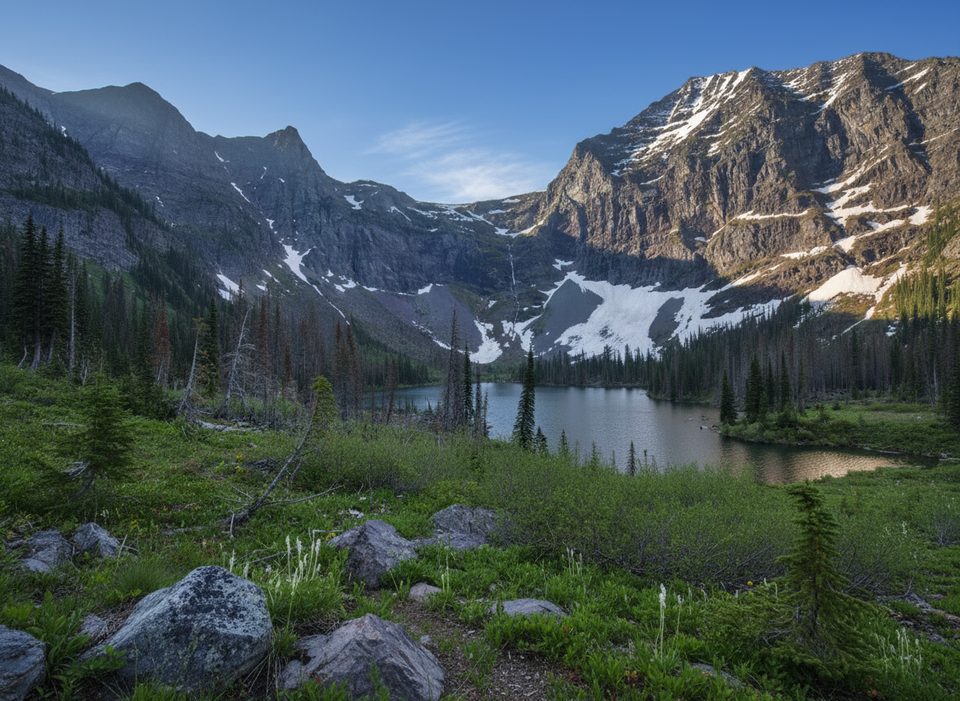
Place · 2.1 mi away
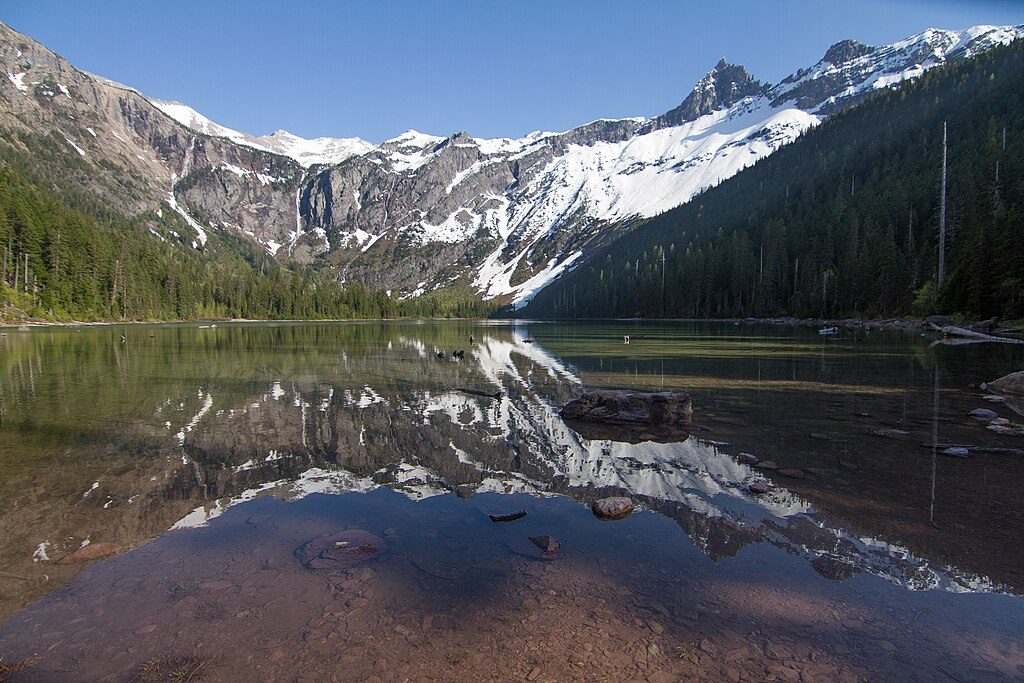
Moderate · 2.6 mi away
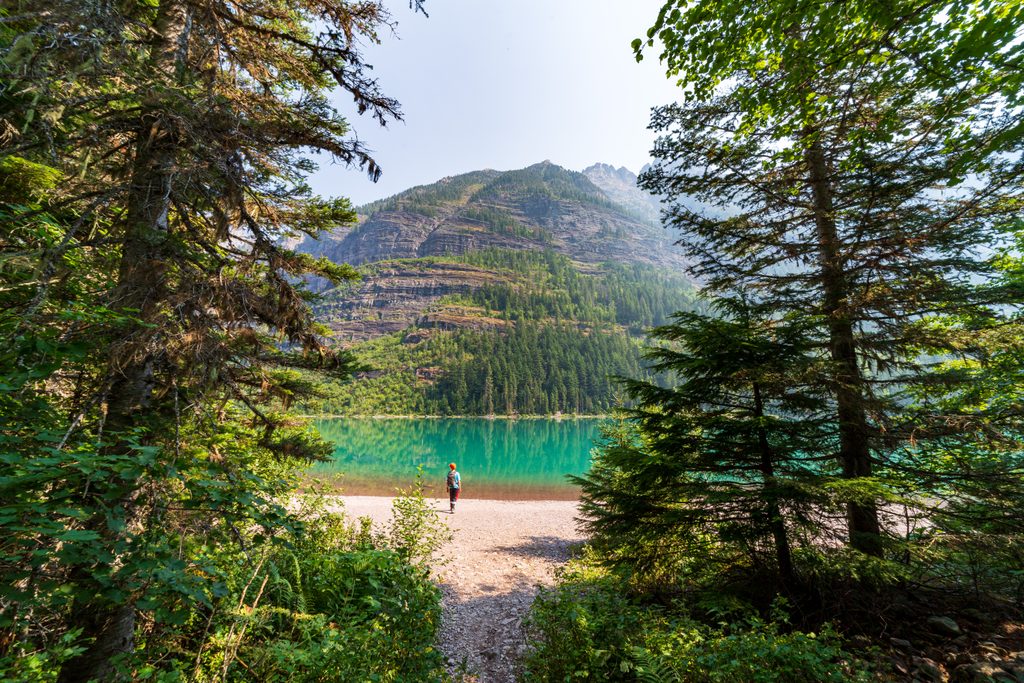
Moderate · 3 mi away
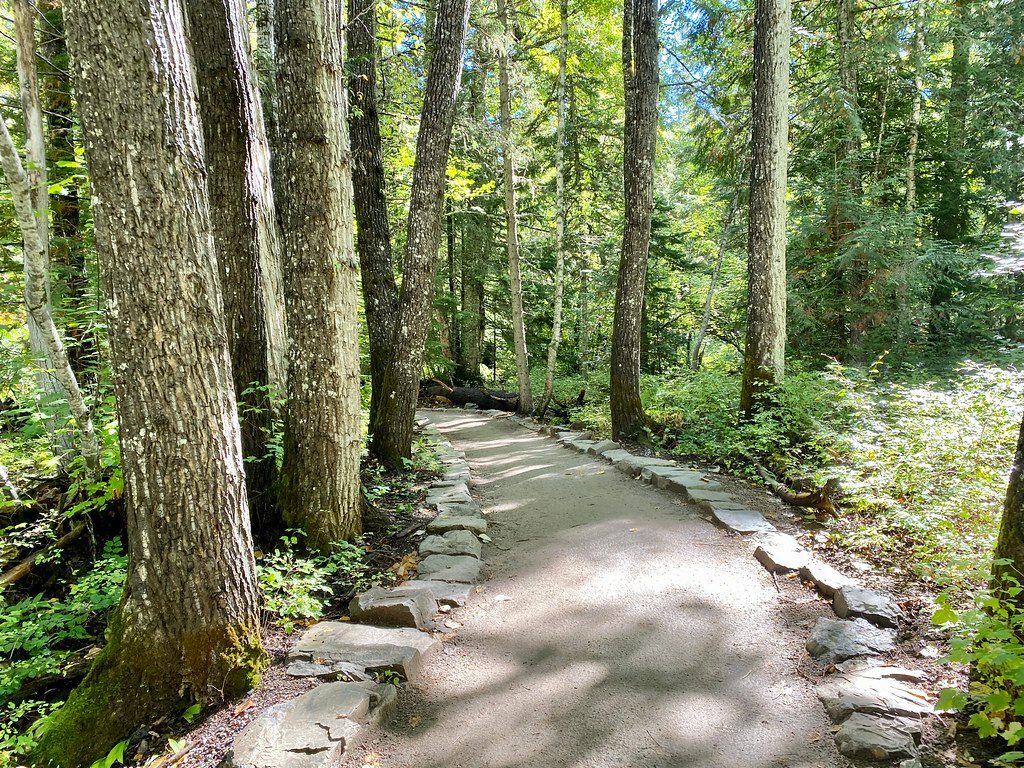
Easy · 3 mi away
Challenging · 3.1 mi away

Parkwolf Tour Guide
