Overview
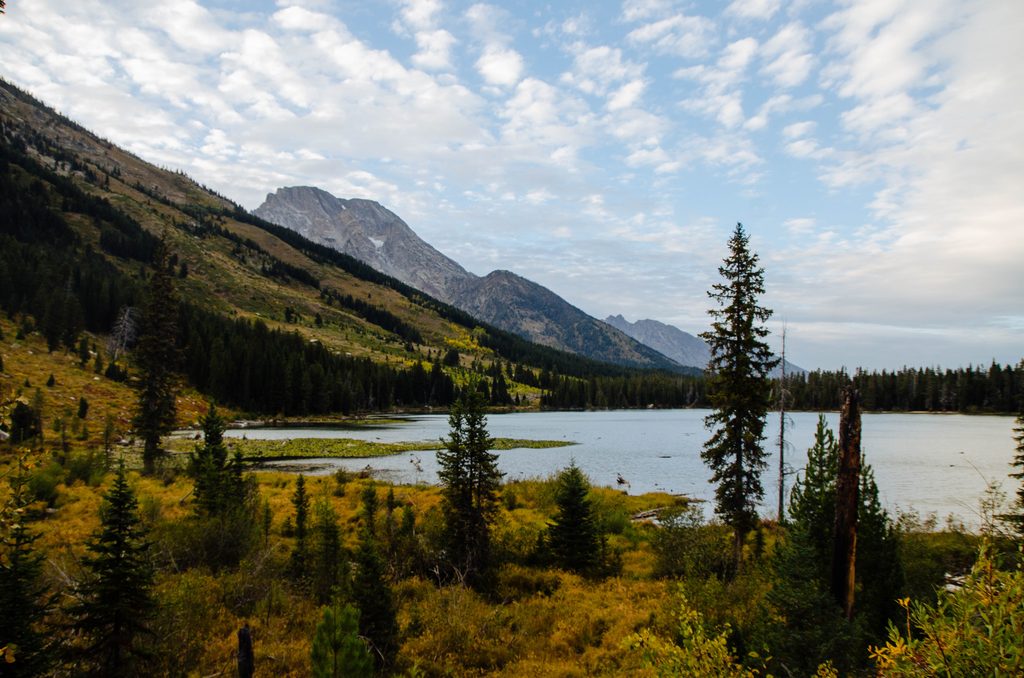
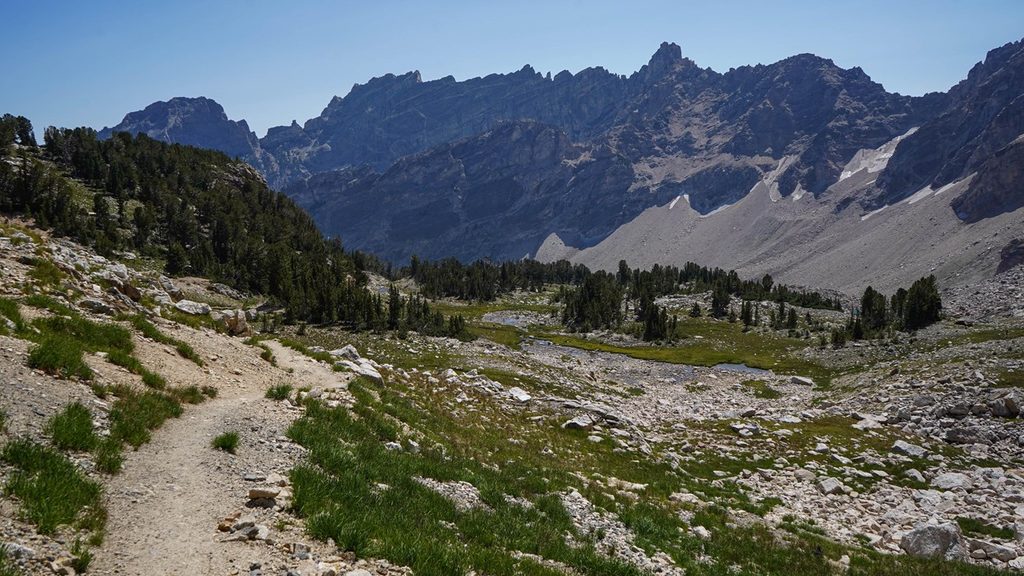
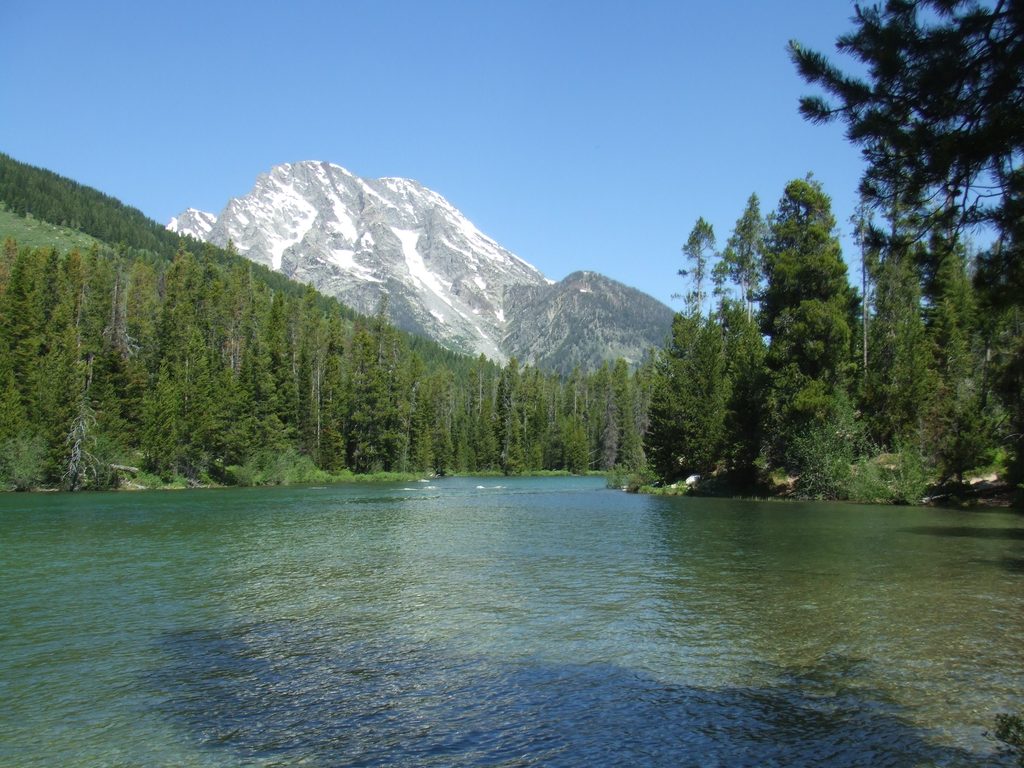
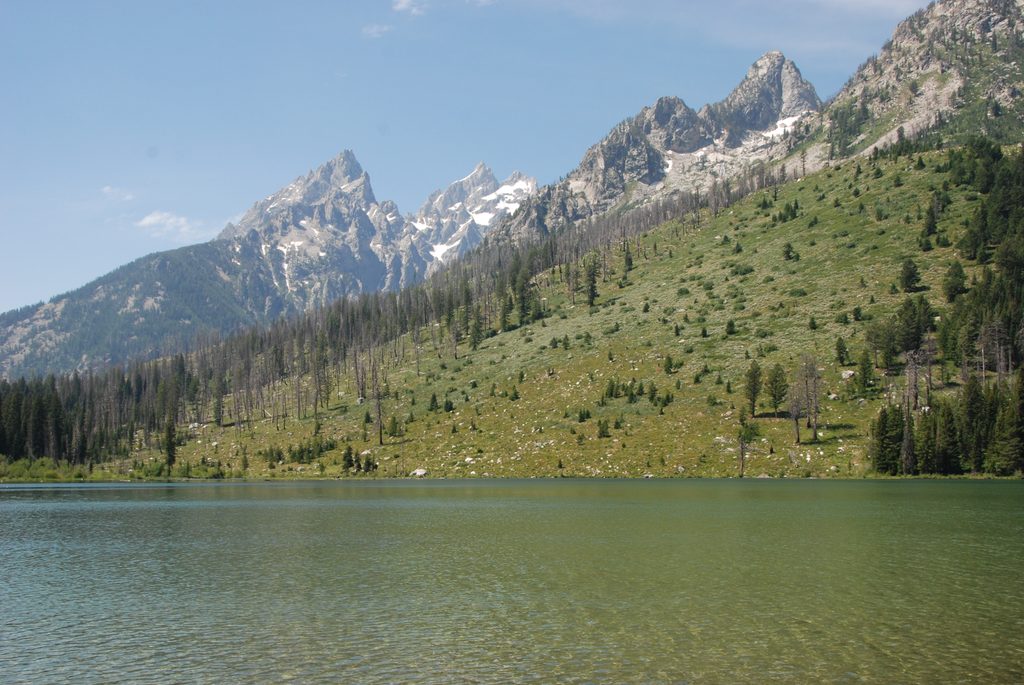
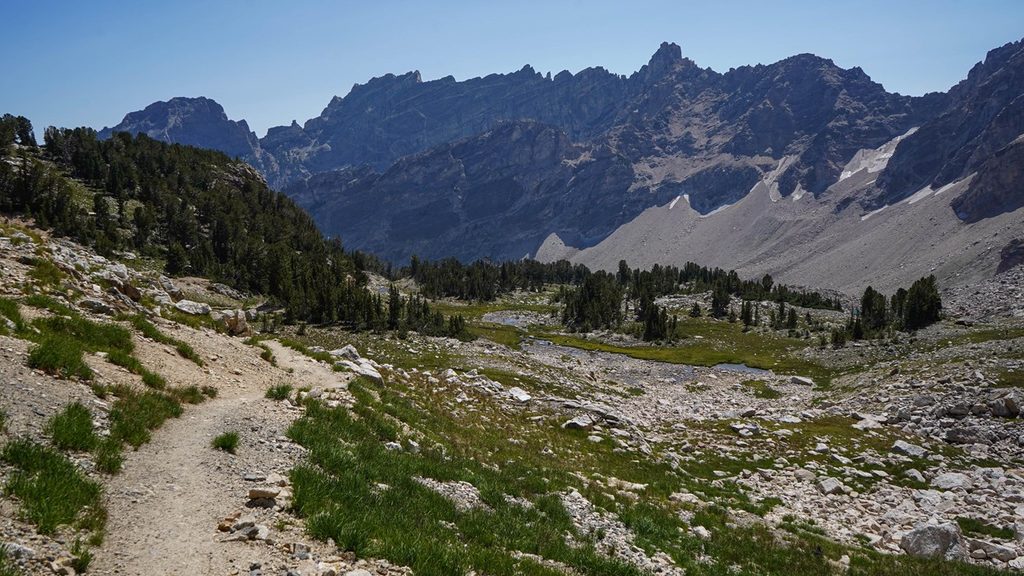
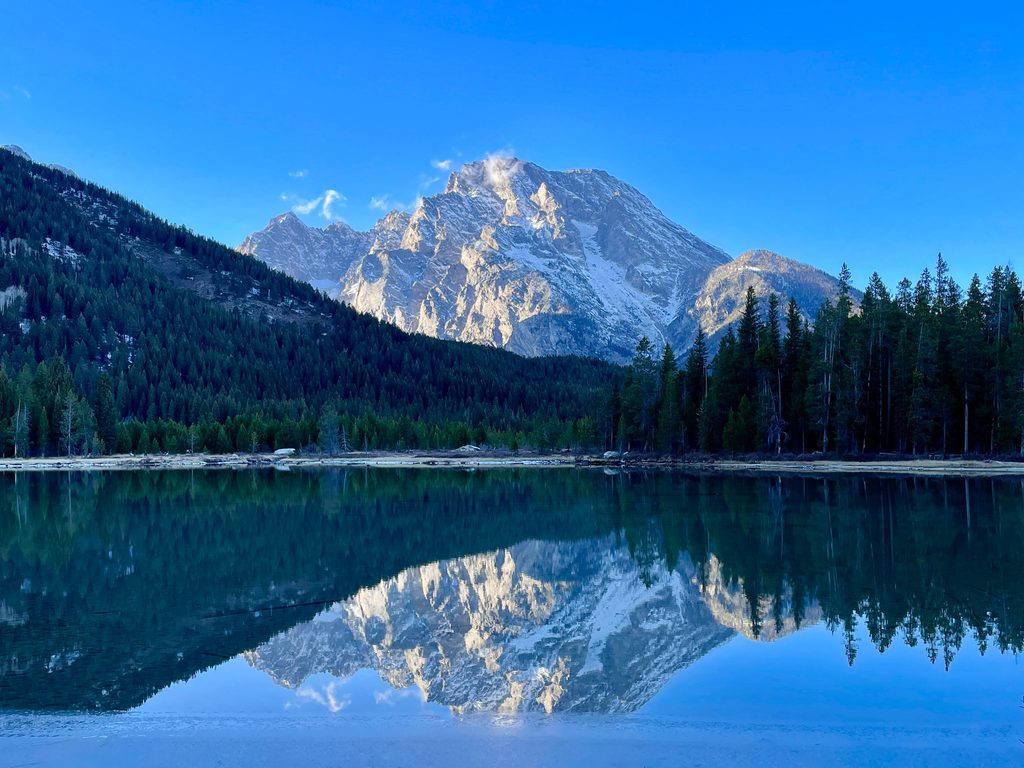
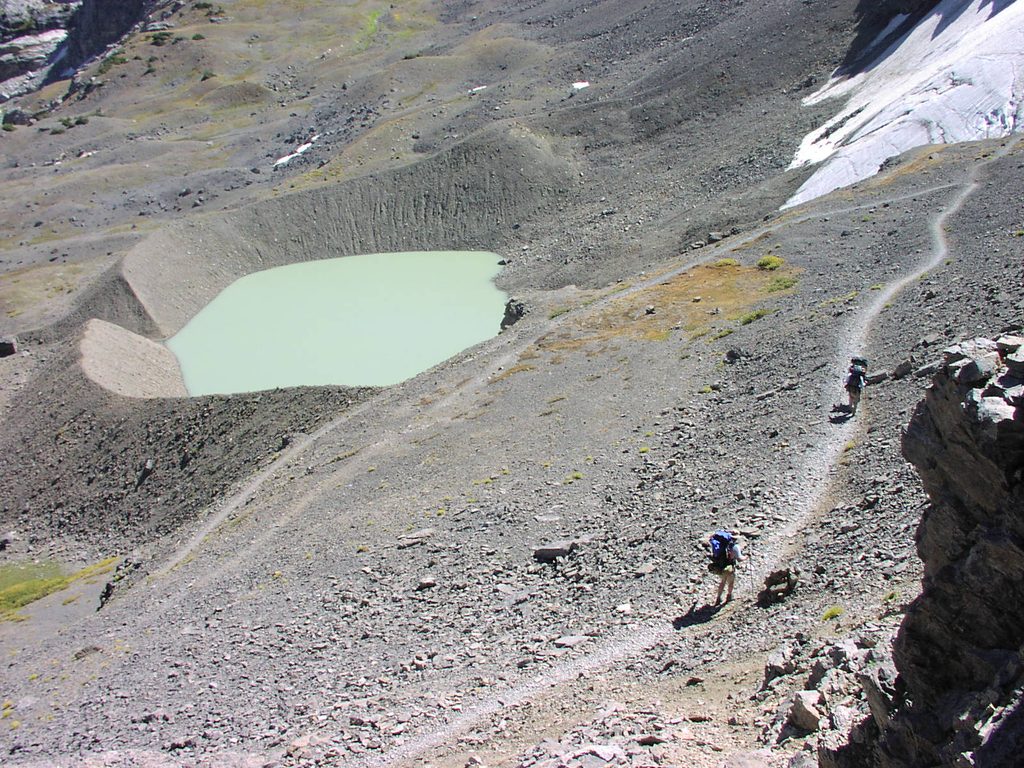
Paintbrush Canyon is Grand Teton’s classic big-mountain canyon: forest and wildflowers down low, boulder fields and an alpine lake mid-way, then a lung-busting climb to Paintbrush Divide for sweeping Teton views. The official trail runs from the String/Leigh Lake area up-canyon, and it anchors the famed Paintbrush–Cascade Canyon Loop.
Highlights
- Holly Lake: a serene alpine bowl about halfway up, perfect for a breather or a shorter turnaround.
- Paintbrush Divide: a high pass around 10,700 feet with panoramas across the range and toward Lake Solitude on the far side.
- Variety on one hike: shady forest, meadows bursting with wildflowers in mid–late summer, creeks and waterfalls, then high, rocky terrain.
Route Options and Difficulty
- Out-and-back to the Divide: roughly 16 miles round trip—steep, sustained climbing and very strenuous.
- Paintbrush–Cascade Canyon Loop: about 19–20.5 miles with roughly 3,800–4,500 feet of gain. It’s a full, challenging day (or an overnight) that strings together Paintbrush Divide, Lake Solitude, and Cascade Canyon.
Wildlife
Moose are regularly spotted along the loop (especially around Cascade Canyon’s waterways). Black bears frequent the area—carry bear spray, make noise in brushy stretches, and give all wildlife ample space.
Season and Conditions
Best in summer into early fall. High-country snow can persist into July, and early-season crossings near the divide may require traction and poles. Expect intense sun and wind above treeline and be ready for fast-changing weather, including afternoon thunderstorms.
Planning & Logistics
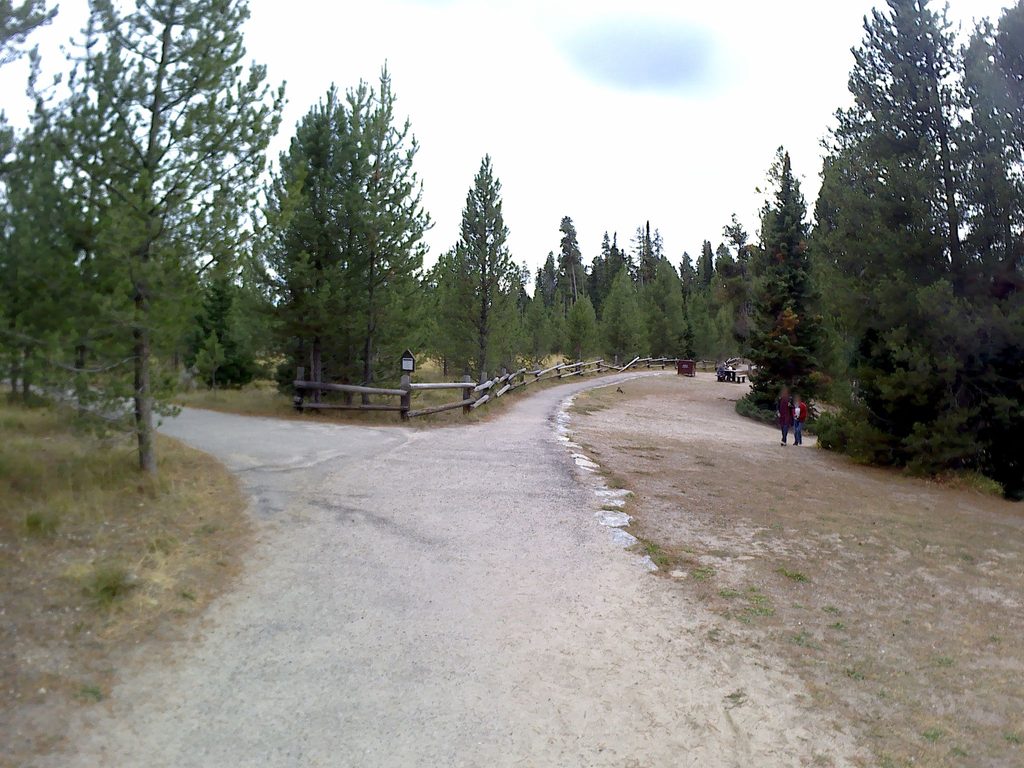
- Access: Start from String Lake or Leigh Lake trailheads; signed routes lead toward Paintbrush Canyon. Trailhead parking and restrooms are available near the lots; there are no services up-canyon.
- Water: Creeks are common but untreated—bring enough capacity and a filter. No potable fill at the trailheads is guaranteed.
- Camping: Primitive, permit-only backcountry zones (e.g., Lower/Upper Paintbrush) exist in the canyon; no developed campground amenities.
- Gear: Trekking poles, ample food and water, layers for wind/rain, sun protection, bear spray, and traction in early/late season.
Best Time to Visit
- Timing: Start at dawn to beat crowds, heat, and storms—and to give yourself the full day this route deserves.
- Days: Midweek is quieter than weekends during peak season.
- Photography: Morning light paints the canyon walls on the ascent; late-day light is lovely from near the divide, but plan your turnaround so you’re not navigating snow or talus in the dark.