Parking
Park at the String and Leigh Lakes Trailhead beside the String Lake Picnic Area. The 12.8-mile route crosses the outlet bridge and follows String Lake’s west shore. Parking capacity and overflow details were not found.
Grand Teton National Park, WY
A full-day climb from String Lake to a high alpine lake.
Overview
Map & elevation
Plan your hike

The highest, rockiest slopes around here are a summer buffet for grizzly bears.
Grand Teton Tour Guide
Parkwolf is a GPS audio tour guide for Grand Teton National Park. As you drive, it chimes in with what’s ahead: hidden gems, upcoming stops, history, geology, and wildlife, right through your car’s speakers.
See the Grand Teton audio tourRecorded for this trailhead
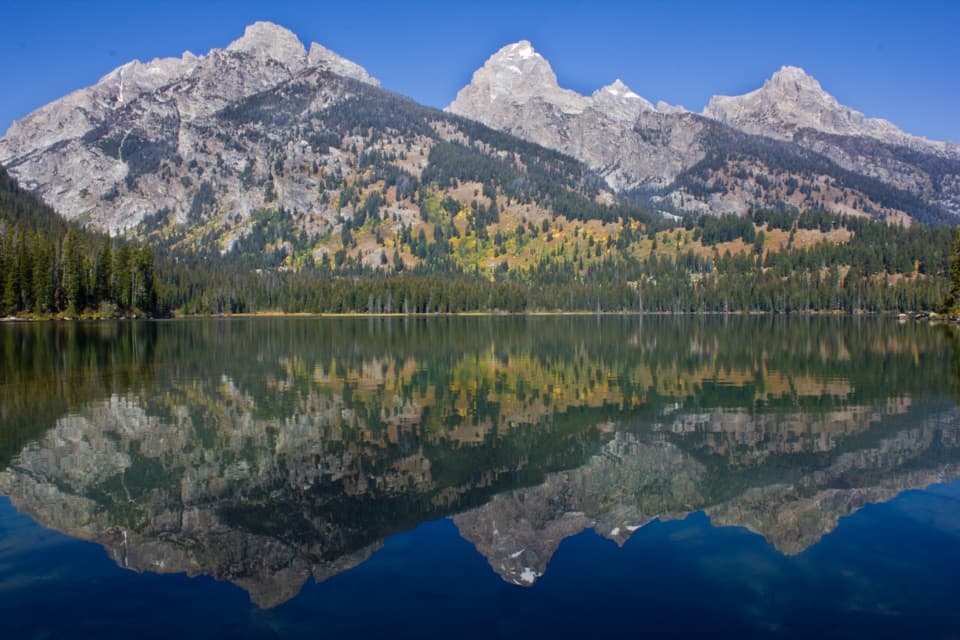
String and Leigh Lakes: Picnic, Paddle or Walk“String Lake is coming up, a good place to stop for a picnic or time on the water beneath the Tetons.”
Plays as you drive up to this trailhead in the Parkwolf Grand Teton Tour Guide.
More stories near here in the app
“…We have been driving around with the audio tour and it has been informational and spot on. The whole family has been impressed. We used it for Yellowstone and Grand Teton.”


Trail guide
The Holly Lake Trail is a strenuous 12.8-mile out-and-back from the String and Leigh Lakes Trailhead, climbing through Paintbrush Canyon to a high alpine lake at about 9,400 feet. Plan on a full day: the park estimates seven to nine hours and 2,840 feet of elevation gain. This is a good pick if you want a long climb with a clear destination; it is a lot of work for a quick lakeside stop.
Cross the bridge over String Lake’s outlet and follow the west shore toward Paintbrush Canyon. That is the approach represented by the 12.8-mile figure. The first few miles are comparatively gradual under dense lodgepole pine, with occasional glimpses of peaks through the trees. A different route around the north and east side of String Lake adds distance, so keep the shoreline approach in mind when comparing mileage.
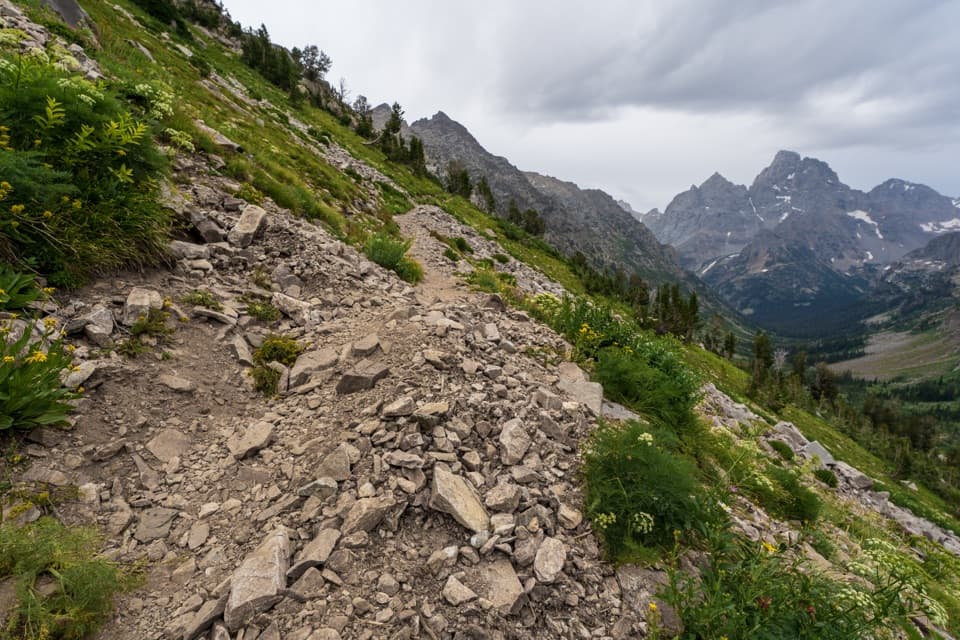
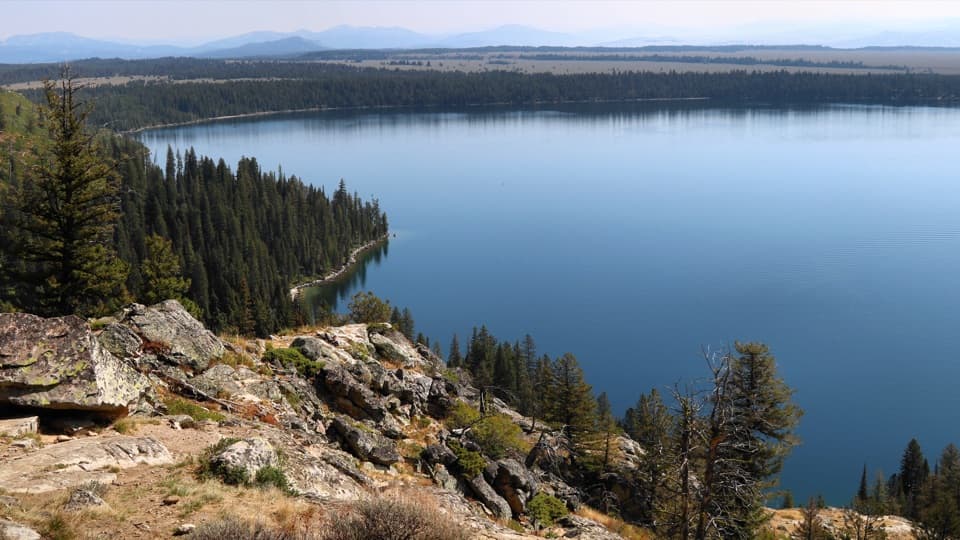
The forest gives way to Lower Paintbrush Canyon, where a rocky ledge looks down toward Paintbrush Creek and the lower camping zone marks the change into open country. The south wall’s banded gneiss is worth a look as you climb. Farther up, the canyon narrows around the creek, then opens again across switchbacks. Expect exposed roots and rocks, bridge and creek crossings, and steep, narrow sections. As the trees thin, views spread back over Leigh Lake and Jackson Lake below.
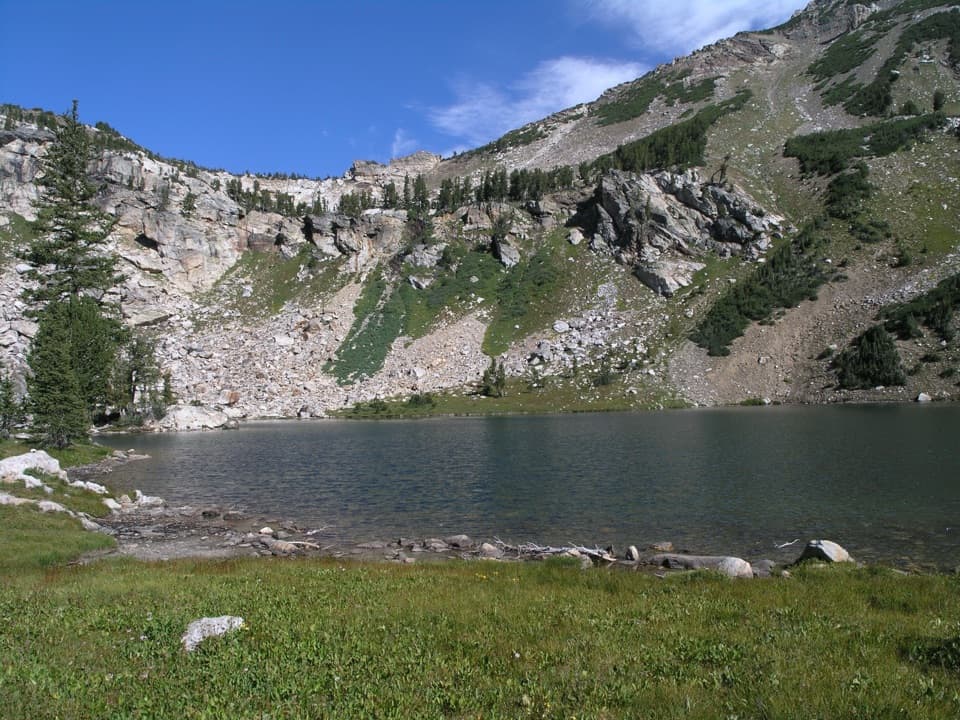
At the upper junction, turn right onto the lake spur; continuing west leads farther up Paintbrush Canyon toward Paintbrush Divide. The final approach is about half a mile. It passes through high alpine trees and alongside a small creek before reaching Holly Lake. The lake sits in a rocky basin below Mount Woodring and The Jaw, with open boulders along the shore. It is a satisfying place to stop after the climb. Keep the shoreline and the enclosing rock walls in the frame if you want a photo that shows the setting, not only the water.
The distance is only part of the effort. The long ascent, rough footing, altitude and narrow sections make this a strenuous hike, even though the lower approach starts gently. The high-country season is short: the park recommends going after snowmelt in summer or before the first fall snow. Do not travel over snow here without prior experience and proper equipment.
The trailhead is at String and Leigh Lakes, beside the String Lake Picnic Area. Day hikes need no reservation or activity permit, but the park entrance fee applies. Pets are not allowed. Overnight backcountry camping requires a permit. No food service is identified at the trailhead or along the route, and the lot’s capacity and overflow are unclear.
Wildlife
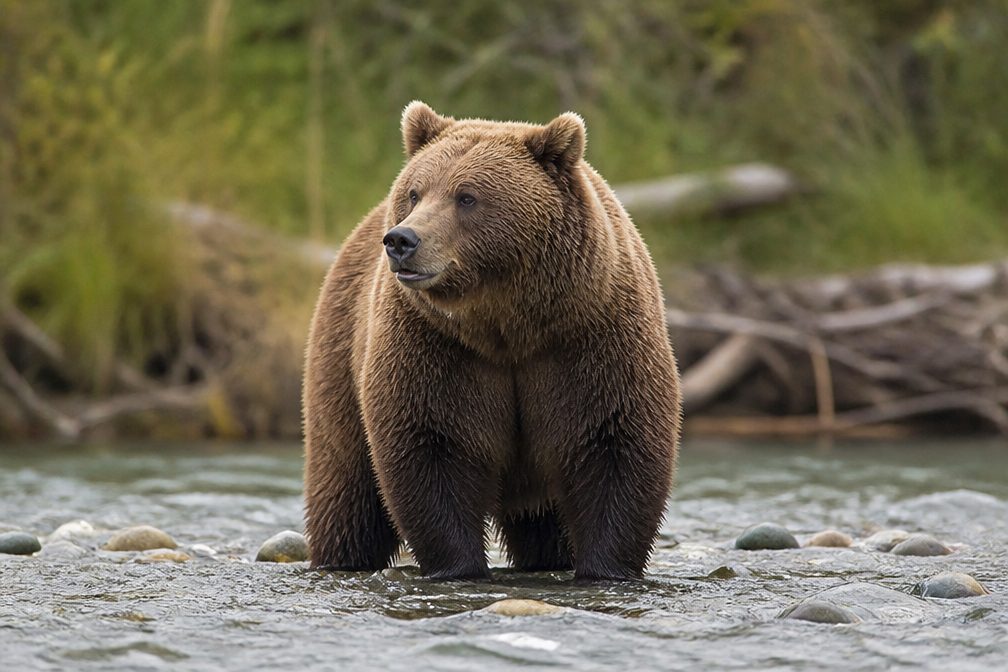 172 sightingsGrizzly BearMost seen around 7 PMSighting map
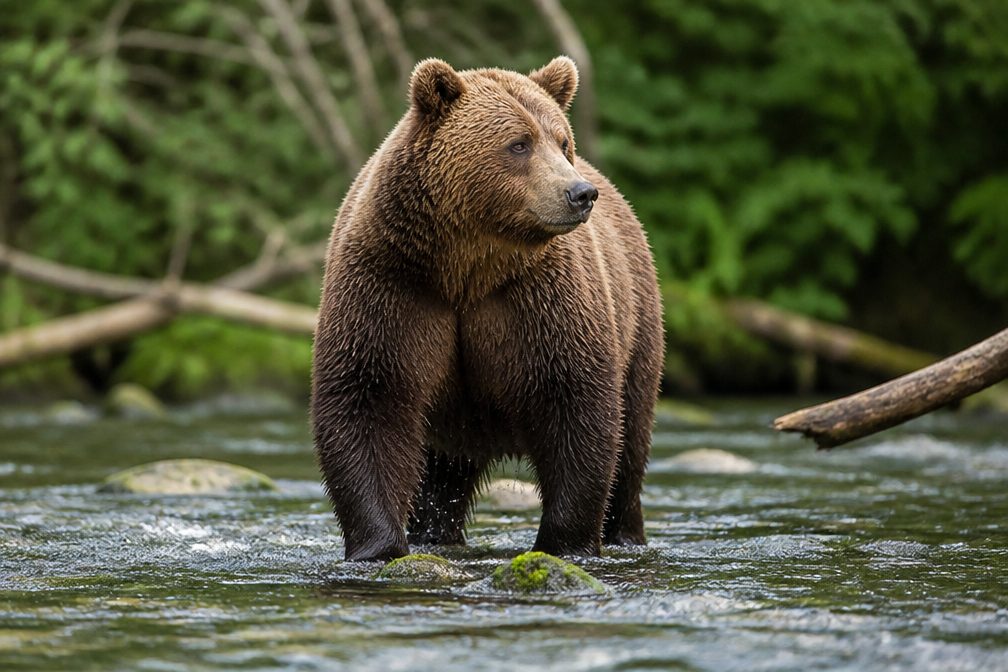 195 sightingsBrown BearMost seen around 6 AMSighting map
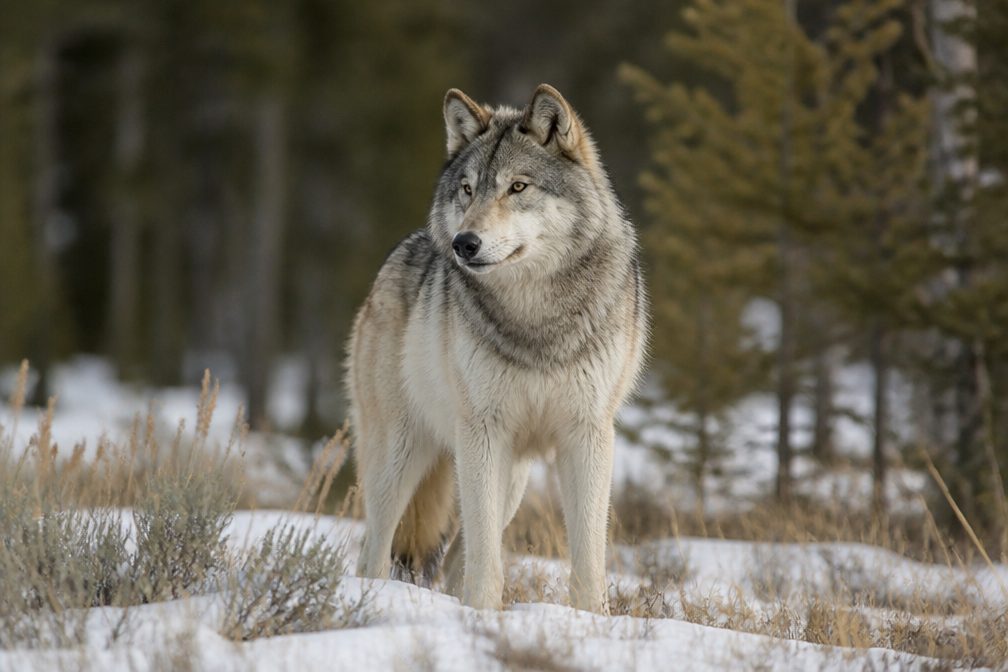 32 sightingsGray WolfMost seen around 7 PMSighting map
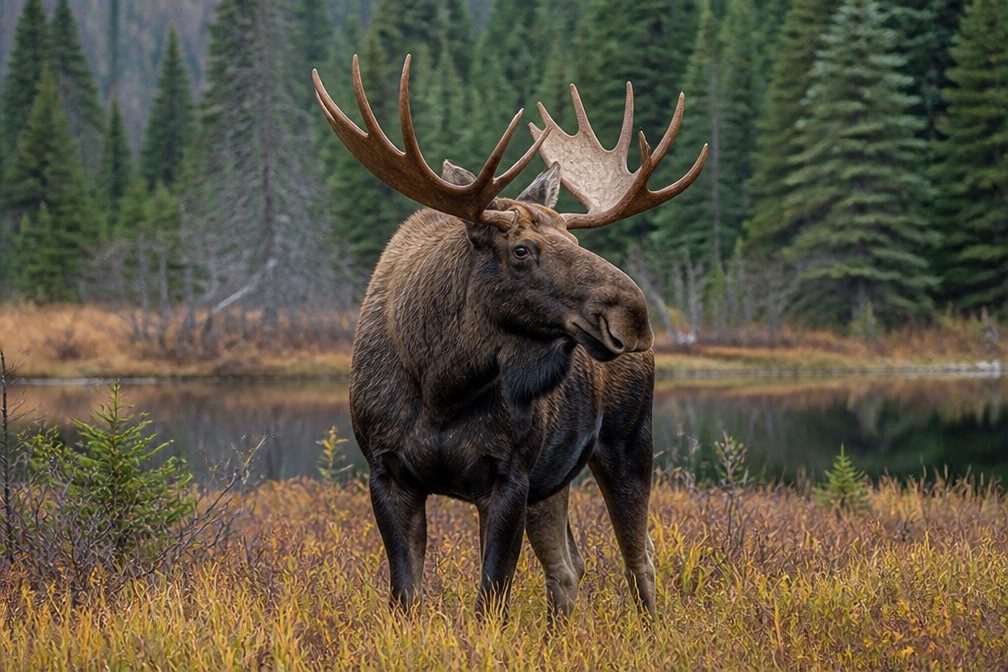 1,816 sightingsMooseMost seen around 7 AMSighting map
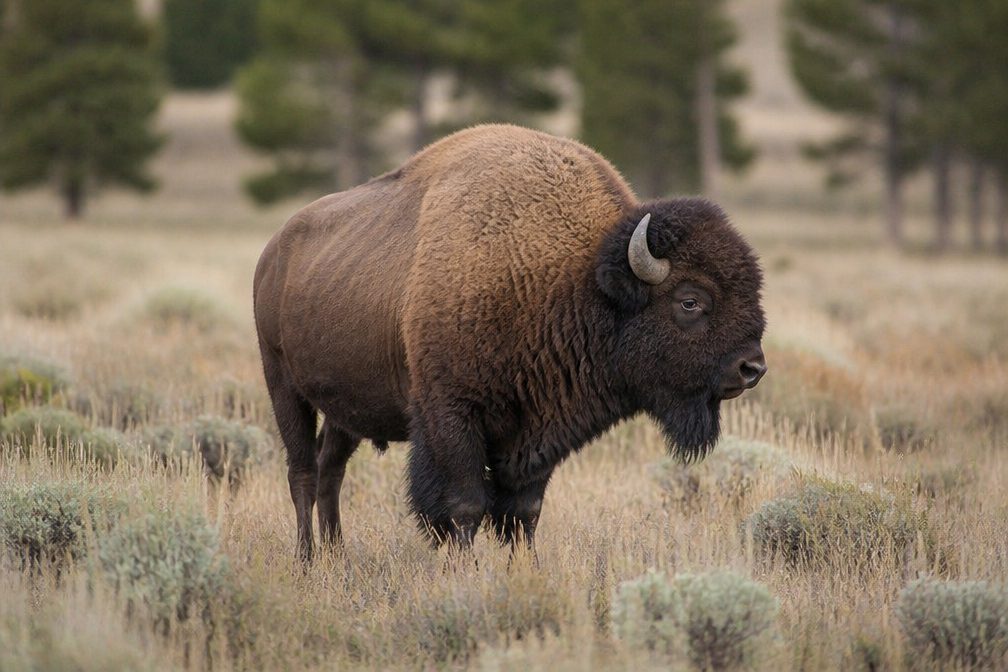 614 sightingsBisonMost seen around 6 AMSighting map
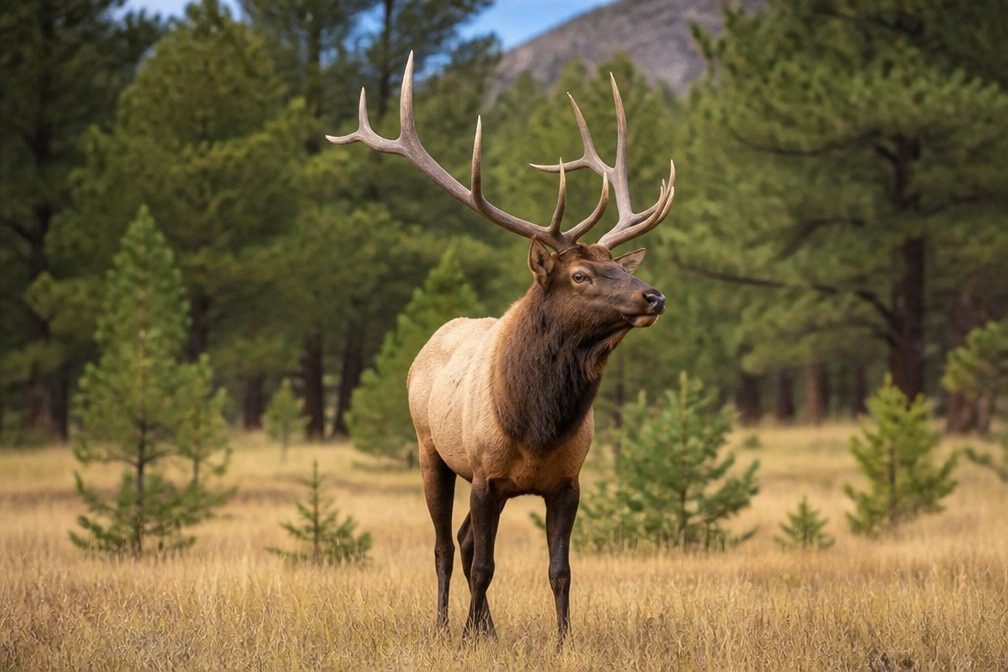 738 sightingsElkMost seen around 7 PMSighting map
Sighting maps show where each species has been reported across Grand Teton. Wildlife moves, so no sighting is guaranteed.
Keep exploring
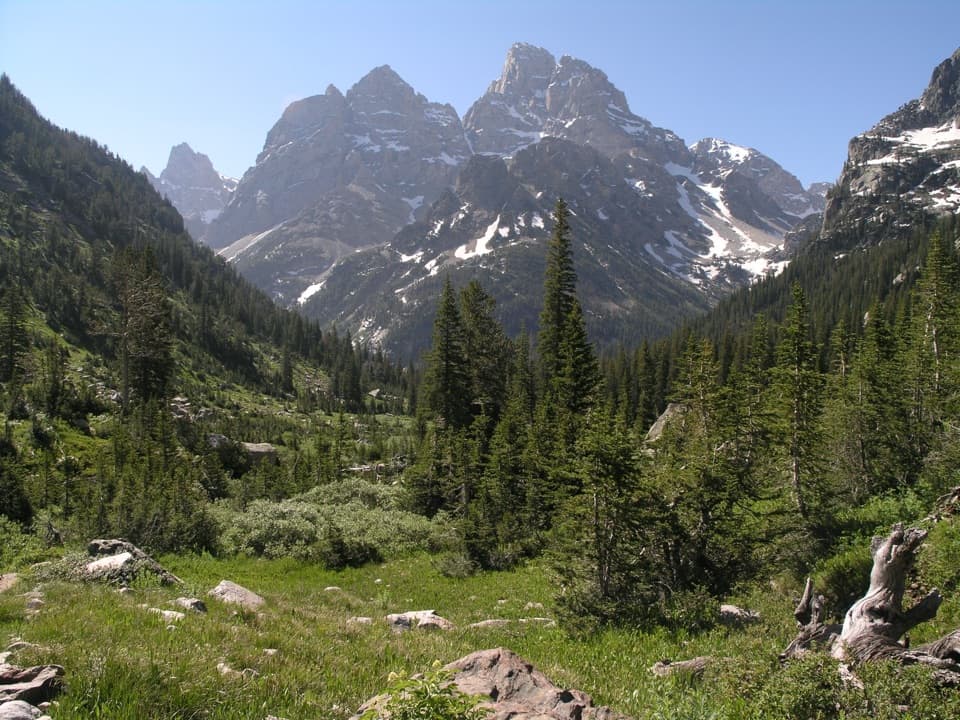 ChallengingPaintbrush Canyon - Cascade Canyon Loop19.9 mi · 12.5 hr · At the trailheadTwo canyons, one high pass, and a long day in the Tetons.
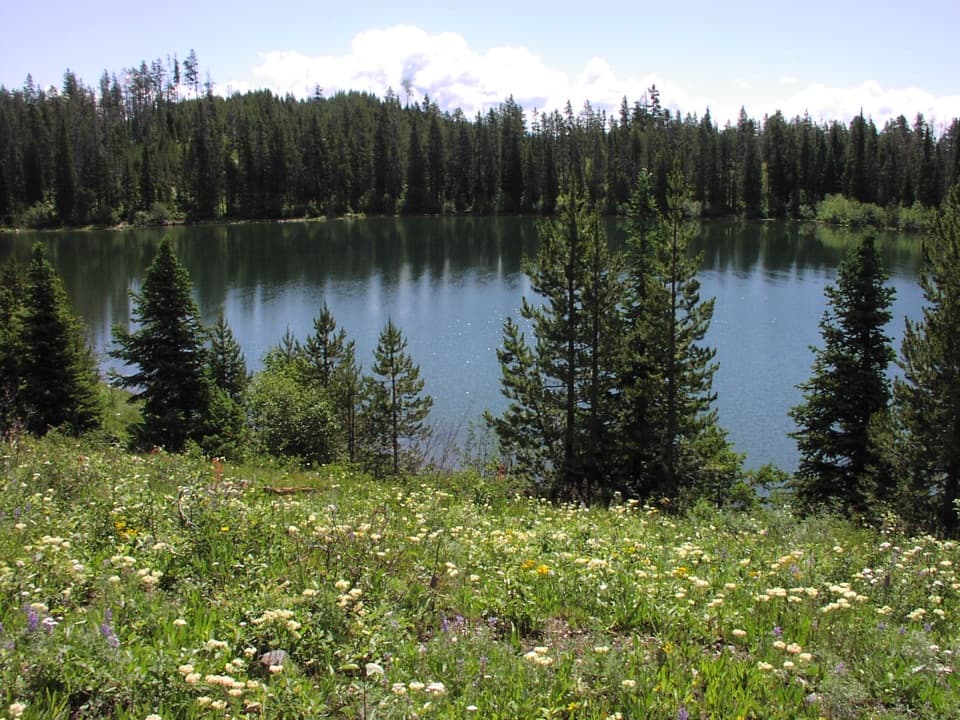 ModerateBearpaw Lake Trail7.8 mi · 4.5 hr · 0.3 mi awayA long forest walk to Bearpaw Lake, with little climbing.
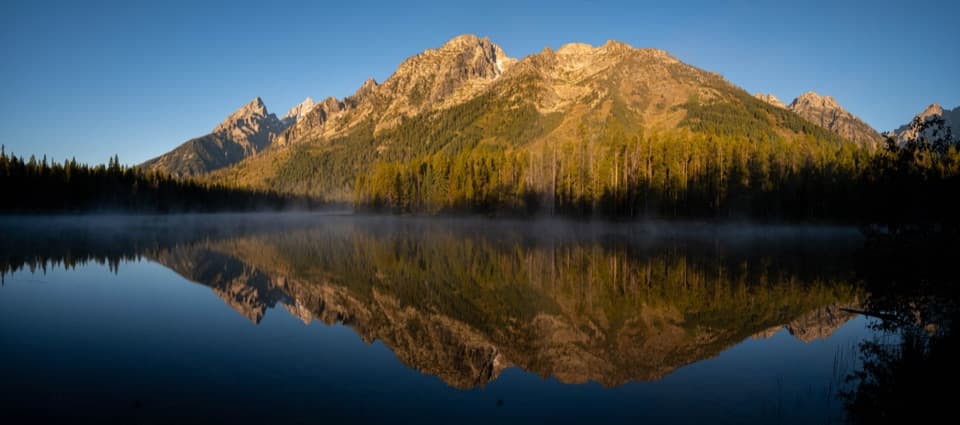 EasyString Lake Loop3.7 mi · 2.5 hr · 0.3 mi awayEasy lake circuit, gentler east shore, climbing west ridge.
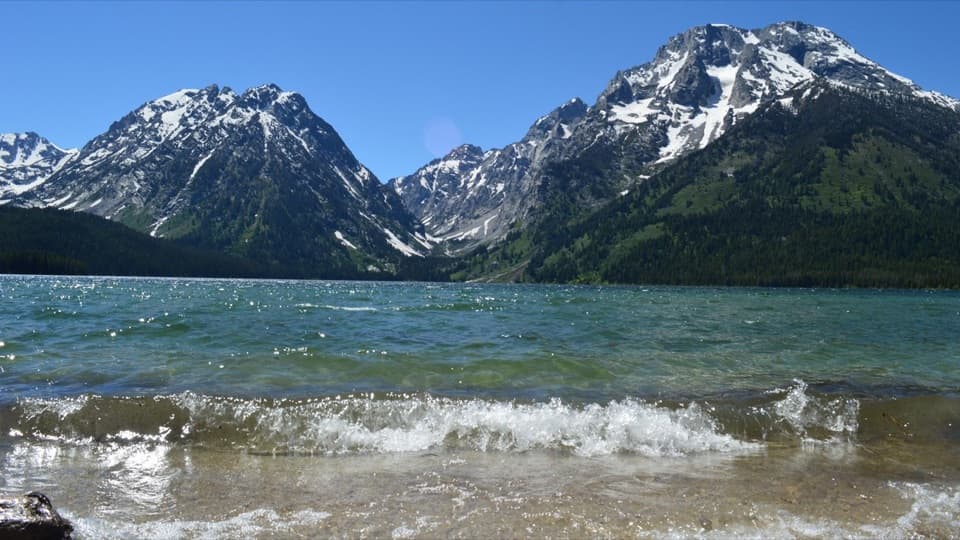 EasyLeigh Lake Trail1.8 mi · 1.5 hr · 0.3 mi awayA short lakeshore walk ends where String meets Leigh.
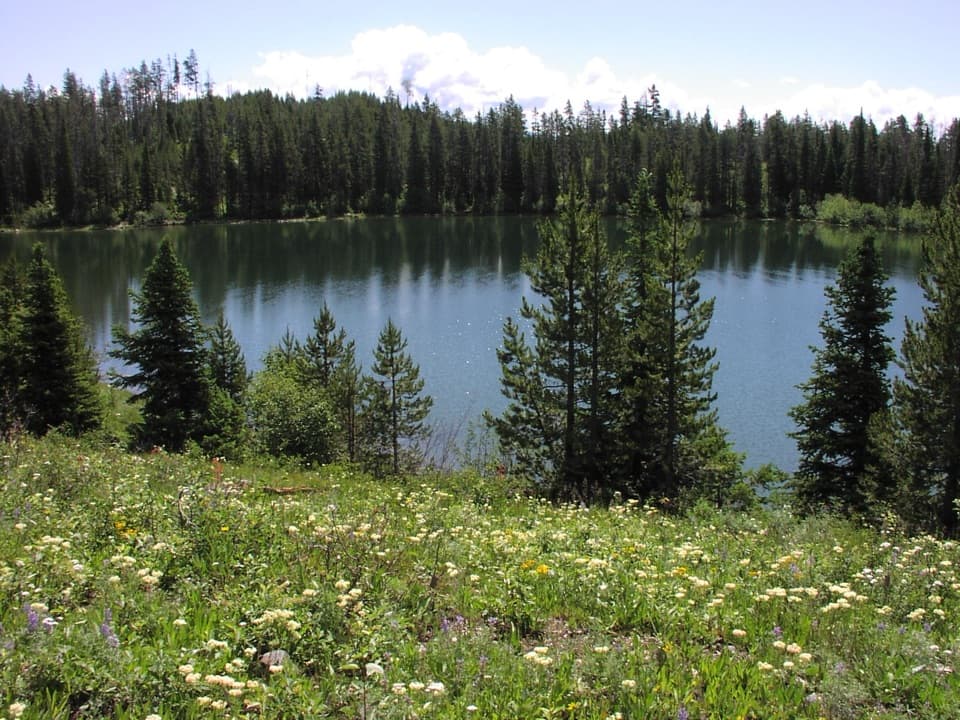 ModerateBearpaw and Trapper Lakes Trail9.2 mi · 5 hr · 0.3 mi awayLong lake shores lead to Bearpaw, Trapper, and a view of Moran.
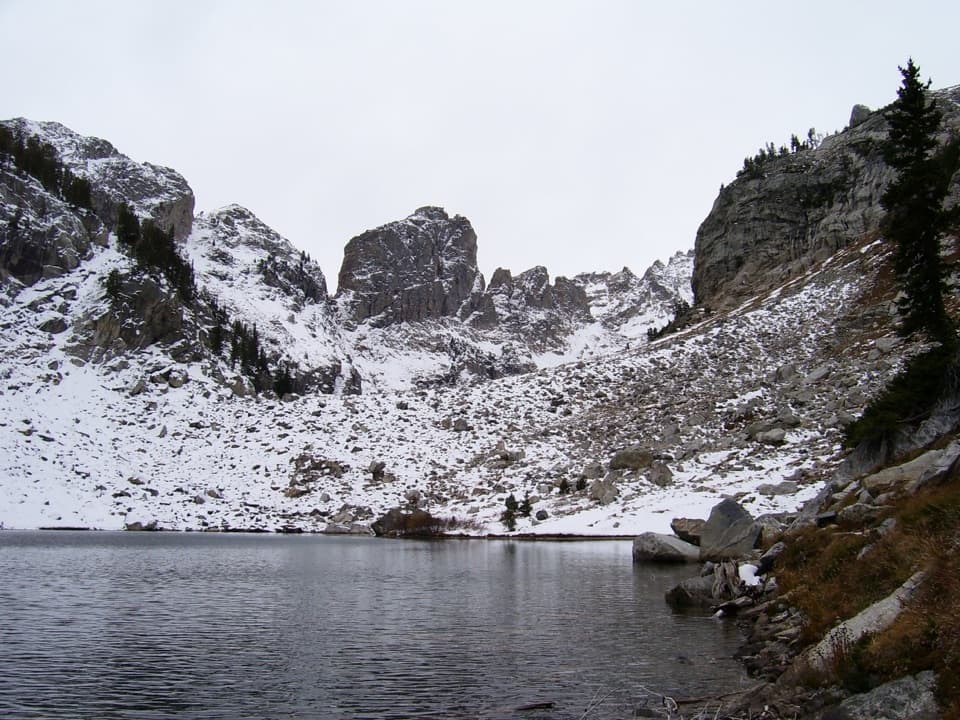 ChallengingLake of the Crags Trail4.6 mi · 7.5 hr · 1.3 mi awayA steep, unmaintained climb through Hanging Canyon to two alpine lakes.
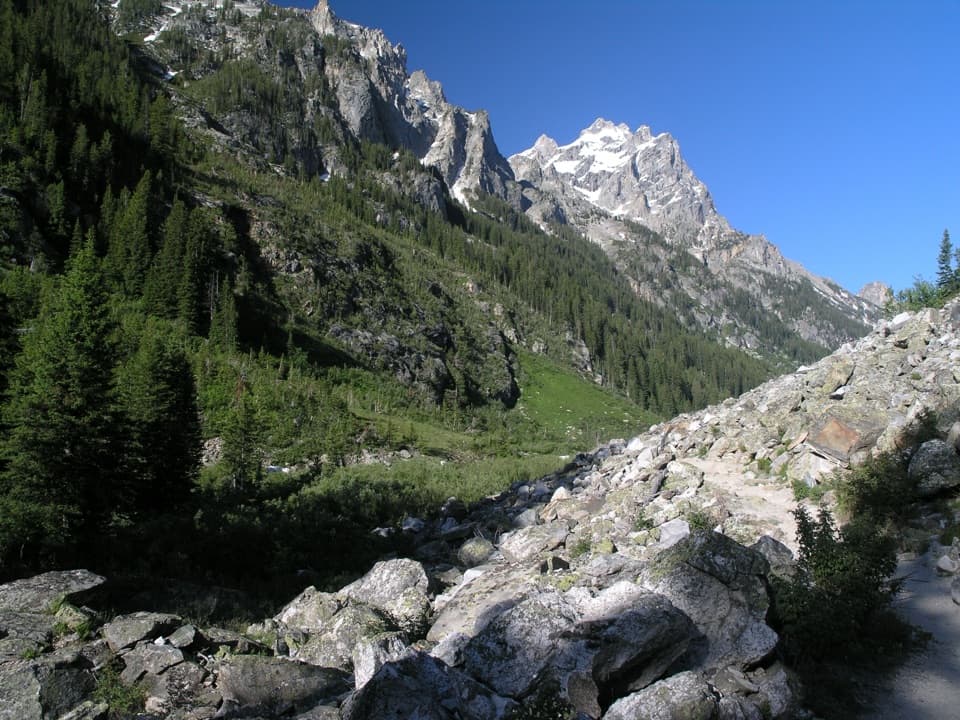 ModerateForks of Cascade Canyon9.4 mi · 7 hr · 1.5 mi awayA high canyon walk whose hardest steps come before the big views.
 EasyHidden Falls Trail1 mi · 1.5 hr · 1.5 mi awayA short, rocky climb to a snowmelt-fed waterfall.
 Lodging · 0.2 mi awayJenny Lake LodgeA seasonal cabin stay with five-course dinners and Dude Ranch roots.
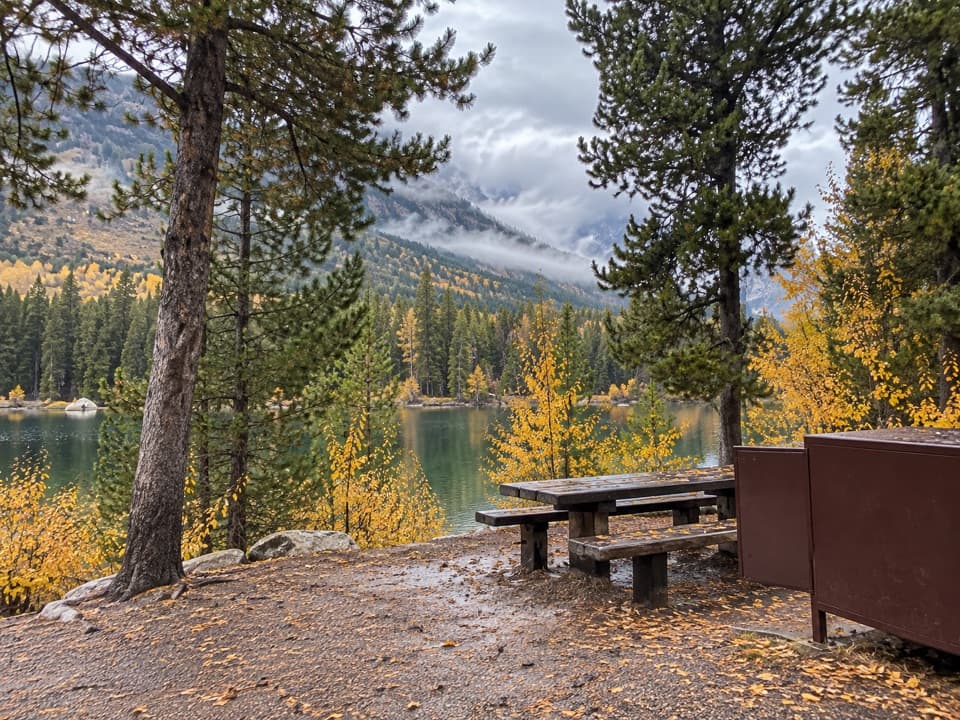 Picnic area · 0.3 mi awayString Lake Picnic AreaA shady lakeside lunch spot with swimming and Teton views.
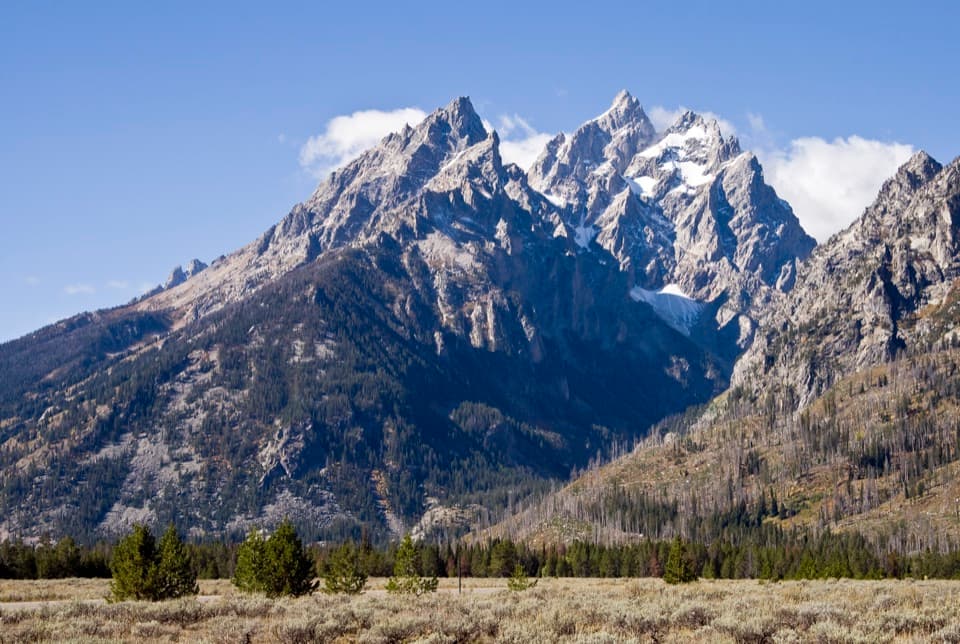 Sight · 0.8 mi awayCathedral Group TurnoutA quick roadside view of the Cathedral peaks and fault scarp.
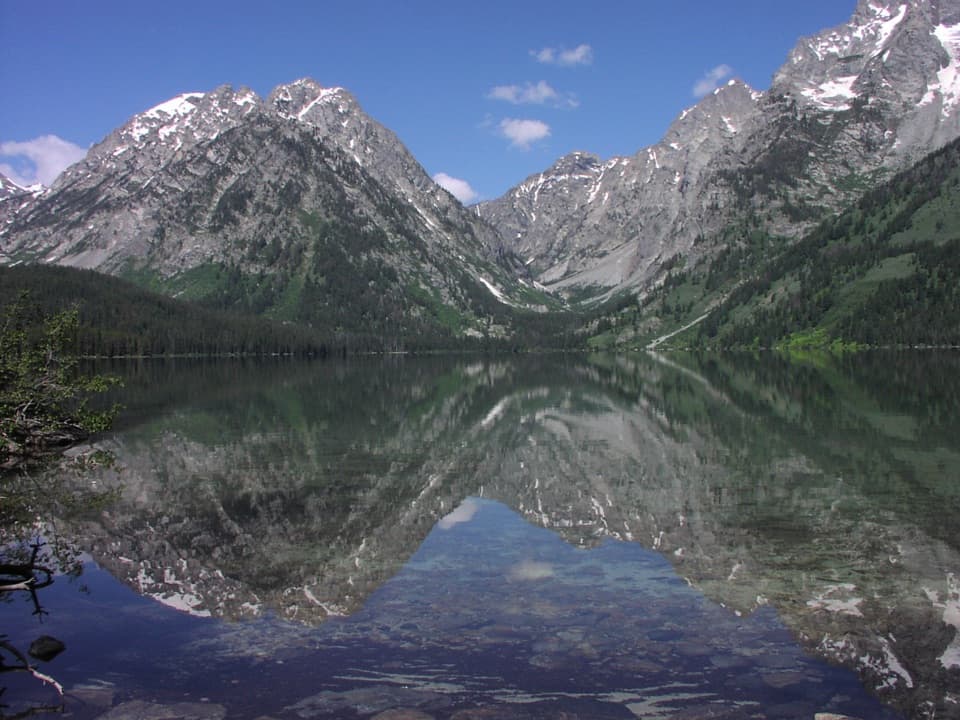 Sight · 0.9 mi awayLeigh LakeA short walk leaves the busier String Lake shore behind.
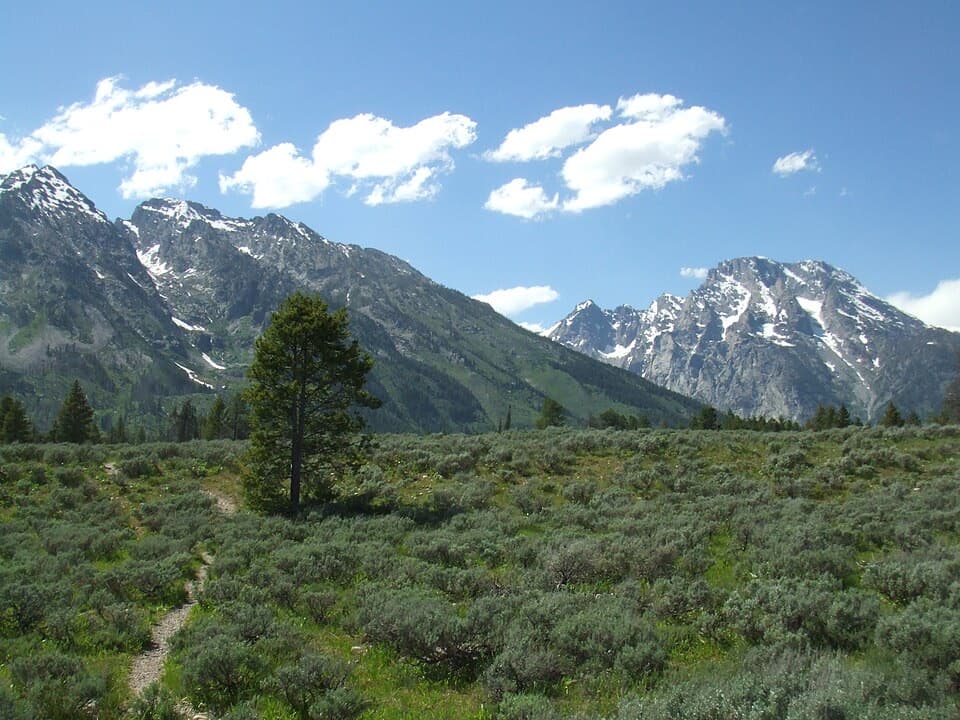 Sight · 1.1 mi awayCascade Canyon TurnoutA quick roadside glimpse into glacier-carved Cascade Canyon.
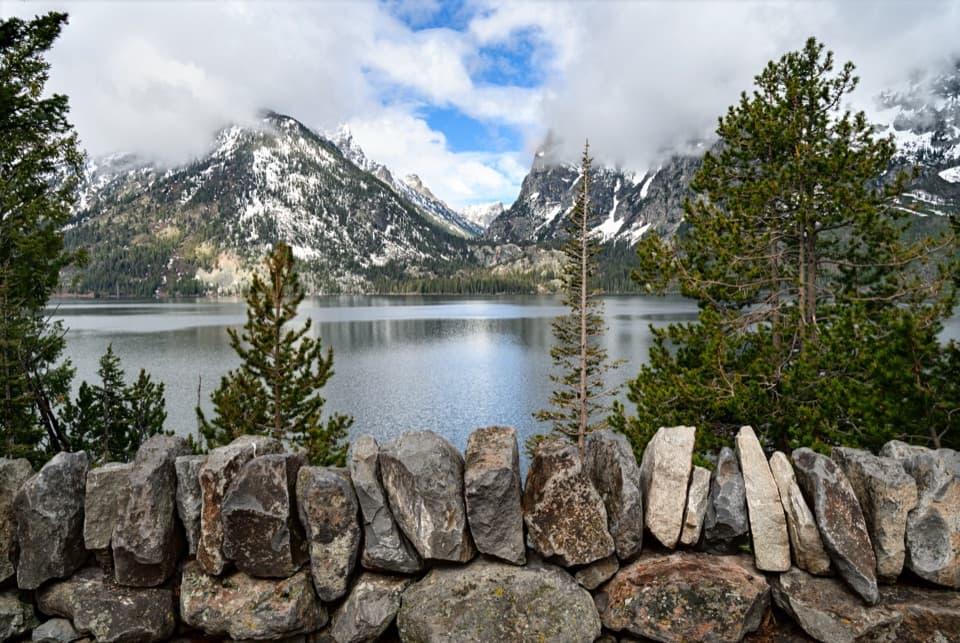 Sight · 1.3 mi awayJenny Lake OverlookA classic lake-and-canyon view with almost no walking.
 Sight · 1.6 mi awayInspiration PointA rocky climb buys a wide-open look across Jenny Lake.
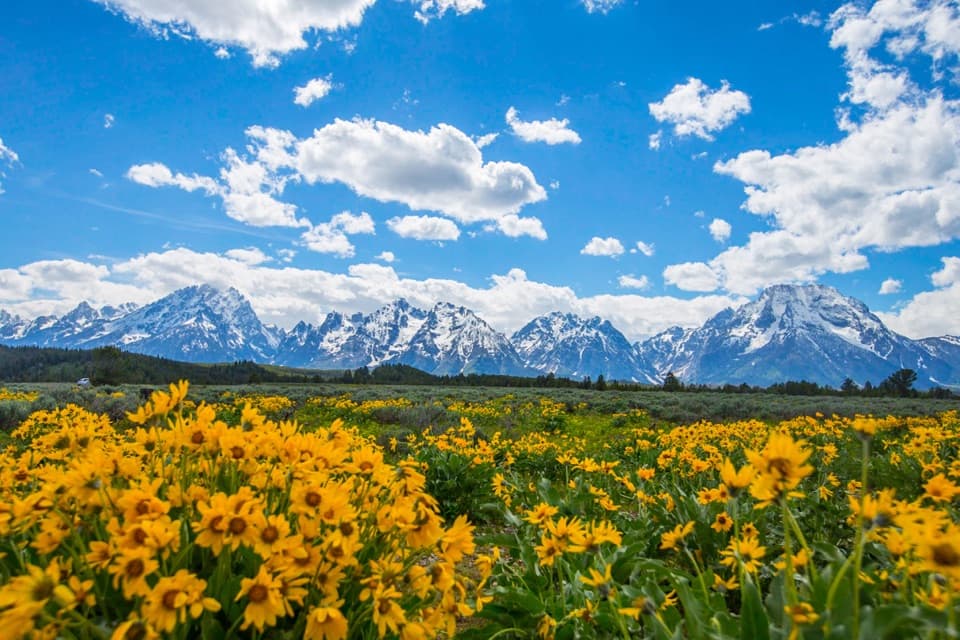 Scenic pullout · 1.7 mi awayMountain View TurnoutA wide Teton panorama without a hike
Parkwolf’s Grand Teton ranking

The audio tour guide for the drive, plus offline maps, trails, and wildlife heatmaps for when the signal drops.