
Place · 1.1 mi away
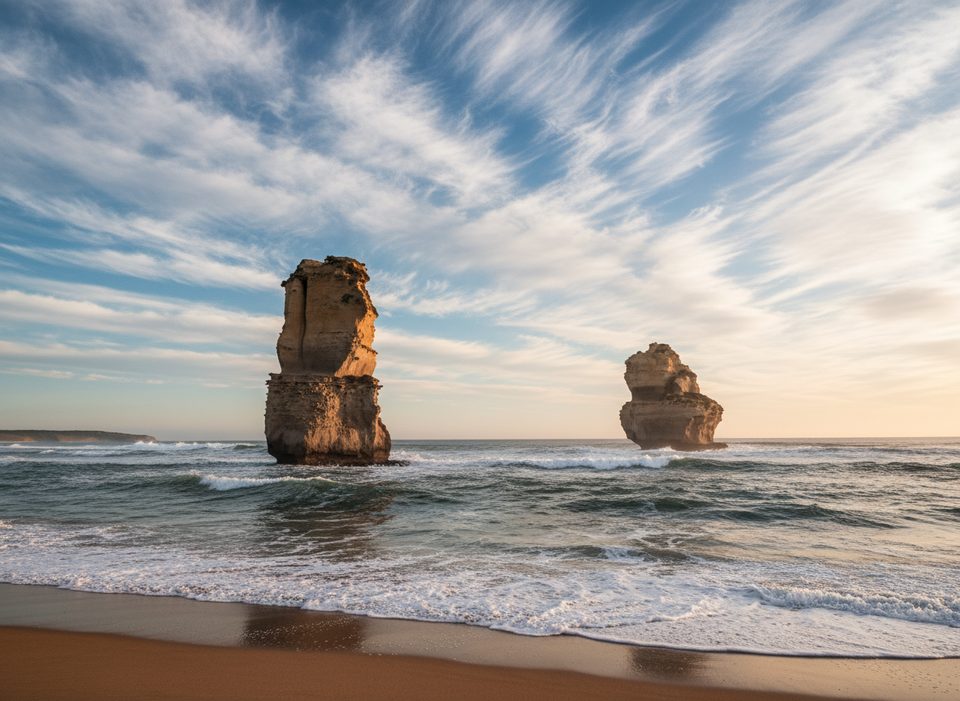
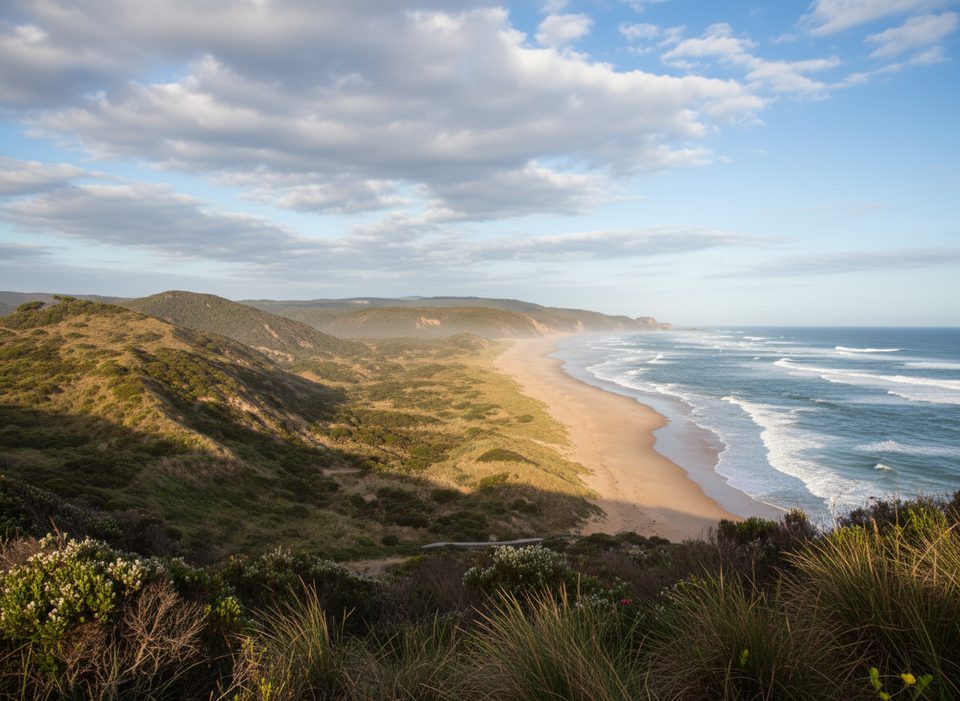
Where the Aire River spills into the Southern Ocean, this wild, windswept beach feels a world away from the busier pull‑ins along the drive. It’s a natural pause point on the Great Ocean Walk between Cape Otway and Johanna, with wetlands, dunes and big‑sky coastal views setting the mood.
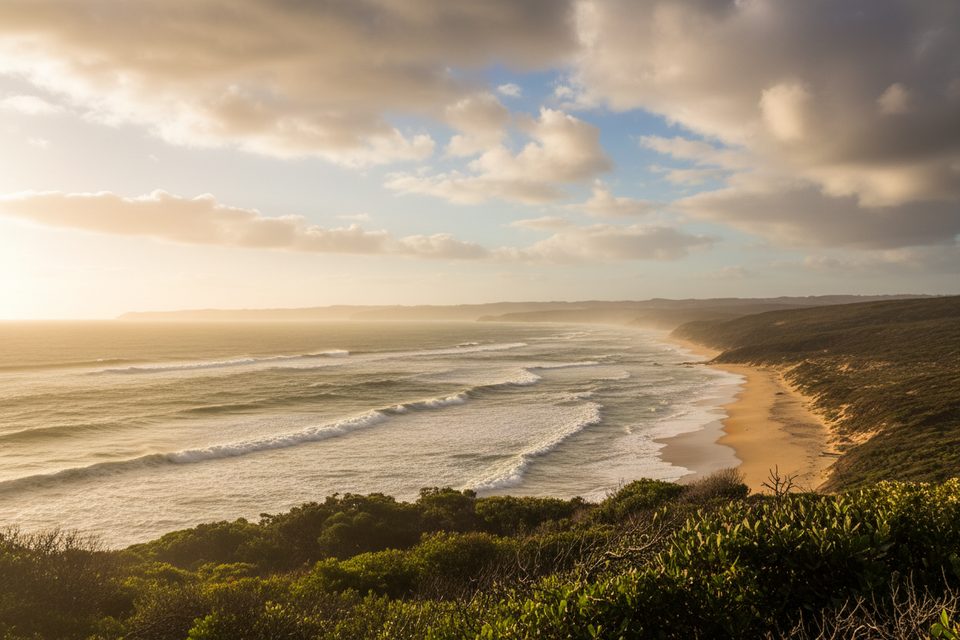
Expect a broad, untamed stretch of sand backed by dunes and the river lagoon. The area is alive with birdlife, and campers often spot koalas around the riverside gums. Fishing, kayaking and quiet wildlife watching round out the slow‑paced vibe.
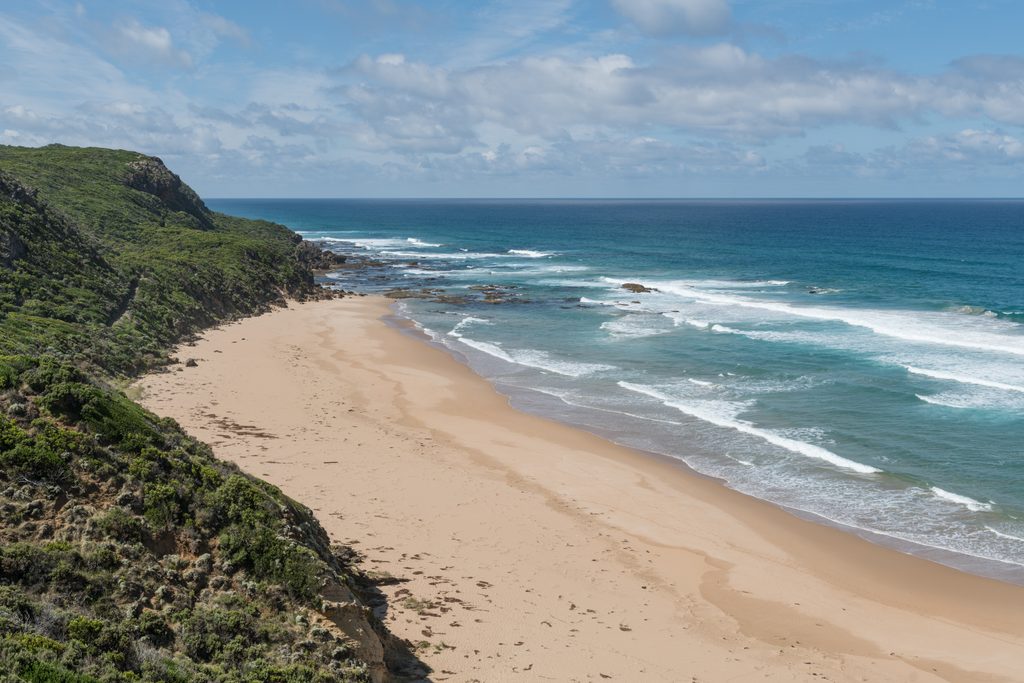
A small road network reaches the Aire River day‑use areas and campgrounds on both east and west sides of the river. From there, a sandy 4x4 track leads toward the beach; without a capable vehicle, it’s still an easy walk. There’s no driving on the beach itself. From Aire River East it’s roughly a 25‑minute walk to Glenaire Beach over the dunes.
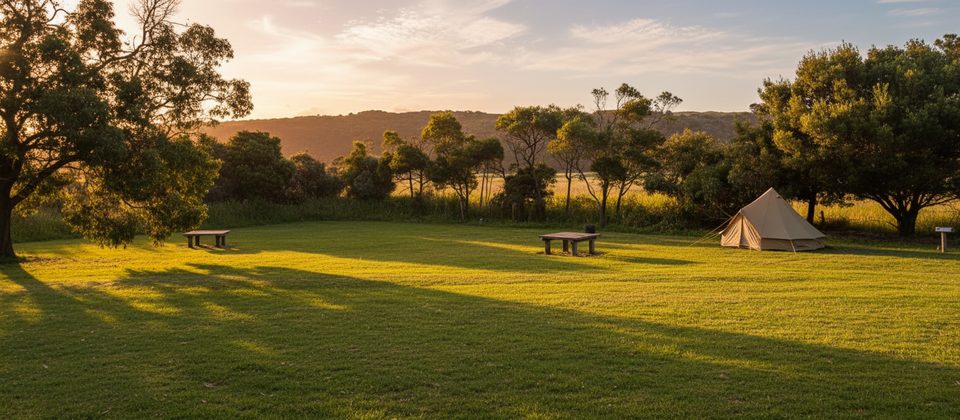
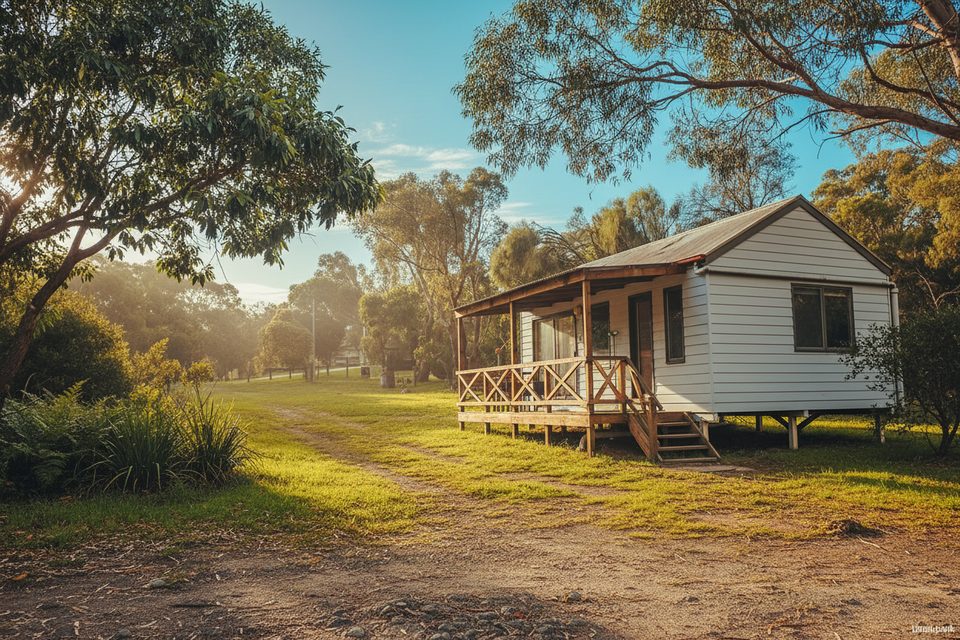
On the west side you’ll find a simple day visitor area with toilets, picnic tables, a rotunda and designated parking. Bring all your own drinking water. Campgrounds here are unpowered, fuel‑stove only, and generators aren’t permitted. Aire River West can flood after wet weather. Bookings for Aire River East/West campgrounds are required through Parks Victoria. As of November 20, 2025, Aire River East Campground is temporarily closed due to waterlogged conditions “until the end of November.”
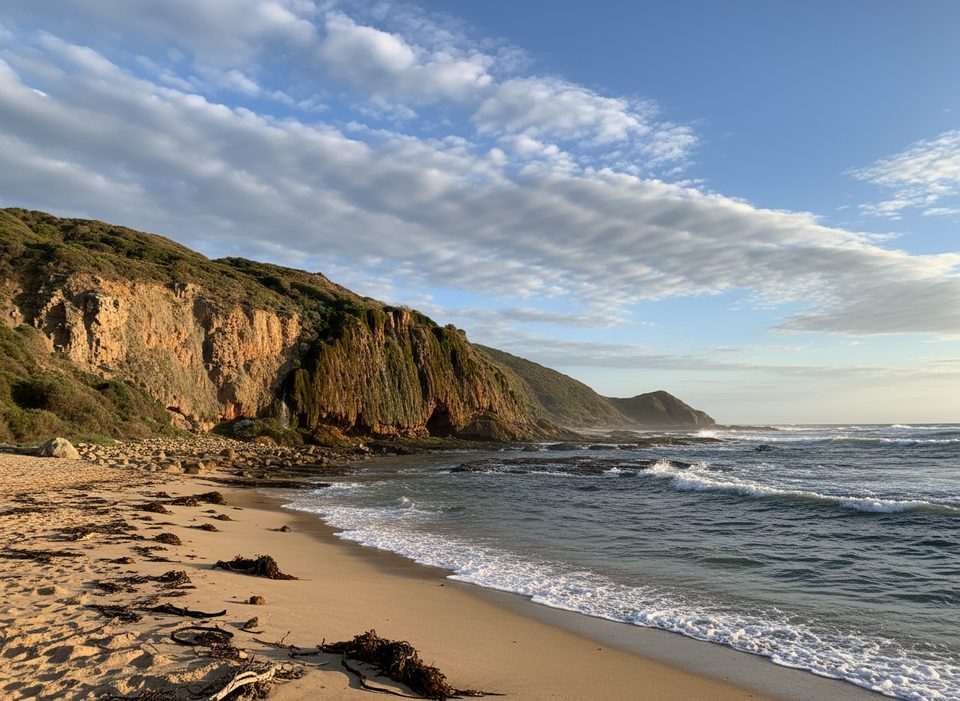
This is classic Shipwreck Coast—powerful surf, shifting sandbars and a river mouth that can swell or cut through after rain. Swimming is for the confident and conditions‑savvy. Phone reception can be patchy. If you’re walking the GOW, use the signed “Decision Points” to take inland options when seas or tides look risky.
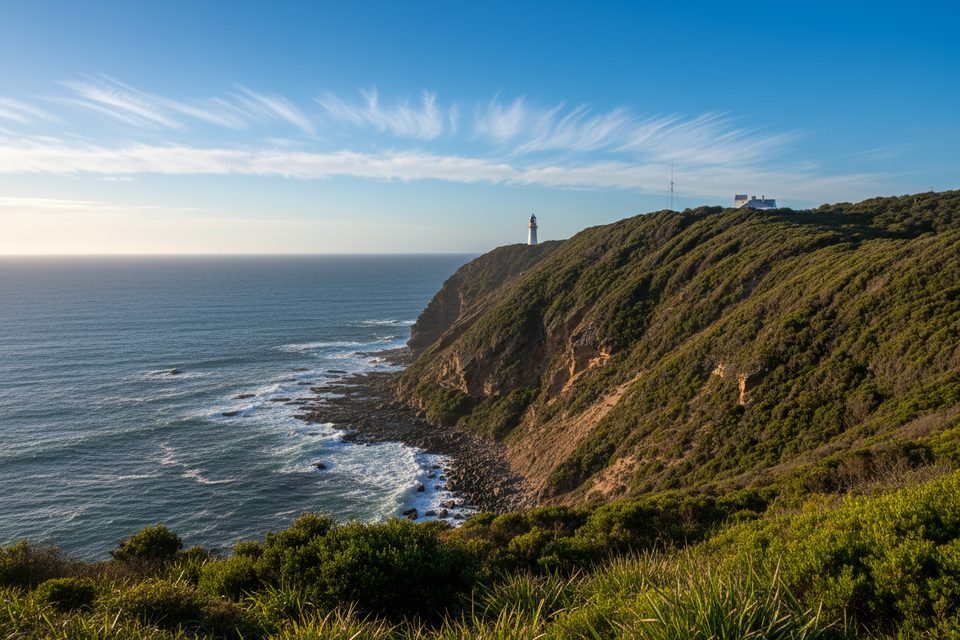
Typical stages place Aire River between Cape Otway (~9.6 km away) and Johanna (~13.8 km away). Expect coastal heath, tea‑tree tunnels and sweeping clifftop views before the track drops to the river mouth and wetlands.
Around the Otways you’ll notice tilted layers of the Eumeralla Formation—Cretaceous sandstones, siltstones and mudstones—sculpted into honeycombed cliffs and odd “artillery” rock shapes by relentless salt and wind. Inland, older landscapes are deeply worn, with rivers like the Aire carving valleys and falls.
It’s a year‑round spot, but spring—especially October—hits a sweet balance of cooler temps and clearer skies. Summer can be hot and winter very windy. Whatever the month, check the forecast, surf and tides before you commit; the area generally stays quieter than most roadside beaches.
Place · 1.1 mi away
Place · 1.5 mi away
Place · 2.6 mi away
Place · 3.2 mi away
Moderate · 0.8 mi away
Moderate · 4.3 mi away
Easy · 6.1 mi away
Moderate · 6.6 mi away

Parkwolf Tour Guide
