
Place · 0.3 mi away
Moderate
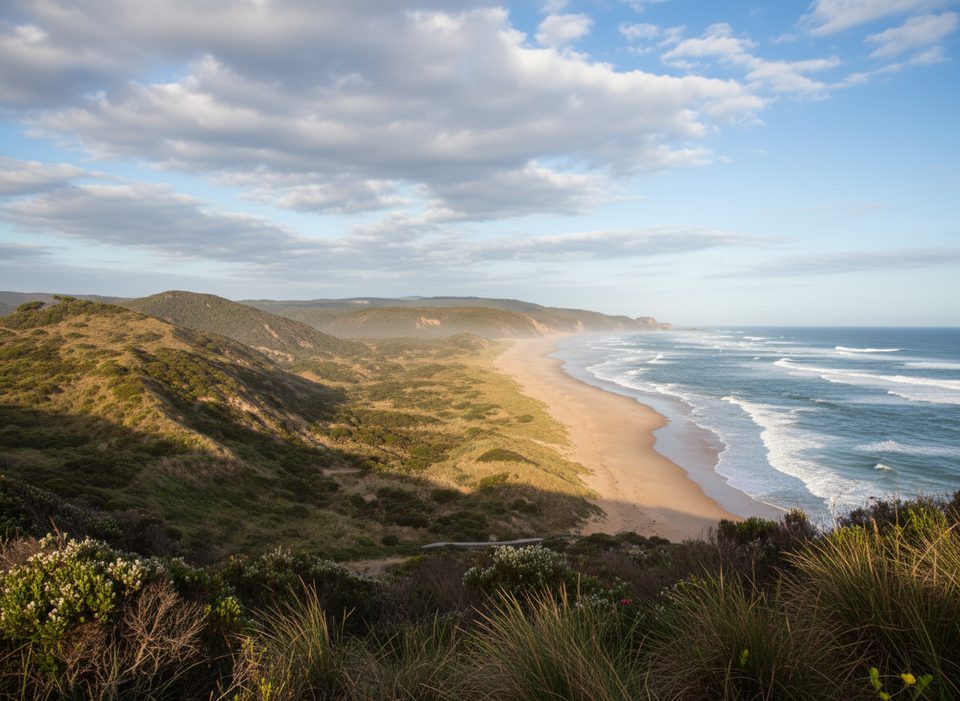
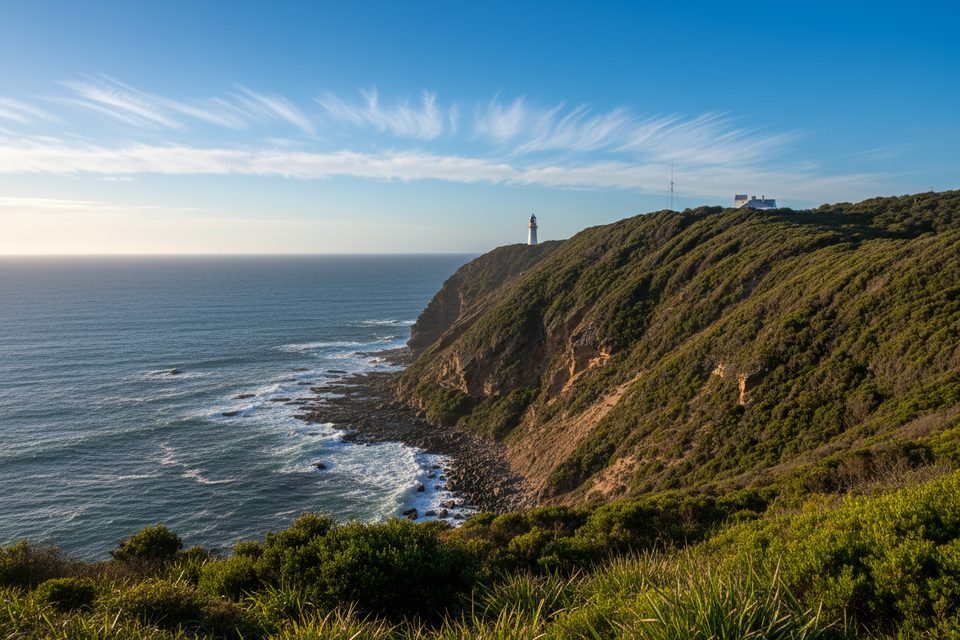
This is one of the Great Ocean Walk’s most scenic days, rolling from Aire River through coastal heath to windswept cliffs and the broad sands of Johanna Beach. Expect big Southern Ocean views, spring wildflowers, and the chance to spot raptors riding the updrafts. Distance varies by source but is commonly listed as about 12.4–14 km (roughly 7.7–8.7 miles) one way; plan on 4–5 hours.
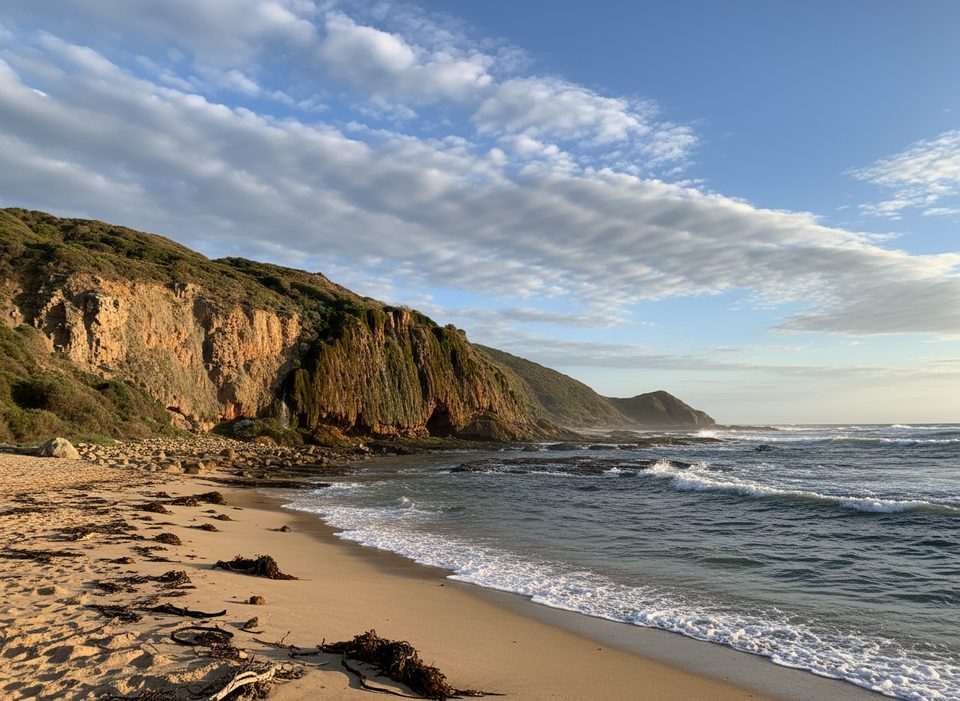
You’ll climb from Aire River through thick coastal heath, then undulate along cliff‑tops with constant ocean panoramas. Sections of manna gum forest hold grass trees and seasonal blooms. Near Glenaire, the track reaches Castle Cove, where the surrounding cliffs are noted for fossil finds. The final stretch drops to Johanna Beach—wide, beautiful, and famous for heavy, crashing surf. Keep an eye out for tiny Hooded Plovers nesting in the sand above the high‑tide line; give these areas a wide berth.
The Great Ocean Walk is designed to be walked east to west. This stage includes roughly 2 km of beach walking on Johanna Beach, which is safest and most pleasant near low tide in calm conditions. Use Apollo Bay tide times for this section; if needed, subtract about 28 minutes from Port Phillip Heads tables to approximate Apollo Bay. There’s no pedestrian bridge at the Johanna River—after heavy rain or strong swell/tide, you may need to wait or wade with caution.
Rated medium: a few climbs and descents, mostly formed track with some uneven ground and soft-sand trudging near the finish. If beach conditions are rough or tides are unfavorable, this day feels longer—budget extra time and energy.
Spring brings wildflowers and active birdlife, while cooler months often mean brisk walking temps and fewer people. Weather on this coast is changeable year‑round—pack for sun, wind, and rain in a single day. Early starts help with tide windows and softer light on the cliffs; late afternoons can be glorious but watch daylight if you’ll be on the beach.
Look for Peregrine Falcons soaring along the limestone cliffs and Hooded Plovers at Johanna Beach. Recent advisories note increased echidna and long‑nosed bandicoot diggings along the walk—great wildlife sign, but they create ankle‑twisting holes. Wear sturdy boots and use a headlamp if moving in low light.
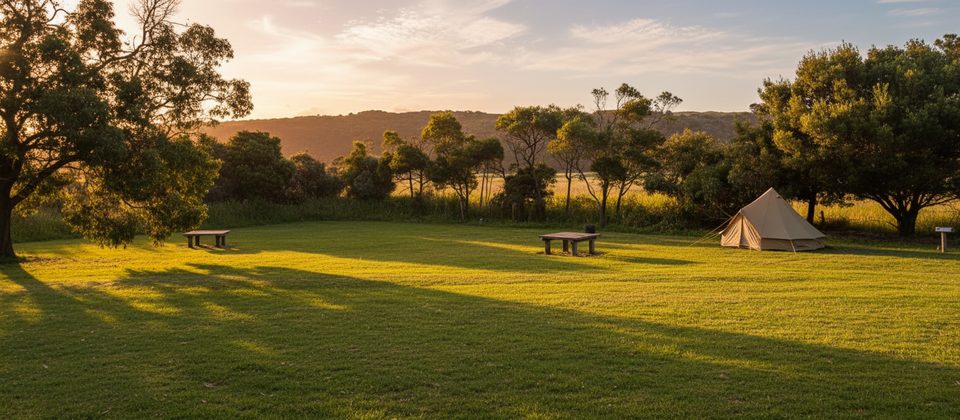
Camp at Johanna Beach (GOW hiker or drive‑in campsites). Book hiker sites in advance. Nearest basic supplies are at Lavers Hill. No dogs and no bicycles; camp only in designated areas.
Ocean hazards are the big one: strong currents and unpatrolled, rough surf—do not swim. On track, expect uneven/slippery ground, falling limbs, European wasps, and snakes in warmer months. There’s no inland workaround for the required Johanna Beach section—only proceed when it’s safe, and keep to firm, wet sand below the high‑tide line to avoid plover nesting zones.
Begin at Aire River and finish at Johanna Beach; there is vehicle access at Johanna Beach via the drive‑in campground area.
Plan the 2 km Johanna Beach section for low tide; strong, unpatrolled surf and currents. No bridge at Johanna River. Uneven/slippery ground, falling limbs, European wasps, snakes in warm months, and echidna/bandicoot diggings creating trip hazards.
Place · 0.3 mi away
Place · 0.8 mi away
Place · 1.6 mi away
Place · 2.8 mi away
Moderate · 4.1 mi away
Easy · 5.3 mi away
Moderate · 6 mi away
Moderate · 9.2 mi away

Parkwolf Tour Guide
