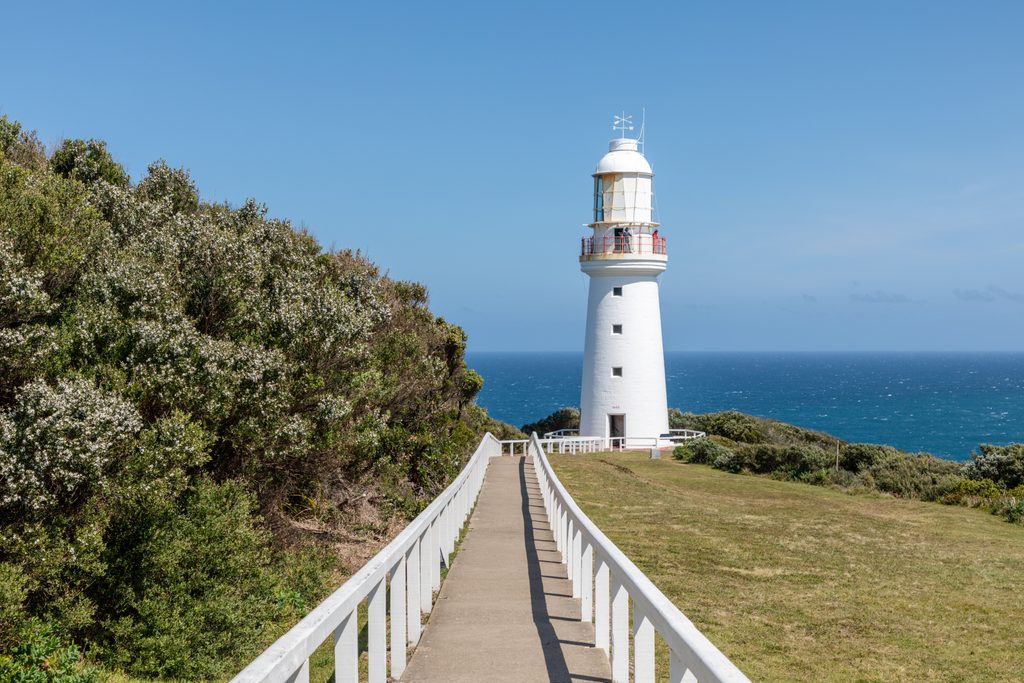
Cape Otway Lighthouse

1848 lighthouse precinct with wild sea views and shipwreck lore
Cape Otway Lighthouse, Great Ocean Road
InsideGreat Ocean Road

Overview

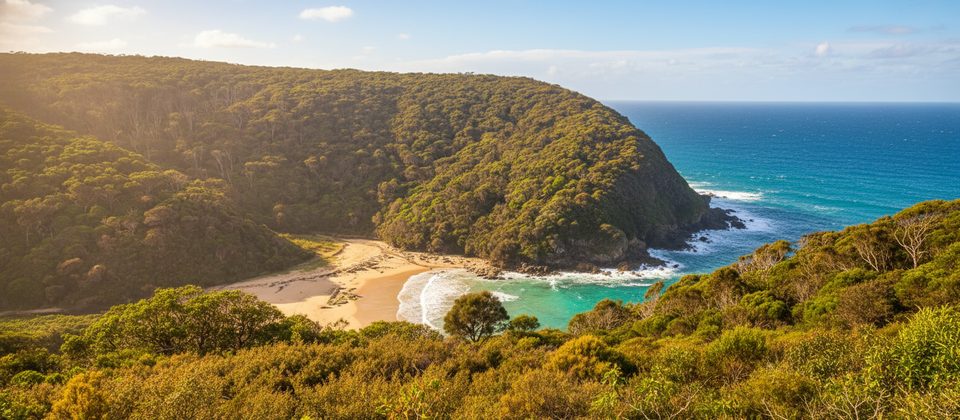
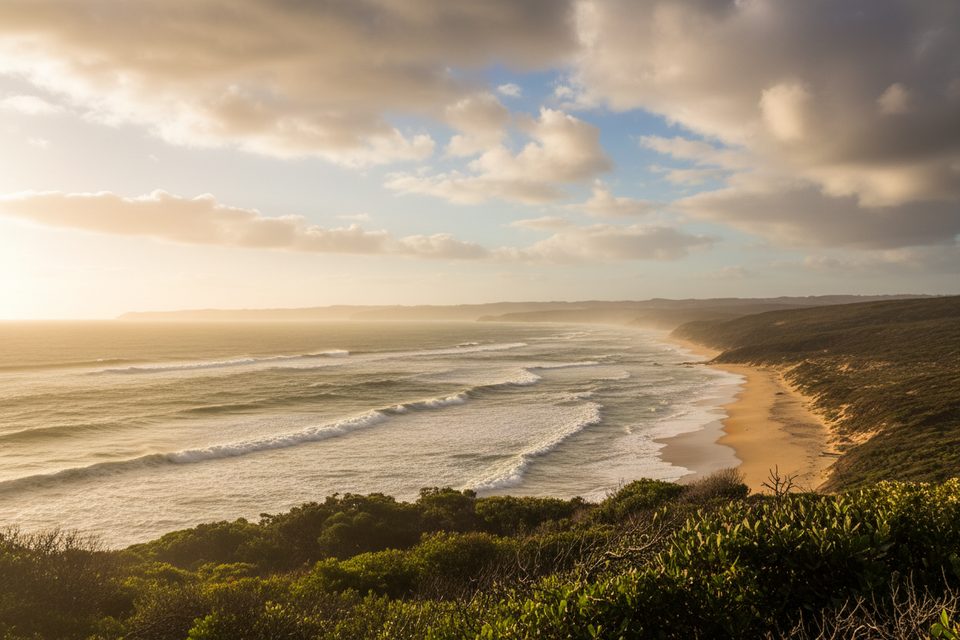
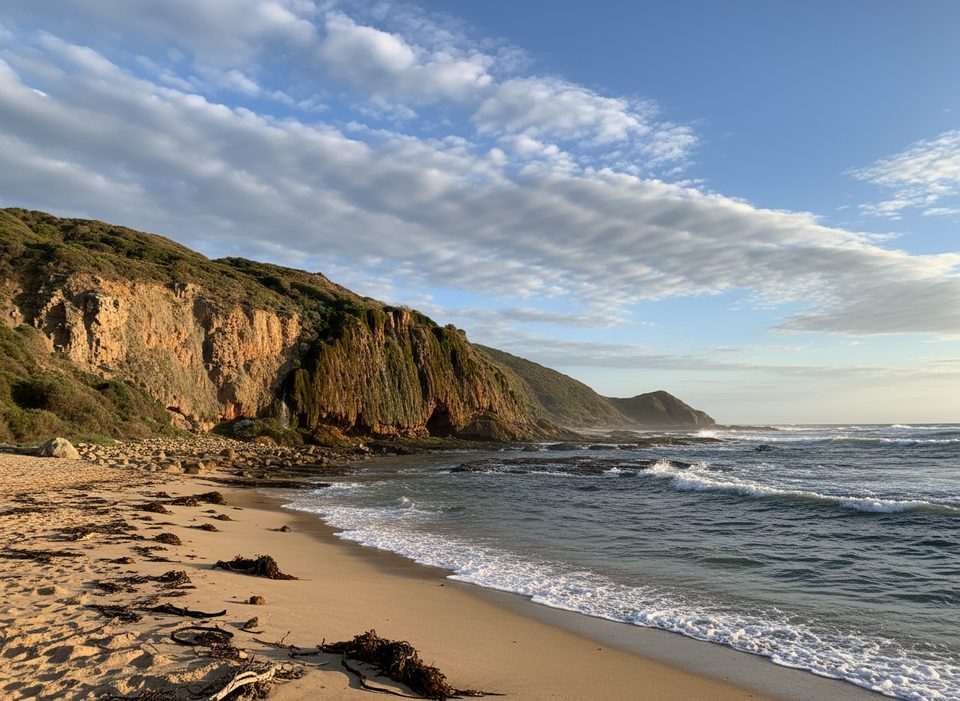
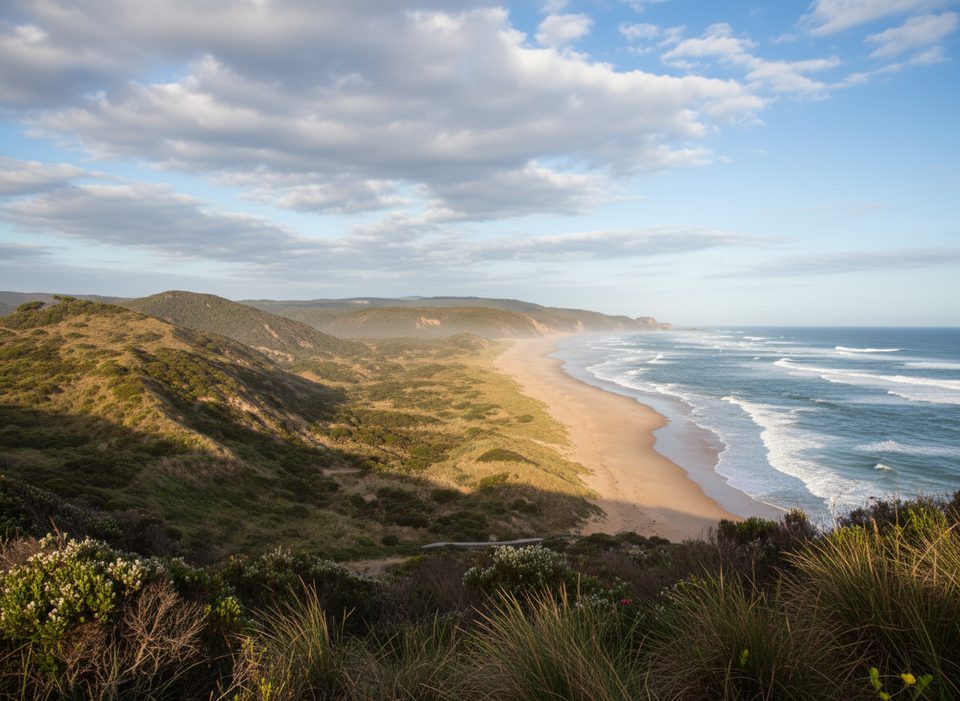
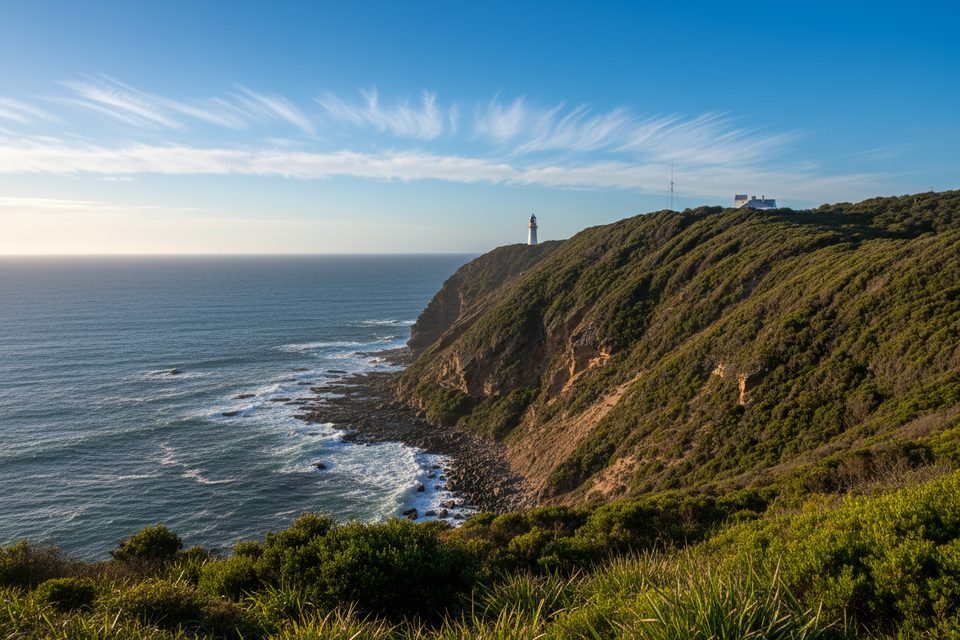
Perched high above the Bass Strait on the Shipwreck Coast, Cape Otway Lightstation is less about a quick photo and more about stepping into 175 years of maritime history. The 1848 sandstone tower is the star—though the tower itself is currently closed—the surrounding heritage precinct still delivers: sweeping cliff‑top views, evocative outbuildings, and stories that make the coastline feel alive.

What You’ll See

  • Heritage buildings you can wander, including the old telegraph station and a WWII radar bunker.
  • A dramatic headland setting roughly 90 m above the ocean—ideal for scanning for passing whales in season.
  • Interpretive displays and staff presentations that bring shipwrecks and keeper life to life; allow 60–90 minutes to do it justice.

History Highlights

Opened in 1848, this was a crucial “Beacon of Hope” for arriving migrants and a guardian of one of Australia’s trickiest stretches of water. Over the decades the light evolved from oil lamps and reflectors to a massive Fresnel lens and later electrification, before being decommissioned in 1994 and replaced by a solar beacon. The precinct also ties into the 1859 mainland‑to‑Tasmania telegraph cable and wartime coastal defense.

Wildlife & Sea Watching

Bring binoculars. From roughly June to October, Humpbacks and Southern Right whales migrate close to shore; dolphins and fur seals make cameo appearances too. Birders should keep an eye out for sea eagles, terns and plovers along the cliffs and beaches.

Practicalities

  • Ticketed entry; fees apply (reduced while the tower is closed). The precinct is open daily 9:30 am–4:00 pm.
  • It’s an exposed, windy site—pack layers, a shell, hat and sunscreen.
  • There’s an onsite cafe (hours can vary), restrooms at the main car park, and a gravel walk of about 400 m from the entry to the lighthouse area.
  • No dogs, no drones without a permit, no fires or camping. Mobile coverage can be patchy—download what you need beforehand.
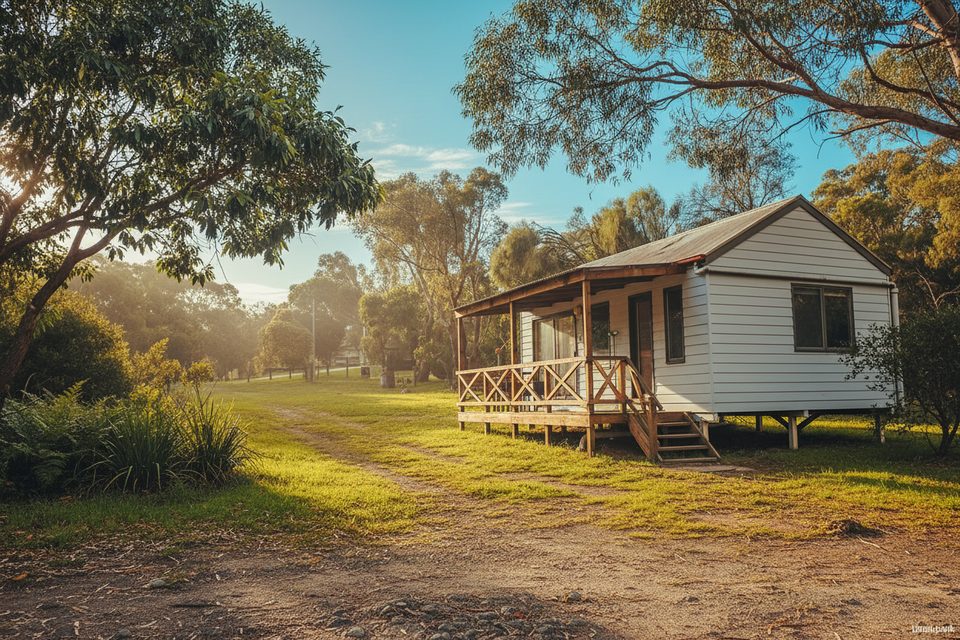
  • There’s also accommodation in the historic keepers’ quarters if you want the after‑hours atmosphere.

Tips & Tricks

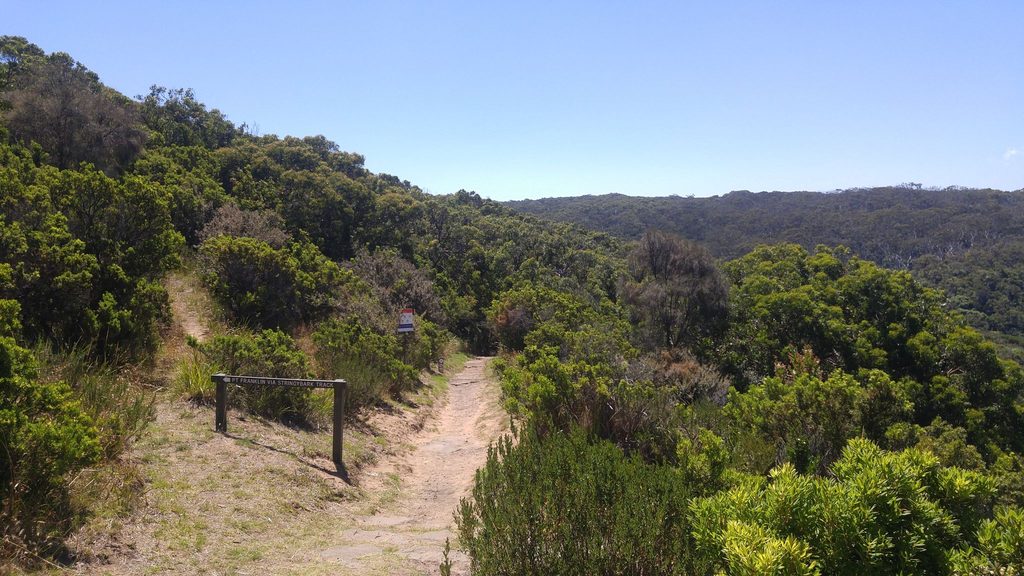
  • There’s a free after‑hours walk from the car park if you just want a scenic stroll outside the paid precinct.
  • If climbing the tower is important to you, confirm current status before paying—closures have been in place for safety.
  • On blustery days, duck into the telegraph station first, then time your headland views between squalls.

Is It Worth It?

Yes—especially if you like maritime history and wild coastal scenery. Even with the tower closed, the precinct is substantial and the setting is unforgettable. If you only want a quick lighthouse climb, wait until the tower reopens.

Best Time to Visit

  • Mid‑morning on weekdays for fewer tour groups and steadier light; winter–spring (June–October) for the best whale chances.
  • Golden hour is gorgeous; if you arrive after closing, use the free walk from the car park for sky‑on‑sea views (precinct buildings will be shut).

Pros

  • Rich heritage precinct with telegraph station and WWII radar bunker
  • Big Southern Ocean views and winter–spring whale spotting
  • Onsite cafe for a warm-up between exhibits

Cons

  • Lighthouse tower currently closed; entry is still ticketed (discounted)
  • Exposed, gusty headland can be rough in bad weather

Tips

  • Arrive early for calmer winds and fewer tour groups.
  • Pack layers and a waterproof shell—this headland is often gusty.
  • June–October, bring binoculars and scan for whale blows between squalls.
  • If the tower climb matters, confirm closure status before paying.
  • After hours, use the free walk from the car park for views.
The Parkwolf tour guide sitting on a phone mounted in a car

Parkwolf Tour Guide

Like a tour guide in your car.

Save the places you found around Great Ocean Road, then let Parkwolf guide the drive between them.Download Parkwolf on the App Store