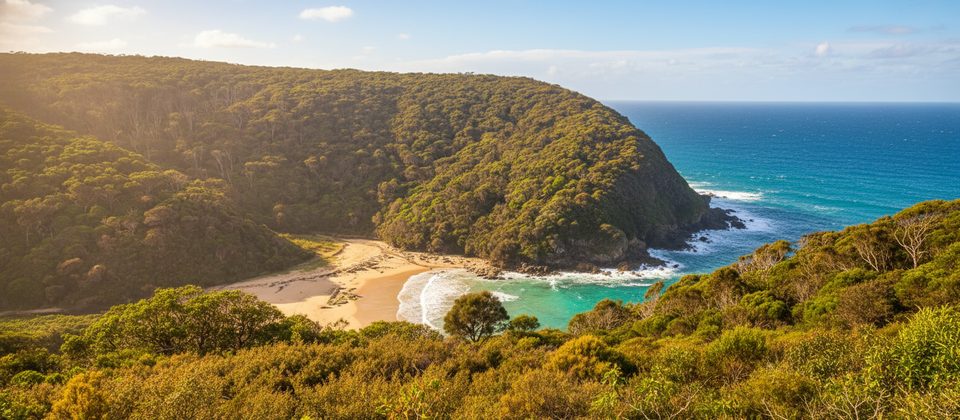
Parker Hill Day Visitor Area

Quiet hilltop access to Parker Inlet and the Great Ocean Walk
Parker Hill Day Visitor Area, Great Ocean Road
InsideGreat Ocean Road

Overview

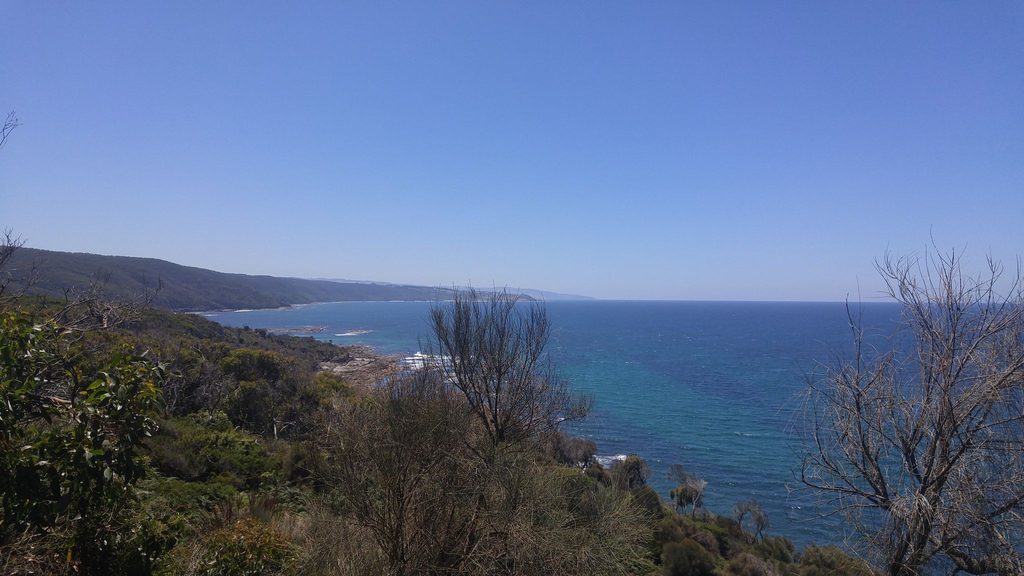
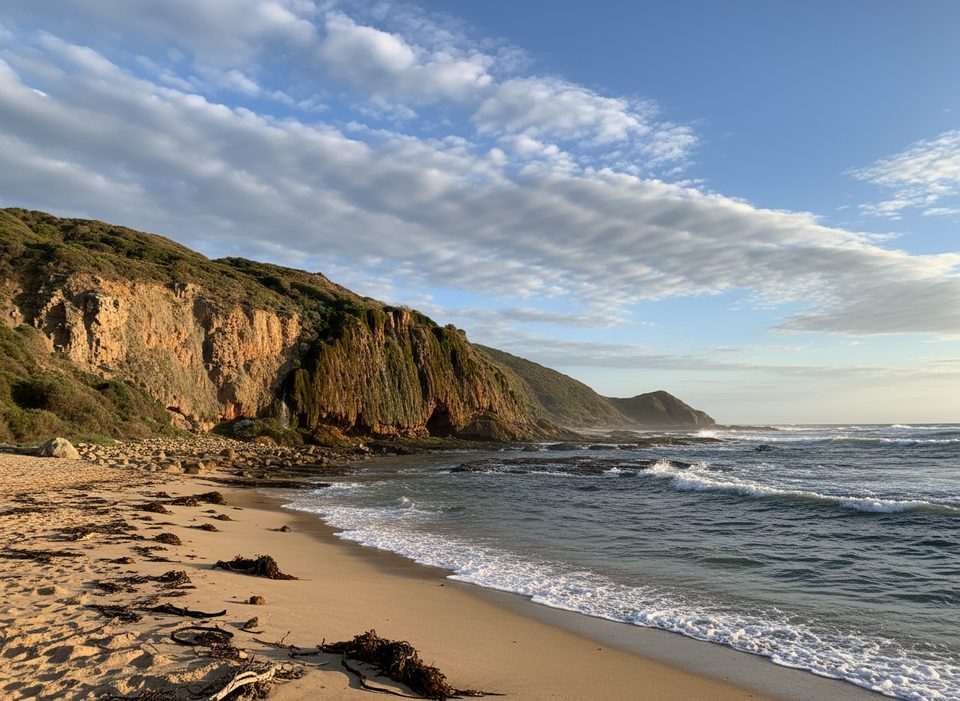
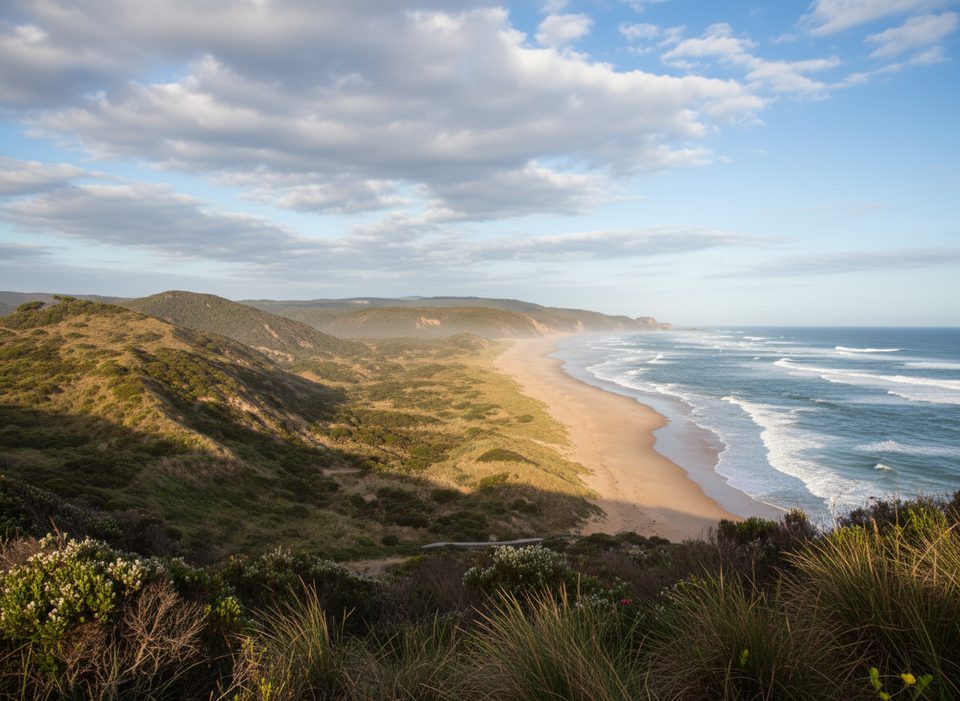
Set on a quiet hill above Parker Inlet near Cape Otway, the Day Visitor Area sits beside the small Parker Hill campground and looks out over the river estuary and Southern Ocean. It’s a low-key launch point for short clifftop walks and a quick escape down to a wild, unpatrolled beach. Expect big coastal scenery without the crowds.

What You’ll Do

  • Walk to the beach: a steep descent of roughly 300 steps leads to the secluded sands at Parker Inlet; the climb back will get the legs working.
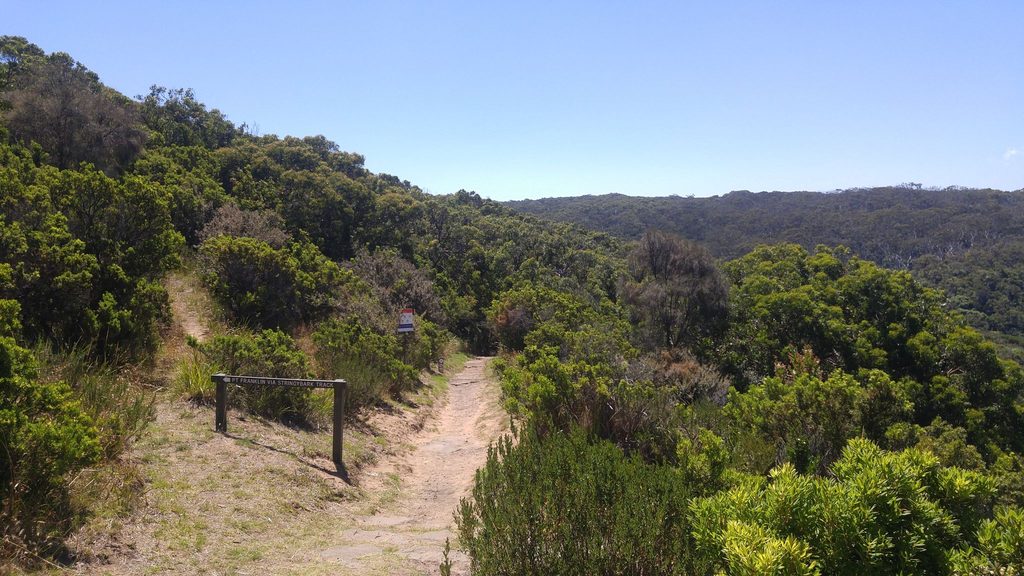
  • Sample the Great Ocean Walk in either direction, including a scenic clifftop section toward Point Franklin; a simple 3 km loop via Stringybark Track returns to the campground.
  • Poke around rock platforms at low tide and try a spot of fishing. Skip swimming—this beach is unpatrolled and can have strong currents.

Facilities and Setup

  • Basic drop/composting toilets, plus a tank with non‑potable water (do not drink; bring all your own).
  • No fireplaces or solid-fuel fires; use gas/fuel stoves only. Generators aren’t permitted.
  • Parking is along Parker Hill Track near the campground entrance; walk-in sites cluster nearby, so expect most day-use parking there too.

Rules and Safety Notes

  • No dogs (national park), no drones without a permit, and no horses or firearms.
  • Recent track notes report trip hazards from echidna and bandicoot diggings—wear sturdy footwear and carry a light at dawn/dusk.
  • This is a bushfire‑prone area; check current advisories from Parks Victoria before you go.

Wildlife

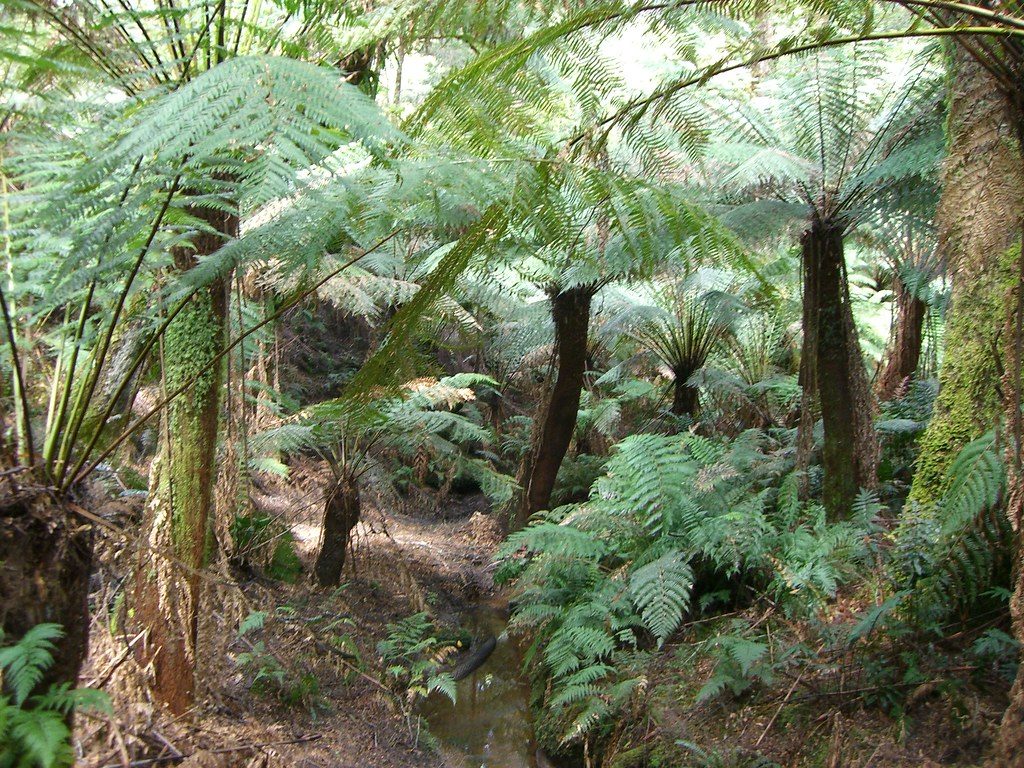
Koalas and wallabies are frequently spotted around the hilltop, with echidnas turning up fresh diggings along the tracks. Birdlife is active (kookaburras are bold around food), and the occasional fox has been seen.

Getting There

Access is 2WD-friendly: Great Ocean Road > Cape Otway Lighthouse Road > Blanket Bay Road > Parker Hill Track. The final approach is a gravel track.

Geology Snapshot

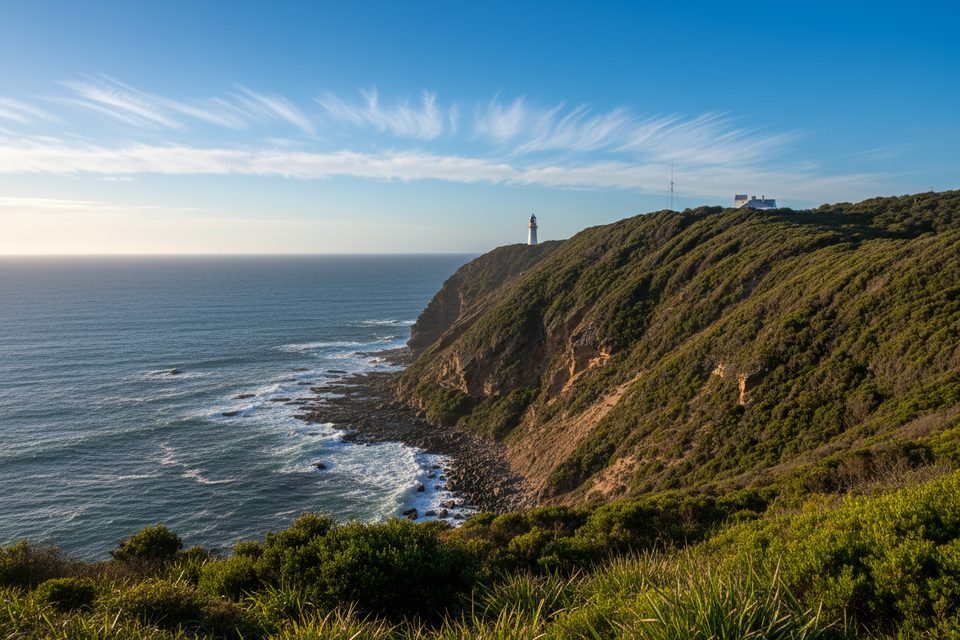
The headlands and cliffs here expose layers of the Eumeralla Formation—Cretaceous sandstones and siltstones folded and uplifted over millions of years. Along the shore, look for honeycomb‑weathered rock and the odd “artillery rock” pebble revealed as softer stone erodes away.

Best Time to Visit

Aim for weekdays and early morning or late afternoon for softer light and a quieter feel. It’s typically peaceful but expect more visitors over the Christmas–New Year holiday period. For rockpooling and photography, time your visit around lower tides and golden hour.

Pros

  • Hilltop views over Parker Inlet and the coast
  • Direct access to the Great Ocean Walk and a secluded beach
  • On-site toilets and a non-potable water tank

Cons

  • Steep ~300-step staircase down to the beach
  • No drinking water provided—bring your own
  • Swimming not advised due to strong currents and no patrols

Tips

  • Bring all your drinking water; the onsite tank is untreated and unreliable in dry spells.
  • Expect a steep 300-step staircase to Parker Inlet—the return climb is a workout.
  • Wear sturdy shoes and carry a headlamp at dawn/dusk due to animal diggings on the track.
  • Use gas or fuel stoves only—no solid-fuel fires or generators are permitted.
  • For rockpooling and photos, aim for lower tides and late-afternoon light.
The Parkwolf tour guide sitting on a phone mounted in a car

Parkwolf Tour Guide

Like a tour guide in your car.

Save the places you found around Great Ocean Road, then let Parkwolf guide the drive between them.Download Parkwolf on the App Store