
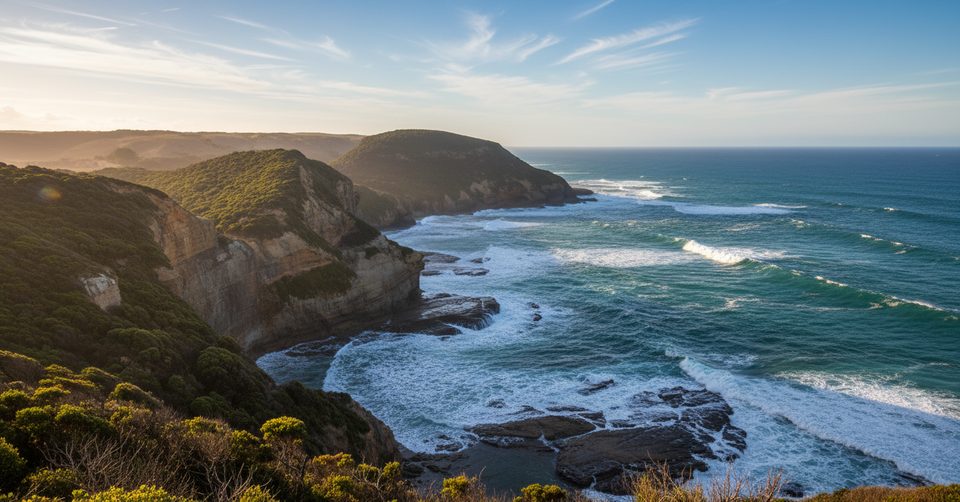
Place · 0.3 mi away
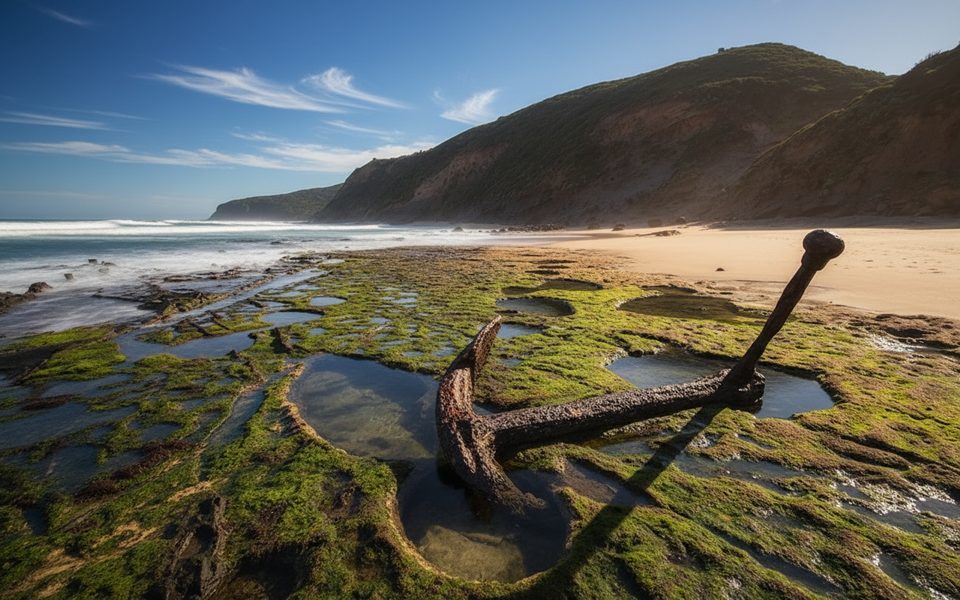
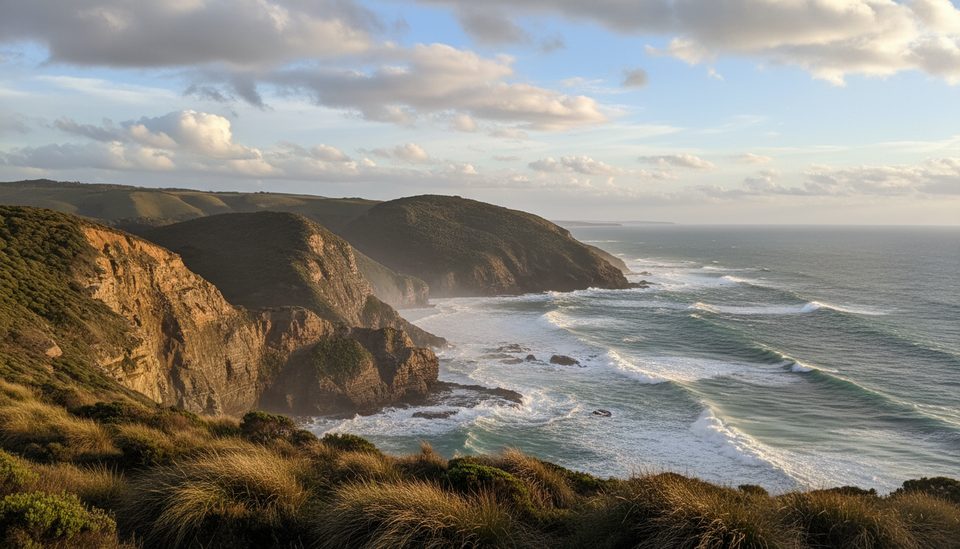
A short, steep walk drops you onto Wreck Beach, where the iron anchor of the 1869 barque Marie Gabrielle lies among the rocks. It feels raw and cinematic—the Southern Ocean thundering behind you, rusted metal in the foreground, and cliffs looming above.
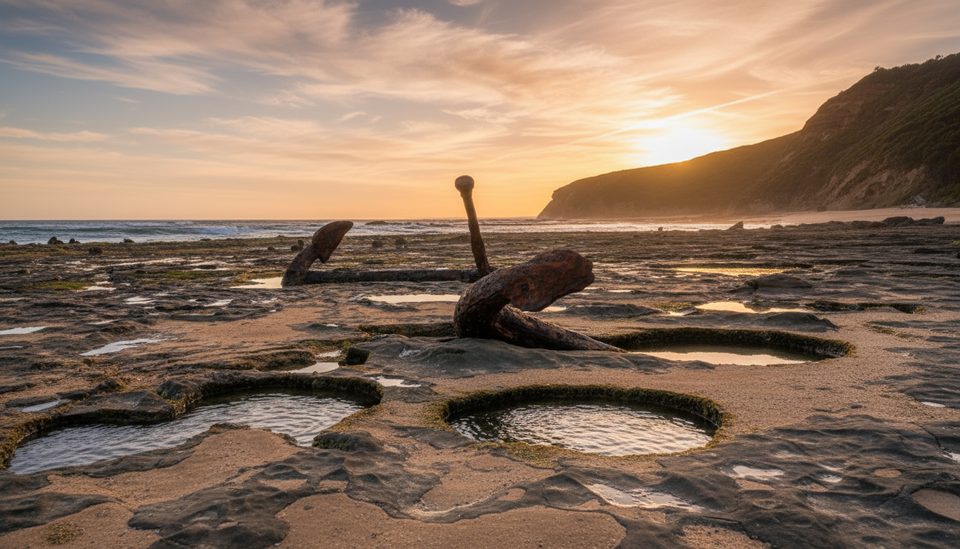
The Marie Gabrielle was driven ashore near Moonlight Head in 1869; the crew survived, but the coast kept its relics. At low tide, the ship’s large anchor is the star. Wreck Beach also holds remains from another wreck, the Fiji, so you’re effectively visiting a two‑for‑one shipwreck site.
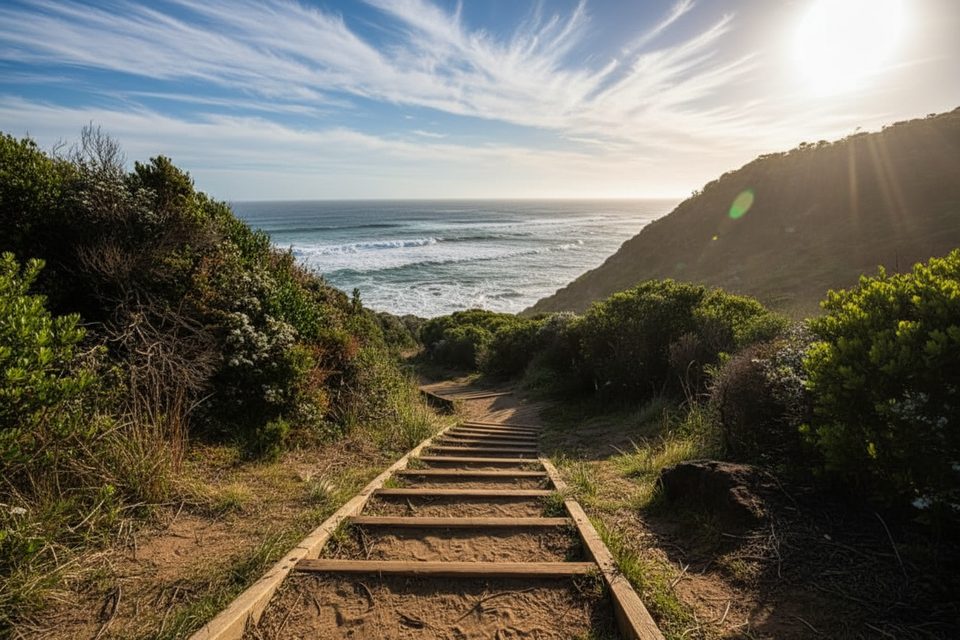
Reach Wreck Beach via a short turn‑off from the Great Ocean Road, then descend about 350 steps to the sand and rock platforms. There are no on‑site facilities—plan to be self‑sufficient and allow time (and energy) for the climb back out.
This is an exposed, unpatrolled coastline. Rocks can be slick, waves unpredictable, and swell powerful. Wear sturdy footwear, keep well clear of the water’s edge, and never turn your back on the ocean. Respect the site—leave the anchor and any artifacts where they are.
Low tide is essential. Aim to arrive around the low tide window so you’ve got time to descend, explore, and photograph before the ocean reclaims the rocks. Calm conditions make it safer and more rewarding.
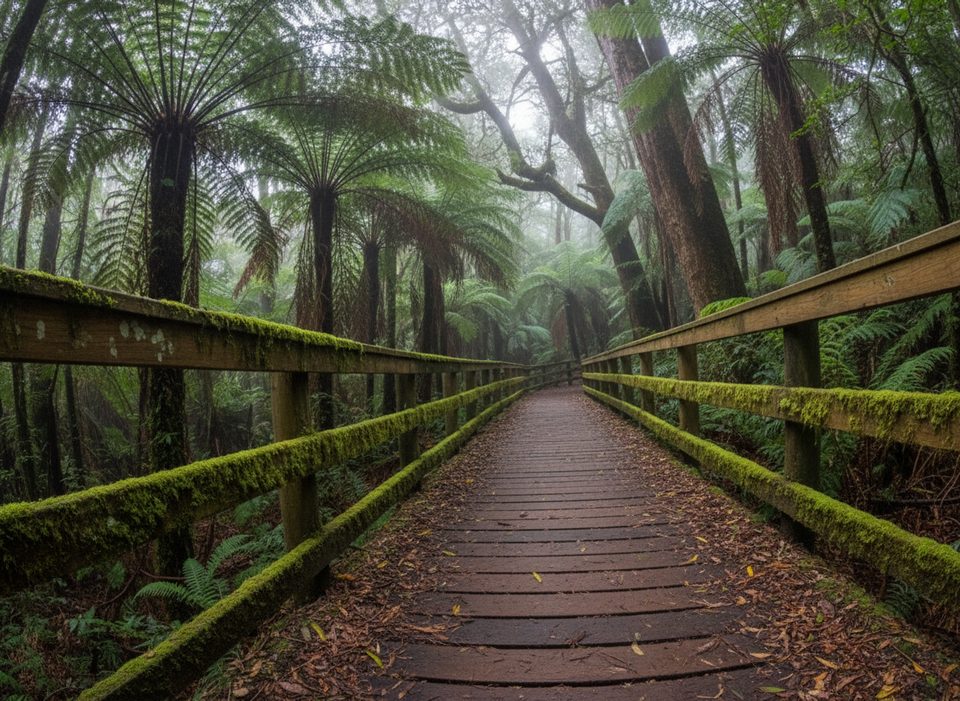
If you’re tackling sections of the Great Ocean Walk nearby, keep an eye out for koalas, echidnas, superb fairy‑wrens, and lizards along the varied forest‑to‑coast habitats.
Johanna Beach (popular with experienced surfers) sits along the same stretch of coast. Inland, picnic spots like Melba Gully and the California Redwoods make easy add‑ons, and there’s camping at Johanna Beach.
Park conditions and access can change. Parts of this coast are managed by the Great Ocean Road Coast and Parks Authority (from July 1, 2025) alongside Parks Victoria—check official notices before you set out.
Place · 0.3 mi away
Place · 0.3 mi away
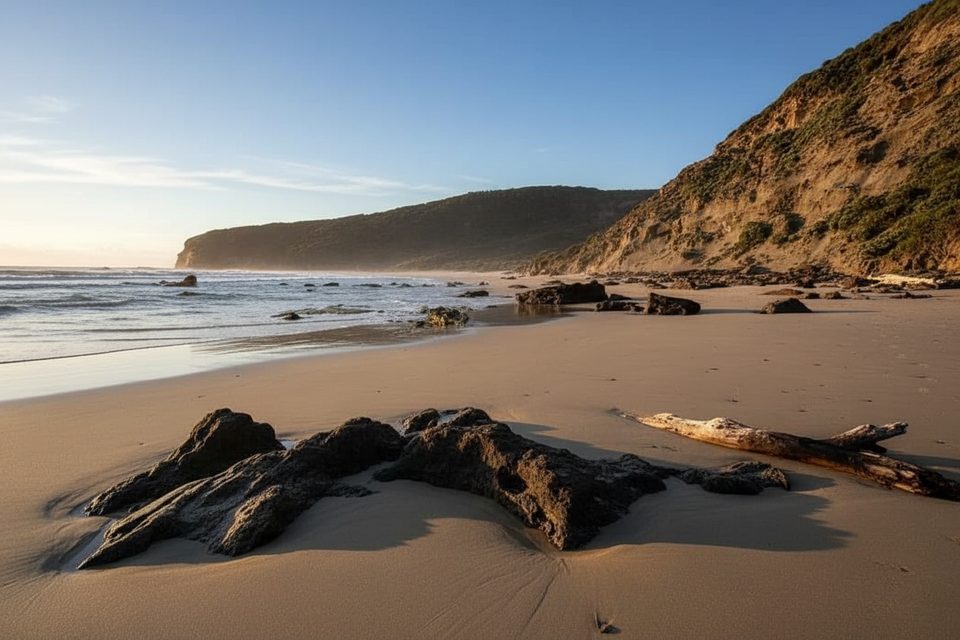
Place · 0.6 mi away
Place · 0.9 mi away
Moderate · 0.4 mi away
Easy · 0.9 mi away
Easy · 9.5 mi away
Easy · 16.4 mi away

Parkwolf Tour Guide
