Place · 0 mi away

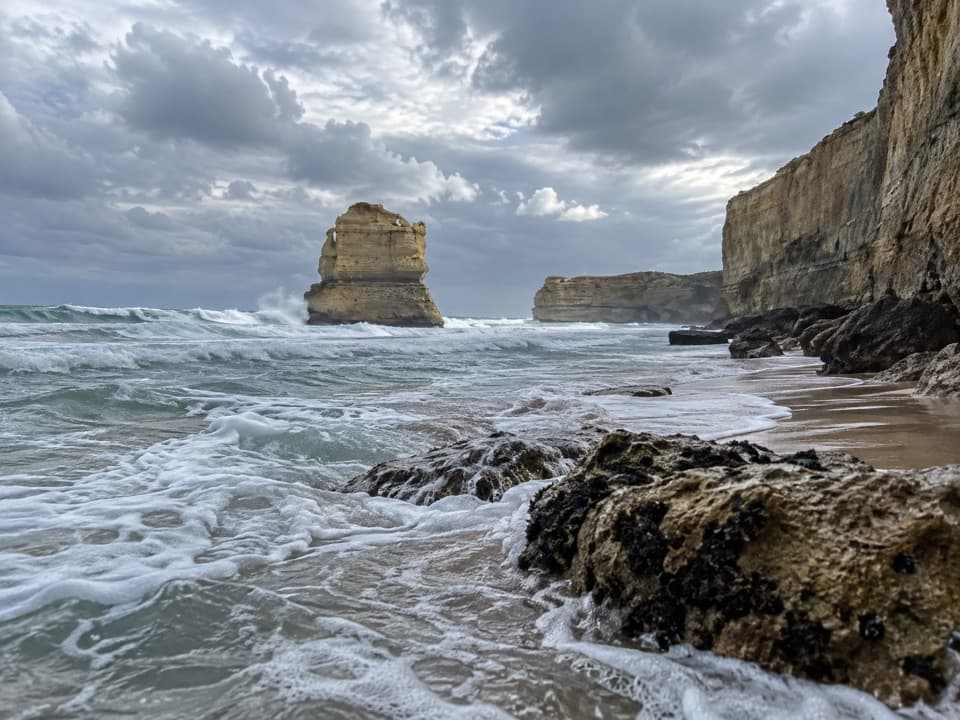
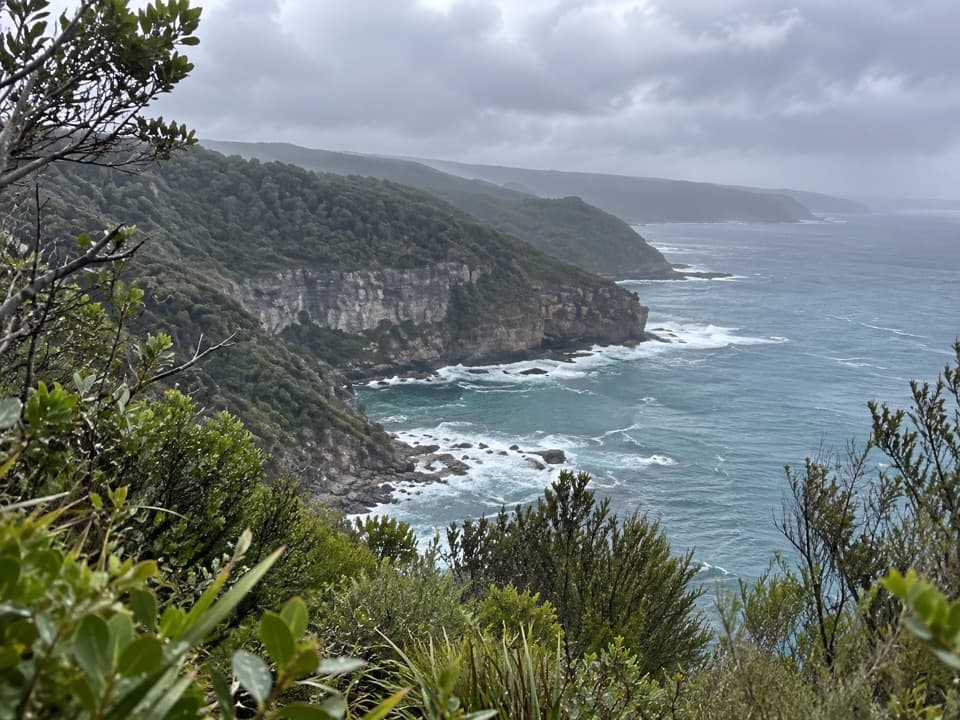
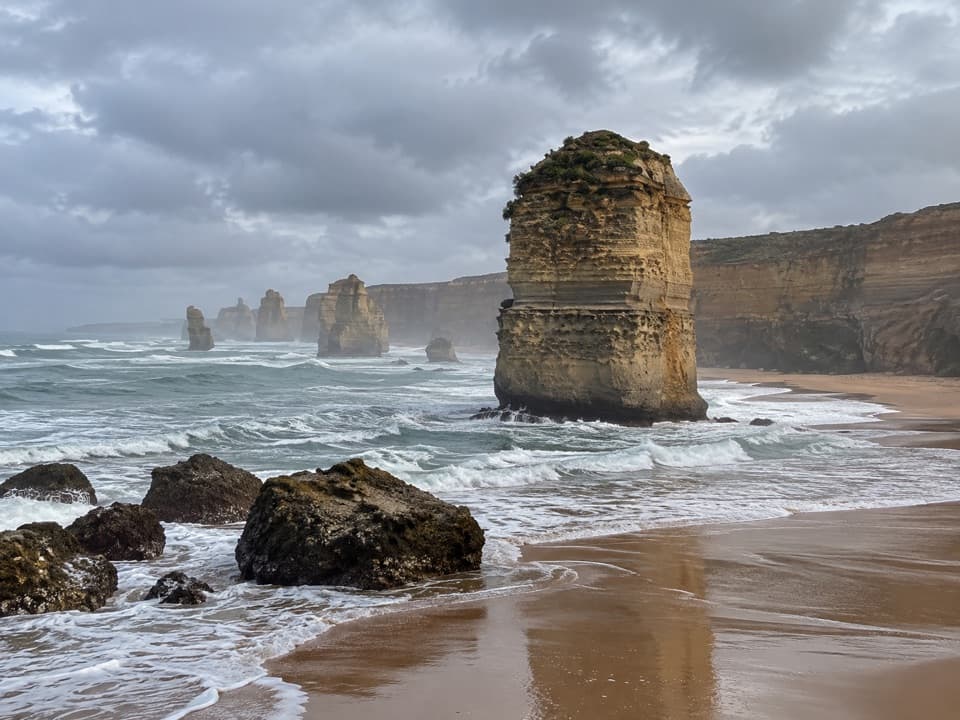
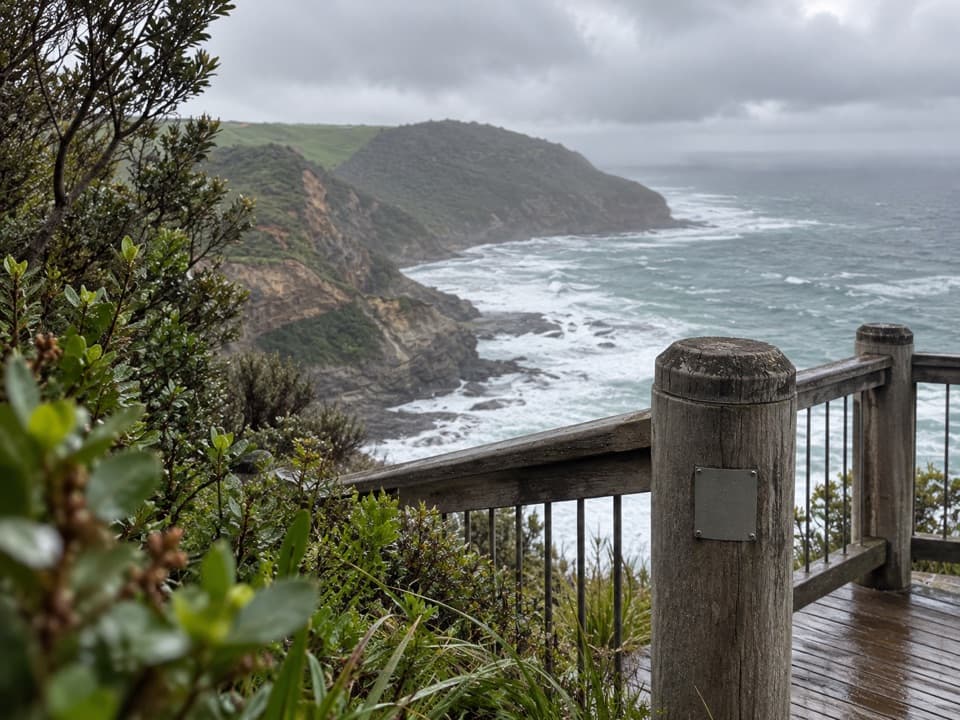
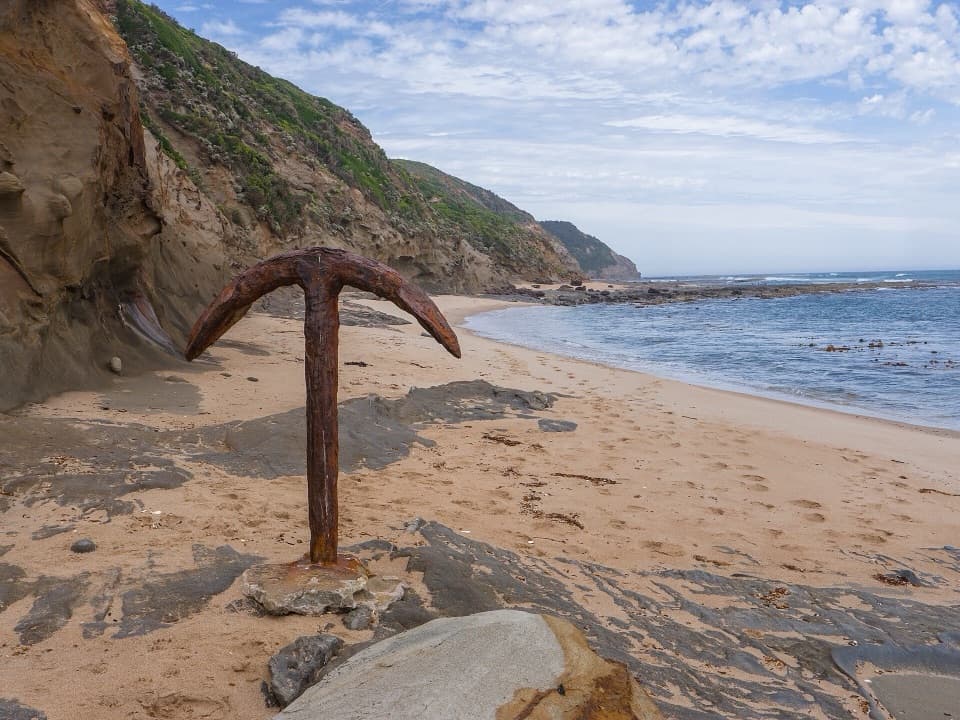
Wreck Beach is the moody, wave-battered edge of the Otways, best known for the rusted anchors from the Marie Gabrielle and Fiji shipwrecks. It feels remote and elemental—more about history, geology and atmosphere than swimming or lounging.
Access is via a signed track and a long staircase of roughly 350 steps down to the sand. The beach sits below Moonlight Head and is tied into the Great Ocean Walk corridor, so you can combine a short anchor-hunting ramble with a longer coastal day. Expect rock platforms, shifting sand, and conditions that change with tide and swell.
At low tide the anchors from the Marie Gabrielle and Fiji emerge on the reef—photogenic, eerie, and worth the timing effort. Up on the cliffs, the Fiji Monument commemorates the 1891 wreck and rescue; it’s about 1 km from Devil’s Kitchen campground on the Great Ocean Walk or roughly a 7 km return from the Wreck Beach carpark, and was formally added to the Victorian Heritage Register in 2024.
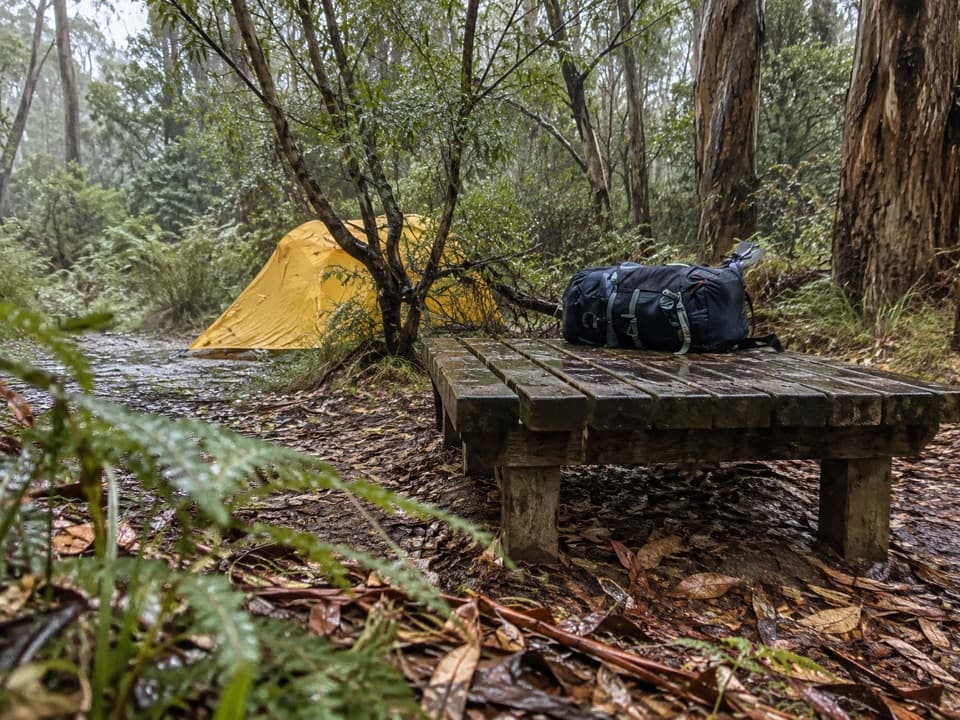
This is an unpatrolled surf coast with strong currents, rough seas, deep water, and slippery rocks, plus unstable cliffs. Sharks are present. Time your visit for low tide, wear sturdy footwear, and keep an eye on the ocean. There are no facilities here—pack out everything. Rules are strict: no dogs, fires, camping, bikes, horses, vehicles, or recreational drones without a permit.
Along the coastal tracks and nearby forests you may encounter wallabies, kangaroos, koalas, echidnas, blue‑tongued lizards, and a variety of birdlife. Echidnas and long‑nosed bandicoots leave diggings that can be trip hazards, especially in low light—step carefully.
If you’re here for the story of the coast, the cliff‑top Fiji Monument is the easiest history fix, with the side track reopened in recent years and short access from Devil’s Kitchen on the Great Ocean Walk.
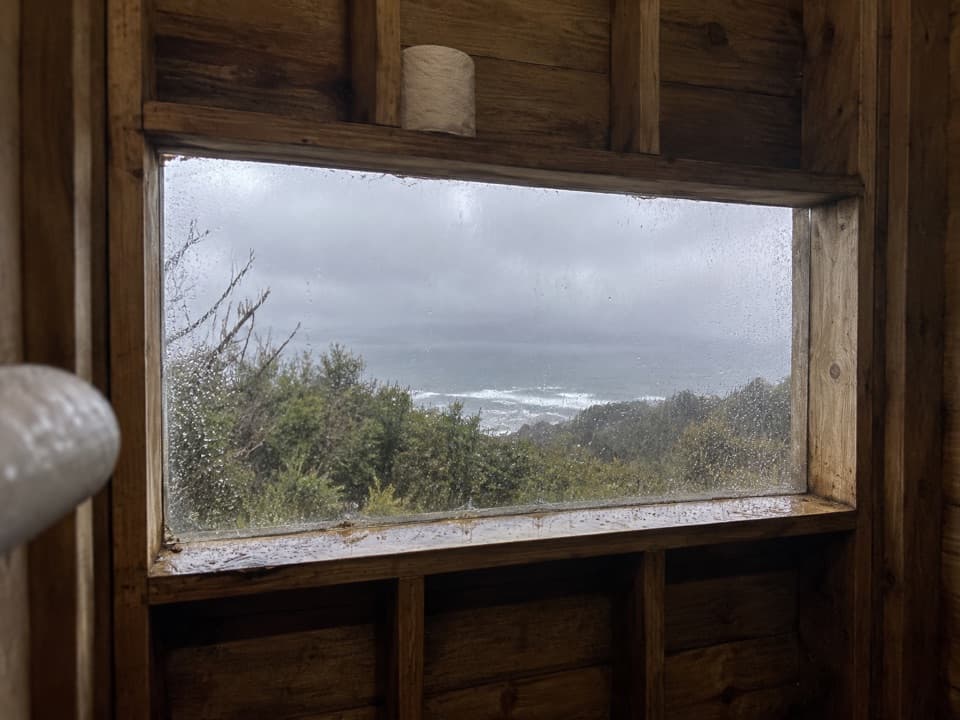
There are no toilets or water at Wreck Beach. Plan to be self‑sufficient. If you need facilities, nearby Melba Gully offers toilets and picnic tables. Management of some coastal sections shifted to the Great Ocean Road Coast and Parks Authority on July 1, 2025, but planning and alerts are still published via Parks Victoria—check current conditions before you set out.
Go at or near low tide to reach the anchors and move safely along the rock platforms. Morning or late afternoon gives softer light on the metalwork and cliffs. Weekdays see fewer hikers. Start early enough to climb the stairs out in daylight; carry a torch if there’s any chance you’ll be finishing near dusk.