
Place · 9.8 mi away
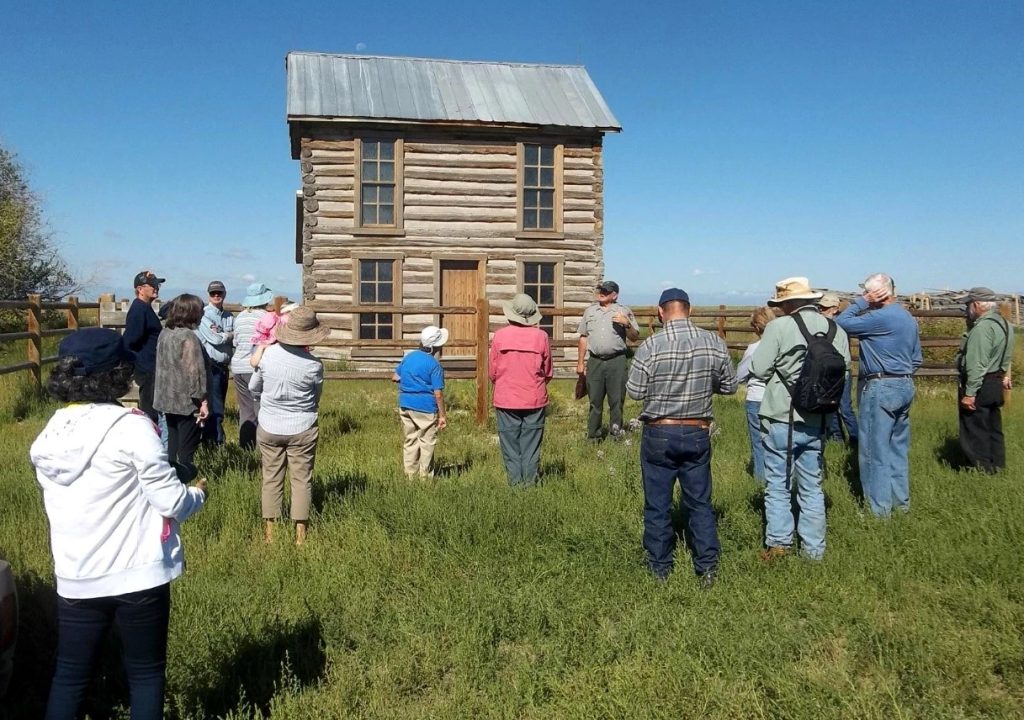
Tucked along the western edge of the dunes landscape, the Trujillo Homesteads tell a powerful story of Hispano ranching life and the region’s cultural clashes. The site was designated a National Historic Landmark in 2012 for its significance. It sits at the boundary of the park and the Baca National Wildlife Refuge and, importantly, is not open to the public.
In the late 1800s, Teofilo Trujillo, a Mexican sheep rancher, settled here and built an adobe home. His son, Pedro, took a different path—raising cattle and constructing a distinctive two‑story log house in the 1880s, unusual for Hispano homesteads of the era. That contrast—sheep and adobe versus cattle and log—captures the cultural and economic tensions that defined the San Luis Valley at the time.
By 1902, conflict with rival Anglo cattlemen turned violent: Teofilo’s sheep were slaughtered and his adobe home was burned. The family soon sold their land, which later became part of the Medano‑Zapata Ranch, now conserved by The Nature Conservancy. What remains today are the stabilized two‑story log house from Pedro’s homestead and the archaeological traces of Teofilo’s place, offering rare insight into Hispano ranch life.
There’s no public access to the homesteads themselves. On occasion, access may be possible through partner‑led tours or special programs coordinated with the park or conservation partners—ask at the Visitor Center for the latest. Do not attempt to reach the site on your own; it lies amid protected lands and ranch property. If you ever do secure permitted access, expect primitive roads and true 4x4 conditions in the surrounding area.
Because there are no facilities at the homesteads, plan around the park’s main services. Use restrooms and fill water at the Visitor Center or the dunes parking area before and after your history fix. The Visitor Center is also a good spot to ask rangers about any scheduled programs connected to the homesteads.
If you can’t join a special tour, you can still experience the story: the park shares descendant interviews and a digital fly‑through that bring the homesteads to life. It’s a meaningful add‑on to a dunes day, especially if you’re drawn to the human history behind this landscape.
If a partner‑led program is offered, aim for early or late in the day. Summer heat in this area can be intense, so plan around cooler hours. Otherwise, treat this as a history stop you’ll explore via ranger programs or digital resources rather than a physical site visit.
Place · 9.8 mi away
Place · 10.7 mi away
Place · 10.7 mi away
Place · 10.9 mi away
Challenging · 12 mi away
Challenging · 12 mi away
Moderate · 12.5 mi away
Easy · 12.5 mi away

Parkwolf Tour Guide
