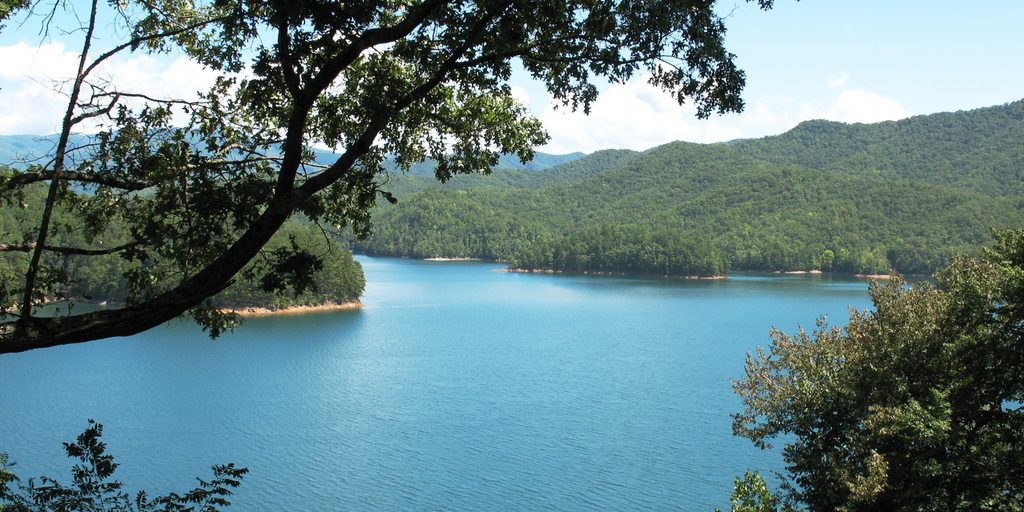
Fontana Lake

Wild, clear mountain lake with boat-to-trail adventures
Fontana Lake, Great Smoky Mountains National Park
InsideGreat Smoky Mountains National Park

Overview

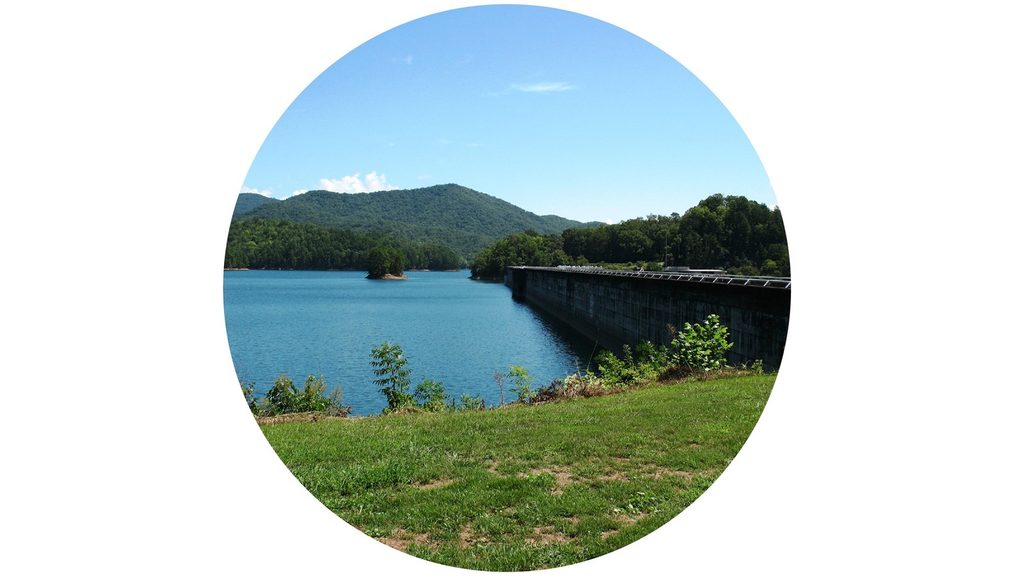
Fontana Lake forms the wild southern edge of the park, a long, narrow reservoir backed by the 480‑foot‑tall Fontana Dam—completed during World War II and the tallest dam in the East. The shoreline feels largely undeveloped, with sweeping Smokies ridgelines framing clear, deep water.

Why go

If you like your mountain lakes quiet and scenic, this is your spot. Weekdays can feel blissfully empty, with glassy water and huge views. It’s also one of the best gateways into the park’s most remote country—some trailheads are realistically reached by boat.

What to do

  • Boating and paddling: Explore coves by pontoon, kayak, canoe, or SUP; rentals are available on the lake. The water is clear and calm on many days, perfect for an easy cruise or a full-day paddle.
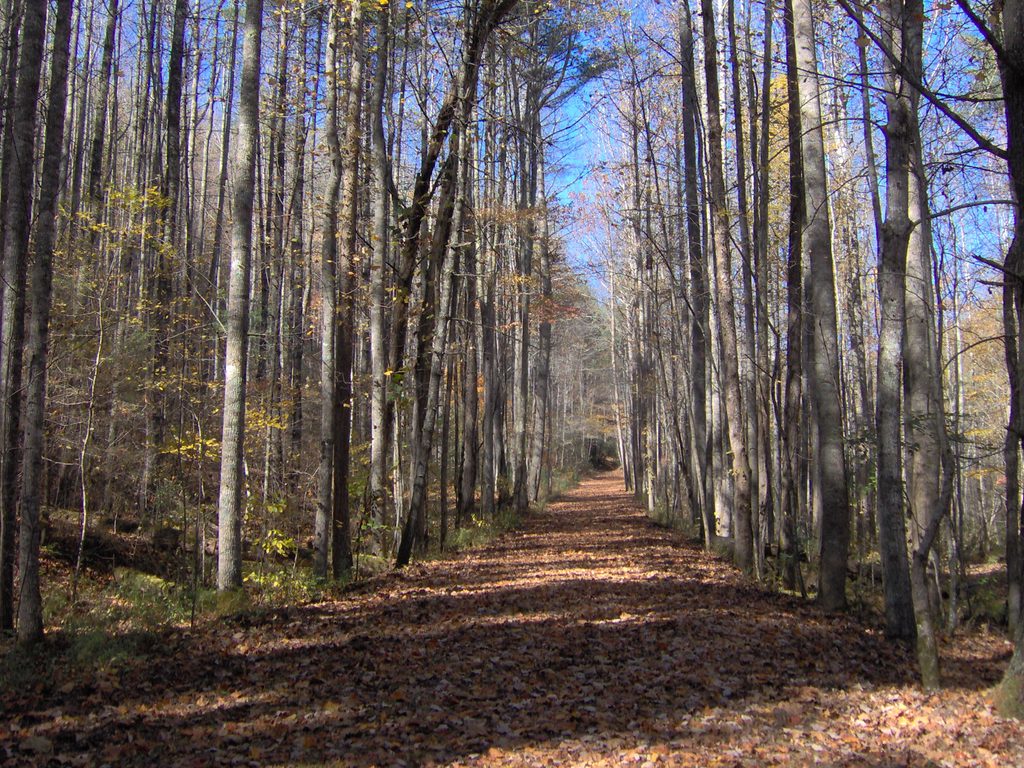
  • Hike-by-boat days: Shuttle or paddle to north-shore trailheads for hike-and-paddle combos. Lakeshore Trail begins near the dam and runs all the way toward Bryson City; Hazel Creek is a classic remote destination.
  • Fishing: Anglers target smallmouth bass here, along with walleye, crappie, and catfish.
  • Dam experience: Walk or drive across the top of the dam (the Appalachian Trail crosses it) for big perspectives on the lake and gorge.

What to expect

  • Shoreline reality: It’s mostly steep banks and deep water—great for scenery and paddling, not so much for sandy beach lounging.
  • Seasonal water levels: After October, the lake is drawn down significantly, exposing mudflats in some coves.
  • Remoteness: Services are limited around much of the lake; plan your food, water, and restroom stops in advance.

History & context

Fontana Lake was created when the dam closed in 1944, a massive wartime project that reshaped the Little Tennessee River valley. Several small communities—like Proctor and Judson—were submerged, and today’s quiet coves hide a surprising amount of history beneath the surface.

Wildlife

On the water, keep an eye out for fish activity—this is prime smallmouth country with a mix of other game fish. Along the forested shores, you’ll hear and see a diversity of birds typical of the Smokies’ lake-and-cove habitats.

Best time to visit

  • For quiet water and fewer boats: Weekdays year-round, especially mornings.
  • For paddling and swimming: Late spring through early fall when levels are up and temps are warm.
  • For fishing focus: Cooler seasons see less boat traffic; winter fishing is popular.
  • Photography: Early and late light for reflections; on the clearest days you can spot the lake from high viewpoints like Clingmans Dome.

Pros

  • Clear, uncrowded mountain water with big views
  • Boat access to remote GSMNP trailheads like Hazel Creek and Lakeshore

Cons

  • Steep shoreline with very few beachy spots
  • After October, water levels drop and some coves turn muddy

Tips

  • Weekdays are noticeably quieter—plan your big paddles then.
  • Expect steep, deep shorelines; plan jump-in stops rather than sandy beaches.
  • After October, drawdown exposes mud in coves—check levels before camping or paddling far.
  • Bring a paper or offline map; the lake’s maze of arms plus spotty cell can be disorienting.
  • Approaches like US‑129 (Tail of the Dragon) are very twisty—drive early or off‑peak.
The Parkwolf tour guide sitting on a phone mounted in a car

Parkwolf Tour Guide

Like a tour guide in your car.

Save the places you found around Great Smoky Mountains, then let Parkwolf guide the drive between them.Download Parkwolf on the App Store