
Place · 0 mi away
Easy
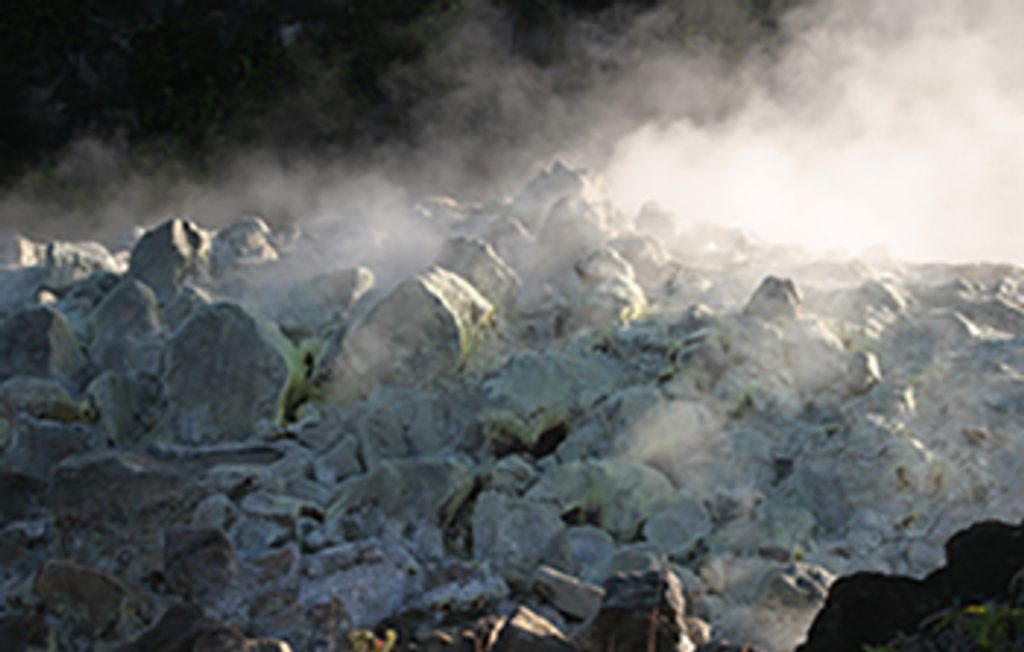
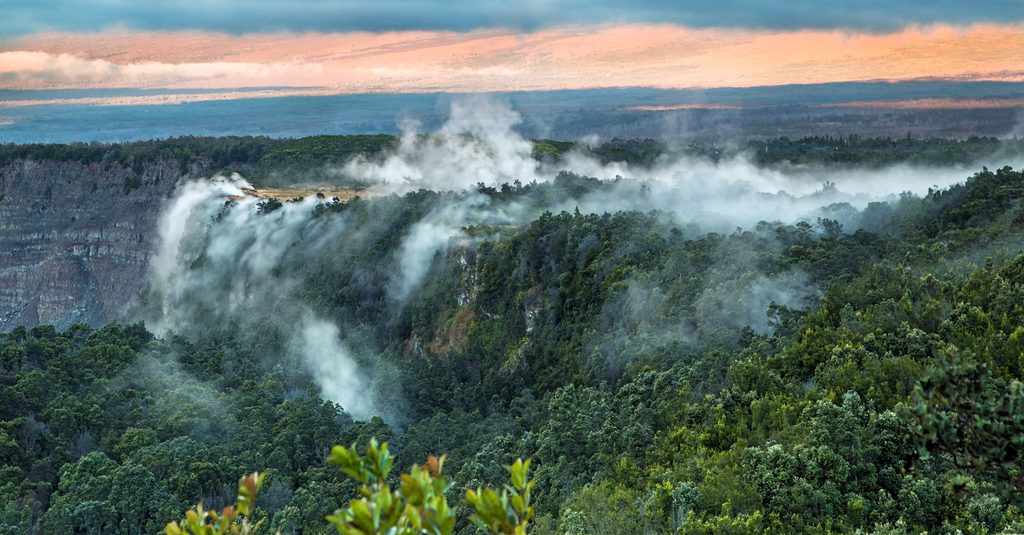
This short walk threads through an active degassing zone where volcanic gases rise from the ground, leaving bright yellow sulfur crystals and red‑brown stains where sulfuric acid has altered the lava into clay. Steam vents puff across the landscape, and you’ll pass interpretive signs that explain what’s happening under your feet. The smells are part of the show—think struck matches (sulfur dioxide) and rotten eggs (hydrogen sulfide)—and the ground can be amazingly hot just below the surface (historic measurements found ~205°F about 50 feet down).
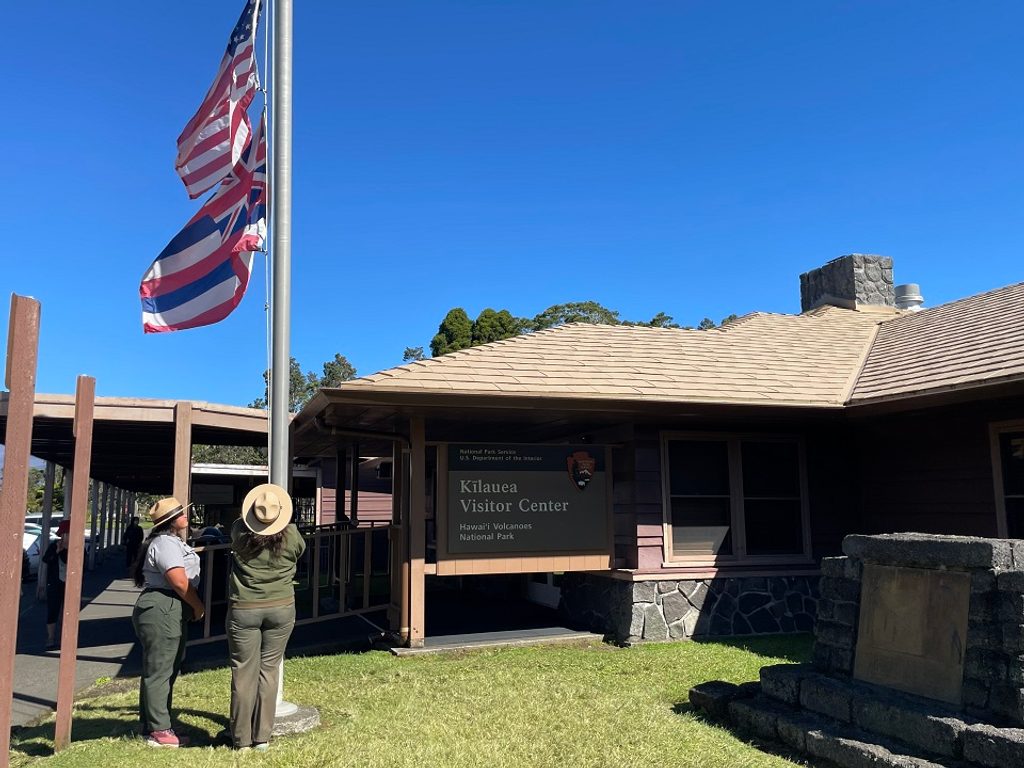
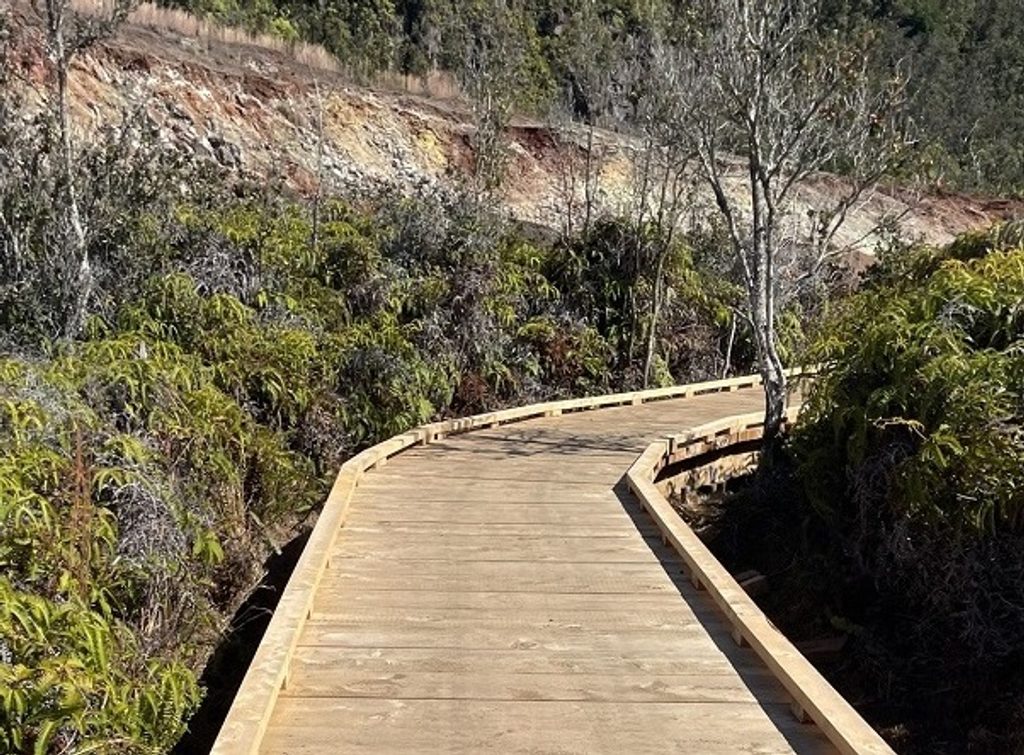
From the Kīlauea Visitor Center area, it’s an easy, mostly flat walk on a mix of paved path, gravel, and raised boardwalk to the Sulphur Banks. Expect roughly 1.2 miles total out-and-back for the Sulphur Banks portion, or make it a popular loop (about 1.4 miles) by continuing to the Steam Vents across Crater Rim Drive and returning. Surfaces are generally smooth, but you may encounter short stairs depending on your route.
Yes—especially if you want maximum geology for minimal effort. In a very short distance you get fumaroles, colorful mineral deposits, and a taste of how alive Kīlauea still is. It’s not a wilderness hike, and it can be crowded, but as a quick, close-to-the-car introduction to the park’s volcanic heartbeat, it’s a winner. If you have more time later, pair this with a longer caldera or crater hike elsewhere in the park.
Year-round is fine. Go early or late in the day for cooler temps, softer light for photos, and easier parking. Mornings typically see fewer people; lots fill after about 9 a.m. Dry weather is best—condensation and minerals can make surfaces slick when wet. On windy days, note the wind direction; steam and gases can drift across the path.
Park at Kīlauea Visitor Center or Volcano House; an alternative lot at the Steam Vents across Crater Rim Drive also connects by trail. Lots fill after 9 a.m., so arrive early.
Active thermal area: hot ground and volcanic gases (SO₂, H₂S, CO₂). Stay on boardwalks; off-trail ground can be thin and unstable. Fumes can affect those with respiratory issues, infants, and pregnant people. Surfaces may be slick when wet; watch wind direction.
Place · 0 mi away
Place · 0 mi away
Place · 0.1 mi away
Place · 0.1 mi away
Easy · 0 mi away
Moderate · 0.2 mi away
Easy · 0.4 mi away
Easy · 0.7 mi away

Parkwolf Tour Guide
