
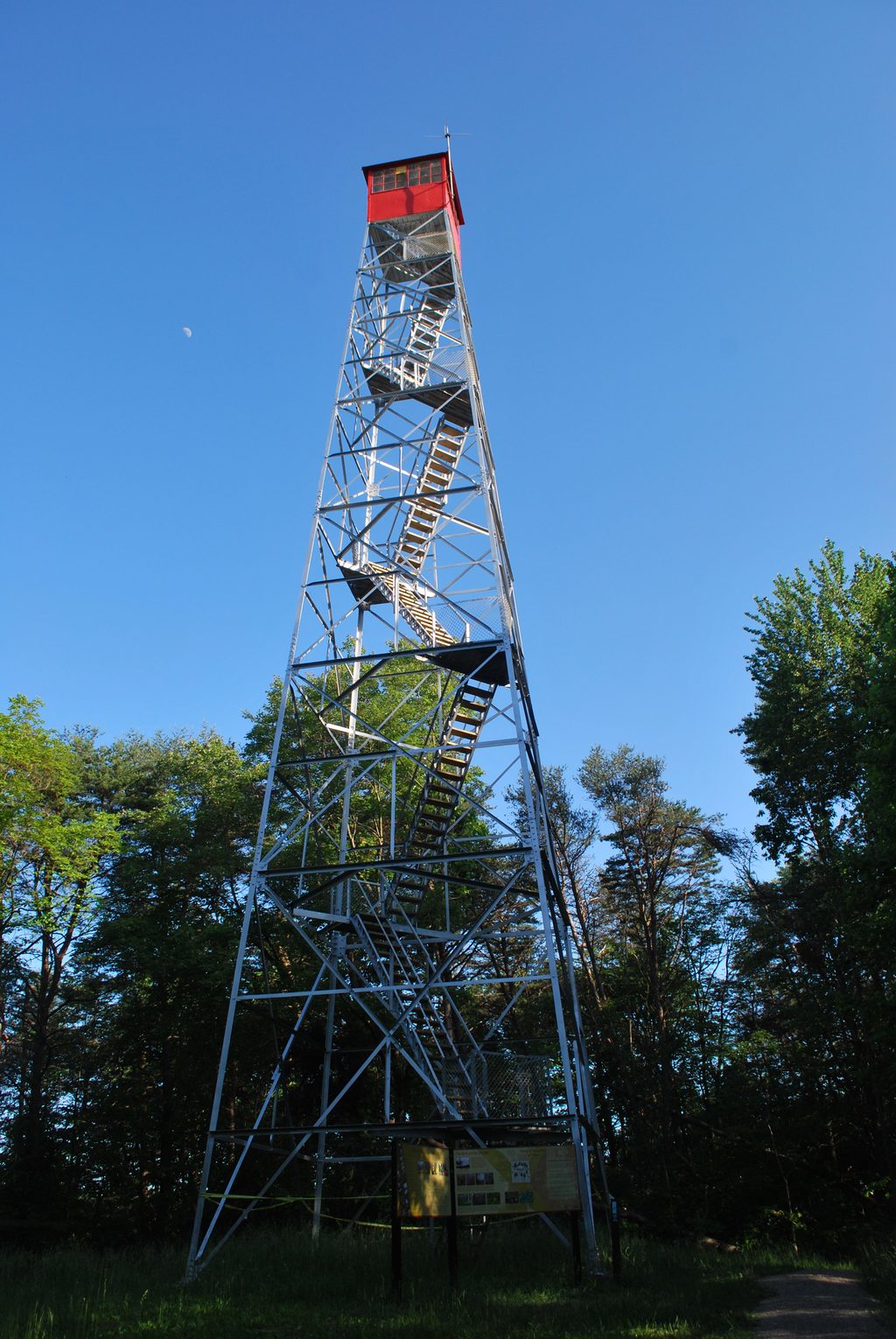
Place · 0.4 mi away
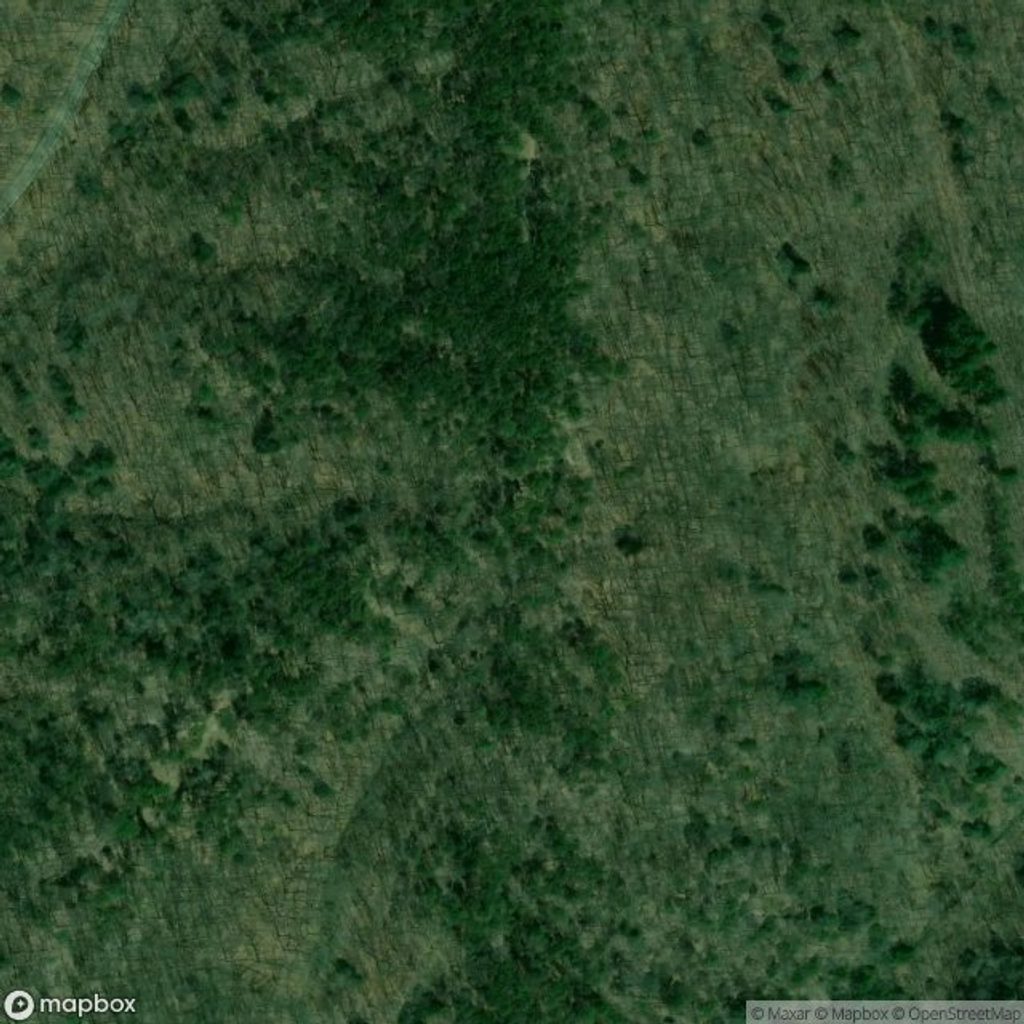
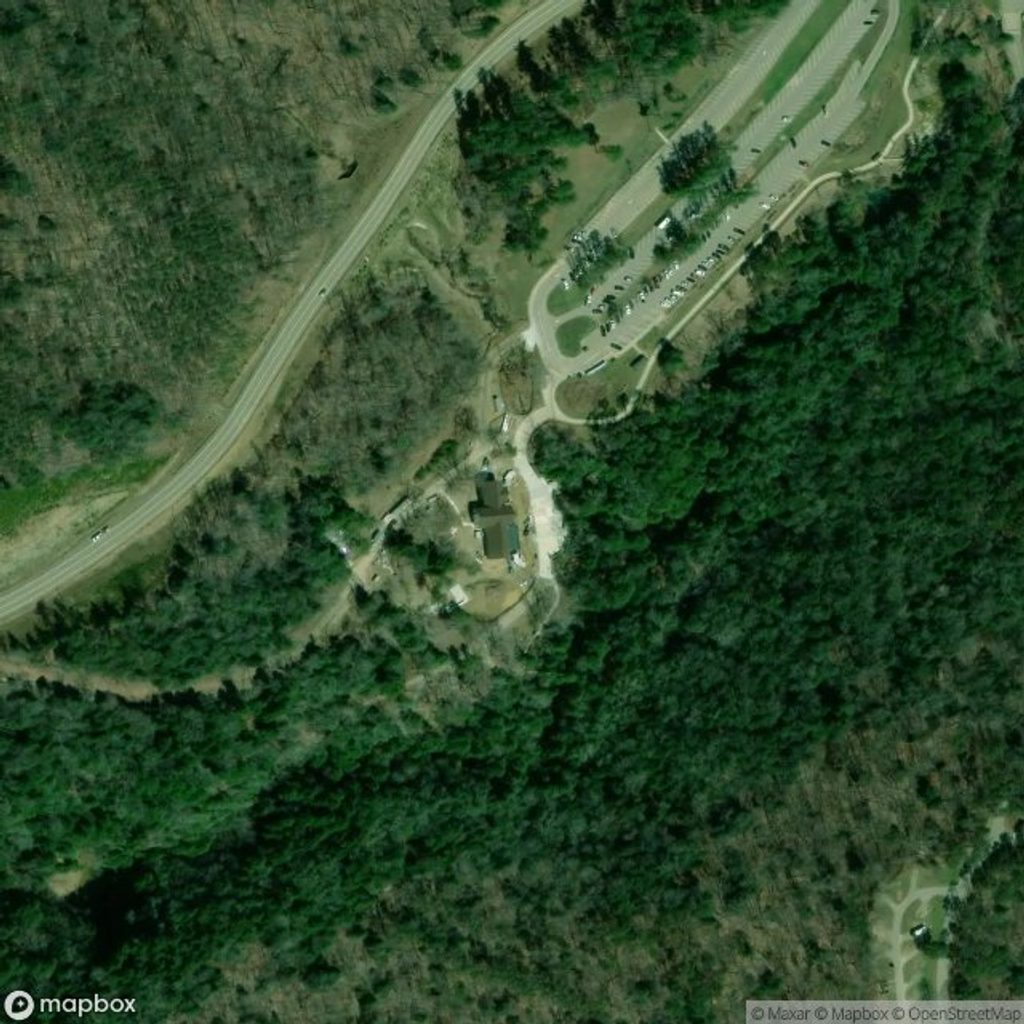
This is the park’s rustic, tent‑only group area: a simple clearing in the woods designed for teams, clubs, or big family campouts that want a back‑to‑basics base close to Hocking Hills’ famous gorges and caves. Expect a quiet, deep‑forest feel rather than the bustle of the main campground.
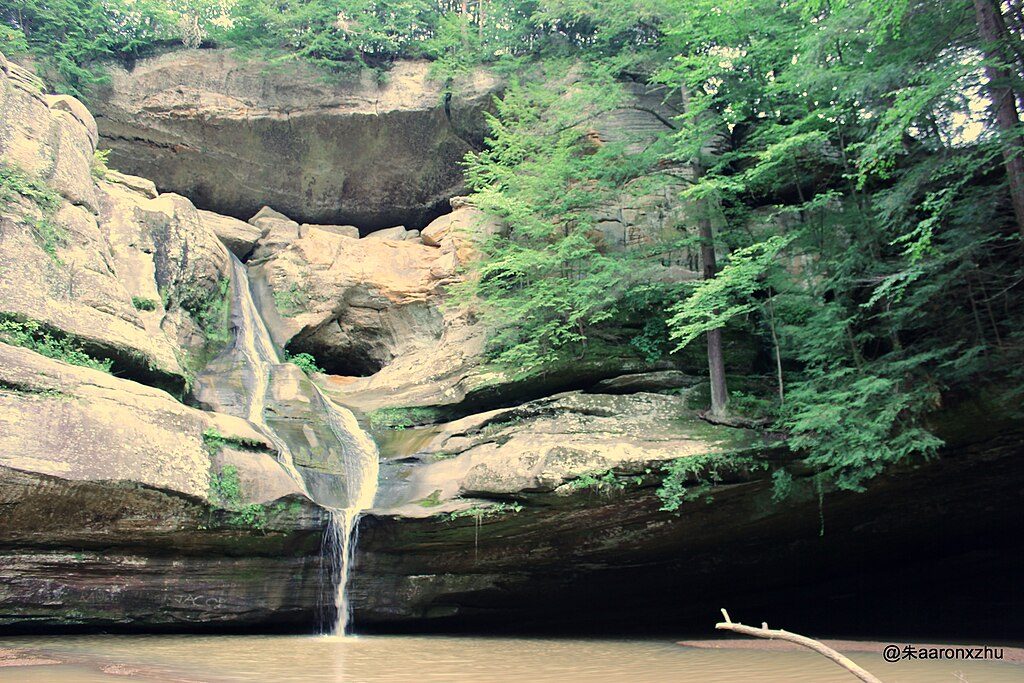
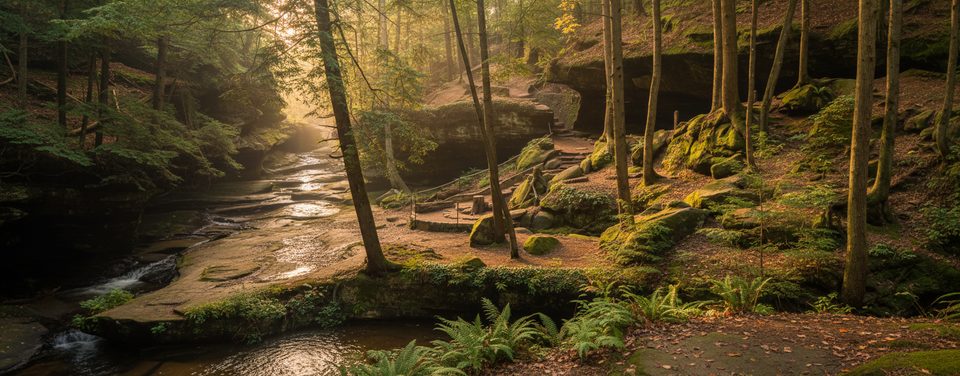
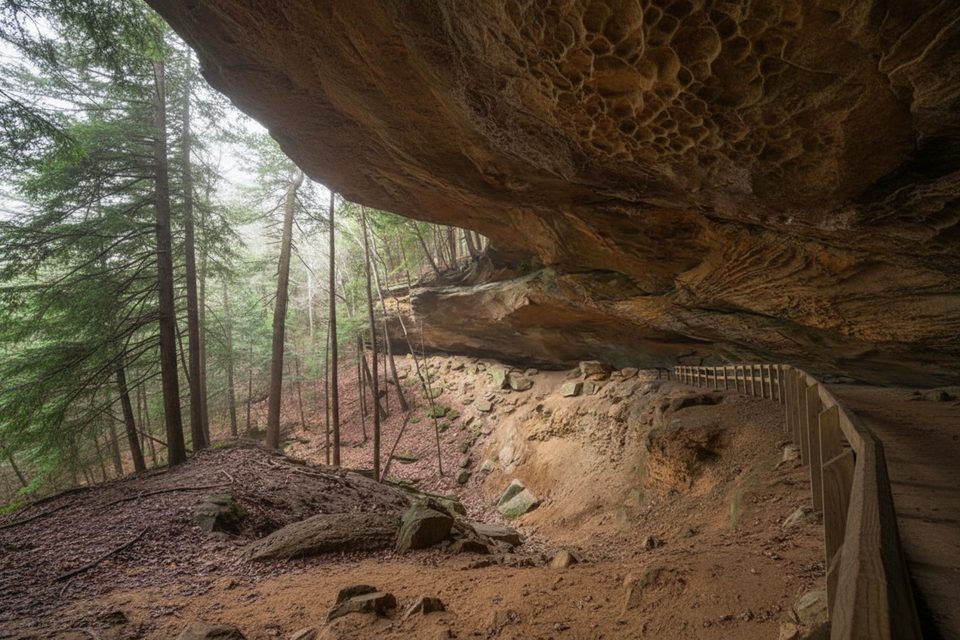
From camp, you’re positioned for quick day trips to the park’s headliners—Old Man’s Cave, Cedar Falls, Ash Cave, Rock House, Whispering Cave, and Cantwell Cliffs—along trails carved into the park’s Black Hand Sandstone gorges. Trails are open from 30 minutes before sunrise to 30 minutes after sunset, so you can hit the classics early and be back in time for dinner.
Reservations are required and open up to six months in advance through the state system or by phone. As of September 26, 2025, ODNR lists campground upgrades that close Campsites 94–172 and Shower Houses 2 & 3 (closed September 1, 2025). Additional closures begin October 1, 2025 (Campsites 1–23, 71–73, 76–80, plus Sherman Cabins), with a planned reopening of June 1, 2026. The Group Camp isn’t specifically called out as closed—verify availability before you book.
In the off‑peak season (November 1–April 1), water access is limited park‑wide; Shower House 1 is the reliable water source. Plan to fill containers there and bring them back to camp. Cell coverage is spotty throughout the campground area; a booster near the ranger station may help in a pinch.
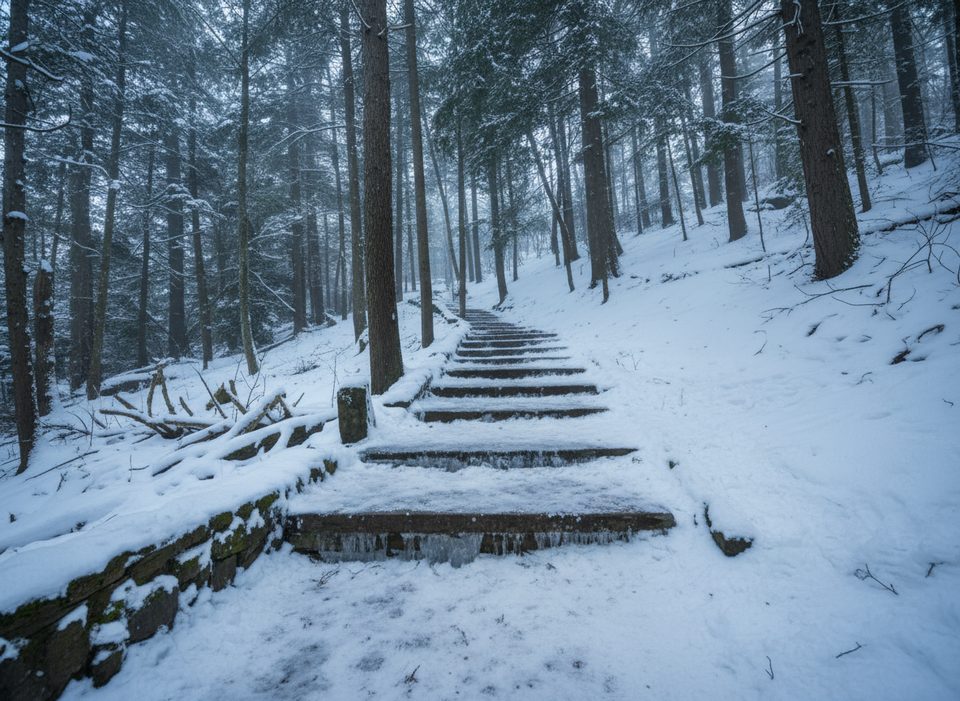
This is real woods camping—snakes do turn up, so watch your step, keep food tidy, and use a headlamp at night. Trails can be narrow and slick along bluffs; stay on marked routes and wear good traction, especially in winter.
If your group wants a more private, nature‑first experience and doesn’t mind pit toilets and hauling water, this spot is a win. If you’re banking on full amenities or strong cell service, book standard campground sites instead and visit the trails by day.
Late spring through fall offers the smoothest logistics, with more facilities open and long hiking days. In winter, it’s quieter but decidedly more primitive—plan around the limited water service and icy trails.
Place · 0.4 mi away
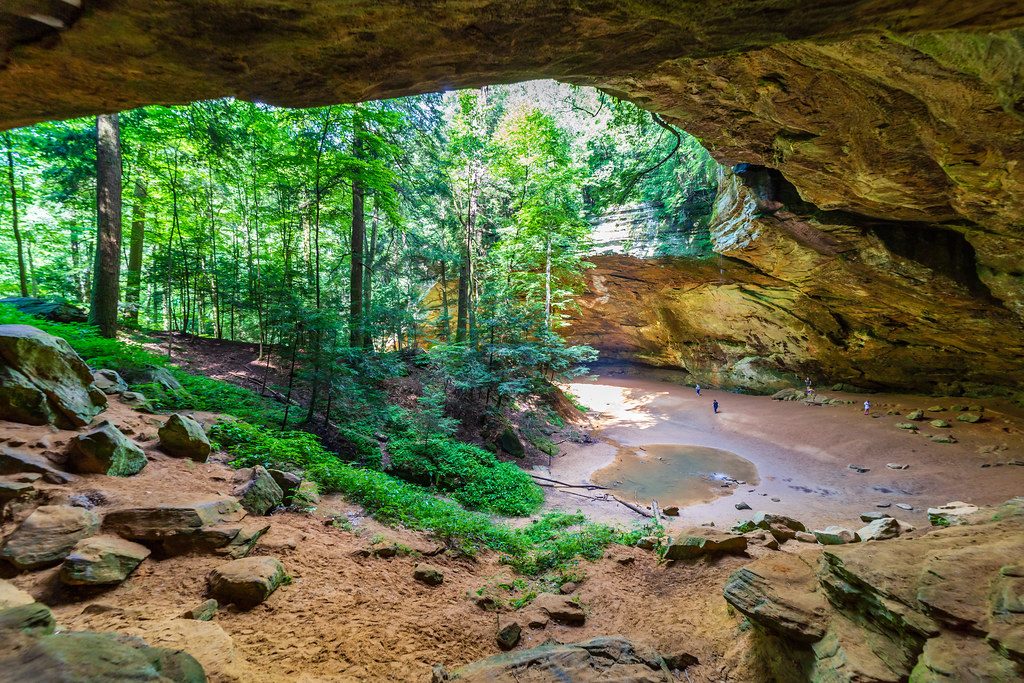
Place · 0.8 mi away
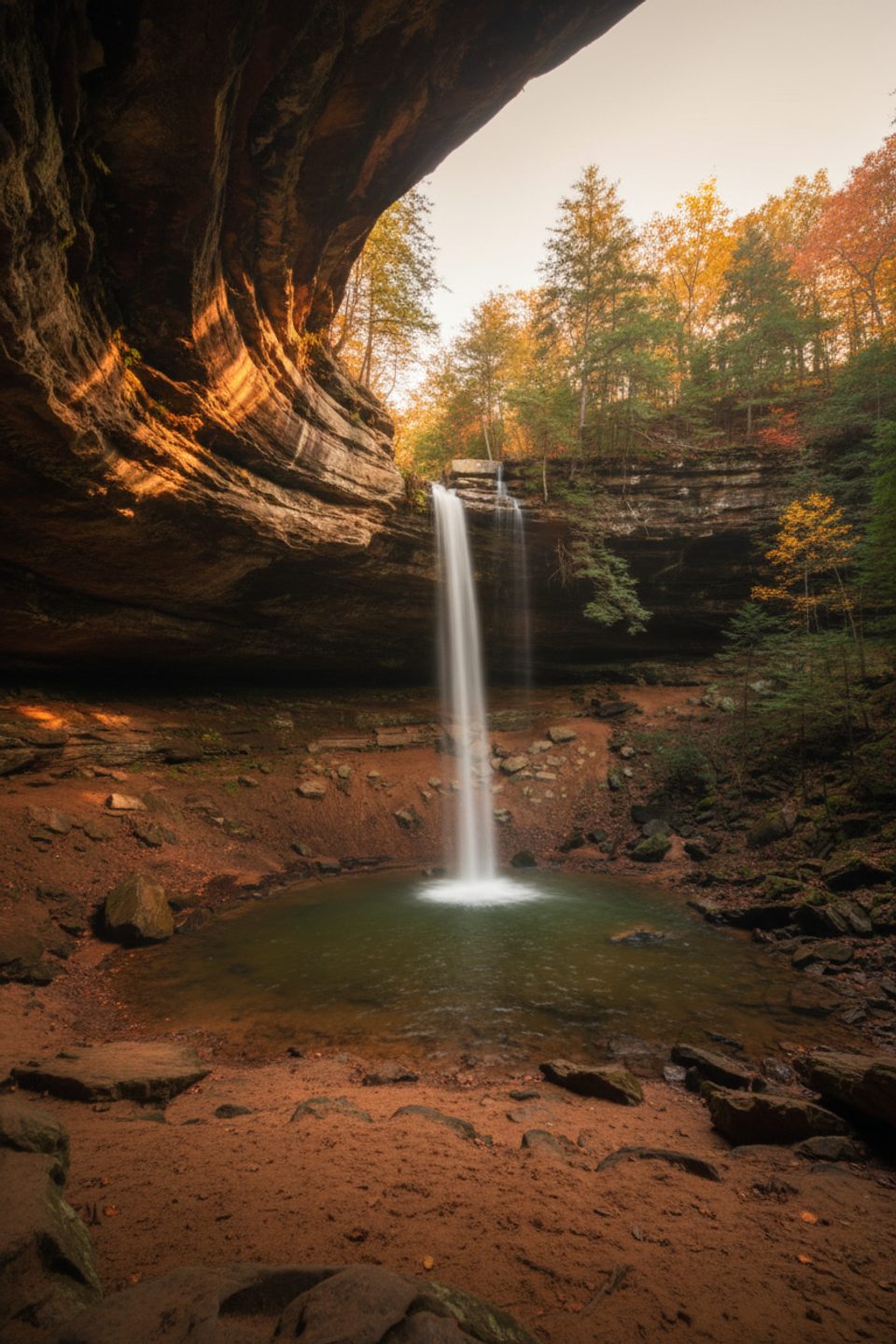
Place · 0.8 mi away
Place · 1.4 mi away
Moderate · 1.2 mi away
Moderate · 2.2 mi away
Moderate · 2.5 mi away
Moderate · 2.5 mi away

Parkwolf Tour Guide
