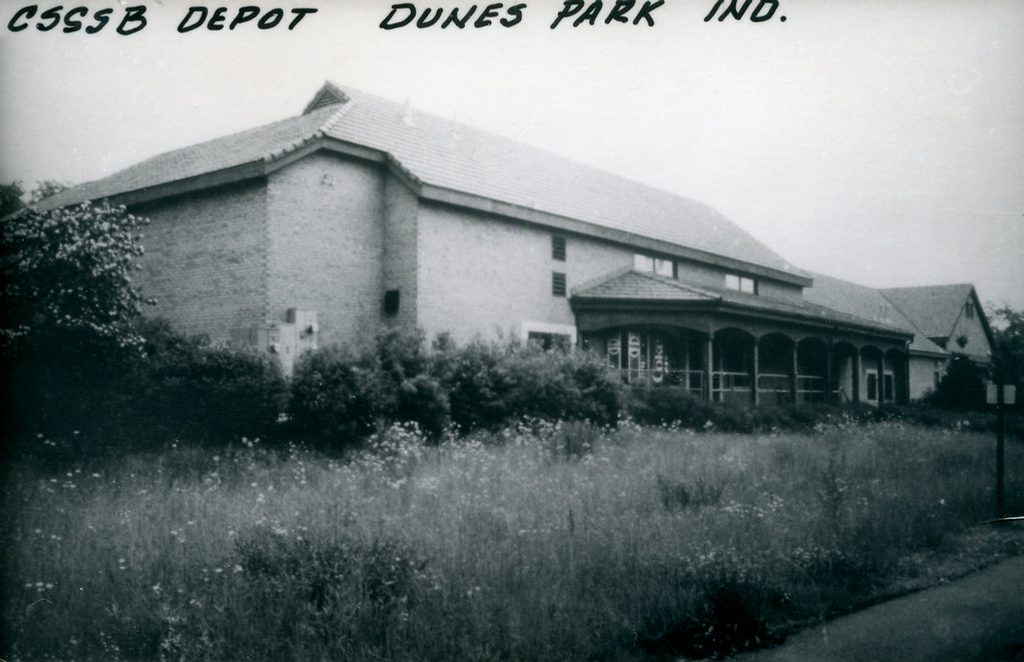
Dune Park Station

Rail-and-trail gateway to the dunes with easy parking
Dune Park Station, Indiana Dunes National Park
InsideIndiana Dunes National Park

Overview

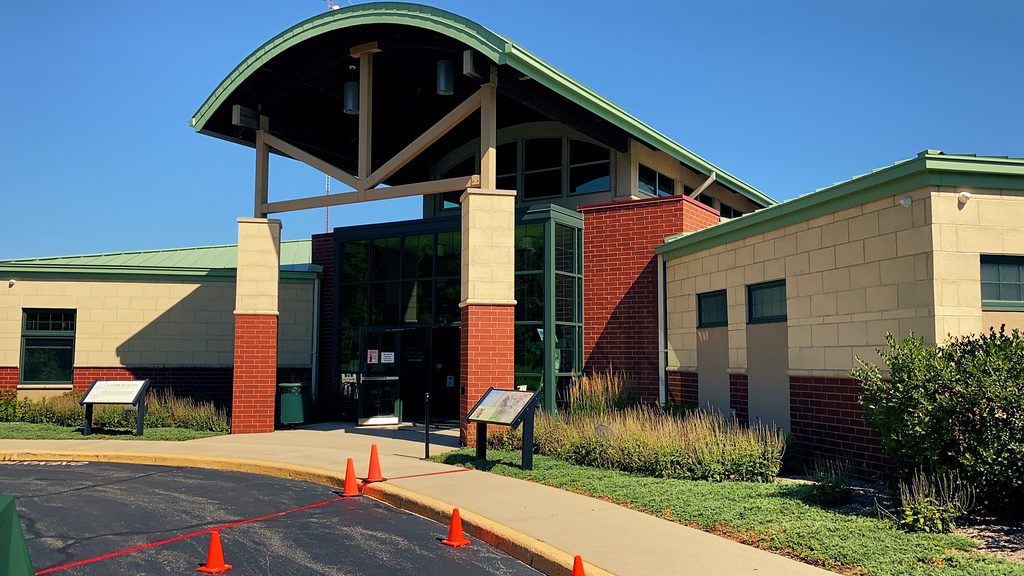
Dune Park Station is the rail-and-trail gateway tucked into the heart of the dunes corridor. It’s a clean, modern South Shore Line stop surrounded by protected land, perfectly positioned for car‑free adventures or an easy park day with a reliable train connection. Expect a practical transit hub: ticket machines, restrooms, seating, and a big parking lot.

Why Stop Here

  • Trail connections right outside: step off the platform and link into the Calumet Trail, with quick connections to the Dunes‑Kankakee Trail.
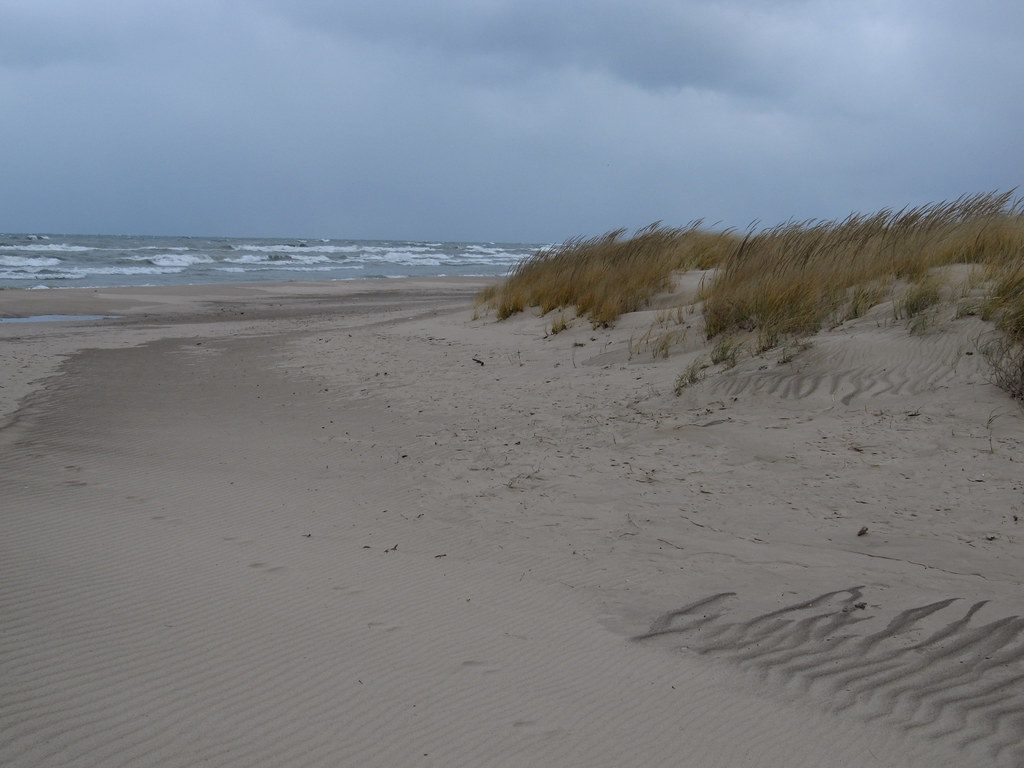
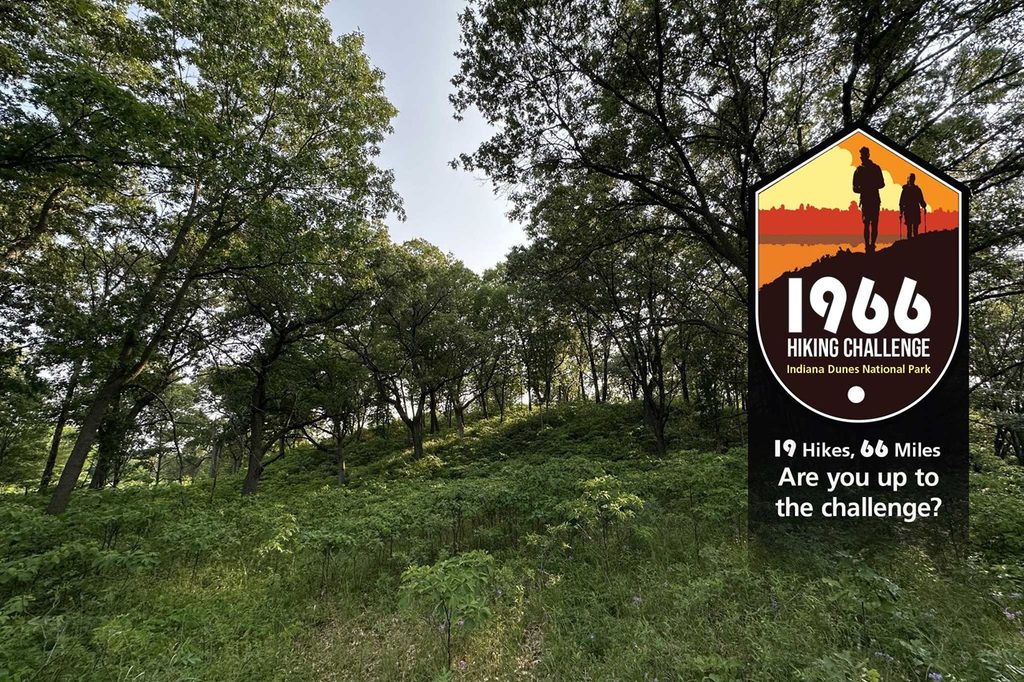
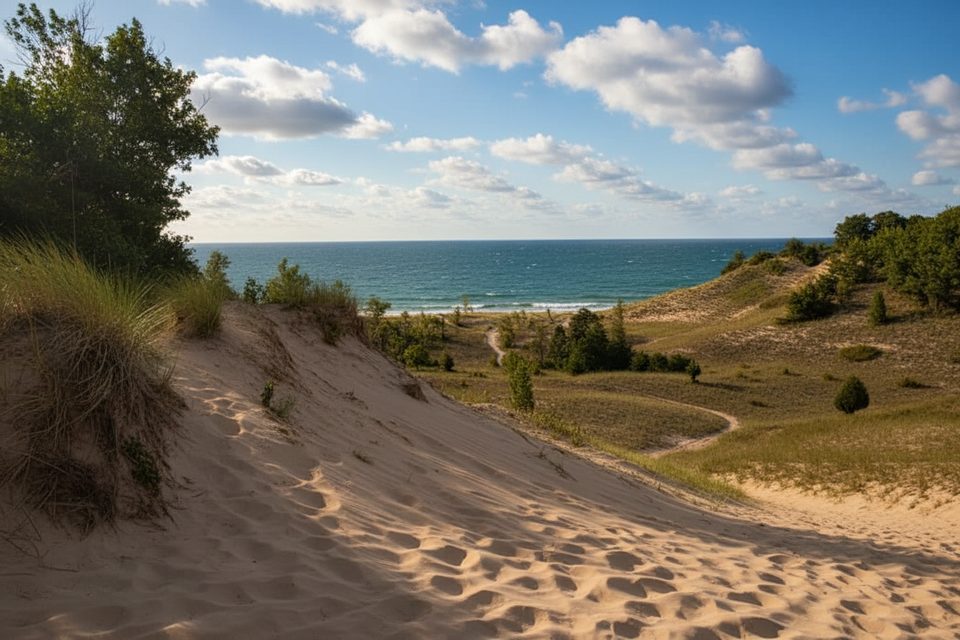
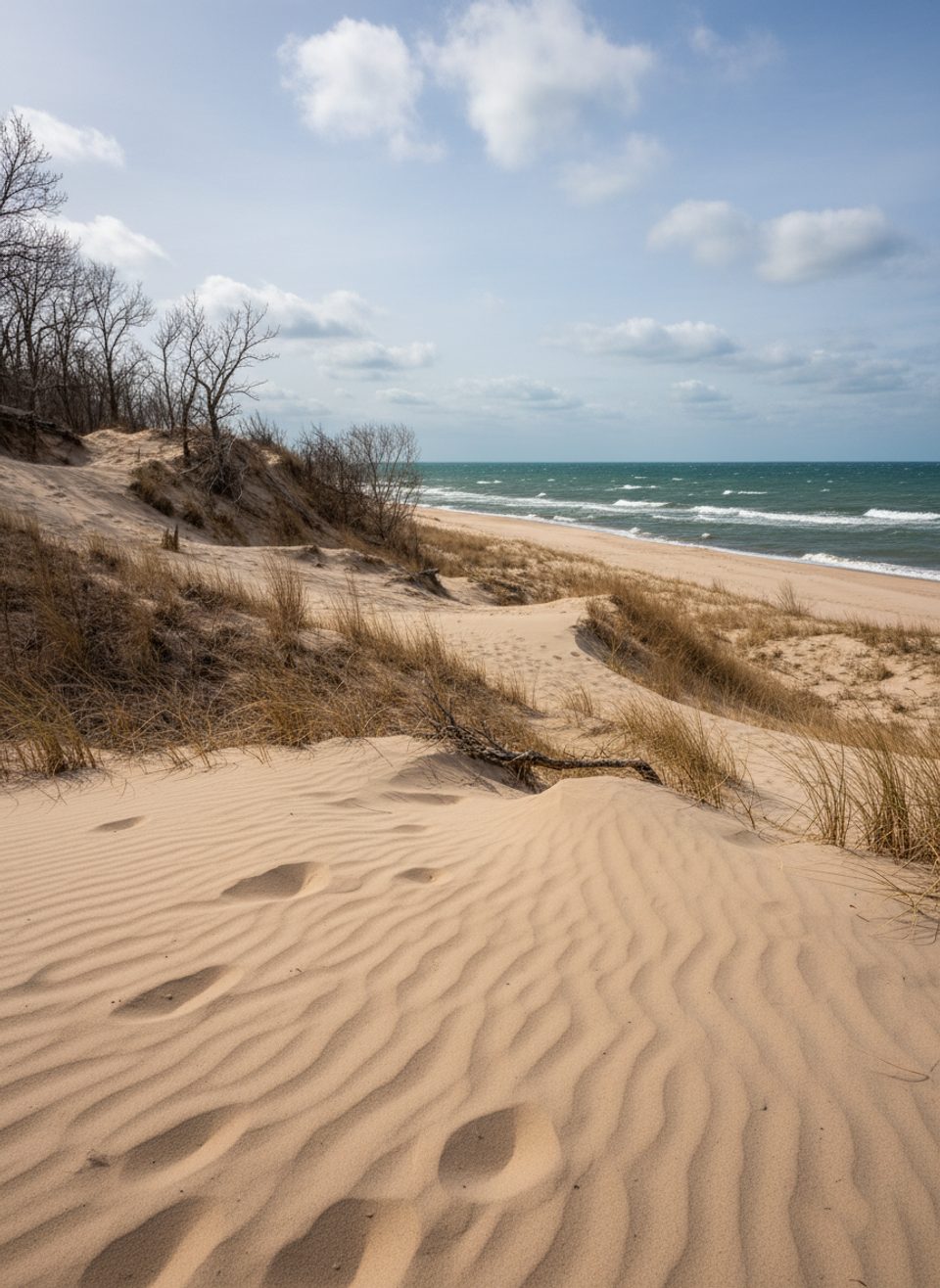
  • It’s the most convenient train stop for exploring nearby dunes, oak savanna, and beaches—reach them by walking, biking, or a short drive from the lot.

What It’s Like

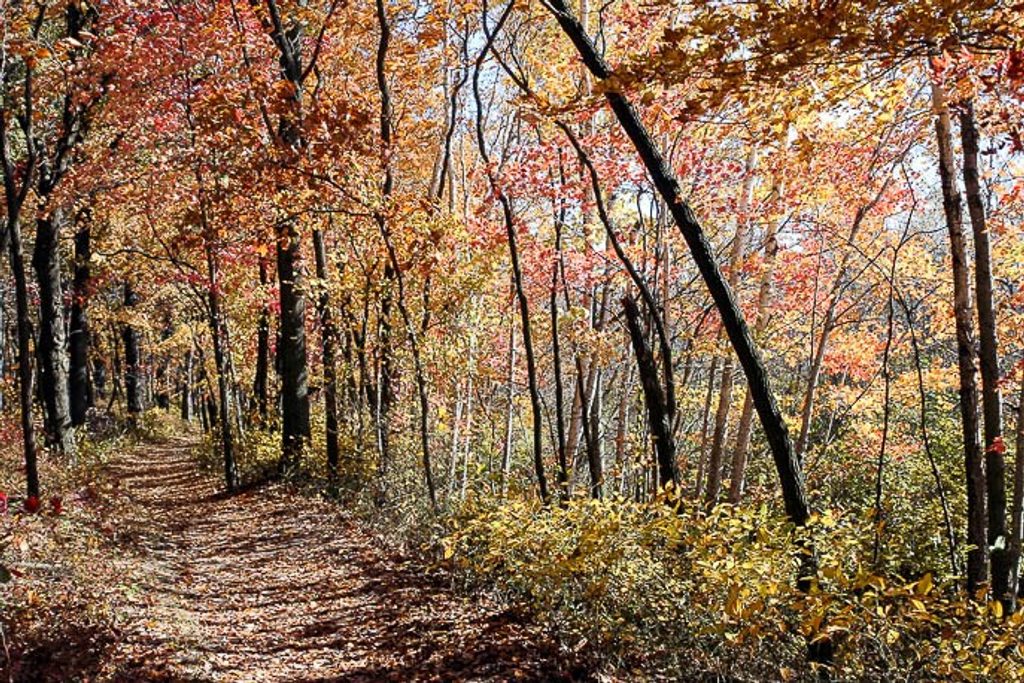
It’s crisp and functional rather than photogenic. You’ll find clear signage, a tidy waiting area, and vending machines for quick snacks. The surroundings shift fast from rails to nature—head north/east for dune landscapes and forested paths, or roll straight onto the adjacent trail.

Getting Around from the Station

  • Trails: Use the Calumet Trail as your spine; it links toward beaches and park hotspots. The Dunes‑Kankakee Trail offers an additional corridor into the park’s interior.
  • On foot: Reaching the state park entrance takes roughly 30–45 minutes; plan extra time to hit the lakeshore.
  • By bike: The station is bike‑friendly, making rail‑to‑trail days straightforward.

Wildlife & Nature

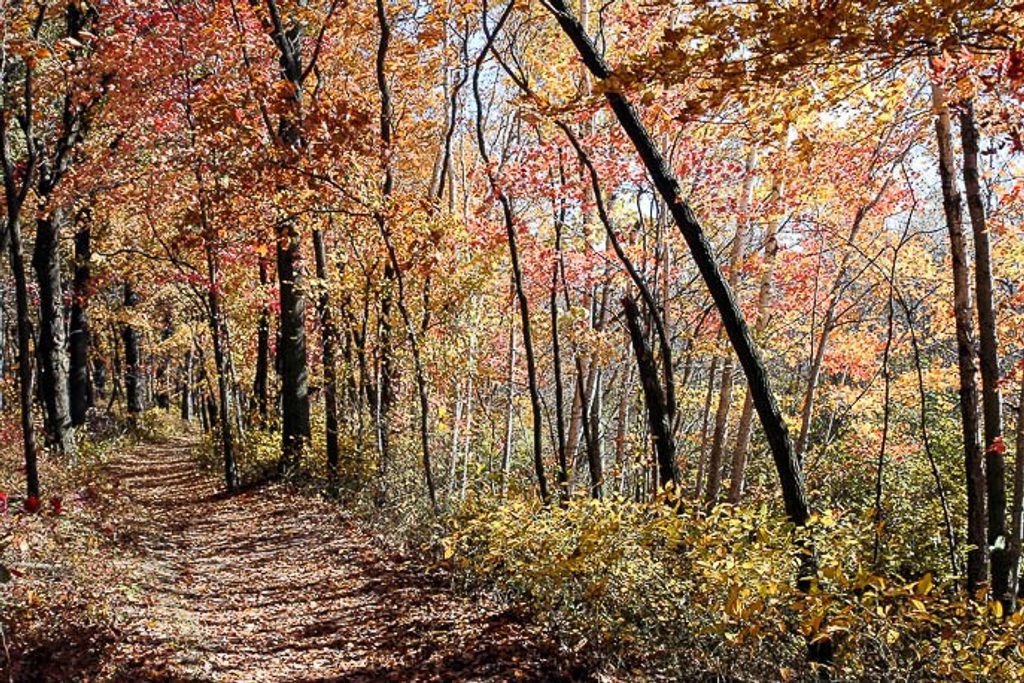
You won’t spot much wildlife from the platform, but once you’re on the trails, keep an eye out for migratory and resident birds, deer, and small mammals typical of the dunes and oak savanna. Early mornings are best for bird activity along the trail edges.

History Snapshot

Opened in 1985, Dune Park consolidated older nearby stops (including Tremont and Waverly Road) as the national park expanded and local service was reconfigured. Today it doubles as a commuter anchor and a visitor gateway.

Best Times to Visit

  • For a smooth park day: Arrive after the weekday rush (avoid the early morning commuter peak) or start early on weekends to beat mid‑morning crowds.
  • Parking: Summer weekends fill fastest late morning through mid‑afternoon—earlier arrivals get the easiest spots.
  • Photography: Soft morning or golden‑hour light is best once you’re out on the dunes; the station itself isn’t a photo destination.

Practicalities

  • Facilities include restrooms, seating, and ticket vending machines; there are snack vending machines but no restaurant or store on site.
  • Count on the station for logistics, not the lakeshore—plan your walk or ride accordingly and bring water, sun protection, and a simple trail map.

Pros

  • Direct access to Calumet and Dunes‑Kankakee trails
  • Ample free parking with a modern station building
  • Ticket machines, restrooms, and seating inside

Cons

  • Functional, not a scenic stop—think gateway, not a vista
  • Beaches are a walk or ride away (about 30–45 minutes on foot)

Tips

  • Most trains use the south platform; listen for announcements before boarding.
  • Use the Calumet Trail to quickly connect toward beaches and park highlights.
  • Plan 30–45 minutes on foot from the station to the state park entrance.
  • Arrive early on summer weekends—parking is ample but can surge late morning.
  • Buy tickets at the station machines or via the operator’s mobile app.
The Parkwolf tour guide sitting on a phone mounted in a car

Parkwolf Tour Guide

Like a tour guide in your car.

Save the places you found around Indiana Dunes, then let Parkwolf guide the drive between them.Download Parkwolf on the App Store