

Place · 0 mi away
Easy
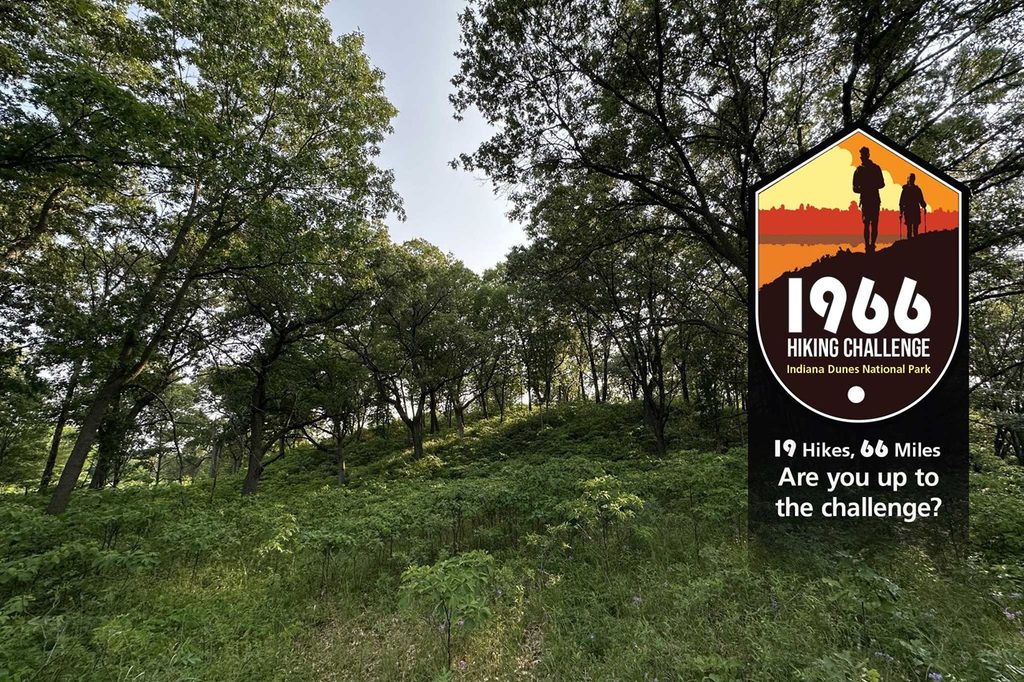
Dunewood Trace is a straightforward connector that links Dunewood Campground on the east to the larger Glenwood Dunes trail system. The core hike is 4.4 miles total (out-and-back), giving you a sampler of dunes, woodlands, and wetlands without committing to a massive day. It’s not a headline-grabber, but it’s a smart, flexible route—especially if you’re camping or planning longer link-ups.
From the campground, follow the signed Dunewood Trace into the Glenwood Dunes network. In the center of that system you can branch onto the Calumet Dunes Paved Trail, and on the west side the separate Glenwood Dunes Extension reaches the Dune Park South Shore Railroad Station—handy if you want a transit-friendly day. There’s also a documented 6.3-mile point-to-point option between Dune Park Station and Dunewood Campground if you’re arranging a car-free shuttle. Expect 13 junctions across this interconnected area; bring a map so your “connector” doesn’t become an accidental maze.
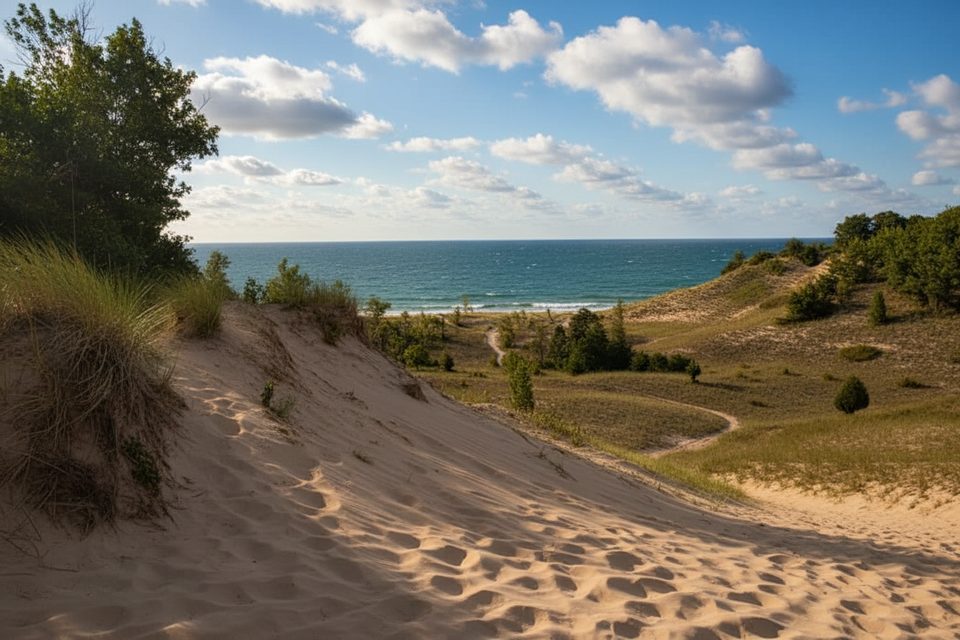
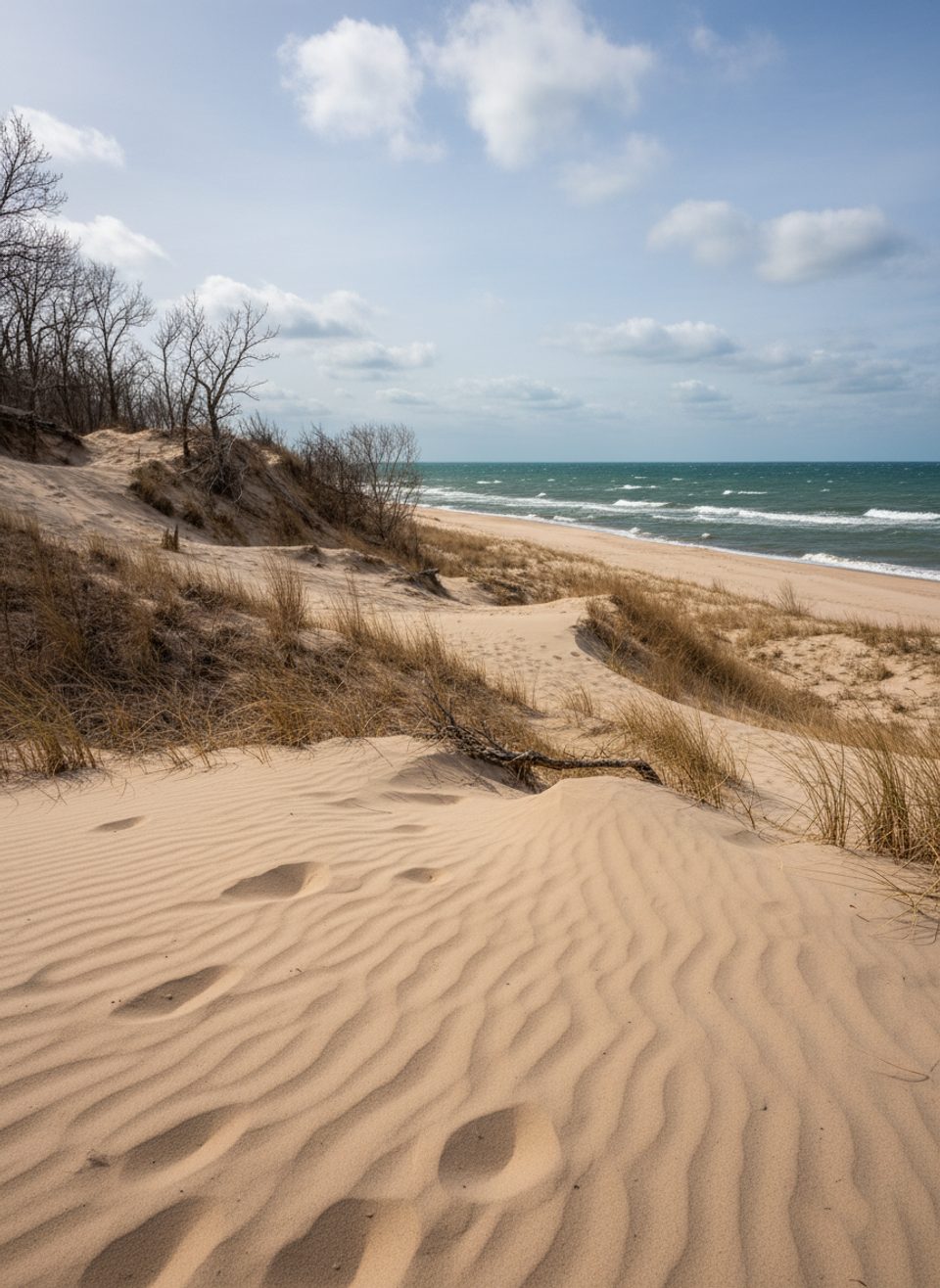
Underfoot, it’s mostly natural soil and sand—sometimes soft—through rolling dune country with patches of mature forest and wetland edges. A short paved segment appears early on, but the character is primarily sandy singletrack. Overall difficulty trends easy, though sandy footing and the occasional rise add mild effort. Sturdy footwear helps.
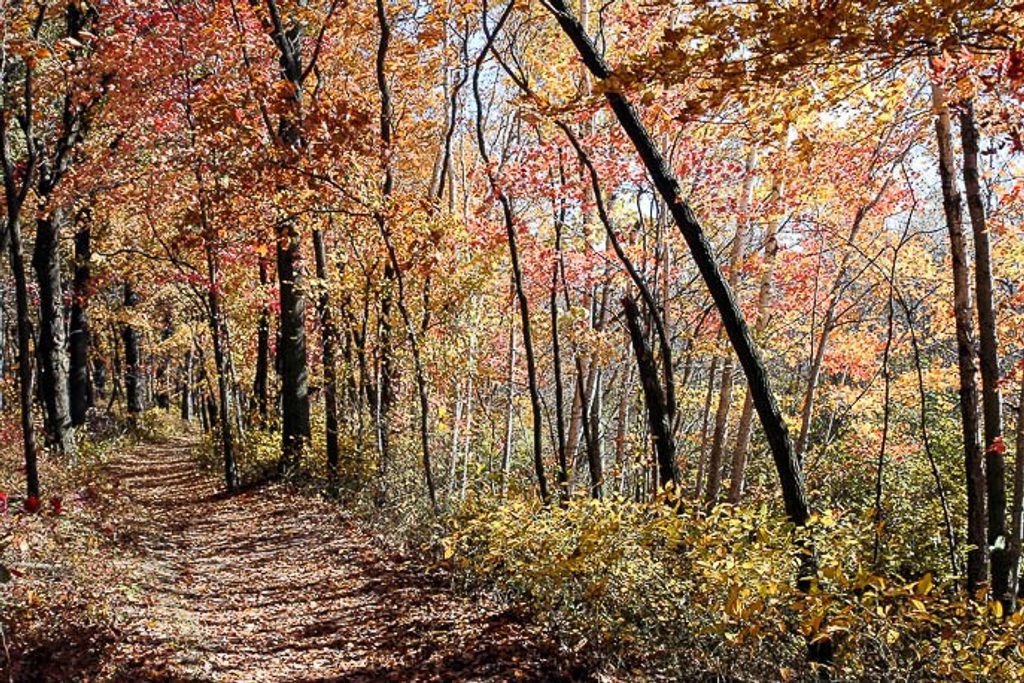
This is a cross-section of what makes Indiana Dunes interesting: ancient beach ridges shaped by glacial retreat and wind-blown sands, shaded woods, and low wetland pockets. You’ll likely spot (and hear) plenty of birds, plus the usual small mammals. In spring, look for wildflowers; in fall, color pops through the hardwoods.
It’s open year-round and worth walking in any season. Spring brings flowers and fresh green; summer is lush and shaded in the woods; fall delivers cool temps and foliage; winter quiets everything—great for solitude, and it’s suitable for hiking or snowshoeing when snow sticks. To dodge weekend traffic at the main trailheads, start early or go midweek. Morning and late afternoon light are nicest in the woods and along dune openings.
If you want a mellow, connect-the-dots walk that ties camping, paved spurs, and even train access into one tidy route, Dunewood Trace is a practical choice. If you’re chasing big dune overlooks, other hikes in the park may wow you more—but for flexibility and year-round variety, this one earns its keep.
Park at Glenwood Dunes Trail or Calumet Dunes Trail lots; eastern access directly from Dunewood Campground.
Complex network with 13 junctions—bring a map or GPS; sandy footing can be tiring.
Place · 0 mi away
Place · 0.5 mi away
Place · 0.8 mi away

Place · 1.9 mi away
Easy · 1.7 mi away
Moderate · 1.7 mi away
Challenging · 1.8 mi away
Moderate · 1.8 mi away

Parkwolf Tour Guide
