
Place · 1.2 mi away
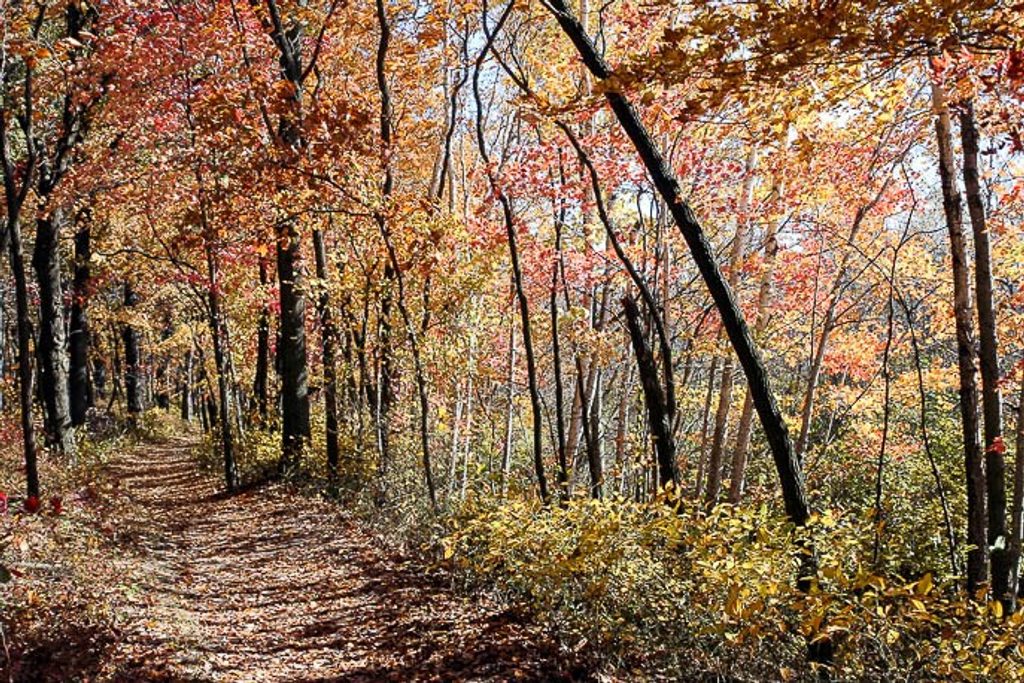
Cowles Bog is a rare fen-and-dune complex where you can walk from shady woods and wetlands to a wild stretch of Lake Michigan. Despite the name, it’s a groundwater-fed fen—more alkaline than a true bog—surrounded by marshes, wet meadows, swales, and rising dunes. It’s also the living classroom that helped launch the science of plant ecology, named for Henry Chandler Cowles.
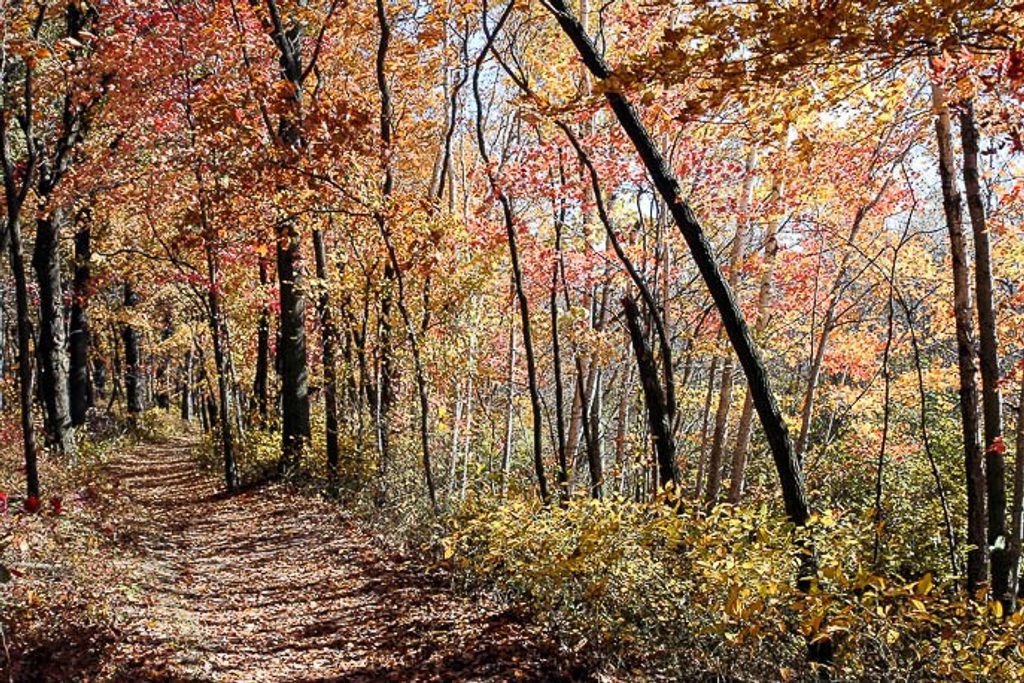
Plan on a roughly 4.7-mile loop with about 200 feet of total gain. The first miles are mostly flat and shaded, weaving past black oak and maple into wetland edges, with a raised boardwalk in places. Farther on, the trail climbs steep sand up the foredunes, then drops to a secluded beach where you can look back at the Chicago skyline and nearby steel mills.
Few places pack this much variety into a single outing: fen, marsh, swamp, wooded swales, and active dunes. Keep an eye out for beaver lodges near the wetland margins, and listen for sandhill cranes in spring. Early spring and fall bring the clearest views and most dramatic color.
This mosaic of habitats is prime for birding and quiet wildlife encounters. Expect wetland and forest birds (including cranes in season), waterfowl, and the occasional beaver working the ponds and channels.
The sandy dune sections are real workouts—short but steep. In warm months, bring repellent and do tick checks. Near the lakeshore, expect stronger winds and cooler temps than at the trailhead, and occasional industrial sights and sounds along the horizon.
There are two small parking areas (north/main near Dune Acres and a southern/Greenbelt access). Trailhead kiosks post maps. Portable toilets are at the trailheads, but there’s no running water or food—pack in what you need and pack out your trash.
Place · 1.2 mi away
Place · 1.2 mi away
Place · 1.3 mi away
Place · 1.3 mi away
Moderate · 0.4 mi away
Easy · 0.4 mi away
Easy · 1.2 mi away
Moderate · 1.2 mi away

Parkwolf Tour Guide
