Moderate

Cowles Bog Trail

Wetlands to dunes loop with a quiet beach and one steep sand climb.
Cowles Bog Trail, Indiana Dunes National Park
Distance4.7 mi
Typical time3.5 hr
DifficultyModerate
PetsAllowed

Overview

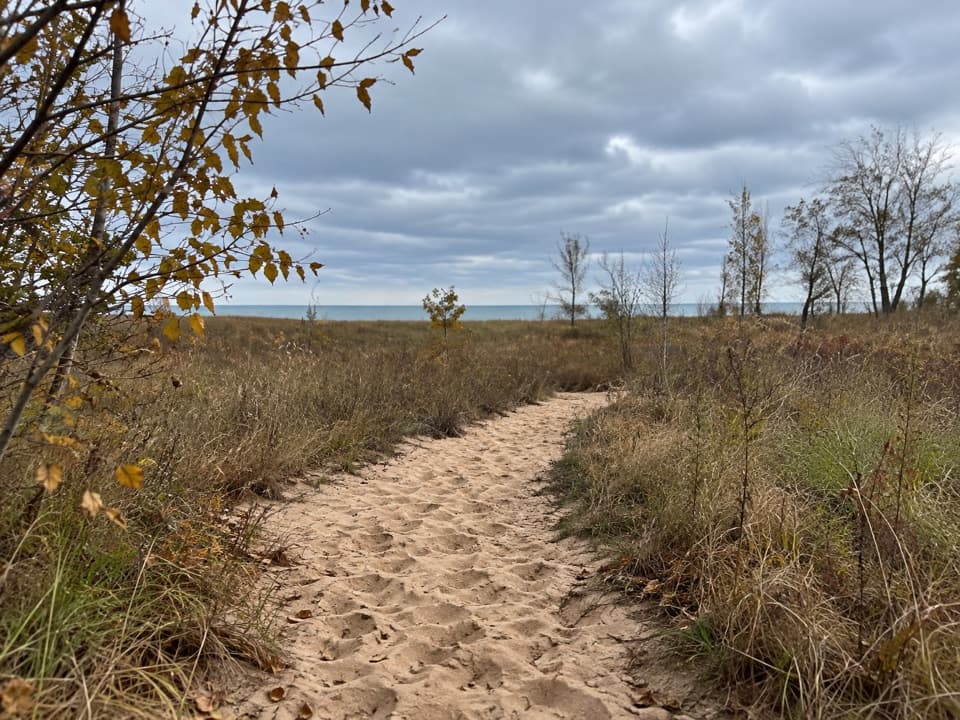
This is the park’s classic wetlands‑to‑dunes sampler: a 4.7‑mile lollipop loop that starts in a fen (not a true bog), winds through shady forests, then climbs sandy dunes to reach Lake Michigan before looping back. Expect roughly 200 feet of total elevation gain, but the soft sand makes those short, steep grades feel bigger. The full loop (including the short approach and ~0.2 miles of beach walking) typically takes about 3–4 hours at a moderate pace.

What you’ll see

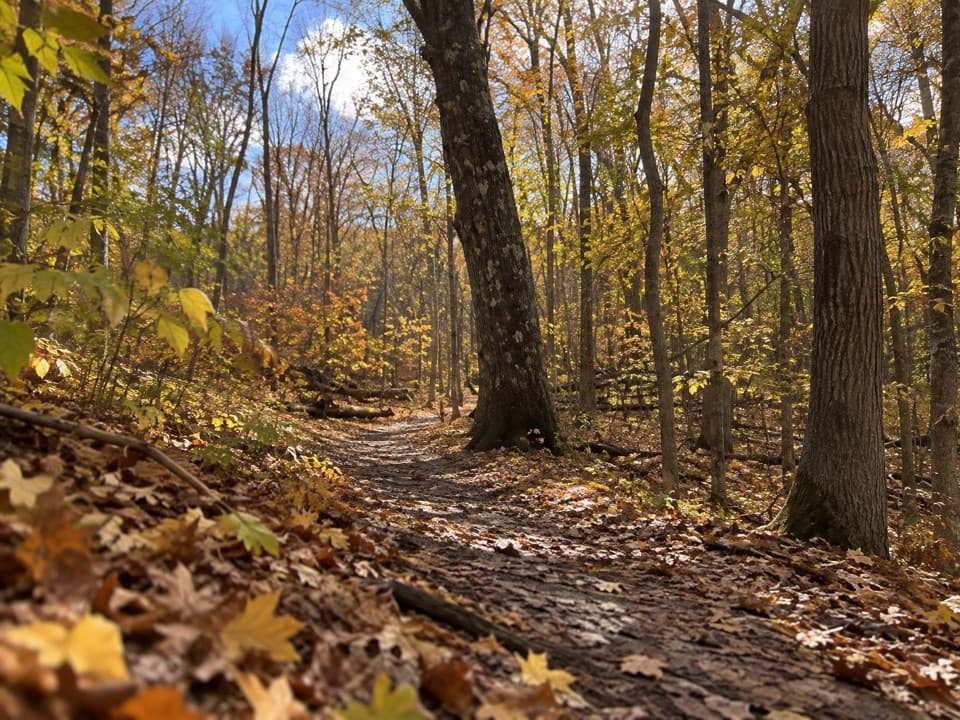
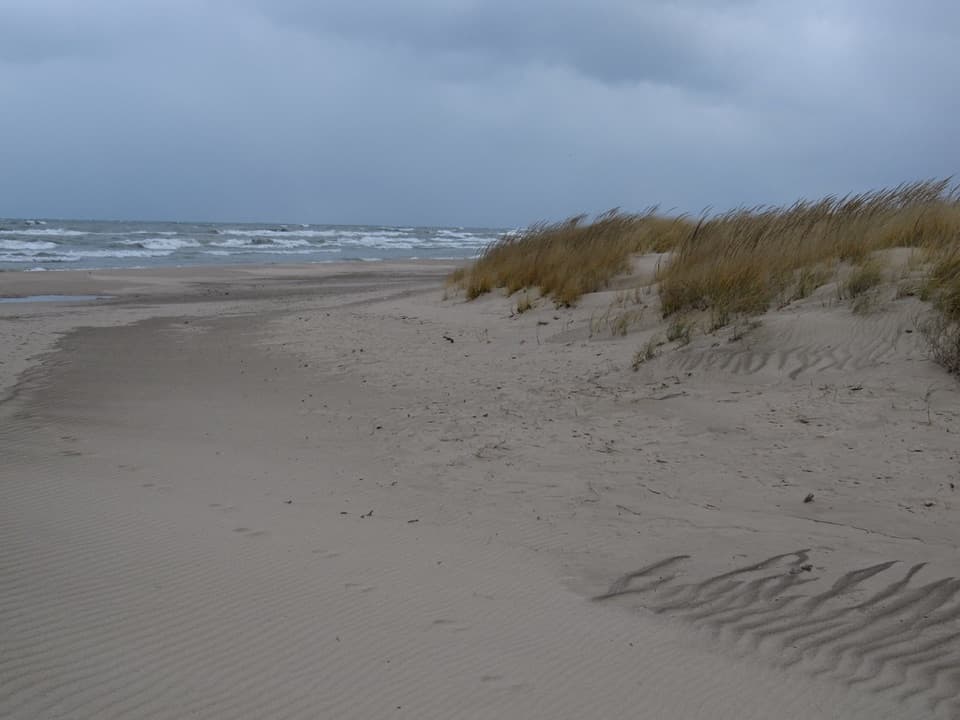
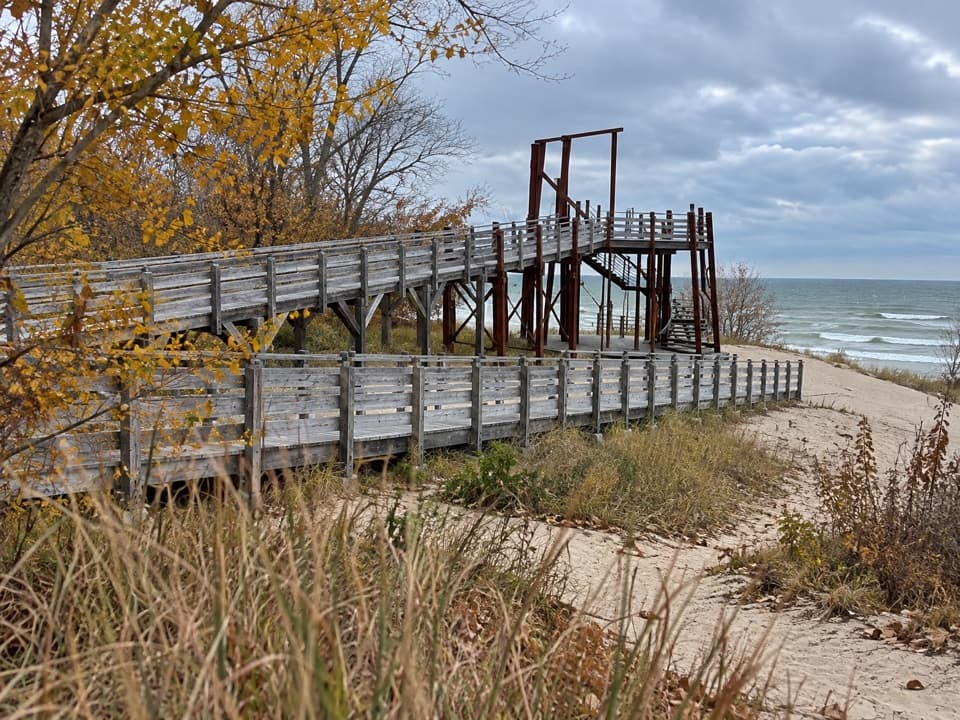
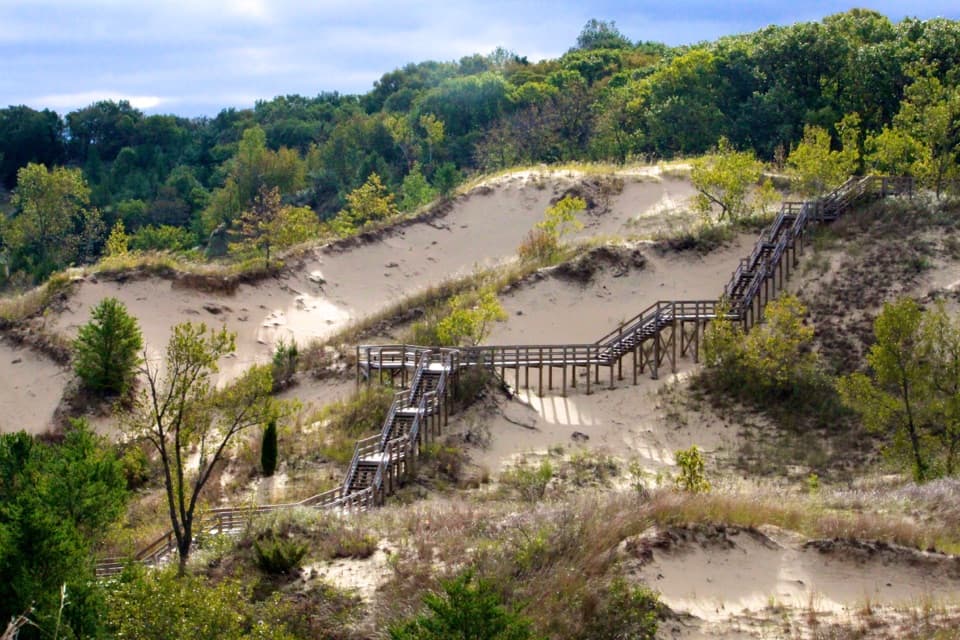
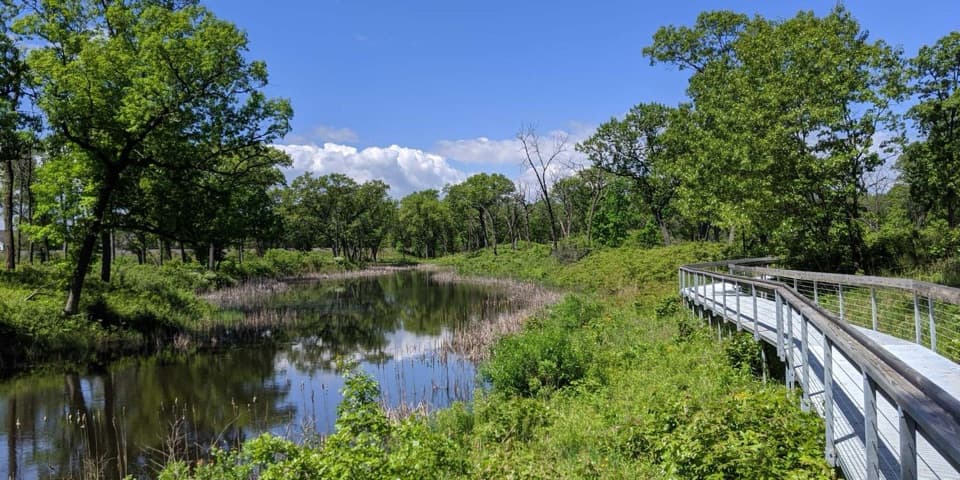
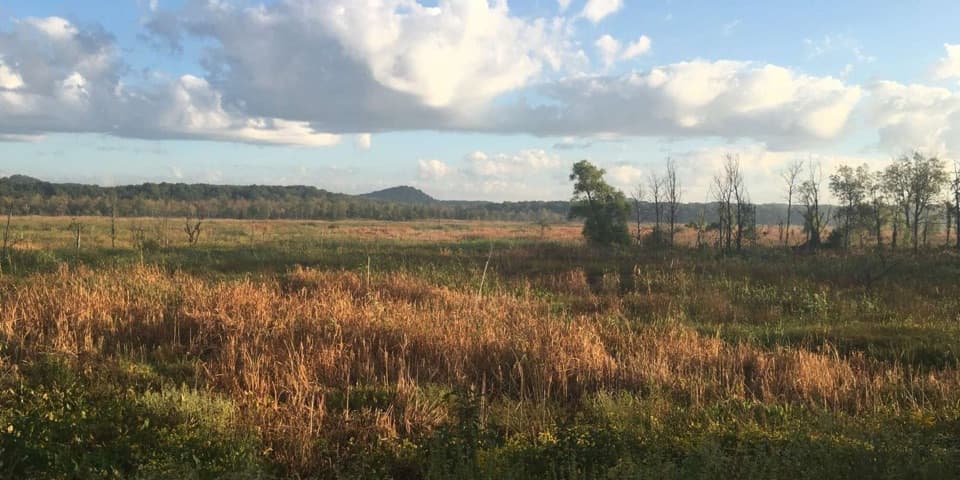
Right out of the gate, a raised boardwalk carries you above wetland habitat with aquatic plants and views of beaver lodges. In spring, keep an eye and ear out for Sandhill Cranes and other migratory birds. Beyond the fen, the trail winds through black oak savanna and mixed woods—red maples, birches, tamarack pines, even white cedars—offering generous shade. The northern loop tackles sandy dunes with sweeping lake views and drops you onto the Lake Michigan shoreline before a final sandy climb closes the loop.

Trail experience

Surface changes constantly: boardwalks and firm forest floor give way to loose dune and beach sand near the lakeshore. The toughest move is the ascent from the beach—steep and sandy—so budget extra time and energy there. The route is well marked; hiking it counter‑clockwise lines up the views and makes navigation straightforward. Much of the hike is pleasantly shaded, but the beach and dune crests are fully exposed.

Best time to hike

  • Spring: Cool temps, wildflowers, and standout birdwatching (including Sandhill Cranes).
  • Summer: Lush foliage and a tempting beach break, but bring insect repellent and start early or late to dodge heat on the sand.
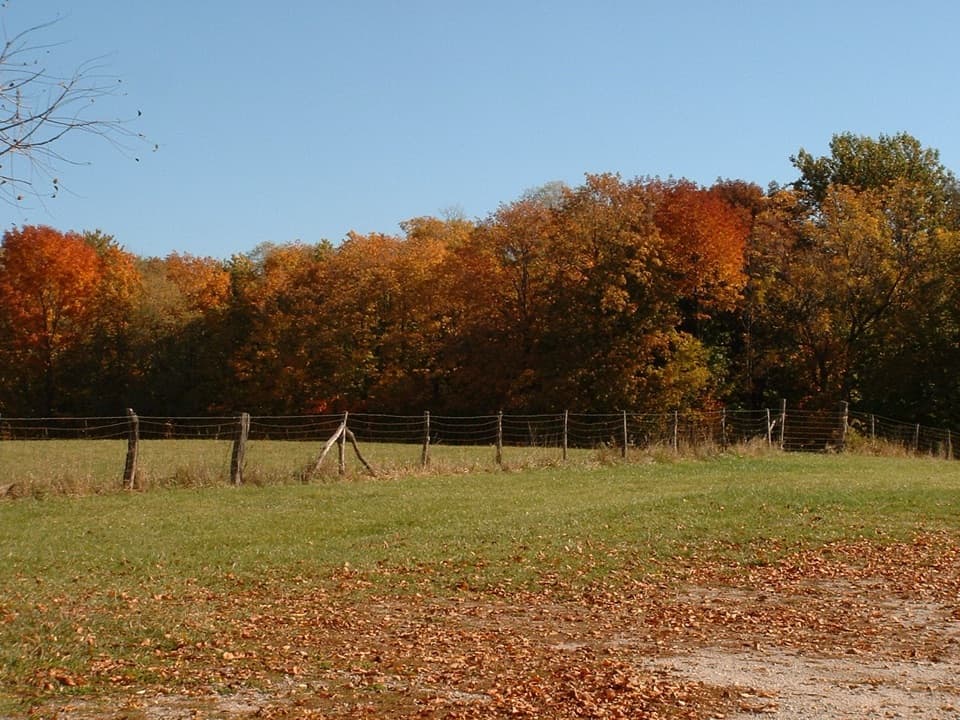
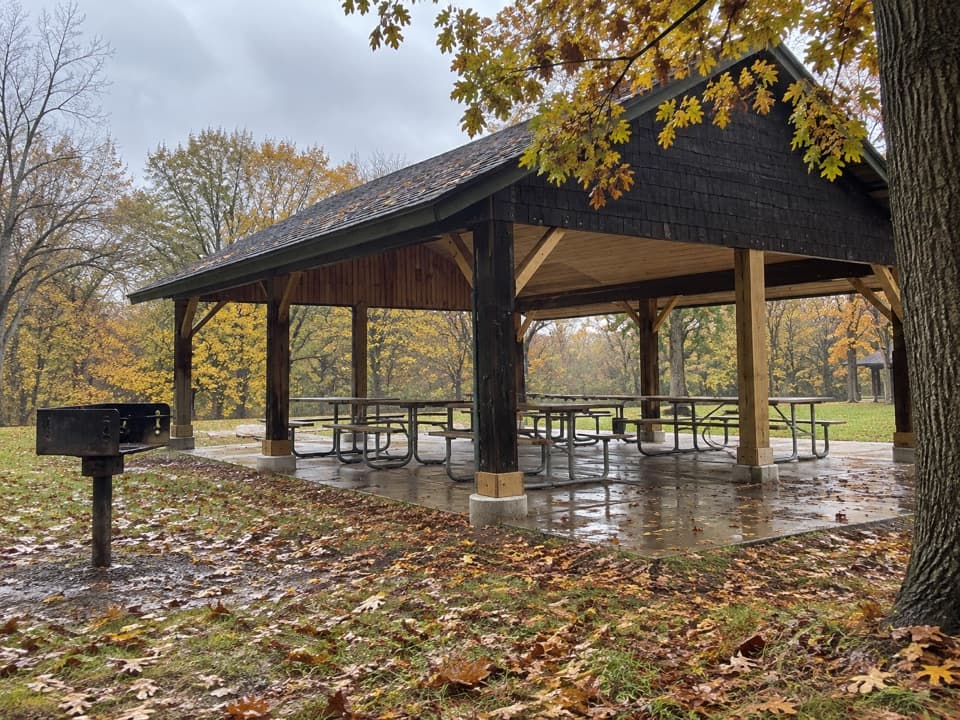
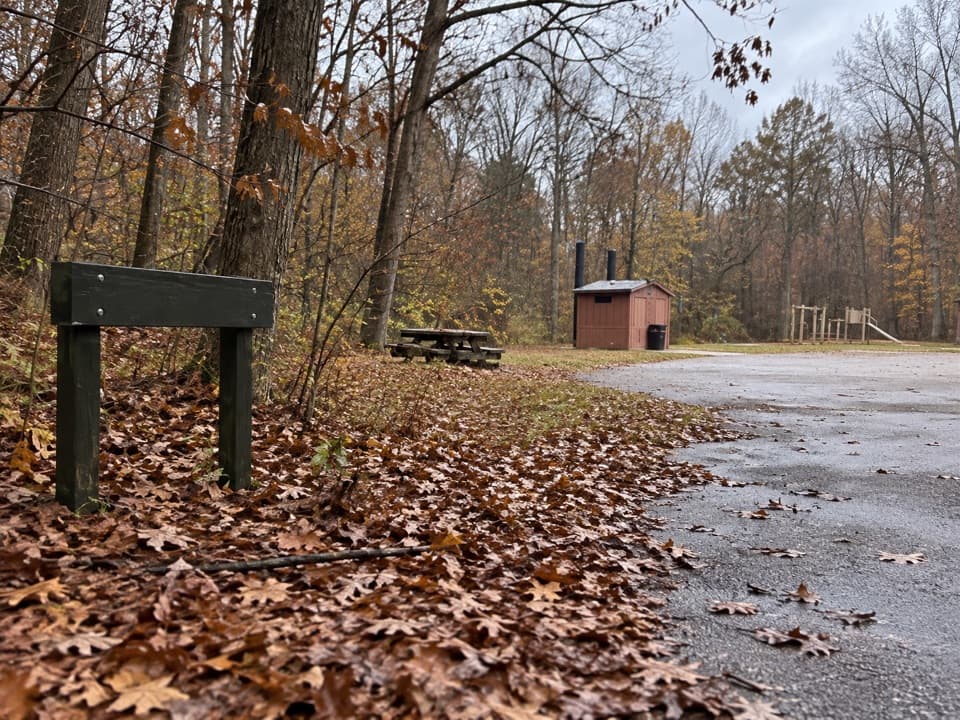
  • Fall: Excellent color in the oaks and maples with comfortable temps.
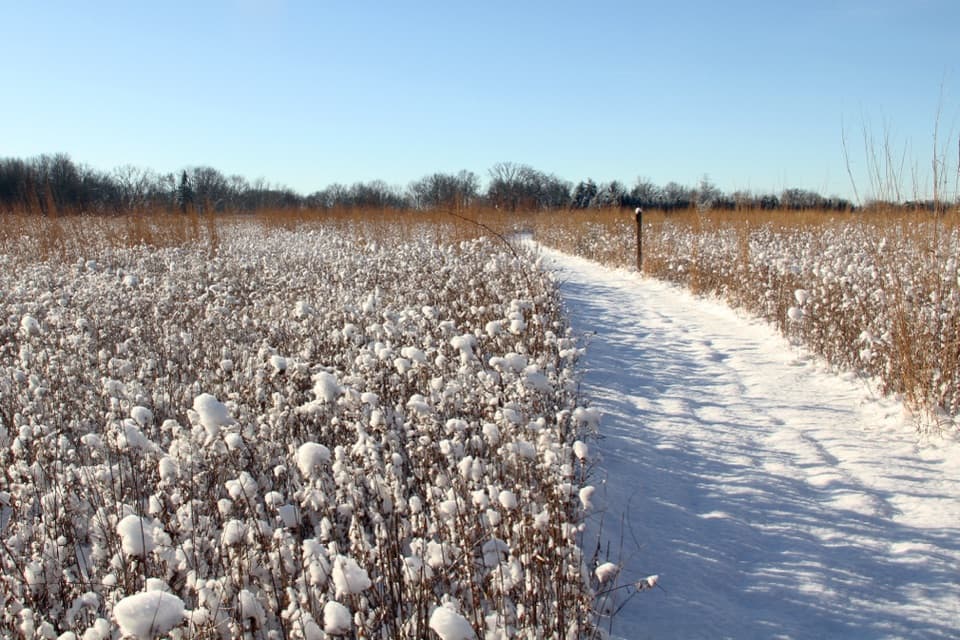
  • Winter: Open year‑round, but snow/ice on steep sandy sections can be tricky.

Weekends see more traffic; early starts help with both parking and solitude. On some days, the beach can carry industrial odors—be ready to pivot if the wind isn’t your friend.

History matters

This landscape is the cradle of American plant ecology. Henry Chandler Cowles’ late‑1800s research on dune succession here helped define the field, and the area is recognized as a National Natural Landmark for its plant diversity and textbook succession story.

Tips

  • Footwear with good traction shines in deep sand; bring sandals if you plan to enjoy the beach.
  • Pack bug spray in late spring through summer; ticks are possible—do a post‑hike check.
  • Bring more water than you think—sun + sand = thirst.
  • Dogs are allowed on leash; always follow posted pet rules.

Know before you go

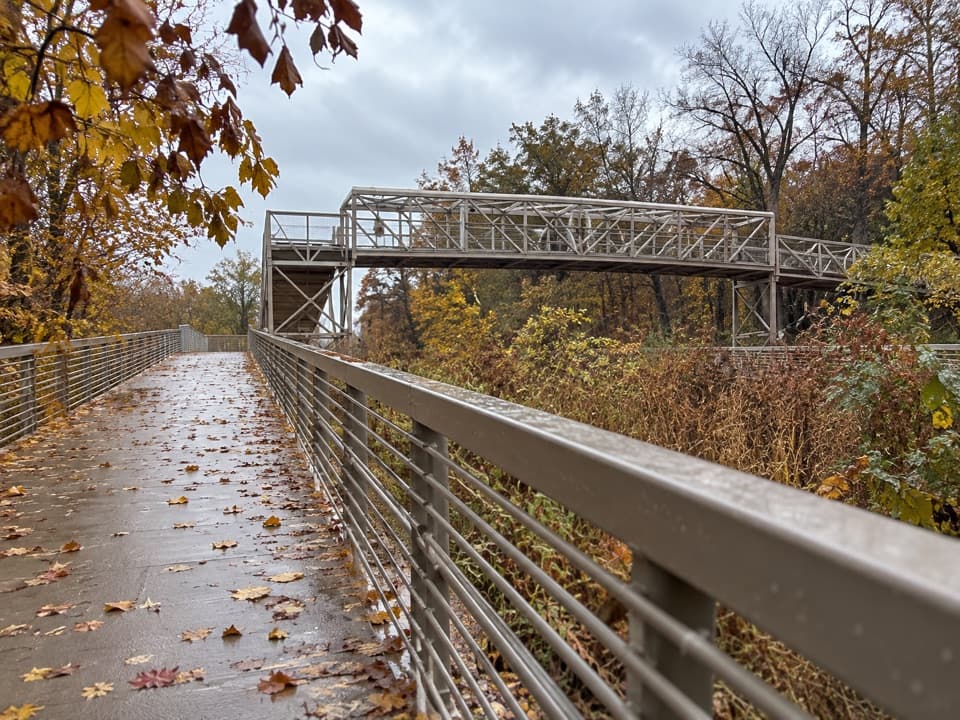
Parking is at the Cowles Bog lot on N. Mineral Springs Road in Dune Acres, across the road from the trail entrance via a small bridge. Spaces are limited, so arrive early. The trail is not wheelchair/stroller friendly due to steep, sandy sections.

Pros

  • Boardwalk fen with beaver lodges and seasonal Sandhill Crane viewing
  • Shady forests for most of the loop—unusual for a dunes hike

Cons

  • One very steep, sandy climb from the beach can be a slog
  • Parking is limited and fills early on nice weekends
  • Bugs and occasional beach odors can affect the experience

Parking

Cowles Bog Parking Lot on N. Mineral Springs Road in Dune Acres; small lot across the road from the trail via a pedestrian bridge; spaces are limited—arrive early.

Caution

Deep, loose sand and short steep grades, especially leaving the beach; mosquitoes and ticks in warm months; full sun on dunes and beach; winter snow/ice can make sandy slopes slick; occasional industrial odors on the shoreline.

The Parkwolf tour guide sitting on a phone mounted in a car

Parkwolf Tour Guide

Like a tour guide in your car.

Bring Indiana Dunes trail research into the car, with offline maps and stories that play as you drive.Download Parkwolf on the App Store