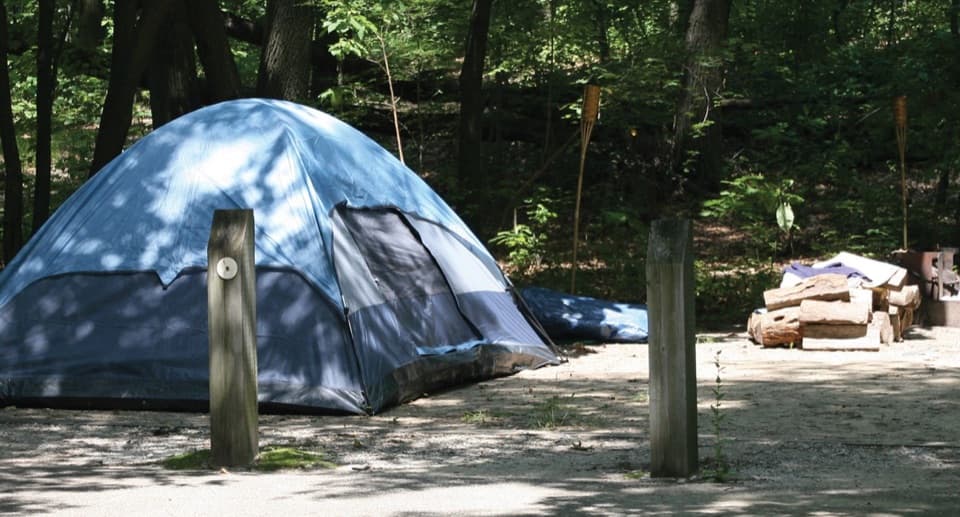
Dunewood Campground

Shady base near the beach with hot showers and real privacy
Dunewood Campground, Indiana Dunes National Park
InsideIndiana Dunes National Park

Overview

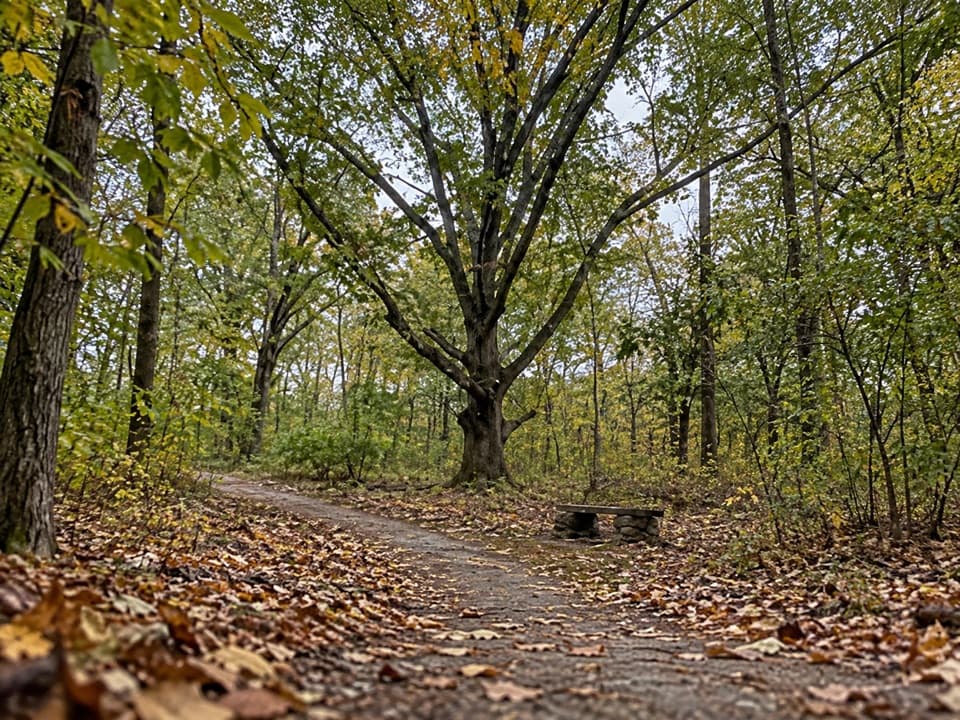
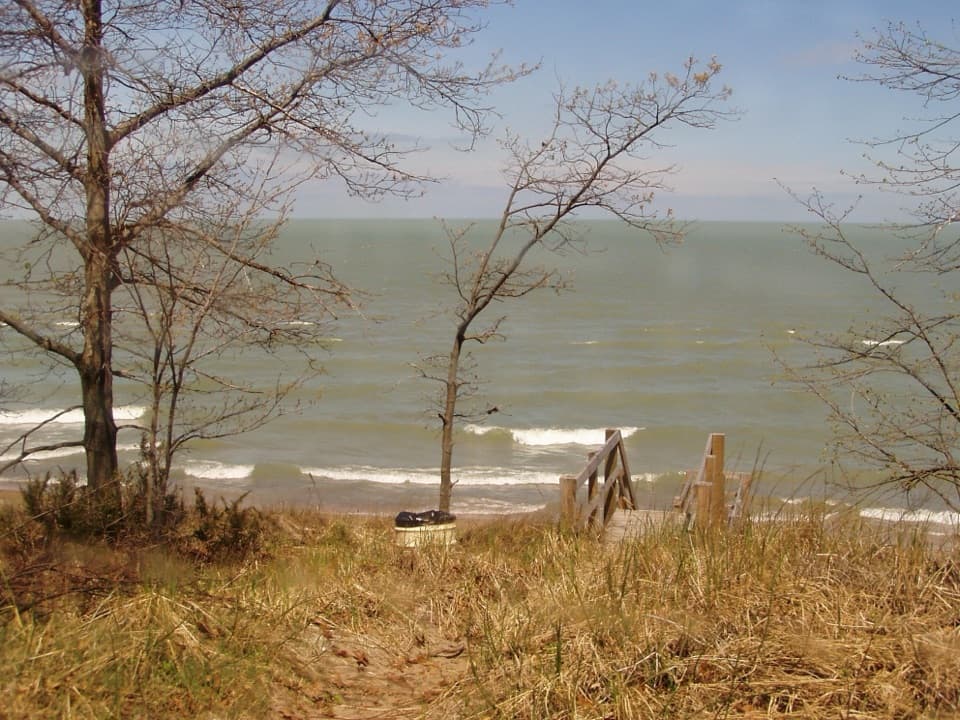
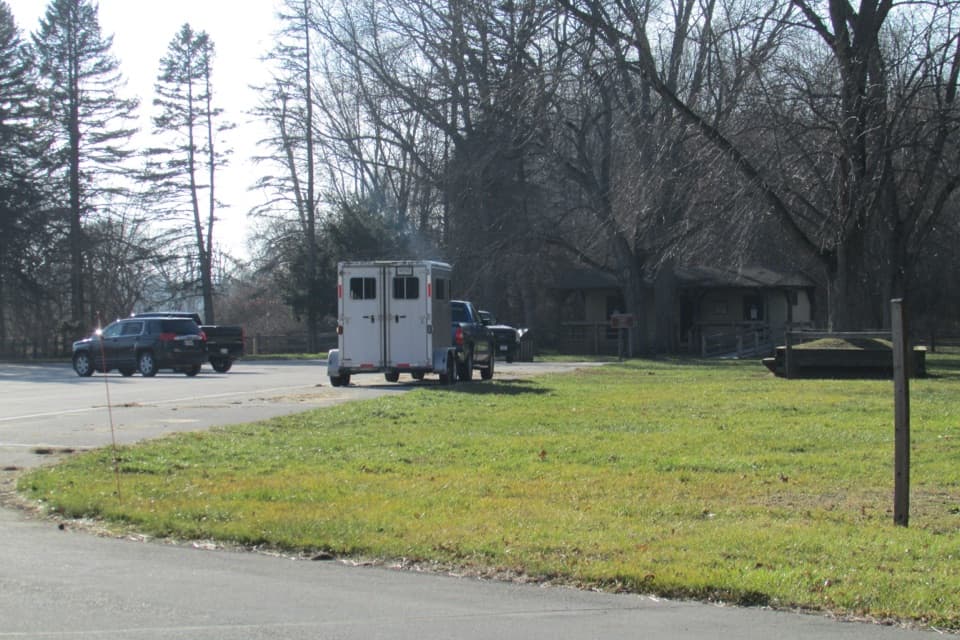
Dunewood is the park’s main developed campground, tucked into oak woods just south of the lakeshore. It’s a mellow, nature-first base camp with two vehicle loops and a walk-in section, placing you about a mile from the beach and close to classic day hikes.

Campsites & Facilities

There are 66 sites total (54 drive-in, 12 walk-in). Expect a simple, well-kept setup: each site has a picnic table and fire ring, with potable water spigots around the loops and a seasonal dump station. Restrooms have flush toilets and hot showers and are consistently noted as clean. There are no hookups of any kind, so plan to dry camp. Firewood is sold just outside the campground; there’s no on-site store or restaurant.

What Stands Out

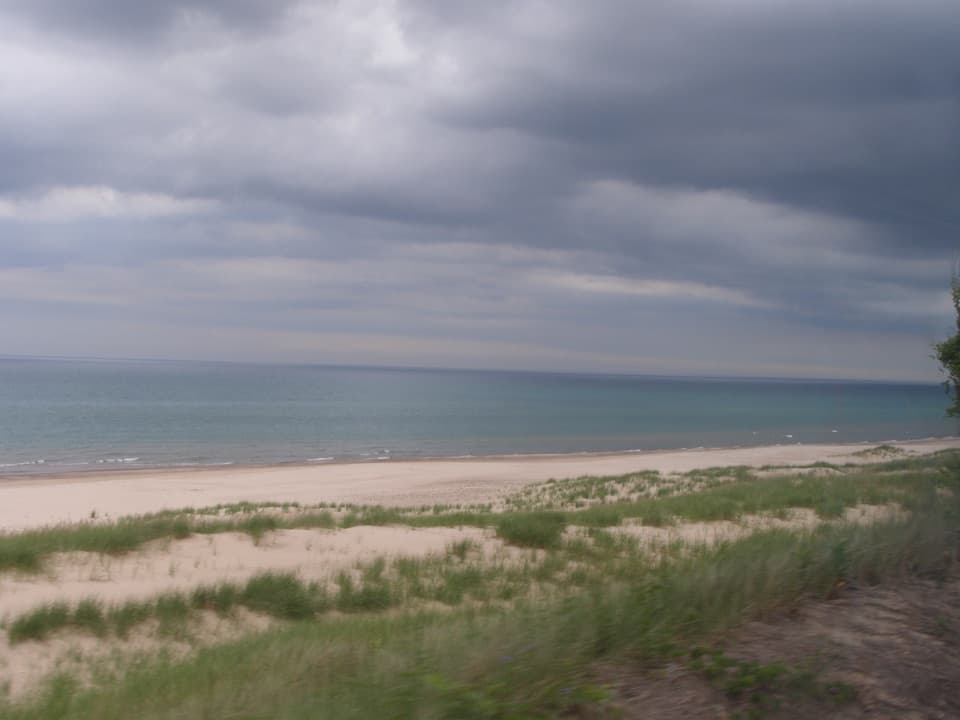
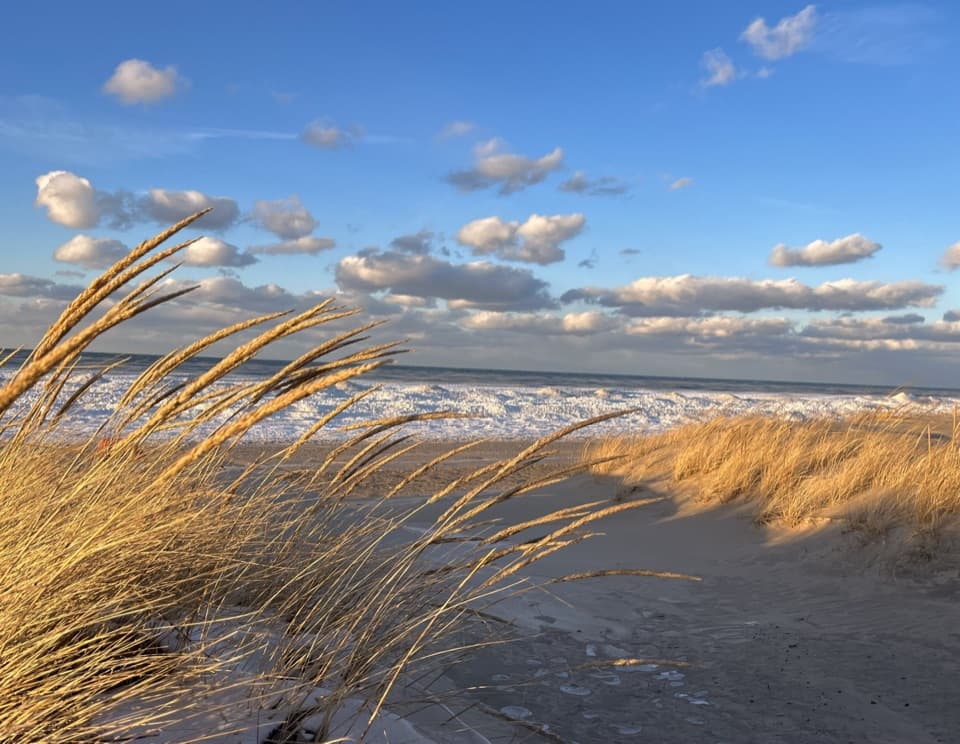
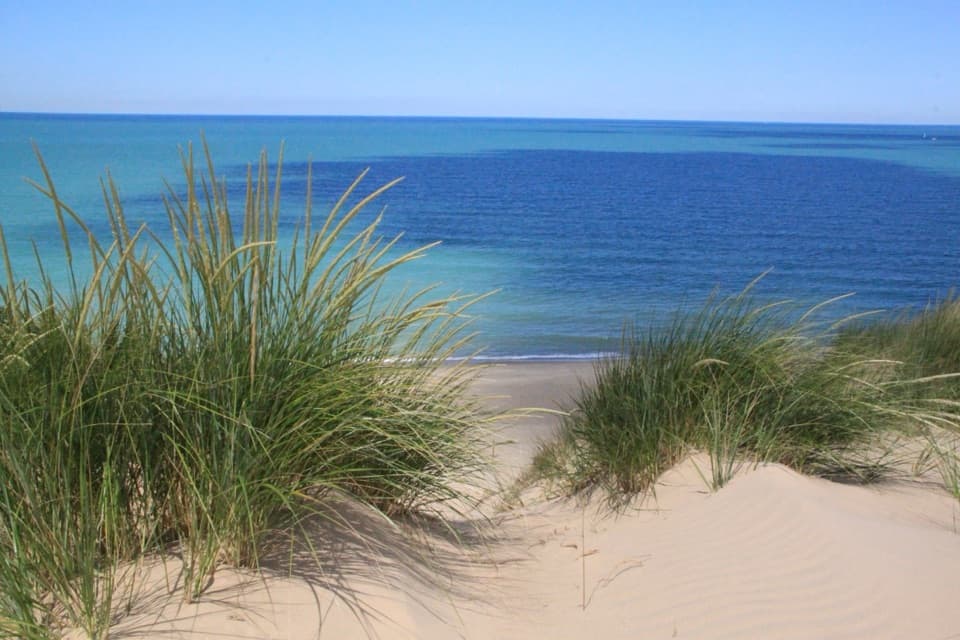
  • Beach proximity: you’re minutes from Lake Michigan for swims and sunsets.
  • The woods: mature trees and natural vegetation make most sites feel private and cool even in midsummer.
  • A mix of drive-in and quieter walk-in sites lets you pick your vibe.

What You’ll Hear (and Feel)

Dunewood sits between train lines and near highways, so expect train horns and some road noise. Many campers tune it out; light sleepers should bring earplugs. In warmer months, mosquitoes can be relentless—bug spray is essential.

Wildlife

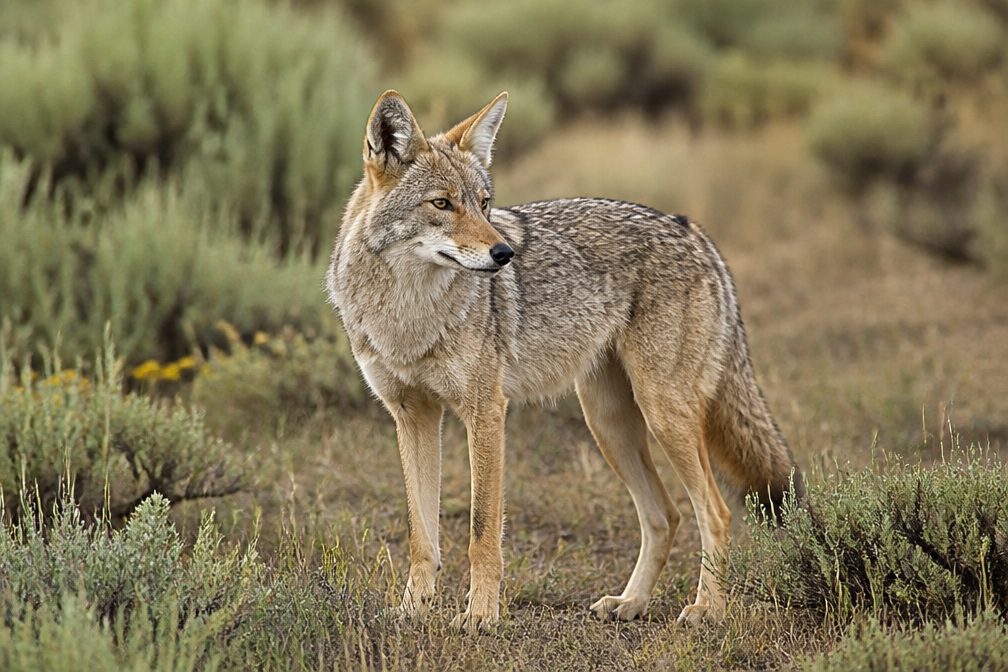
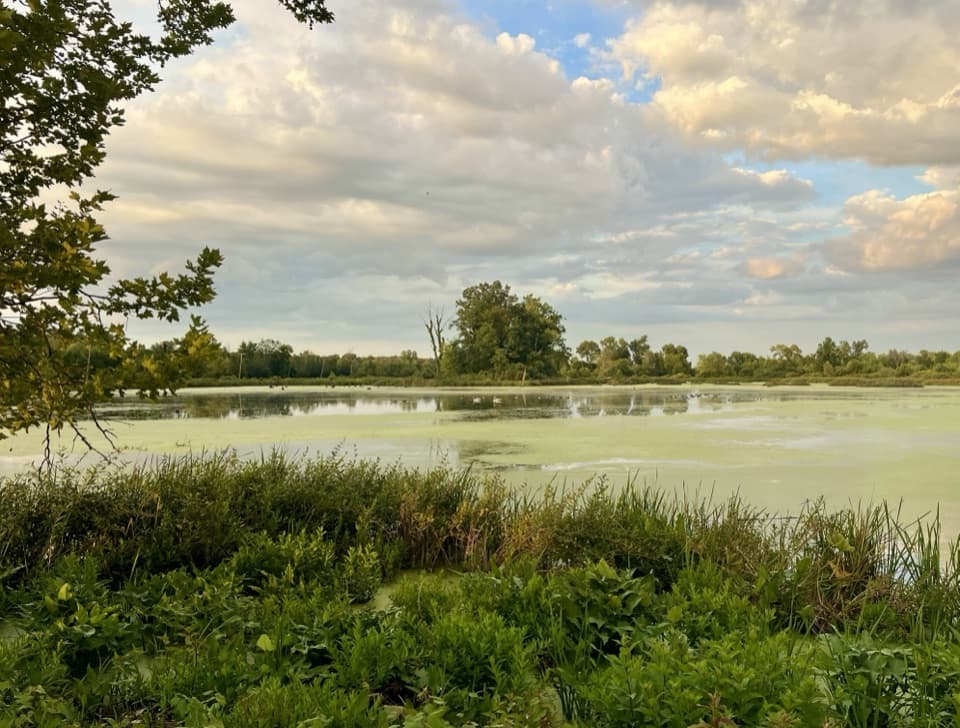
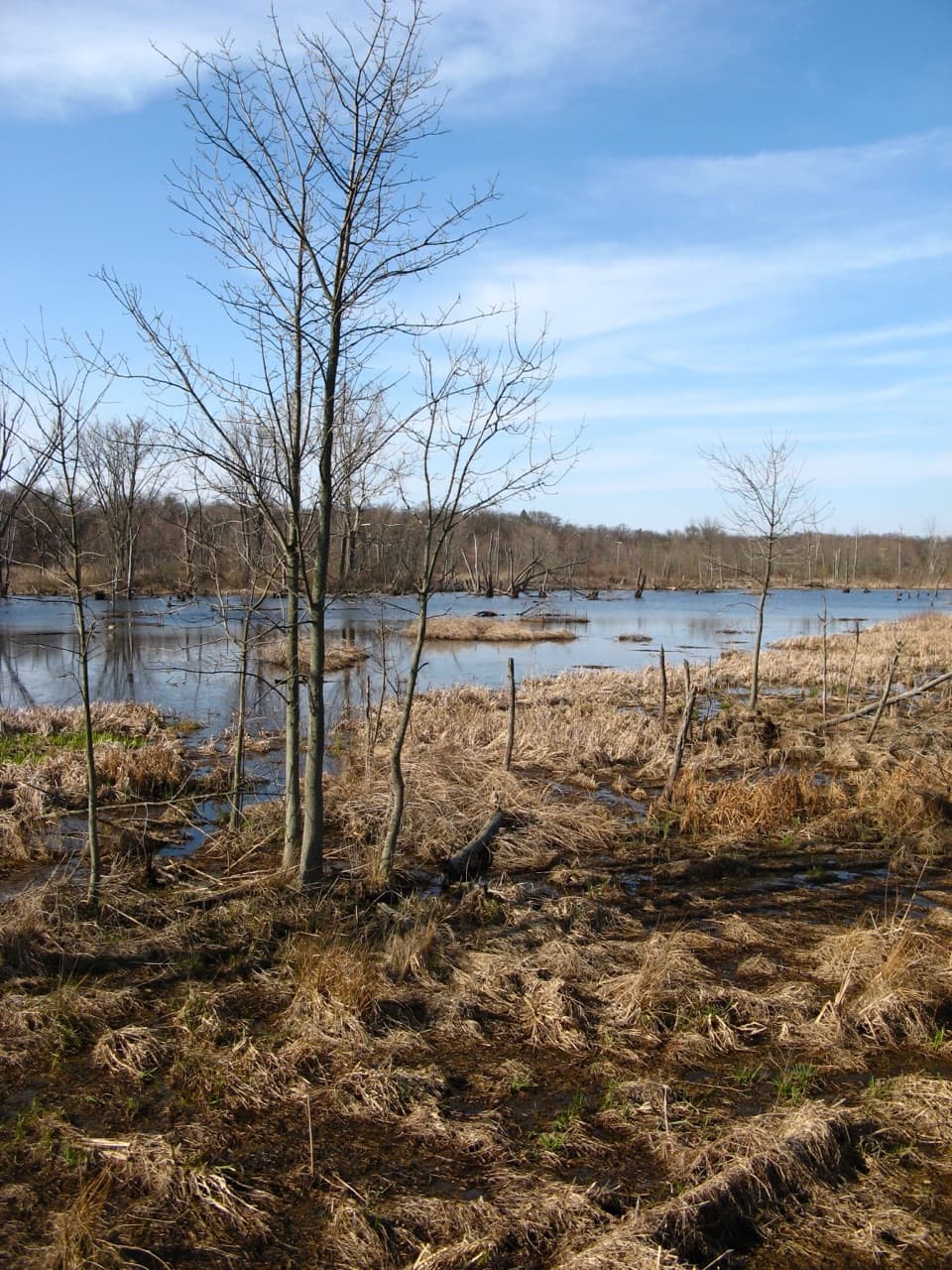
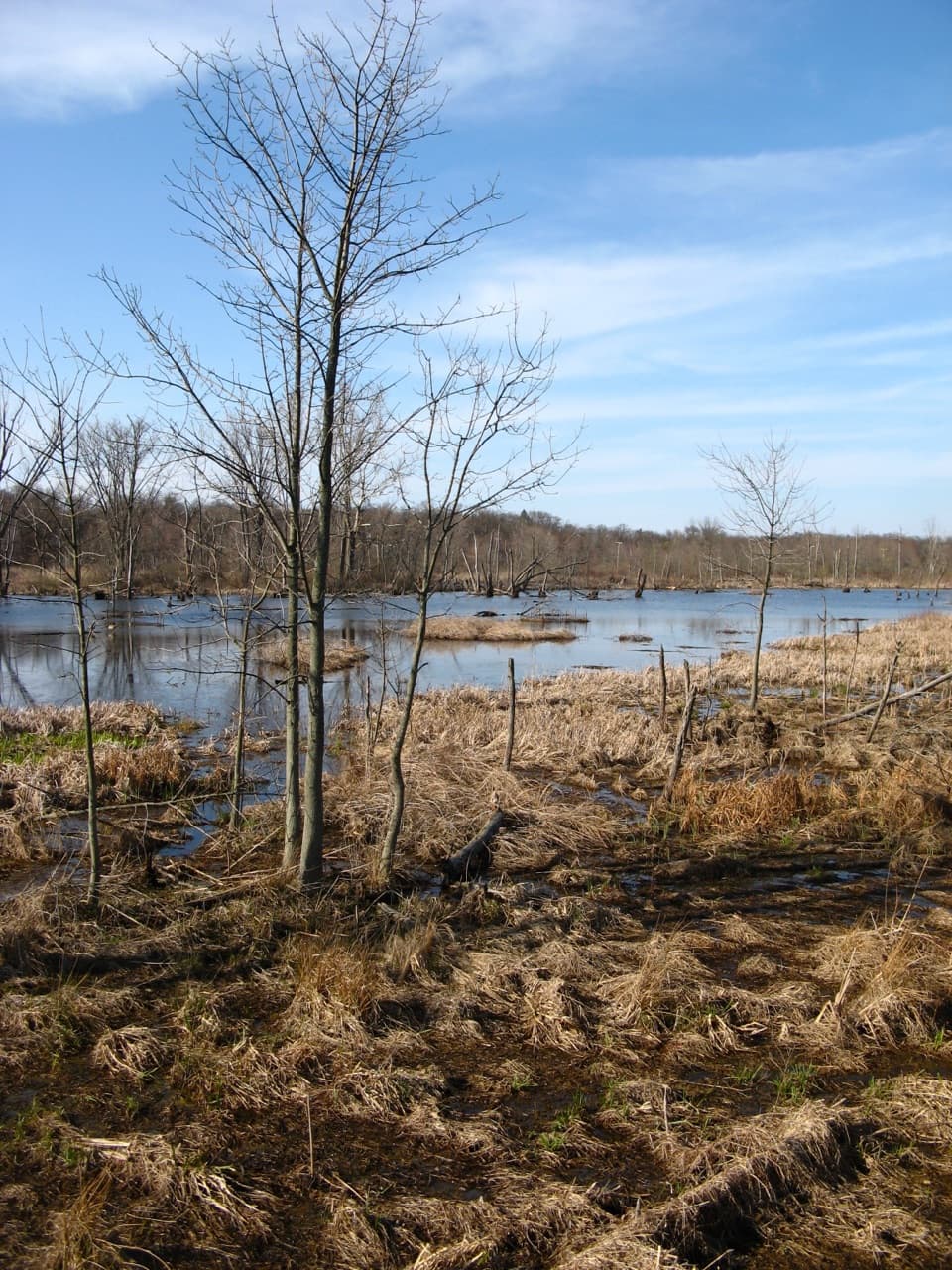
This is a birding hot spot, and the woodland edges and nearby marshes draw plenty of species. Around camp, you might spot deer, wild turkeys, and the occasional bold raccoon—secure food and clean up well after dinner.

Nearby Trails & Beaches

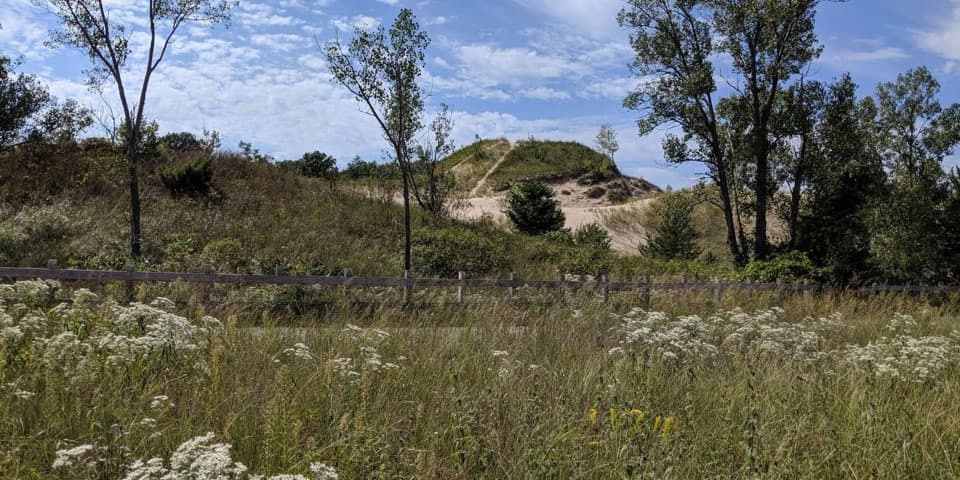
You’re a short drive from multiple day hikes, including the famed Dune Succession Trail, plus several national park beaches. It’s easy to build a day around hiking dunes, cooling off in the lake, and rolling back to a shaded campsite.

Logistics

The campground operates seasonally (roughly spring through fall). Reservations are handled online and are your best bet in peak season. Showers, water, and the dump station are seasonal services.

Best Time to Visit

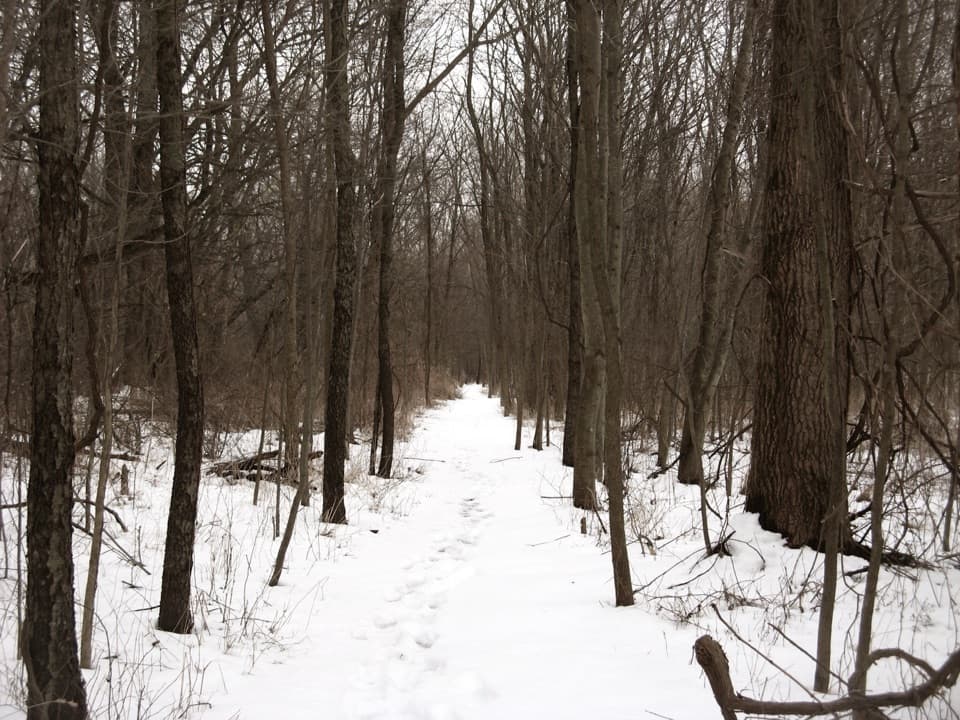
Weekdays and shoulder season (spring and fall) mean lighter crowds and easier parking at the beaches. Early mornings are quiet in camp and great for birding; late afternoon puts you at the lake for golden-hour color and sunset. Cooler months also mean fewer mosquitoes.

Quick Etiquette & Parking Note

Use national park beach lots rather than town lots nearby—local enforcement is strict. Keep food locked down at night to deter raccoons, and expect quiet hours to be observed even when the campground is full.

Pros

  • Shady, wooded sites with good privacy
  • Short hop to Lake Michigan beaches
  • Flush restrooms and hot showers (seasonal)

Cons

  • No electric, water, or sewer hookups at sites
  • Audible train and highway noise
  • Mosquitoes in warm months

Tips

  • Reserve ahead for peak weekends; the campground is seasonal and fills fast.
  • Bring insect repellent and set up before dusk to avoid mosquitoes.
  • Pack earplugs if you’re sensitive to train and road noise.
  • Plan to dry camp: no site hookups, but potable water and a seasonal dump station are available.
  • Use national park beach lots, not town lots, to avoid tickets.
The Parkwolf tour guide sitting on a phone mounted in a car

Parkwolf Tour Guide

Like a tour guide in your car.

Save the places you found around Indiana Dunes, then let Parkwolf guide the drive between them.Download Parkwolf on the App Store