
Place · 1.2 mi away
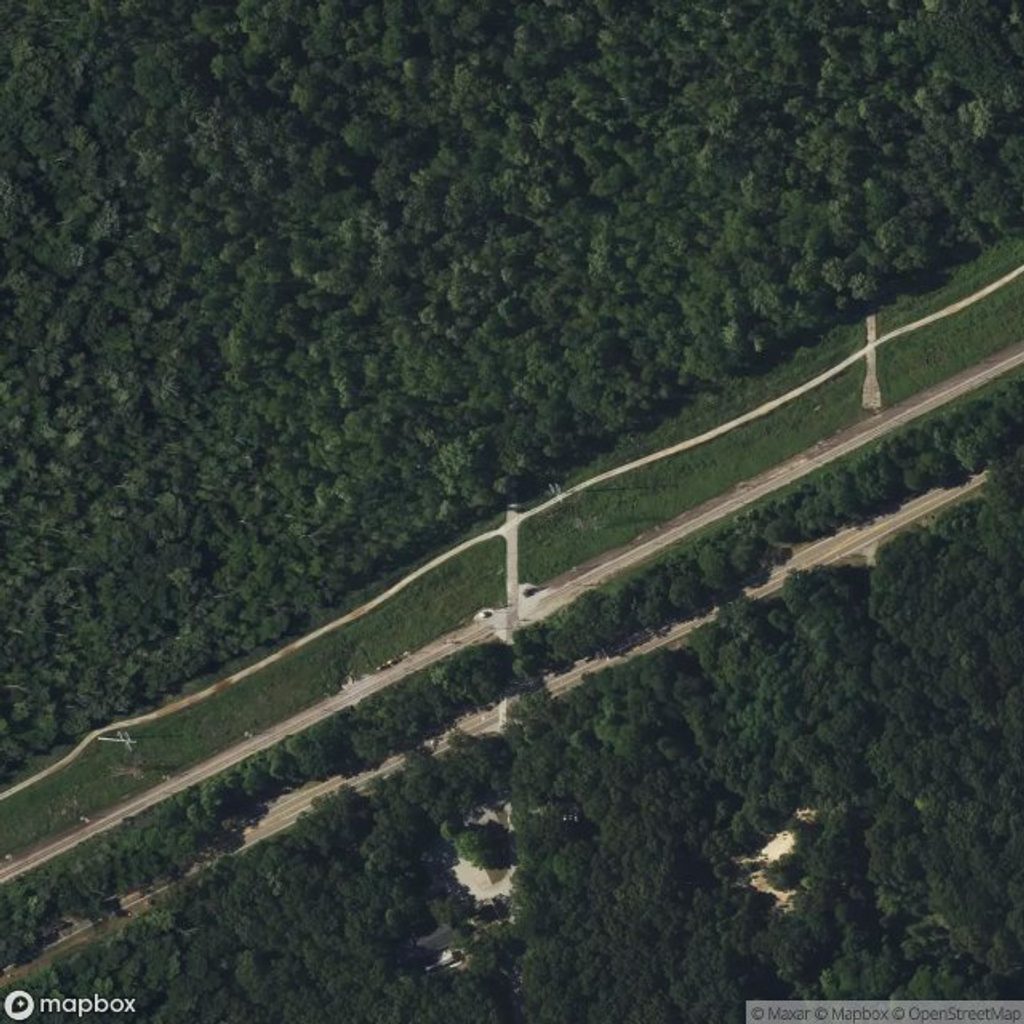
Once the park’s main visitor hub, the Calumet Dunes Interpretive Center now houses a USGS research station—but it still anchors a mellow, paved loop that tells a big geologic story. If you like quiet, low-effort walks with substance, this is a worthy stop.
You’re strolling on the Calumet Dunes ridge—an ancient Lake Michigan shoreline from thousands of years ago. Subtle rises in the landscape trace three major lake-era dune lines (Glenwood, Calumet, and Tolleston), turning a simple loop into a time machine. Expect seasonal wildflowers, nice fall color, and a good chance of spotting birds along the edges and savanna.
The Calumet Dunes Trail is a short, paved loop that starts by the former center. It’s straightforward, signed for geology and ecology, and designed for a slow, interpretive wander rather than a workout.
Keep an ear out for woodpeckers (red-headed woodpeckers show up in this region’s oak savannas) and bring binoculars for migrating songbirds. Native plants pop through most of the warm season, with a colorful flourish in spring and early summer.
Few places in the park lay out the dune-and-lake tale so clearly. The ridge sequence here—Glenwood, Calumet, Tolleston—makes the receding shorelines easy to visualize, tying geology, ecology, and local history together in one compact loop.
The building is no longer a public interpretive facility and doesn’t provide visitor services or restrooms. Parking is available at the trailhead, but amenities are otherwise minimal—plan to be self-sufficient.
Crowds are typically light most days. Early morning or late afternoon is best for soft light on the dune ridges and better bird activity. Expect a small bump in visitors on weekend middays and occasional midweek afternoons. The area is generally open 6 a.m.–11 p.m.; spring wildflowers and fall foliage add extra payoff, while summer bugs can be lively—pack repellent.
Place · 1.2 mi away
Place · 1.2 mi away
Place · 1.4 mi away
Place · 1.4 mi away
Easy · 0 mi away
Moderate · 0.9 mi away
Moderate · 1.1 mi away
Easy · 1.4 mi away

Parkwolf Tour Guide
