
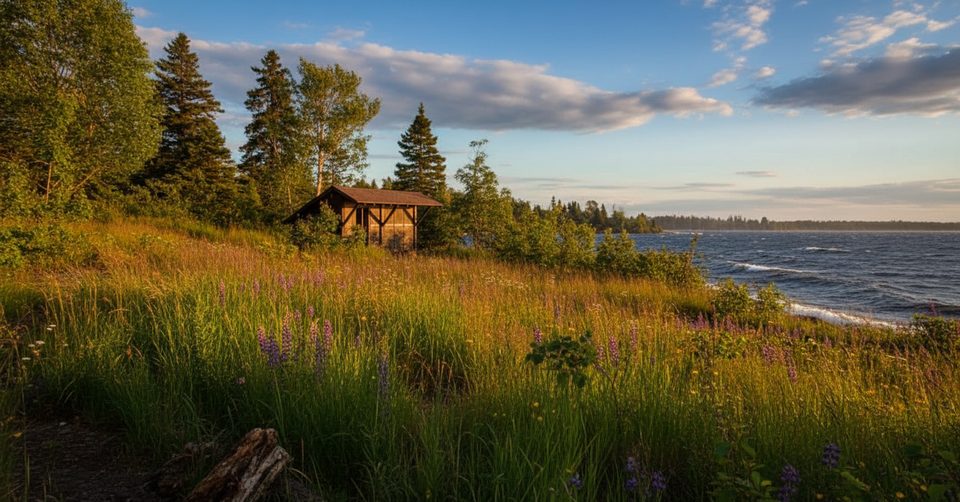
Place · 1.1 mi away
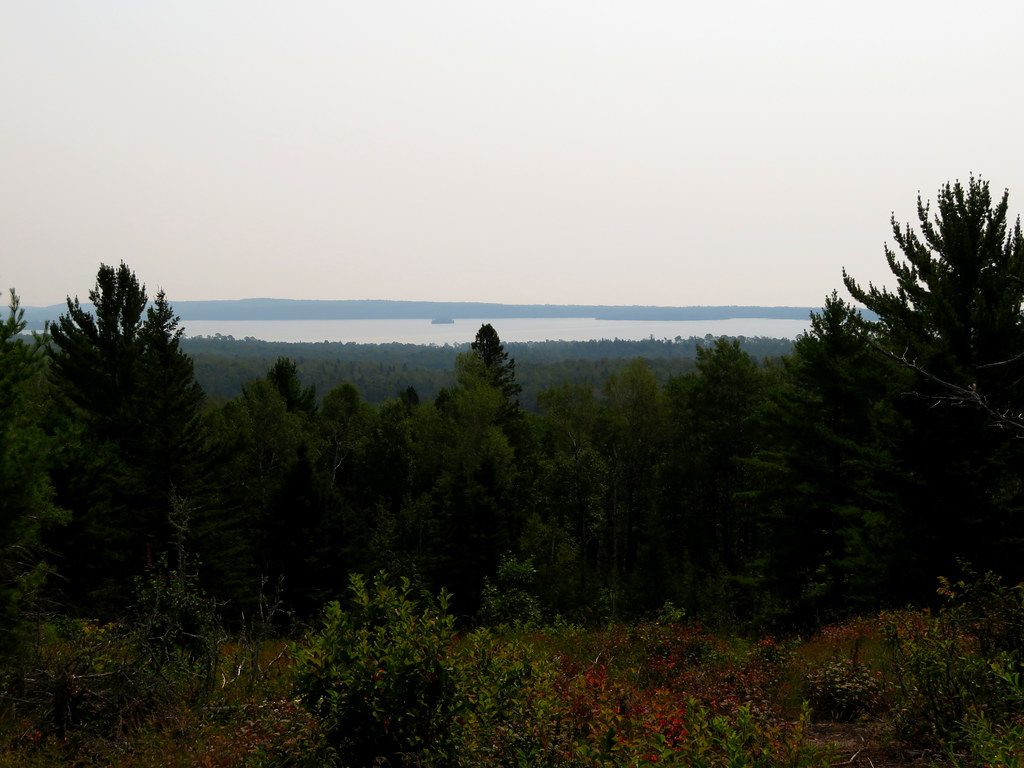
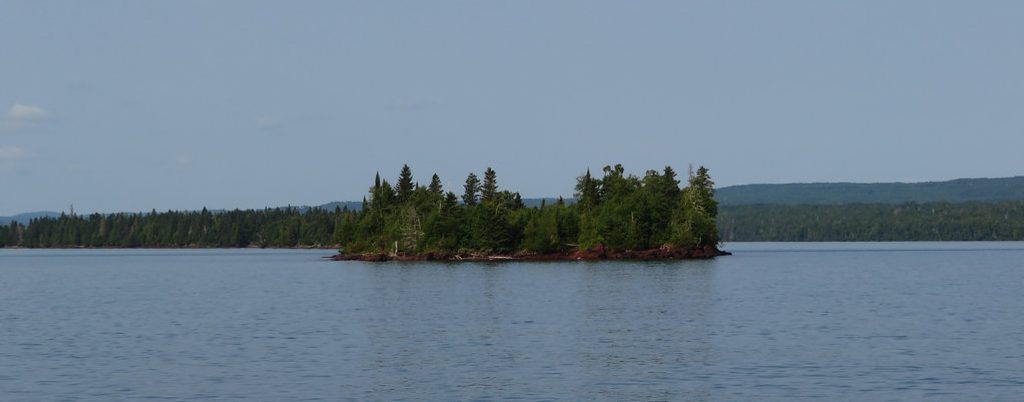
Siskiwit Lake is the island’s largest inland lake—broad, cold, and strikingly clear. Tucked deep in the roadless interior, it feels wild and far from the coastal bustle. A scattering of small islands (including Ryan Island) breaks up the vistas and gives the lake a distinct character.
The water here is oligotrophic—cold, clear, and low in nutrients—which keeps the lake pristine and the views luminous. Those little islands aren’t just eye candy; they’re known nesting spots for common loons, so expect to hear their calls in the quiet hours.
Loons are the headliners, frequently nesting on the lake’s islands. Beneath the surface, a classic northern fish community includes lake trout and other coldwater species. Visitors have also reported moose along or near the shoreline—keep your distance and give wildlife the right of way.
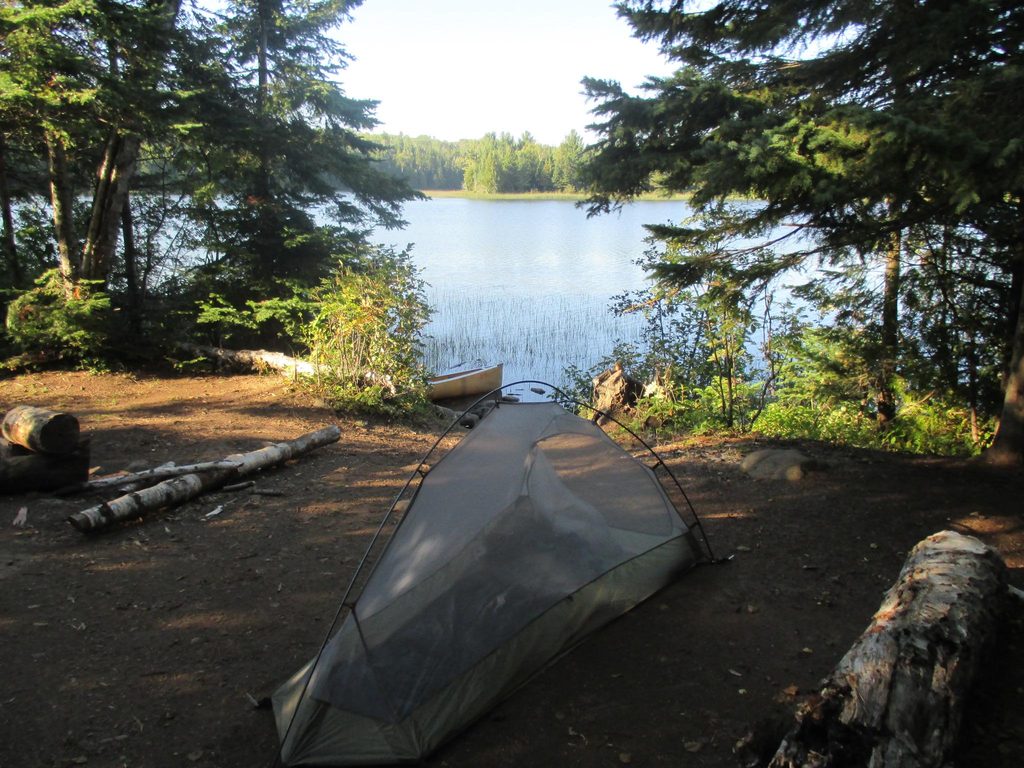
There isn’t a developed campground right on Siskiwit Lake itself. Backpackers and paddlers typically stage from nearby designated backcountry sites—Malone Bay is a common base—and connect via interior trails and portages. You’ll need to be entirely self-sufficient: carry in food, treat all water, and plan for changing weather.
Summer is the practical window. For fishing, August often produces better results when trout are holding deep. If you’re paddling, choose stable weather and be ready to sit out windy spells. The interior sees fewer people than the coast, so solitude is the norm regardless of day of week.
This is pure backcountry—no roads, no parking, no restrooms, no stores, no WiFi. Navigation is via mapped trails/portages like the Indian Portage corridor. Cold water and sudden wind are the real hazards here; hypothermia is the risk you plan around.
Ryan Island has figured into a quirky, now-debunked geographic hoax about “islands within islands.” It’s a reminder that Siskiwit’s quiet waters have inspired both science and tall tales.
Place · 1.1 mi away
Place · 1.7 mi away
Place · 2.7 mi away
Place · 3.8 mi away
Challenging · 1.1 mi away
Moderate · 6.6 mi away
Moderate · 7.3 mi away
Easy · 7.3 mi away

Parkwolf Tour Guide
