Best time to visit
- Late summer to early fall is the sweet spot: lower water levels for fords, more stable weather, and snow-free travel. Spring can be sloppy with high water; winter travel is generally impractical. Crowds are minimal year-round.

Sight · Jasper National Park
Remote fur‑trade gateway on the Continental Divide with real solitude
Overview
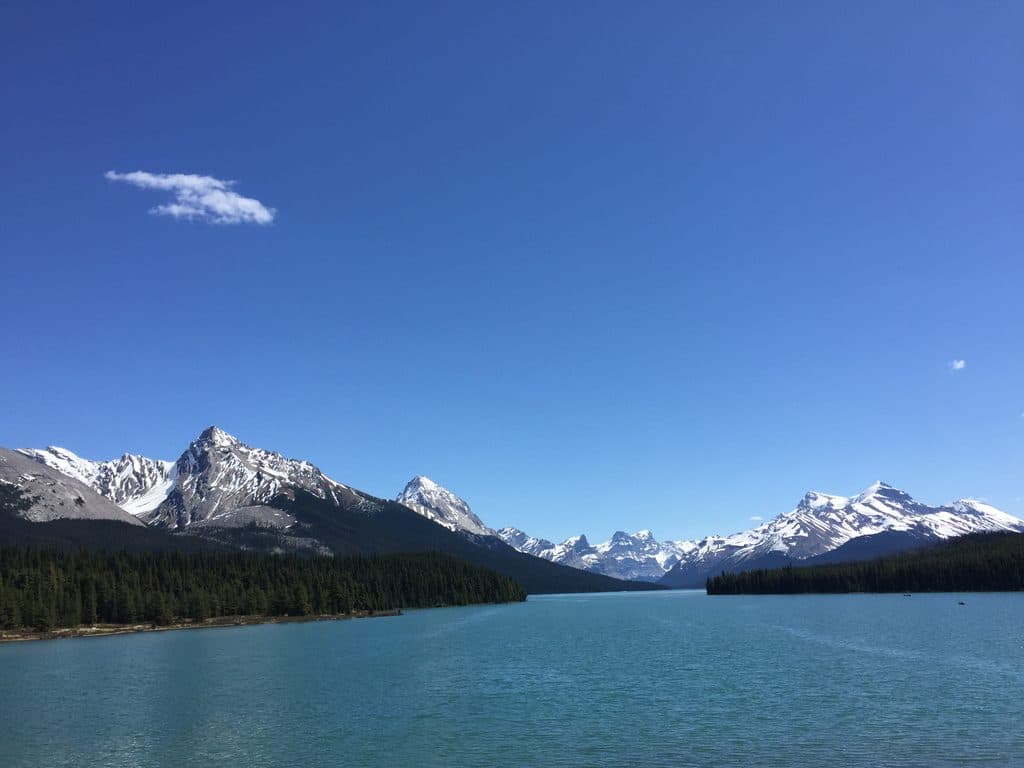
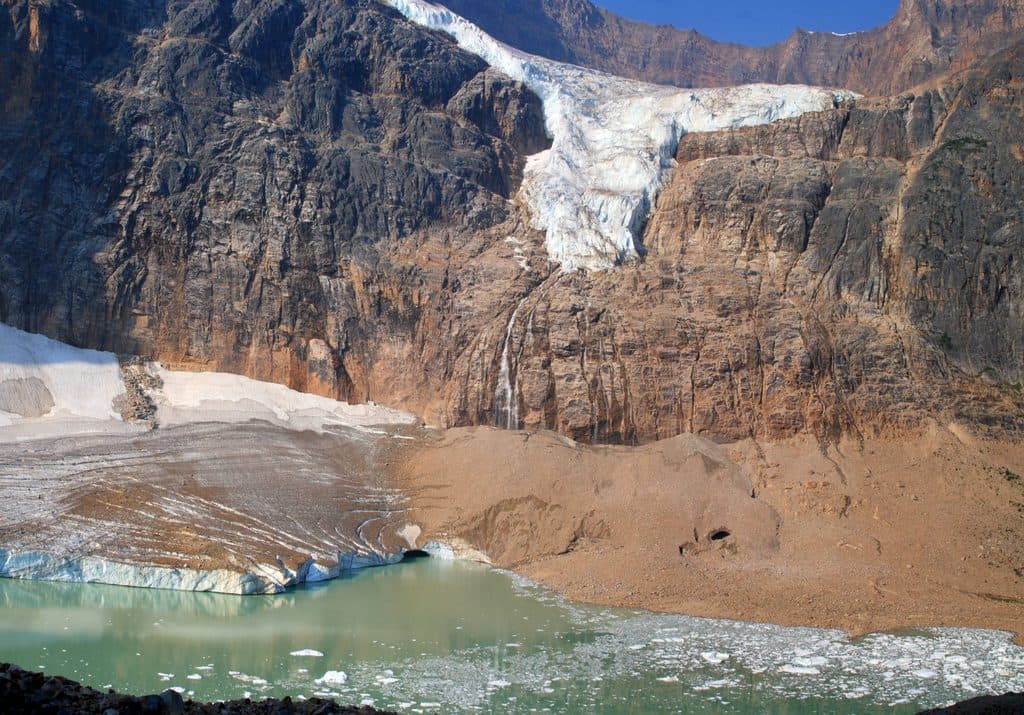
Athabasca Pass is where Jasper’s big backcountry and big history meet. This remote Continental Divide crossing was the fur-trade highway of the early 1800s, and it still feels that way—quiet, wild, and unpolished. If you’re a strong backpacker who loves lonely routes and a sense of the past, this one delivers.
 Parkwolf’s verdictWhy go
Map
Local know-how
Reserve backcountry campsites in advance; the last site is 1 km below the pass.
Bring maps and GPS and be ready for route-finding beyond Whirlpool Camp.
Plan footwear and timing for unbridged creek crossings; late summer is best.
Access the trail via Moab Lake Road off Wabasso Road, including 6.8 km of gravel.
Bikes are only allowed to Simon Creek; dogs and horses are permitted on the trail.
Plan your stop
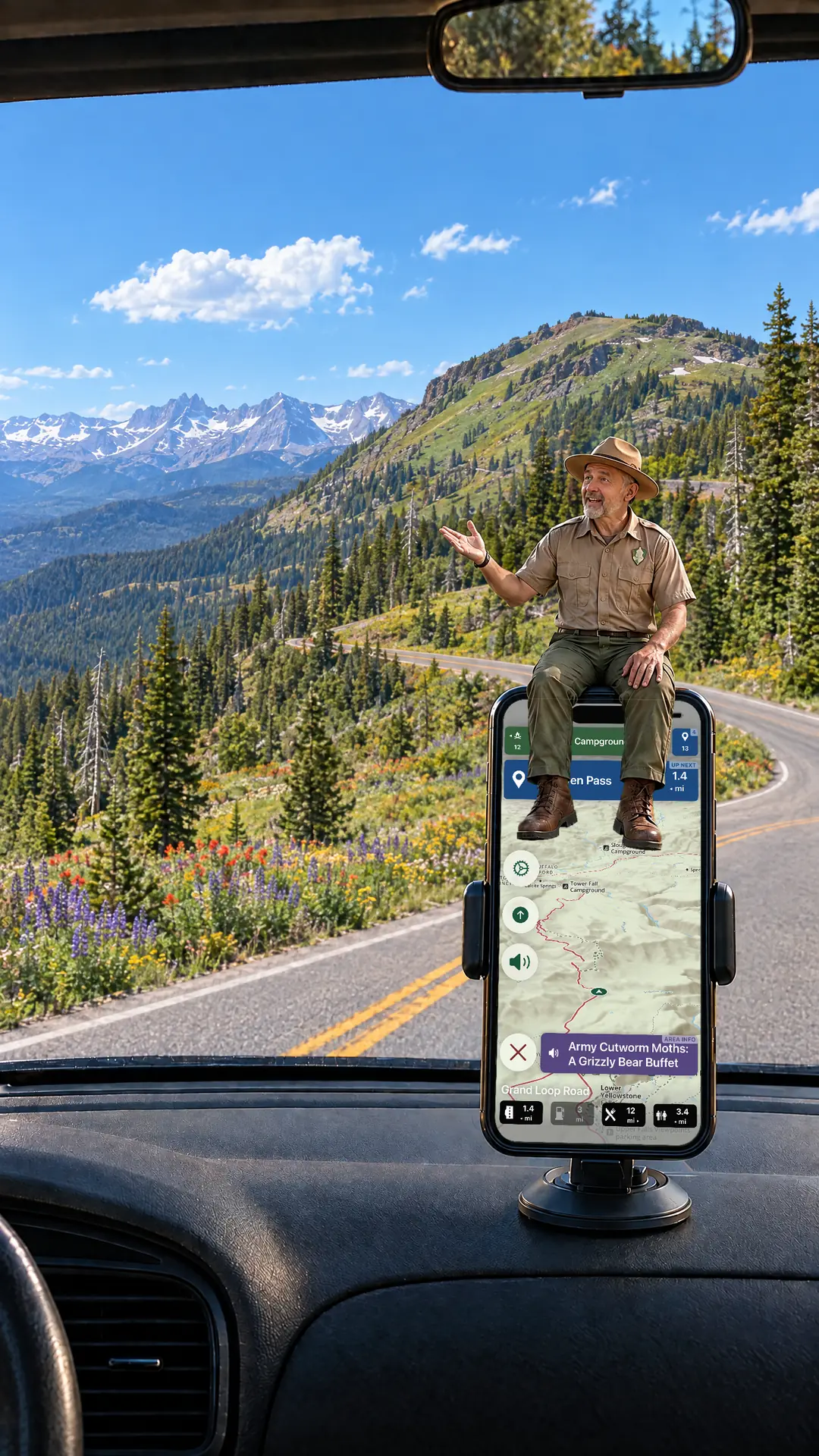
The highest, rockiest slopes around here are a summer buffet for grizzly bears.
Jasper Tour Guide
Parkwolf is a GPS audio tour guide for Jasper National Park. As you drive, it chimes in with what’s ahead: hidden gems, upcoming stops, history, geology, and wildlife, right through your car’s speakers.
See the Jasper audio tour“Fantastic app with many points of information… It’s great to just turn on while you’re driving and it gives you an audio tour of the national Park. We love it!!!!”


Guide
Wildlife
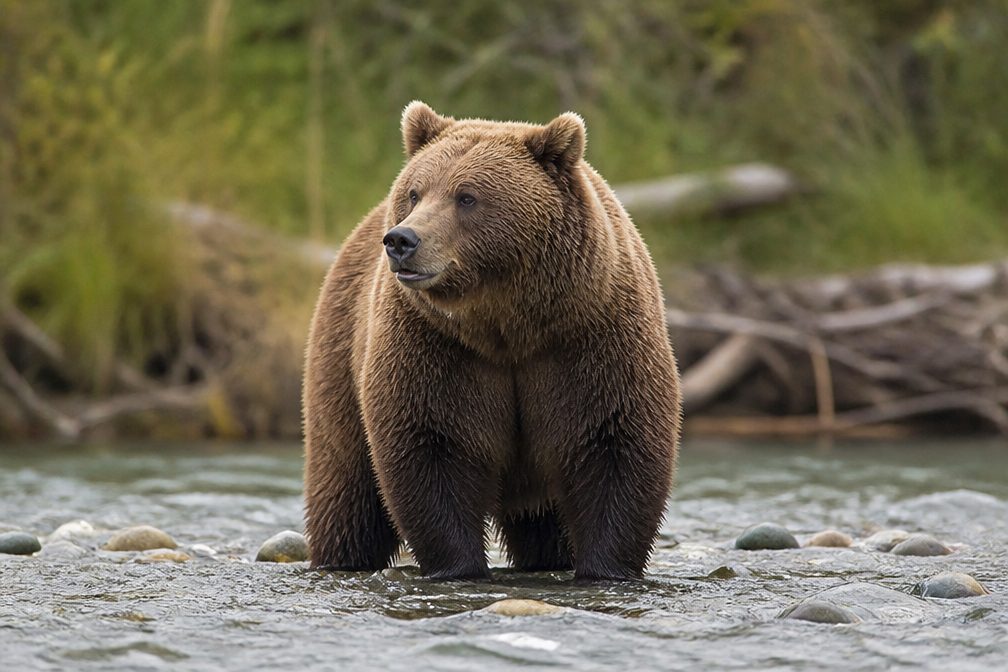 174 sightingsGrizzly BearMost seen around 8 PMSighting map
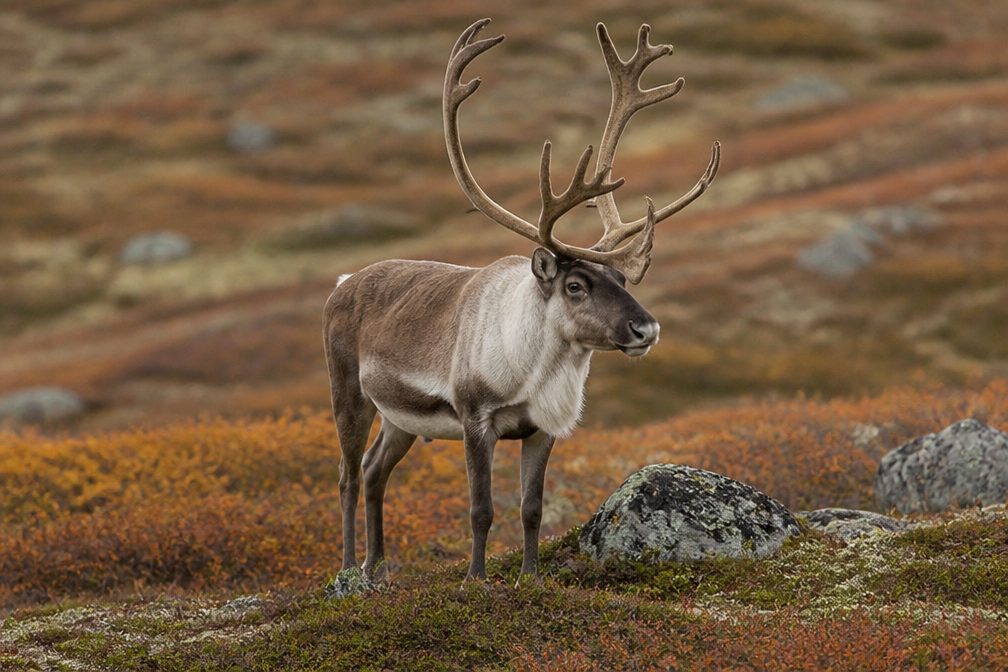 43 sightingsCaribouMost seen around 7 AMSighting map
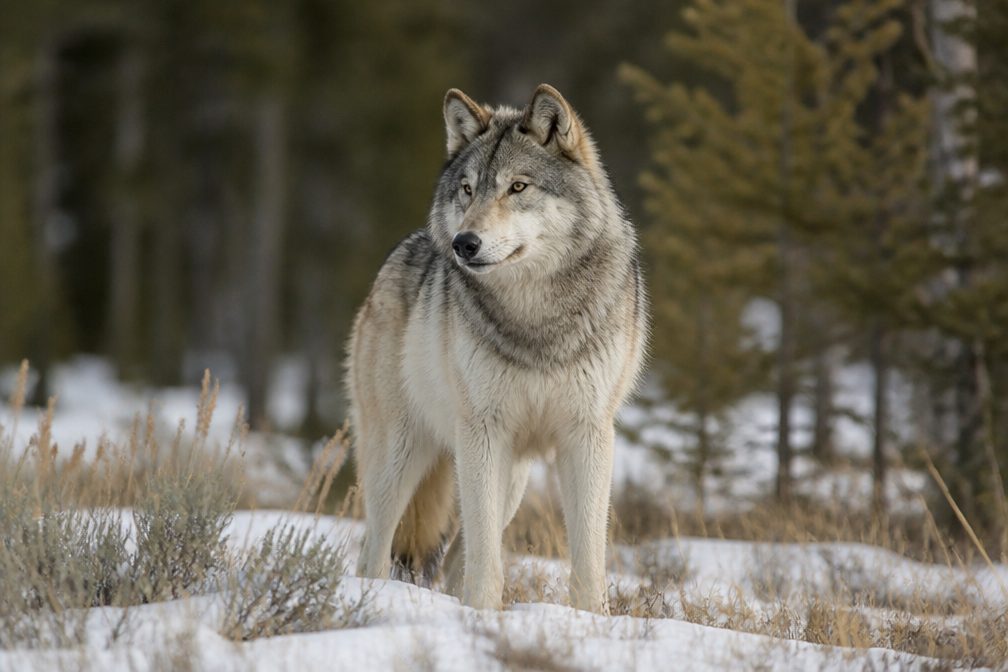 40 sightingsGray WolfMost seen around 6 AMSighting map
 12 sightingsCanada LynxMost seen around 8 PMSighting map
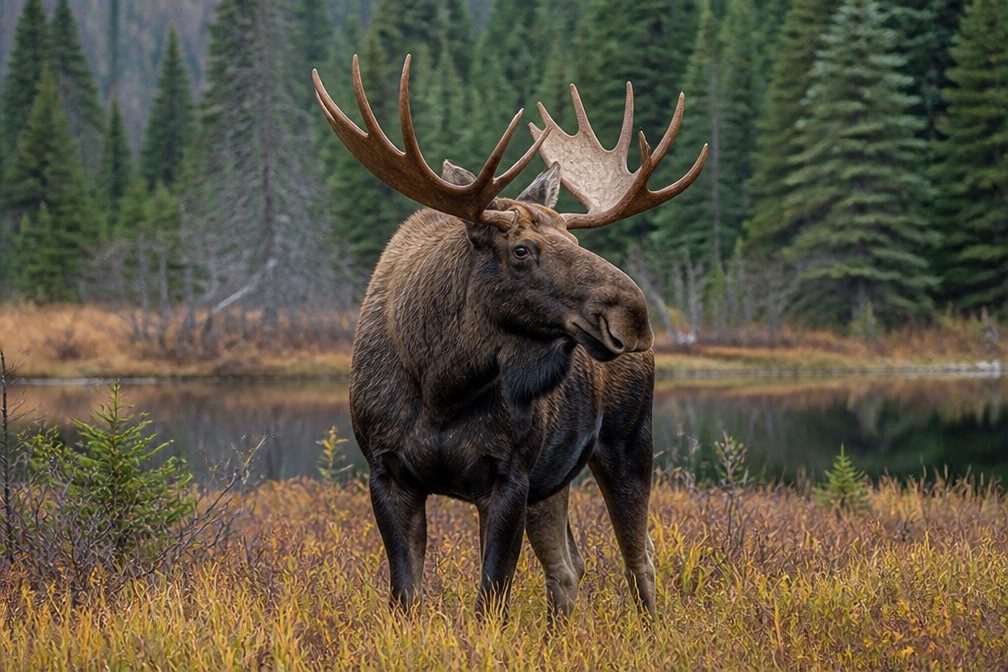 315 sightingsMooseMost seen around 6 AMSighting map
 1,028 sightingsElkMost seen around 7 AMSighting map
Sighting maps show where each species has been reported across Jasper. Wildlife moves, so no sighting is guaranteed.
Parkwolf’s Jasper ranking
The audio tour guide for the drive, plus offline maps, trails, and wildlife heatmaps for when the signal drops.