Best time to go
- Peak spectacle: early summer (high flow from glacier melt).
- Shoulder season: late September brings a more moderate look and easier crowding.
- Winter: icy, photogenic, and quieter—bring traction for slick paths.

#4 of 81 sights in Jasper
Sight · Jasper National Park
Roaring glacier-fed falls squeezed into a narrow quartzite canyon
Overview
Athabasca Falls is all about power. The Athabasca River is funneled into a narrow quartzite canyon and then drops about 23–24 meters, creating a deep roar, spray, and a sculpted gorge that’s unforgettable. It’s an easy, quick stop just off Highway 93A, and a marquee sight on the Icefields Parkway.
This isn’t the tallest waterfall in the Rockies, but the volume is immense—especially during late spring and summer melt. Over time, that force has carved potholes and a tight channel through very hard quartzite, with Mount Kerkeslin framing the scene. In winter, the falls partially freeze into beautiful ice formations while water still courses below.
 Parkwolf’s verdictWhat Makes It Special
Map
Local know-how
Arrive early or late to beat the tour-bus rush and snag parking.
Stay behind the railings; mist makes rocks and paths deceptively slippery.
Bring water and snacks—there’s no food, store, or fill station on site.
Budget 45–60 minutes to hit all the platforms and canyon viewpoints.
In winter, pack traction aids for icy paths and bridges.
Plan your stop
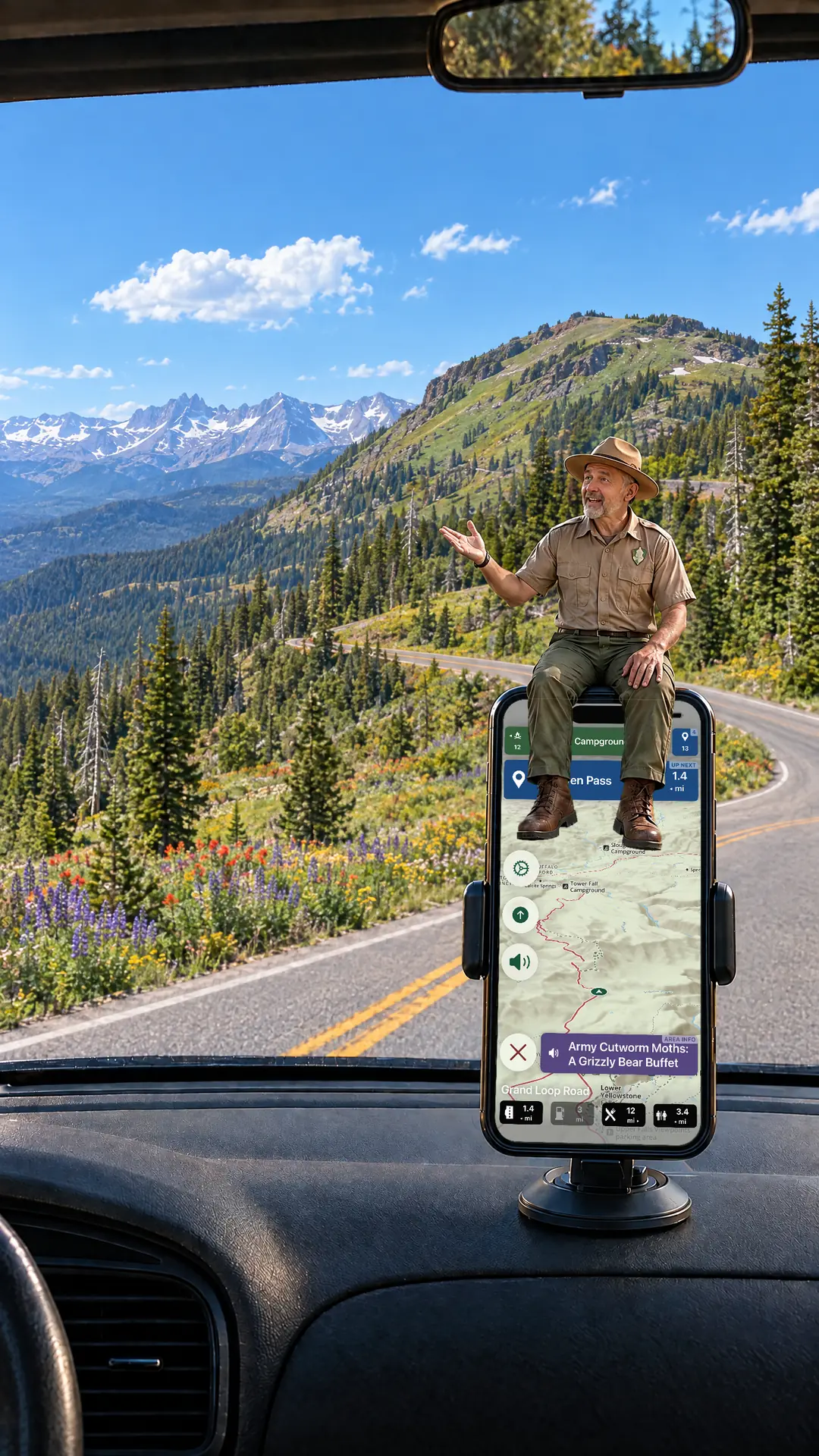
The highest, rockiest slopes around here are a summer buffet for grizzly bears.
Jasper Tour Guide
Parkwolf is a GPS audio tour guide for Jasper National Park. As you drive, it chimes in with what’s ahead: hidden gems, upcoming stops, history, geology, and wildlife, right through your car’s speakers.
See the Jasper audio tourRecorded for this place
Athabasca Falls, Jasper's Most Powerful Waterfall“Up ahead is Athabasca Falls, one of Jasper's most impressive sights. This waterfall isn't famous for being tall, but for the incredible power of the entire Athabasca River being forced through a narrow quartzite canyon.”
Plays as you drive up to Athabasca Falls in the Parkwolf Jasper Tour Guide.
More stories near here in the app
“Fantastic app with many points of information… It’s great to just turn on while you’re driving and it gives you an audio tour of the national Park. We love it!!!!”


Guide
This spot is busy, so wildlife encounters right at the falls are uncommon. Keep your eyes open along the drive and quieter nearby areas for elk, deer, and birds.
Guided whitewater rafting often starts just below the falls and runs the Athabasca Canyon (family-friendly sections), a fun add-on if you want to feel the river’s energy up close.
Wildlife
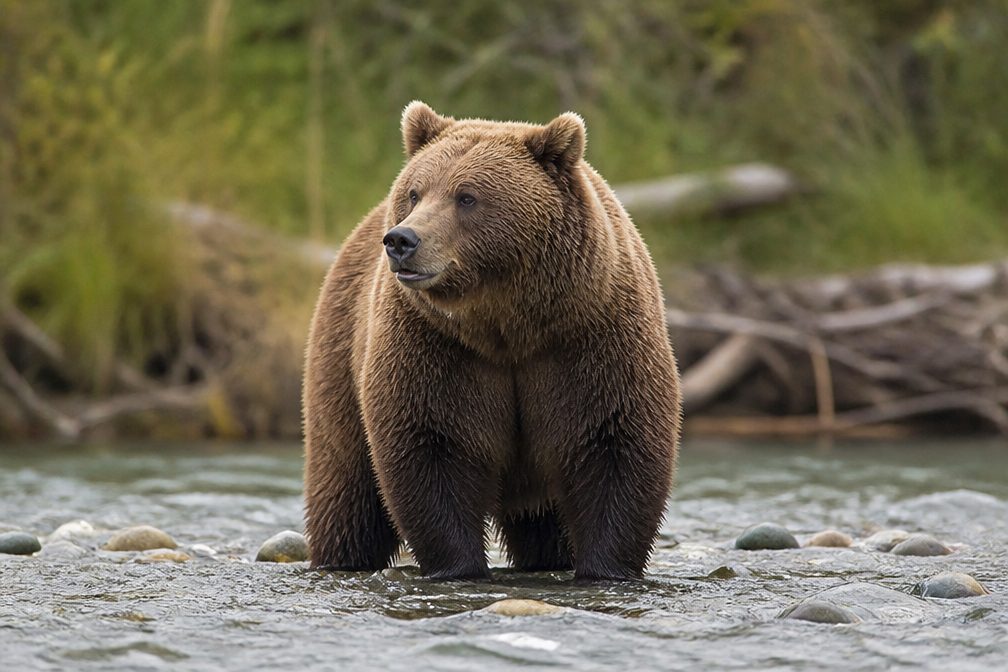 174 sightingsGrizzly BearMost seen around 8 PMSighting map
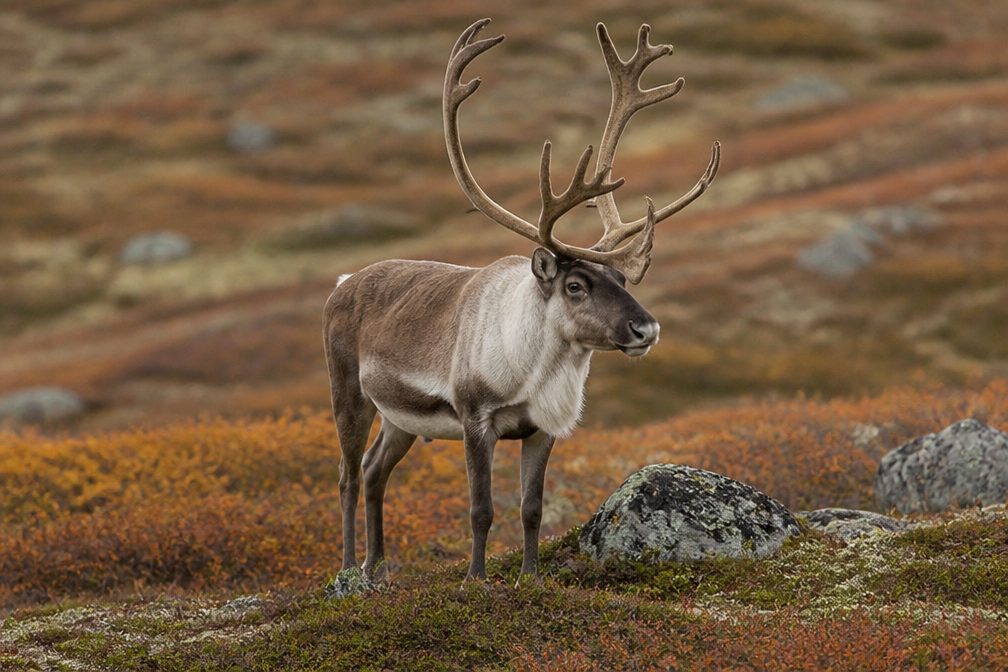 43 sightingsCaribouMost seen around 7 AMSighting map
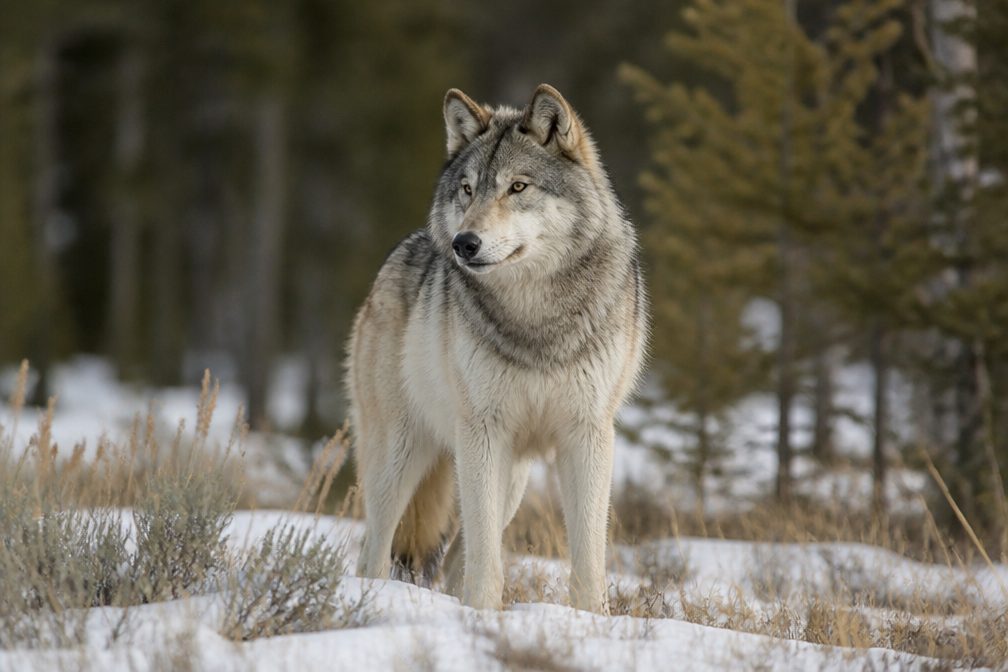 40 sightingsGray WolfMost seen around 6 AMSighting map
 12 sightingsCanada LynxMost seen around 8 PMSighting map
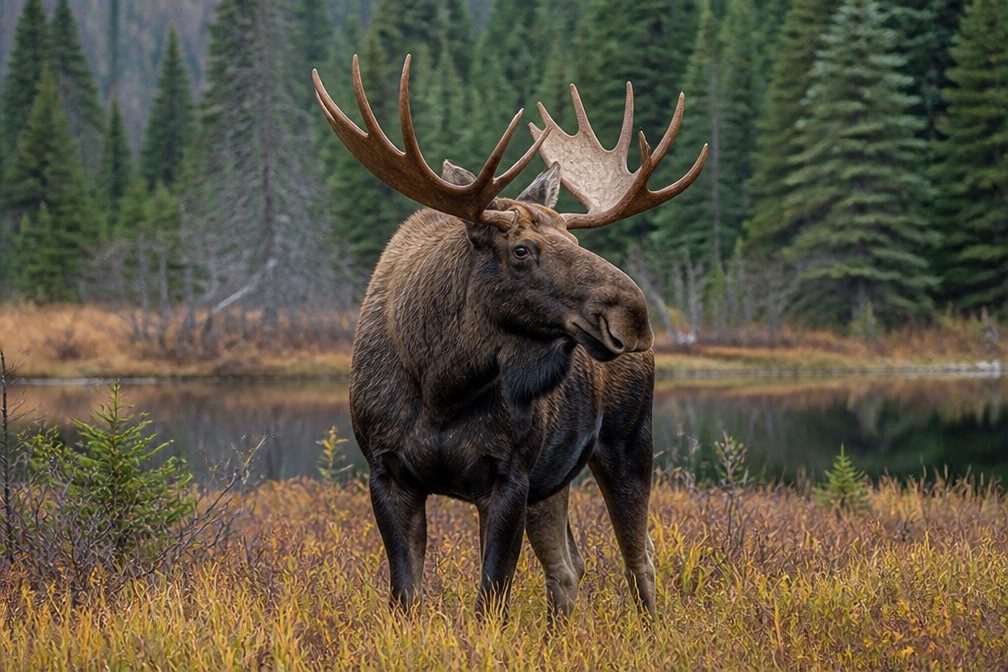 315 sightingsMooseMost seen around 6 AMSighting map
 1,028 sightingsElkMost seen around 7 AMSighting map
Sighting maps show where each species has been reported across Jasper. Wildlife moves, so no sighting is guaranteed.
Keep exploring
 EasyAthabasca Falls Loop0.8 km · 45 min · 0.1 km awayEasy, developed out-and-back to Jasper’s most powerful waterfall and canyonChallengingFryatt Valley Trail43.9 km · 16 hr · 2 km awayDramatic backcountry journey to Fryatt Lake, the headwall, and Sydney Vallance HutEasyHorseshoe Lake Circuit1.6 km · 30 min · 3.6 km awayShort Horseshoe Lake lollipop with clear water, shoreline views, and cliff-top viewpoints
 ChallengingGeraldine Lakes Trail12.4 km · 6 hr · 4.5 km awayRugged lakes-and-waterfalls climb to a backcountry campground beneath Jasper’s big peaks.ModerateWhirlpool River Trail13.4 km · 4.5 hr · 4.8 km awayHistoric Whirlpool River valley out-and-back to a riverside campgroundChallengingAthabasca Pass Trail48.4 km · 4 days · 4.8 km awayHistoric 48.5 km one-way backcountry route up the Whirlpool River valley to Athabasca PassModerateMoab Lake Trail15.1 km · 4 hr · 7.4 km awayA quiet, moderate road walk to a Moab Lake viewpoint via the Whirlpool valleyModerateLeach Lake Trail15.4 km · 4.5 hr · 7.4 km awayWinter route to Leach Lake with Mount Hardisty and Mount Kerkeslin views.
 Lodging · 0.7 km awayHI Athabasca FallsRustic hostel steps from Athabasca Falls with a cozy cookhouse
 Campground · 3.6 km awayMt Kerkeslin CampgroundQuiet, riverside first‑come campground on the Icefields Parkway
 Sight · 4 km awayHorseshoe LakeCliff-ringed turquoise lake just off the Parkway
 Scenic pullout · 5.8 km awayGoats and Glaciers ViewpointQuick goat-spotting pullout with glacier and river valley views
Parkwolf’s Jasper ranking
The audio tour guide for the drive, plus offline maps, trails, and wildlife heatmaps for when the signal drops.