Athabasca Glacier

Easiest-access slice of the Columbia Icefield, stark and unforgettable
Athabasca Glacier, Jasper National Park
InsideJasper National Park

Why go

Athabasca is the showpiece of the Columbia Icefield and arguably the park’s most surreal stop: a river of ice pouring off high peaks right beside the highway. It’s also a living climate story—retreat markers line the access path, and Parks Canada notes record melt in recent years. If you want an easy, big-impact glacier experience, this is it.

What you’ll see

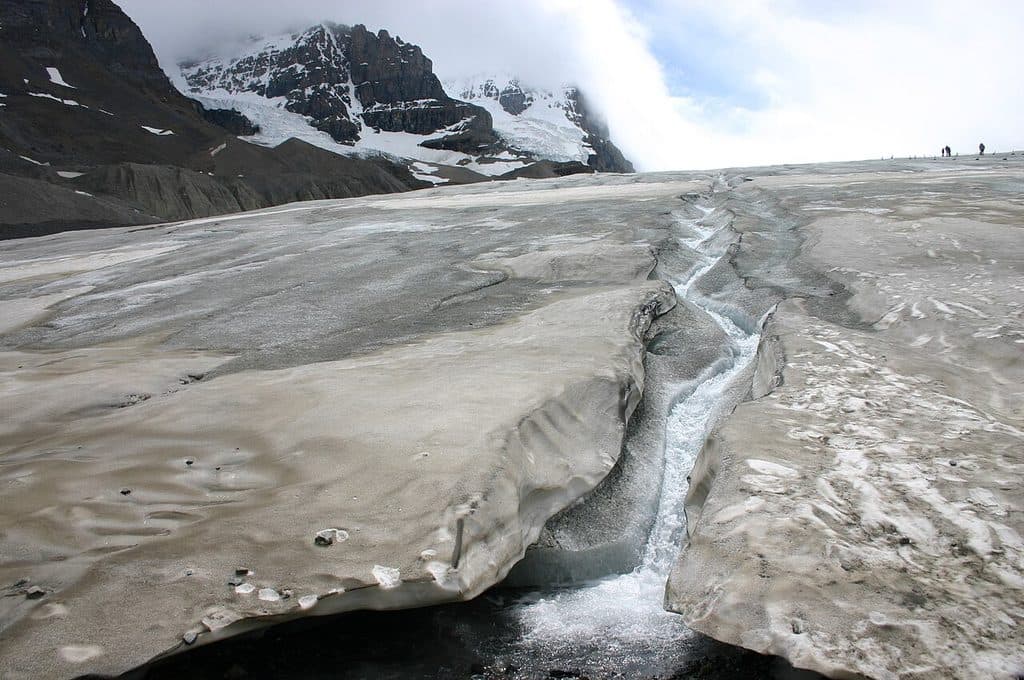
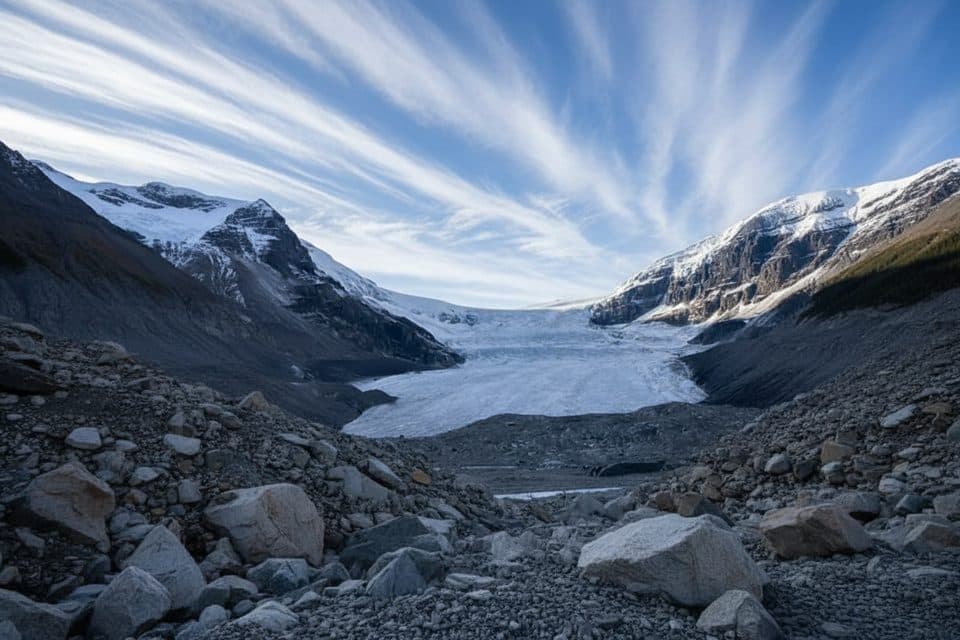
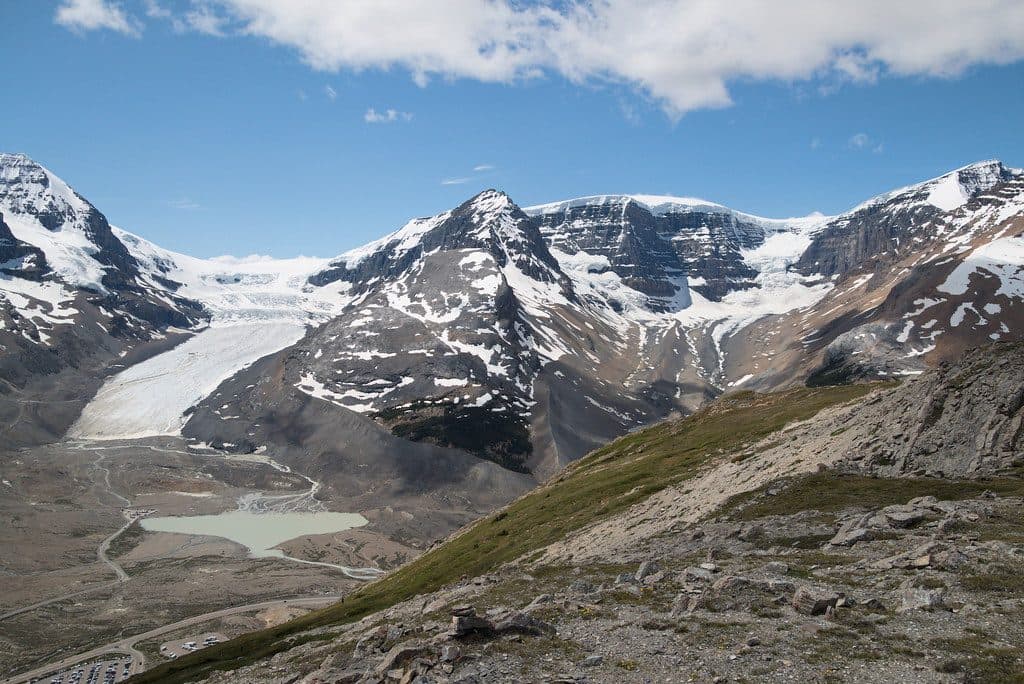
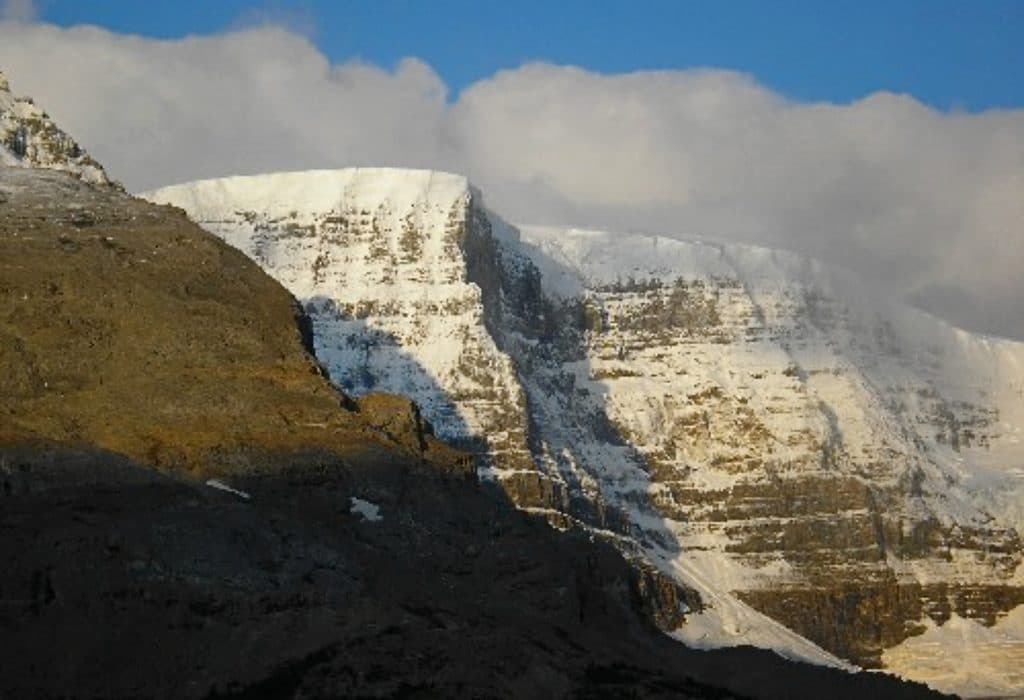
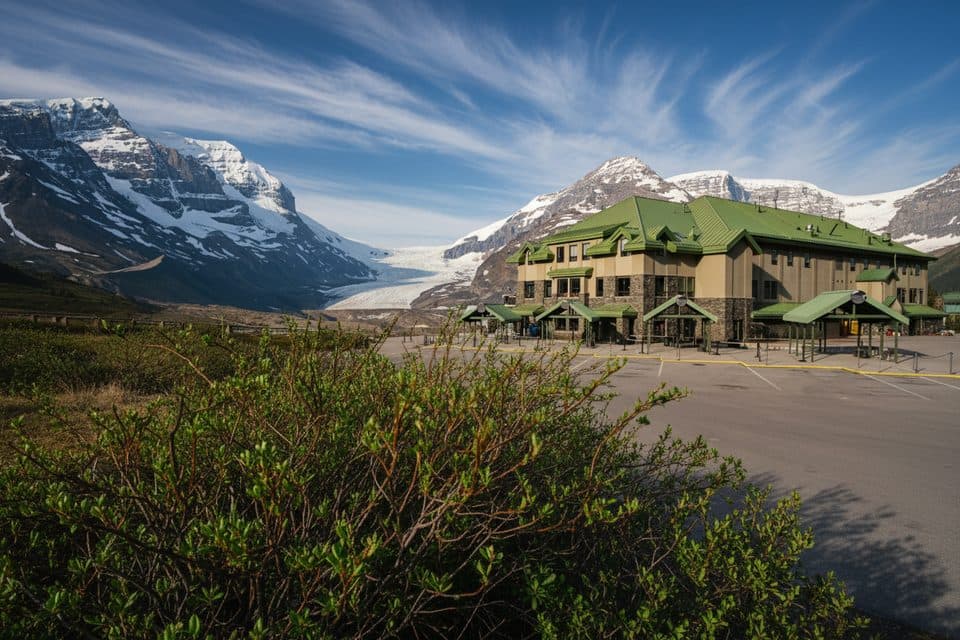
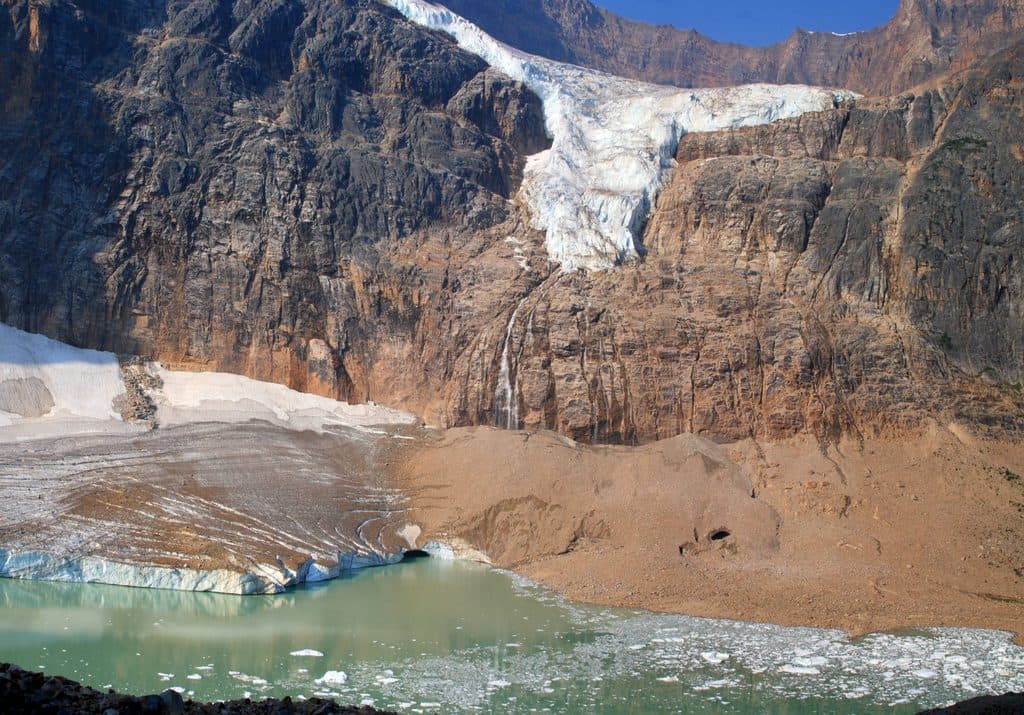
From the moraine ridge, the glacier’s tongue unfurls below Mount Athabasca, Andromeda, and Snow Dome. You’ll get sweeping views, crevassed ice, and the stark, rocky forefield left behind as the glacier shrinks. Across the road, the Columbia Icefield Discovery Centre frames the panorama and serves as the hub for tours and info.

Ways to experience it

  • Self-guided: Follow the signed path to the roped viewpoint near the toe. Along the way, dated posts mark where the ice stood in past decades—it’s eye-opening.
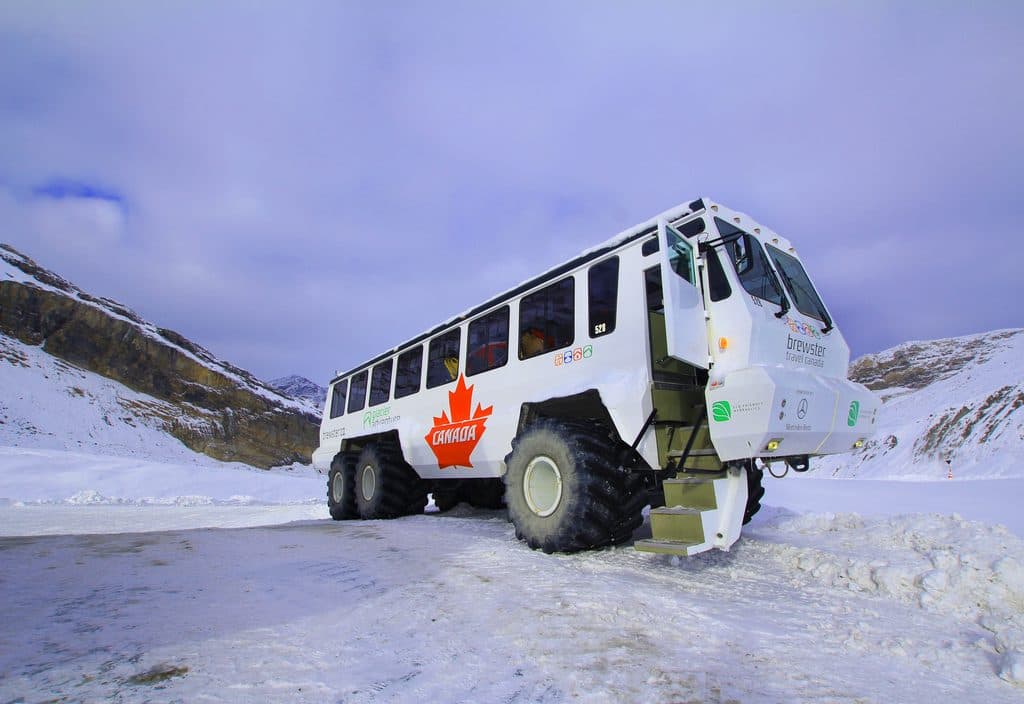
  • Guided on-ice: Book the Ice Explorer bus to roll onto safe terrain and step out on the ice. Many visitors love the novelty; expect a short window on the glacier itself.
  • Nearby add-on: The Columbia Icefield Skywalk (a glass-floored cliff walkway) delivers huge valley views and another perspective on the icefield landscape.

Safety and realities

Do not step onto the glacier unguided—hidden crevasses have been deadly. Respect ropes and signs at the terminus. Weather changes fast and it’s much colder on the ice; dress like it’s shoulder season even in July.

Quick facts and context

Athabasca is roughly 6 km long and 90–300 m thick, one of six “toes” of the Columbia Icefield, which feeds rivers flowing toward three different oceans. It’s among the most visited glaciers in North America precisely because you can drive right to it.

Logistics

  • Access: Directly off the Icefields Parkway (Hwy 93). Park at the toe-of-glacier lot; if it’s full, the Discovery Centre lot across the road is the reliable fallback.
  • Services: Restrooms, food, exhibits, ticketing, and tours are at the Columbia Icefield Discovery Centre (not at the glacier toe). The Centre typically operates from spring to mid-October; it closes for winter.

Wildlife

This is a harsh, high-elevation environment—wildlife sightings are limited here compared with elsewhere in the park, though you may spot birds or occasional mammals on the surrounding slopes.

Best time to visit

  • Season: May–October is prime; winter operations are limited and the Discovery Centre closes mid-October through mid-April.
  • Daily timing: Arrive before 9 am or after 4 pm to dodge bus crowds and get easier parking. For photos, early and late light softens glare off the ice; midday can be harsh and busiest.
  • Booking: Reserve glacier and Skywalk tours in advance in peak season—they often sell out.
Pros

  • One of the most accessible glaciers on earth with close-up viewpoints
  • Guided “Ice Explorer” tours let you safely stand on the ice
  • Short interpretive walk with year markers shows the glacier’s dramatic retreat

Cons

  • Very crowded in peak summer
  • On-ice access is guided only
  • Tours can be pricey and time on the glacier is brief

Tips

  • Book on-ice and Skywalk tours in advance for summer dates.
  • If the toe lot is full, use the Discovery Centre lot and walk over.
  • Bring warm layers, hat, and gloves—it’s often near freezing on the ice.
  • Wear sturdy shoes with grip; the moraine path can be steep and slick.
  • Respect ropes and signs; never step onto the glacier without a guide.
The Parkwolf tour guide sitting on a phone mounted in a car

Parkwolf Tour Guide

Like a tour guide in your car.

Save the places you found around Jasper, then let Parkwolf guide the drive between them.Download Parkwolf on the App Store