Overview
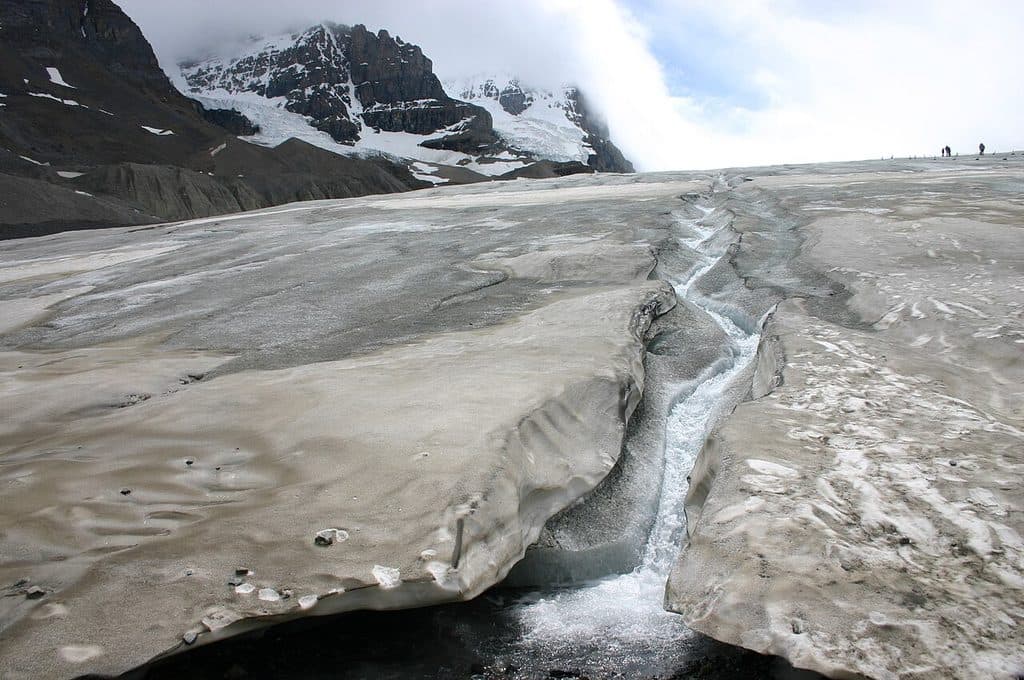
Straddling the crest of the Icefields Parkway, the Columbia Icefield is the Rockies’ big show: a sprawling, high‑alpine ice mass feeding famous outlet glaciers like Athabasca. It’s a hydrological apex too—meltwater here eventually reaches the Arctic, Atlantic, and Pacific. Expect stark, windy, otherworldly terrain that’s much colder than the valleys.
What You’ll See
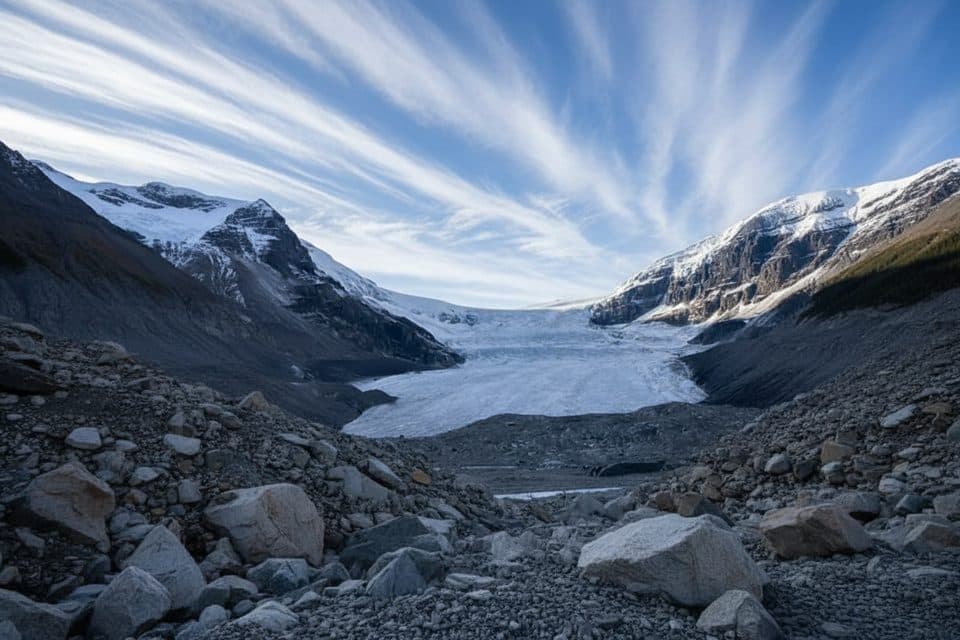
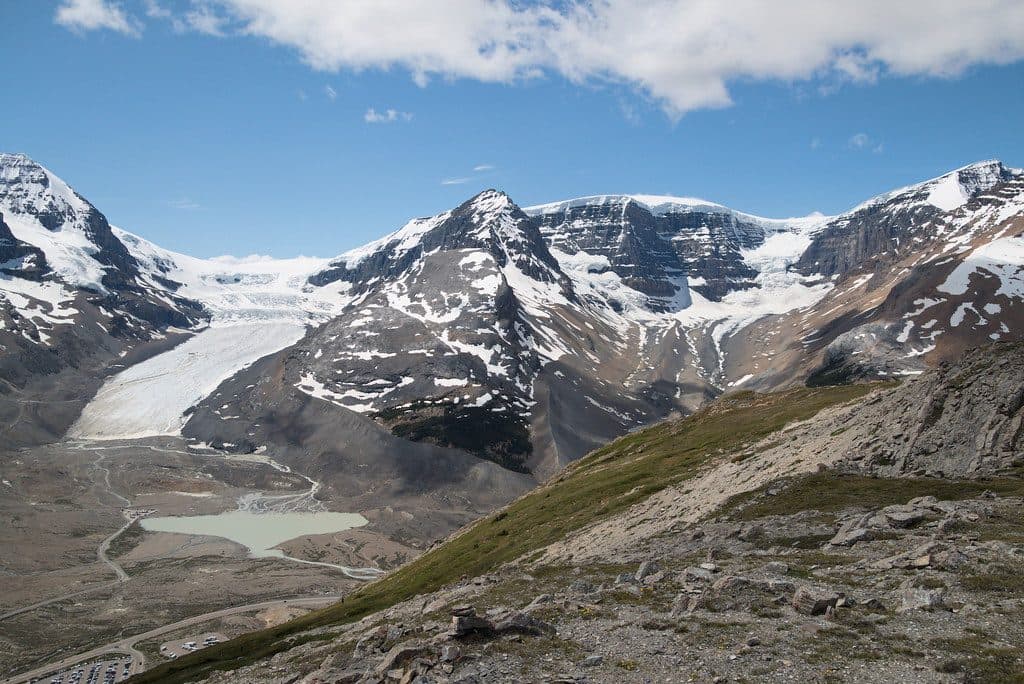
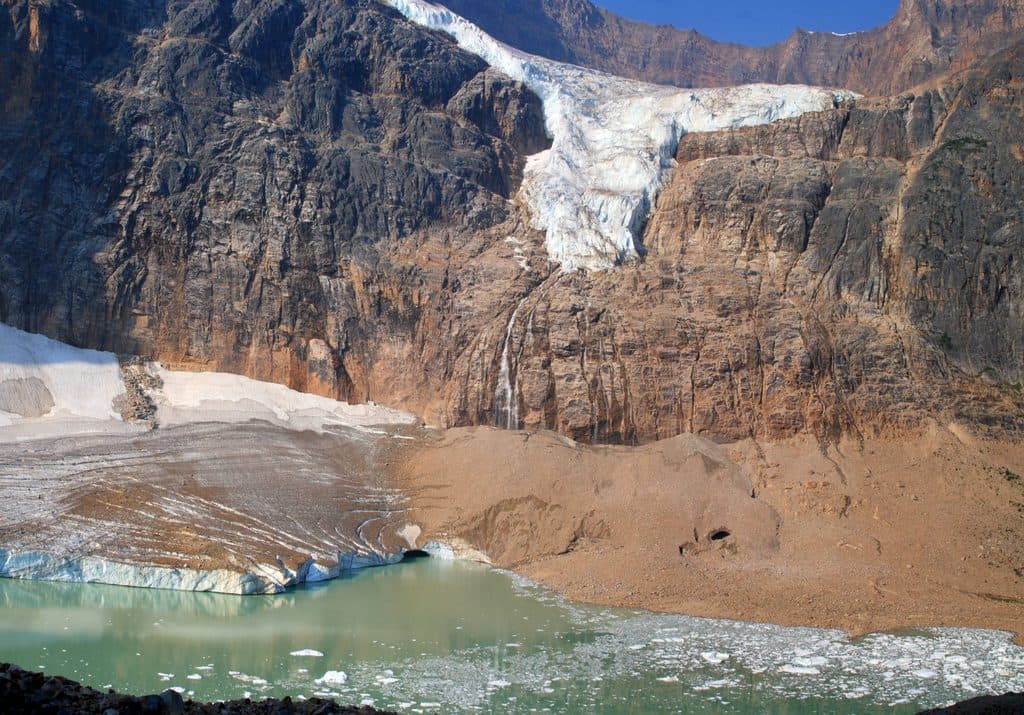
- Athabasca Glacier front and its stark moraine slopes, plus clear markers showing dramatic retreat over the past century.
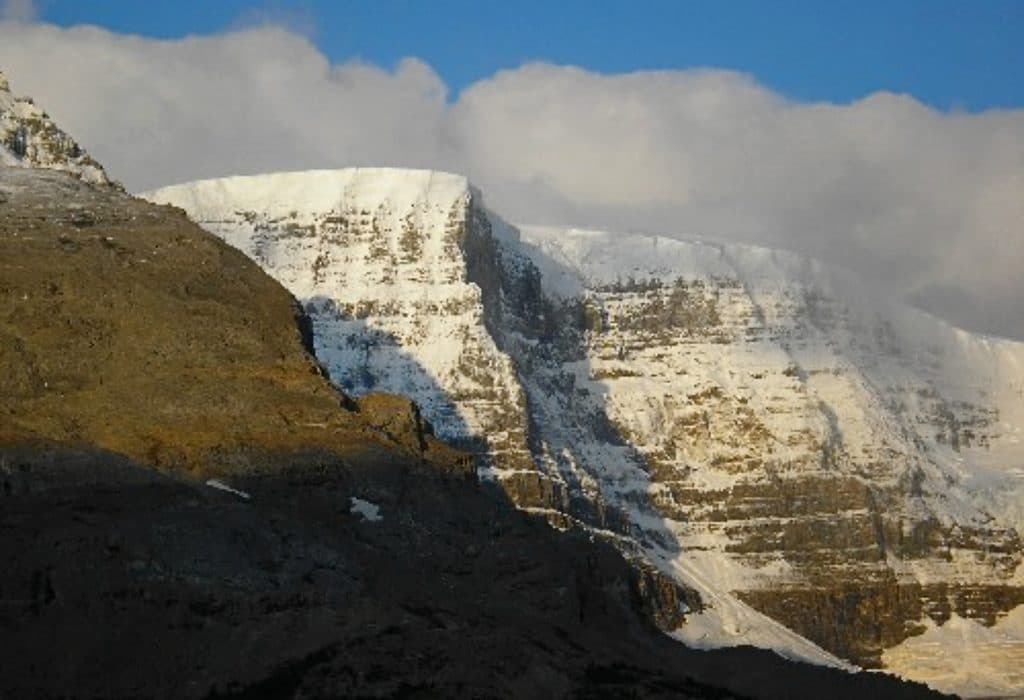
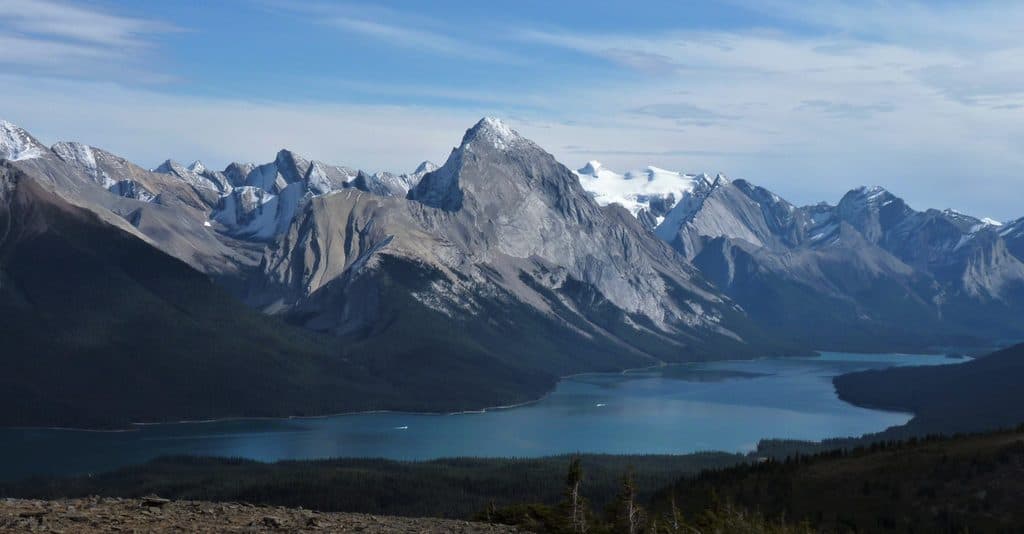
- Panoramic views of surrounding peaks (think Mount Athabasca, Andromeda, Snow Dome) and wide U‑shaped valleys carved by ice.
- Nearby marquee add‑ons: the glass‑floored Glacier Skywalk high above the Sunwapta Valley and big‑view hikes like Wilcox Pass.
How People Visit
- Walks from the roadside parking lead to viewpoints near the glacier’s toe.
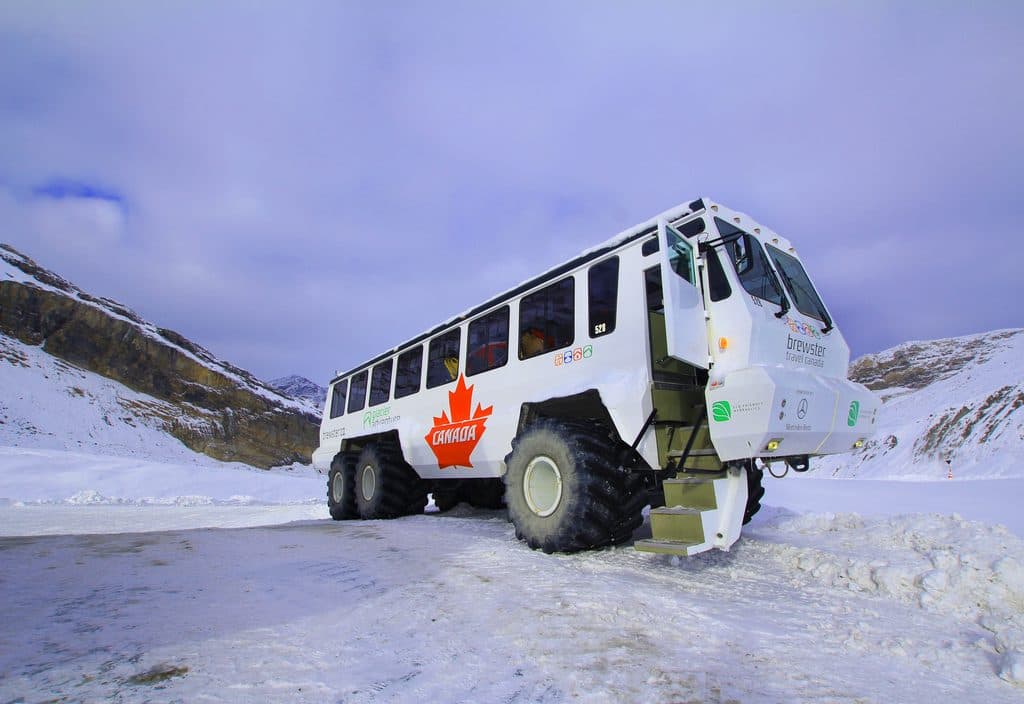
- Guided experiences: massive Ice Explorer vehicles drive you onto the Athabasca Glacier for time on the ice; licensed operators also offer guided glacier hikes. Many visitors bundle a glacier tour with the Glacier Skywalk.
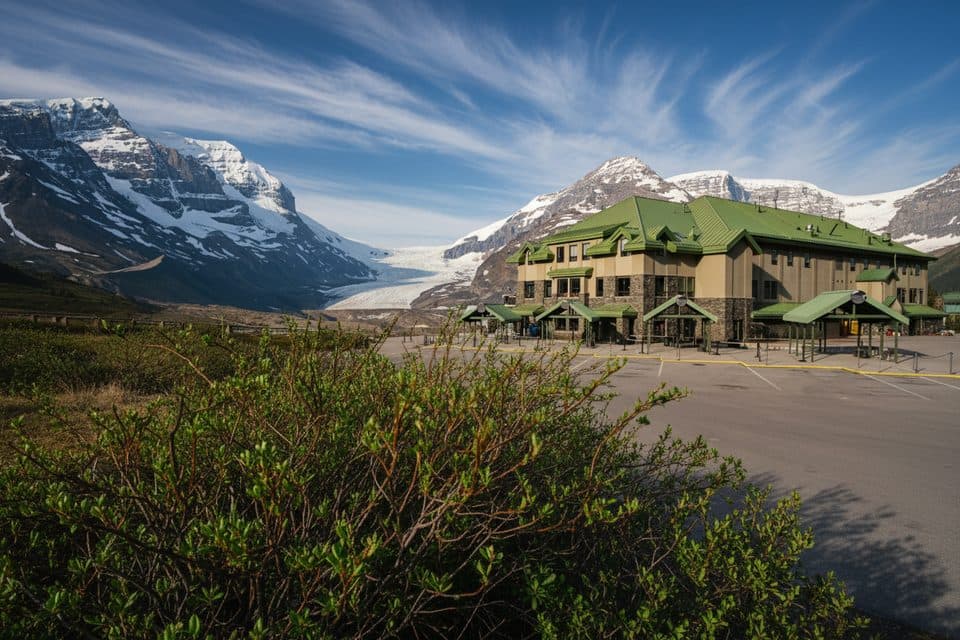
- Everything funnels through the Columbia Icefield Discovery Centre across the road—your hub for tickets, exhibits, food, and facilities.
Wildlife
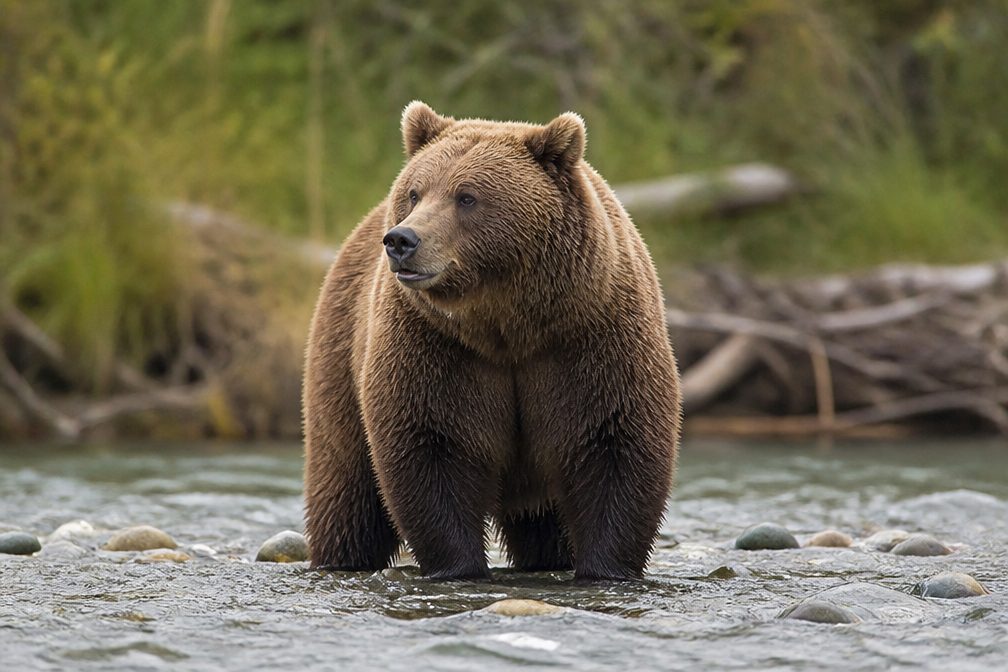
Keep an eye on slopes and cliffs for mountain goats and bighorn sheep, and scan the valleys for bears. Birds of prey ride the thermals along the Sunwapta Valley—bring binoculars if you have them.
History & Geology
You can literally walk past dated signs showing where the glacier once reached. The visible moraines, retreating ice, and broad U‑valleys are a crash course in glacial geomorphology—no textbook required.
The Environmental Reality
Athabasca and its sister glaciers are shrinking fast. Many visitors find the retreat markers sobering; some also question the environmental impact of bus tours on the ice. Go informed and tread lightly.
Best Time to Visit
- Timing: Arrive early morning or late afternoon to dodge the peak tour crush. Midday is busiest.
- Light: Side‑light in early/late hours gives better definition on the ice and peaks.
- Season: Early season (May) can see limited access; summer has the most operations but also the most crowds. It’s windy and cold up here year‑round—dress for winter even in July.

Essentials
- Layers, windproof shell, hat and gloves—katabatic winds make it feel wintry.
- Sturdy waterproof footwear; ice and meltwater make surfaces slick.
- Book glacier/Skywalk tours ahead in peak months.
- There’s no fuel here—fill up before the drive.
- On the ice, stay within roped/marked areas; crevasses are real.