
Place · 0.6 mi away
Cow Camp is a quiet, historic corner of the park where the story of rustlers turned ranchers is written in stone and concrete. Tucked in a boulder-strewn valley near Keys Ranch, it’s for folks who like their history raw and their outings self-reliant.
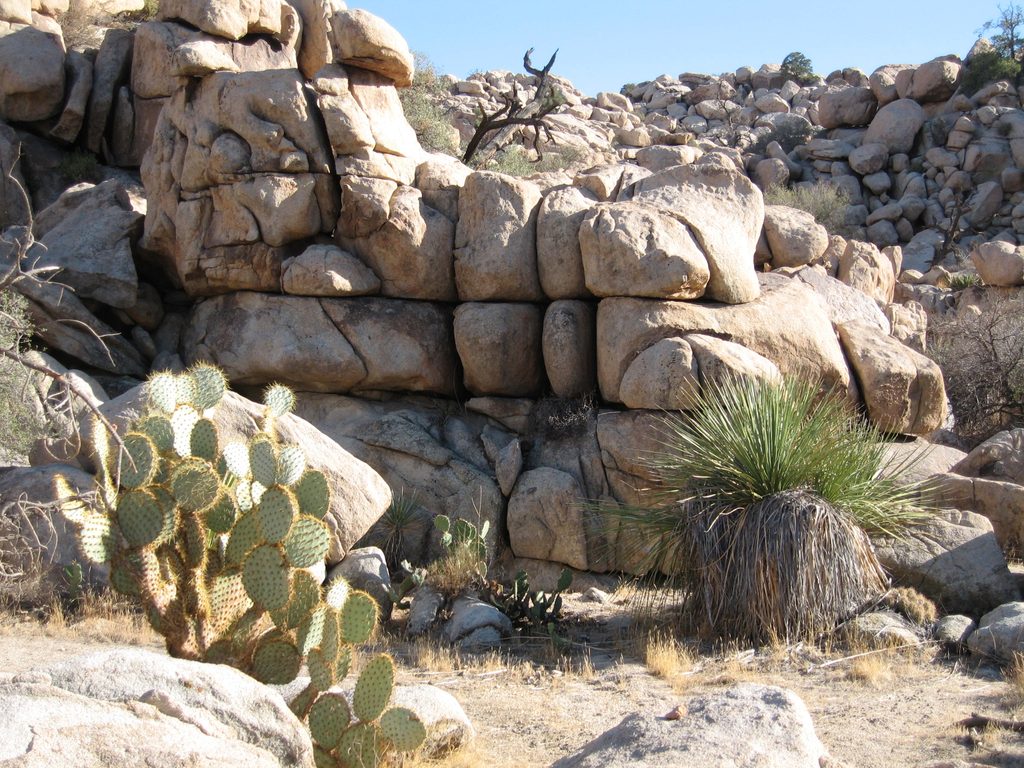
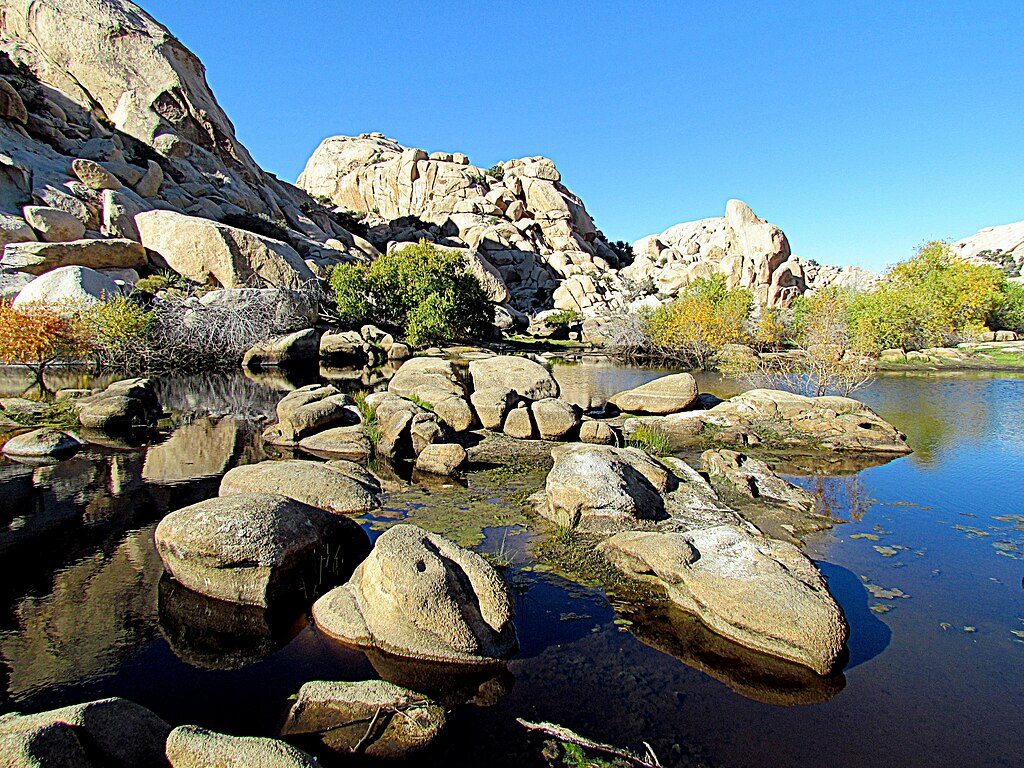
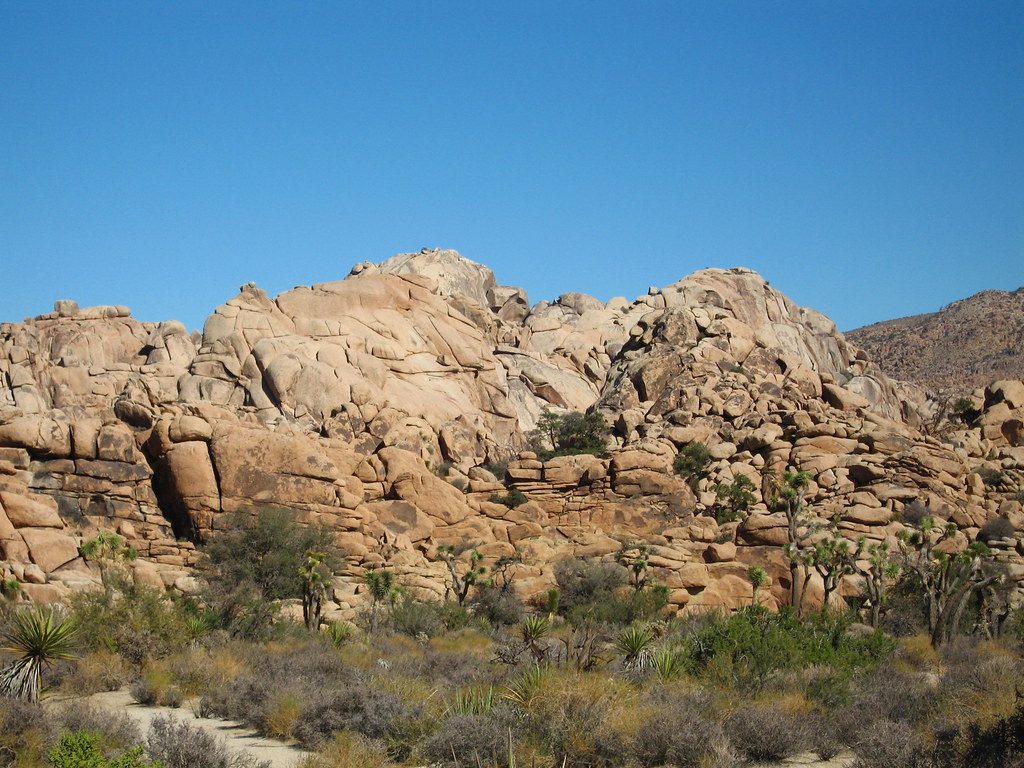
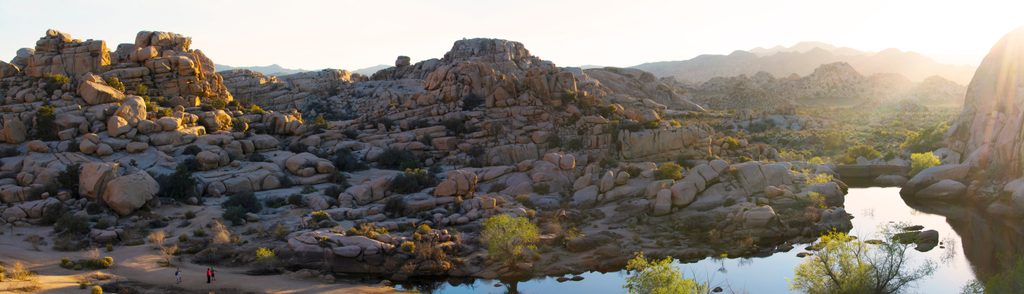
Expect ruins, not a museum: a rubble chimney and stone foundation from a single building, watering troughs, an old rock-lined well, and small dams—including a later concrete dam associated with William F. Keys. The setting is classic high desert, with granite boulders enclosing a basin that once made precious water available.
This district traces a colorful arc from the McHaney Gang’s late-1800s rustling days to legitimate cattle operations in the early 20th century under Keys. Its significance is formalized by its listing on the National Register of Historic Places, with periods of importance spanning the late 19th through mid-20th centuries.
There’s no developed trailhead and no facilities. Getting here means backcountry, cross-country travel—with some boulder hopping—and strong navigation skills. It’s a low-traffic spot, so don’t expect signage or infrastructure. Some approaches can be confusing due to fences or posted areas; plan your route carefully and check in with rangers for current guidance before you go.
Treat Cow Camp as a protected historic district. Leave artifacts exactly where you find them, avoid touching or moving anything historic, and tread lightly on the fragile remnants.
There are no posted hours and crowding is rarely an issue given how seldom it’s visited. Plan your outing like a backcountry trip and time it so you have ample daylight for navigation in and out.
Place · 0.6 mi away
Place · 1.1 mi away
Place · 1.3 mi away
Place · 1.3 mi away
Moderate · 1.1 mi away
Moderate · 1.1 mi away
Easy · 1.7 mi away
Easy · 1.7 mi away

Parkwolf Tour Guide
