
Place · 0.6 mi away
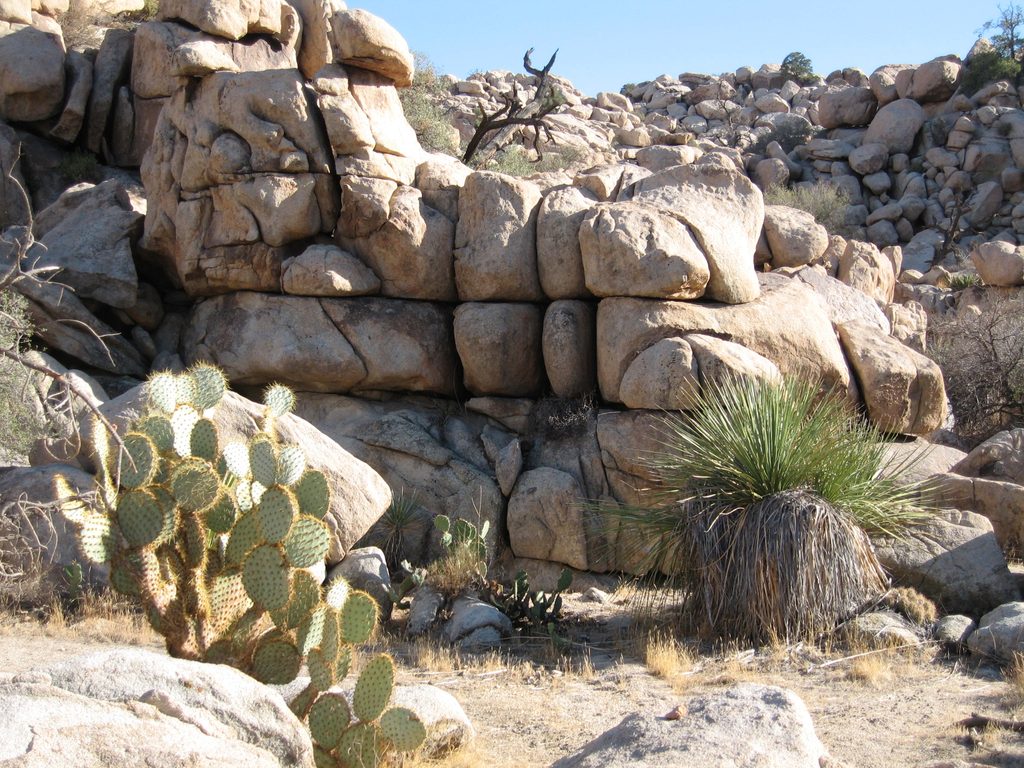
Tucked in a remote, rocky canyon, Desert Queen Ranch—better known as Keys Ranch—offers a rare, time-capsule look at early 20th‑century desert life. Access is strictly by ranger‑led, guided walking tour, which keeps the site protected and the storytelling front and center. Expect an intimate, education‑forward visit rather than a wander‑on‑your‑own stop.
Admission is by guided walking tour only; there’s no self‑guided access. Tours are popular and have limited capacity, so reserve well in advance. There are no services at the ranch—no water, food, or restrooms—and cell service is unlikely. Wear sturdy shoes, bring plenty of water, and be ready for sun and uneven ground. The approach road is narrow, dusty, and bumpy, so allow extra time.
Bill Keys arrived in the area in the early 1900s, growing the Desert Queen Ranch through mining and ranching. He and his wife Frances raised their family here, leaving behind one of the region’s best‑preserved homesteads—much of it still as it was when Bill Keys died in 1969. Tours also touch on Native American presence, mining booms, ranching grit, and how the site came to be protected.
Few places in the desert feel this authentic. The ranch isn’t a re‑creation; it’s the real thing, with artifacts left in place. The ranger interpretation ties it all together, turning old tools and weathered wood into vivid stories of self‑reliance and ingenuity.
Plan around the tour schedule and snag the earliest time you can—morning tours are typically more comfortable in desert heat. Cooler seasons are easier for walking and lingering over the stories. Limited group sizes mean it’s rarely crowded once you’re on site, but tours do book up fast.
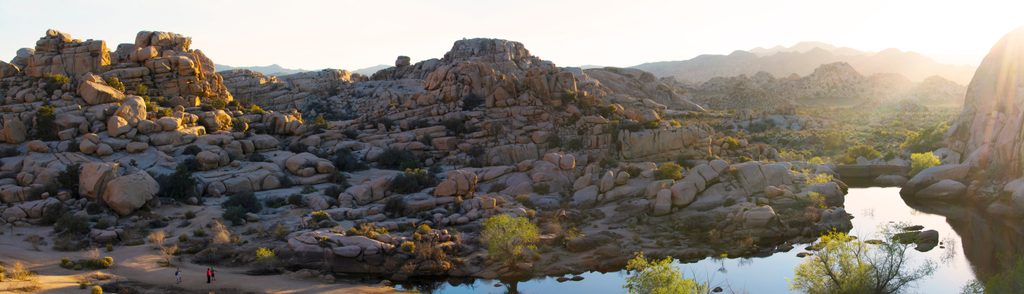
This is a target‑rich environment for detail shots: rusted machinery, hand‑built structures, and the ranch framed by granite boulders. Respect the site—stay with the group and don’t handle artifacts—and bring water so you can focus on shooting, not the heat.
Place · 0.6 mi away
Place · 1.3 mi away
Place · 1.6 mi away
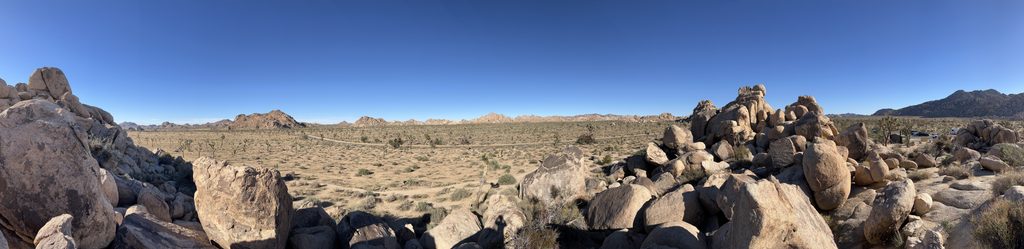
Place · 1.6 mi away
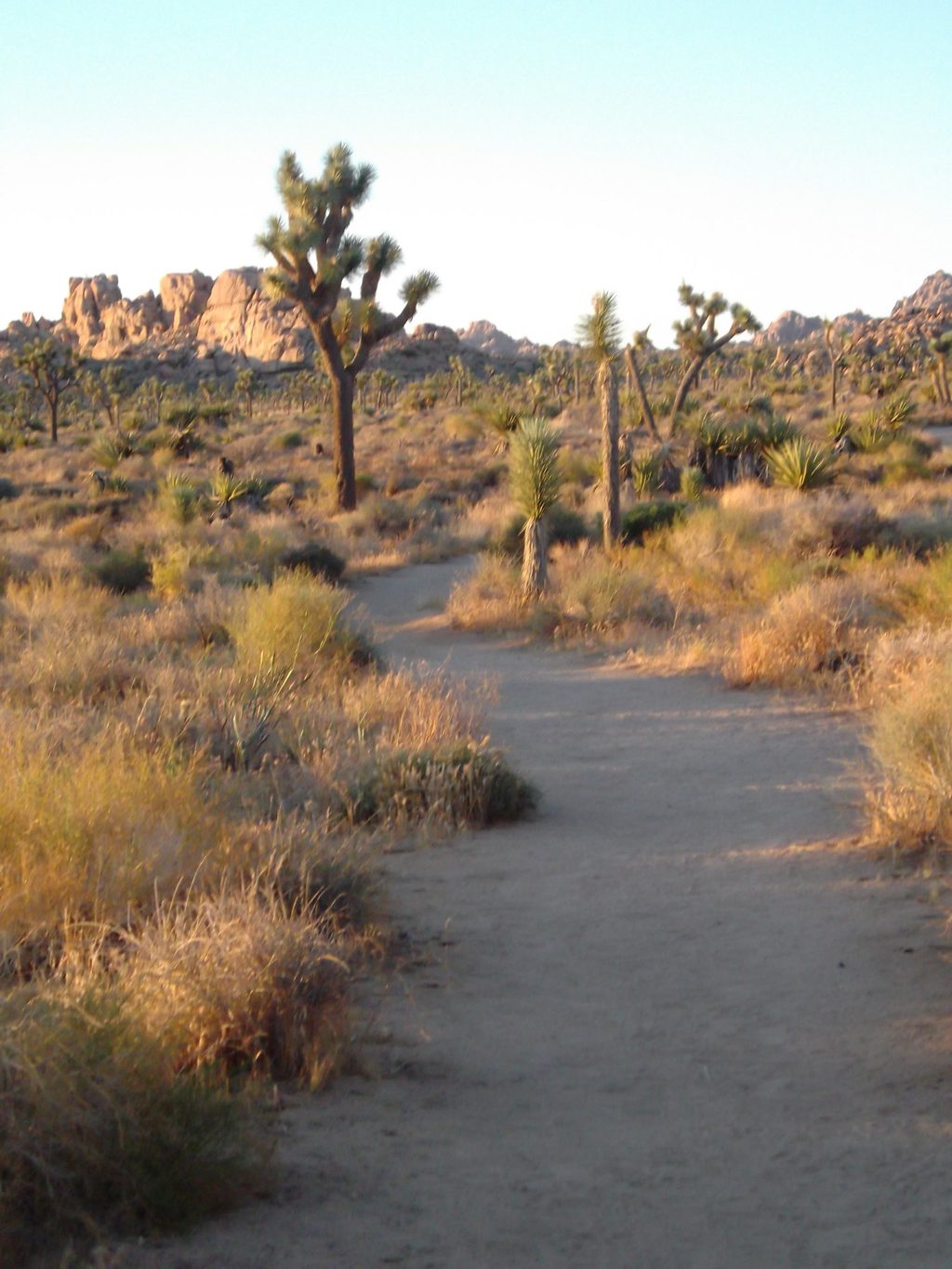
Moderate · 1 mi away
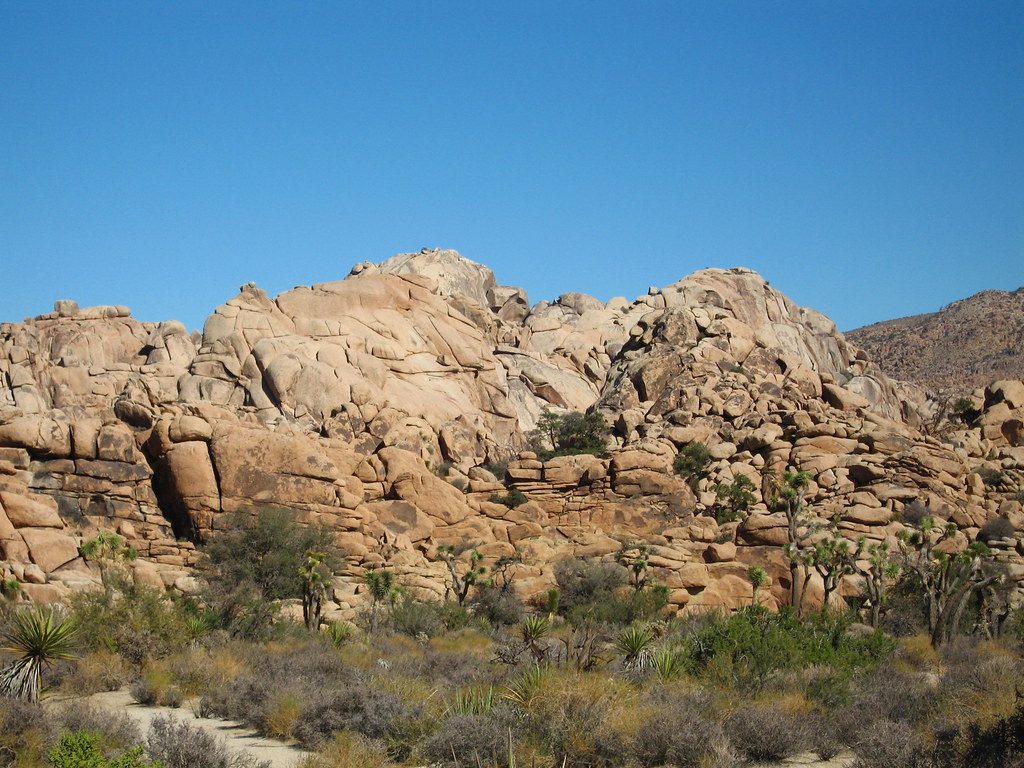
Moderate · 1 mi away
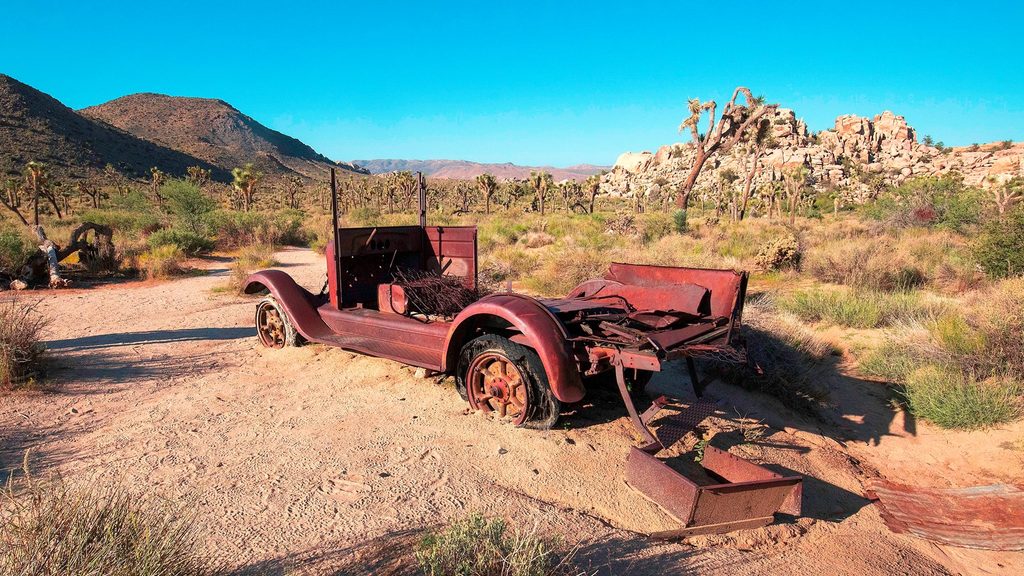
Easy · 2.1 mi away
Easy · 2.1 mi away

Parkwolf Tour Guide
