Place · 0 mi away

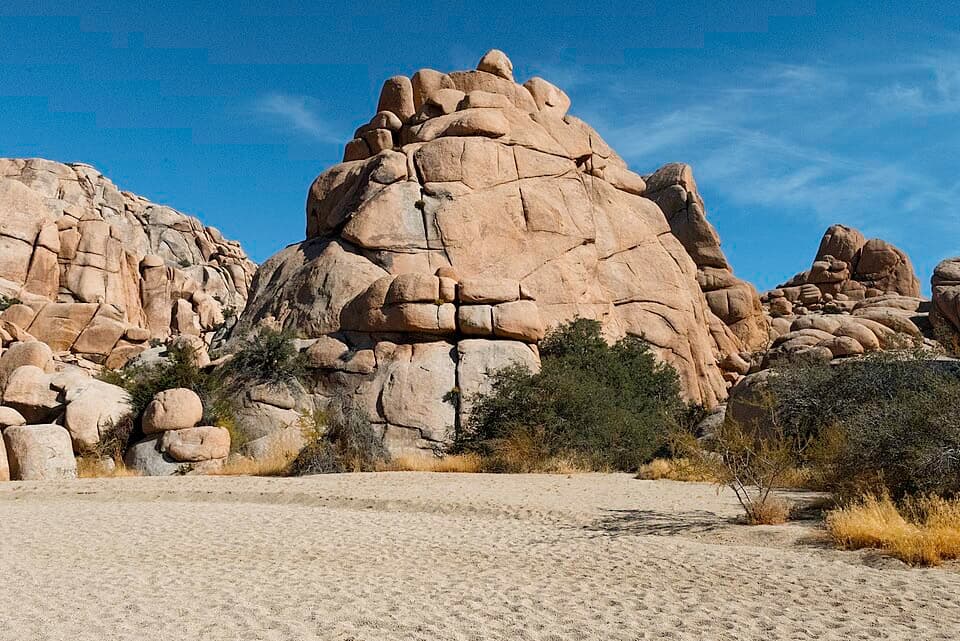
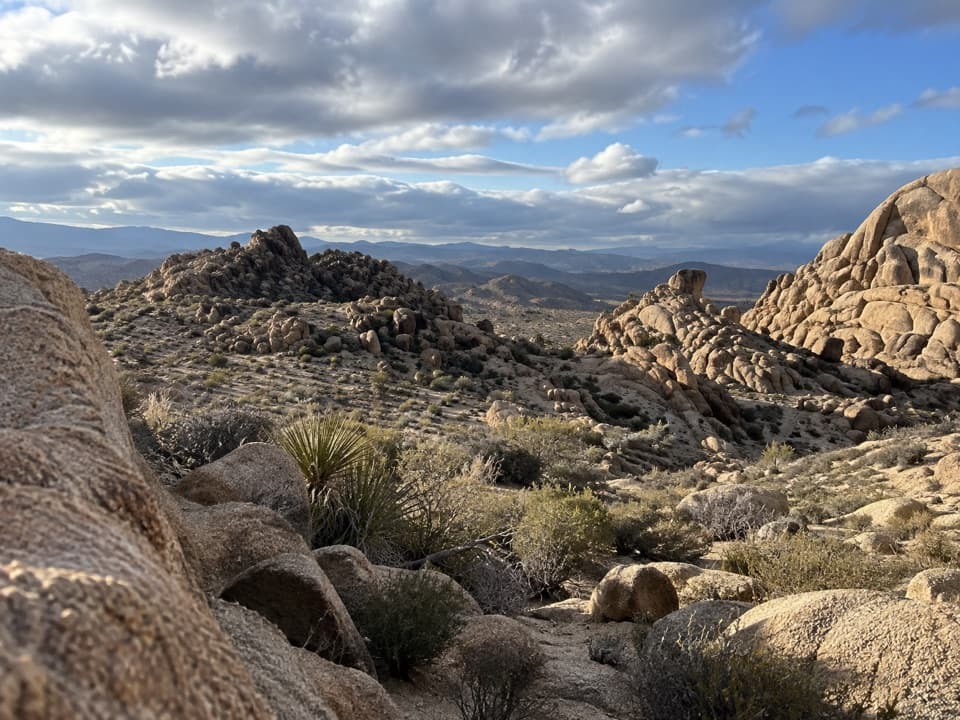
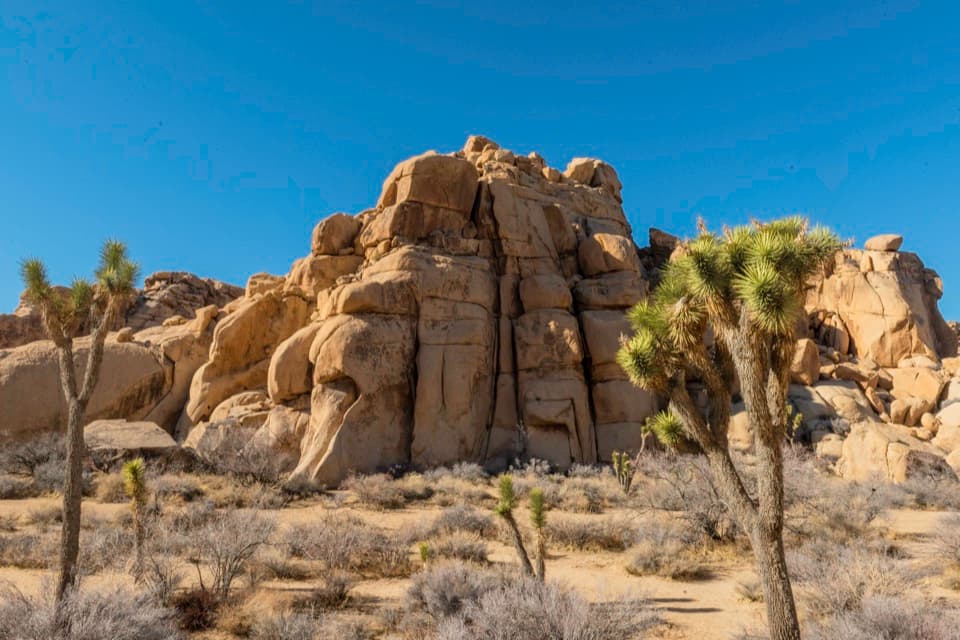
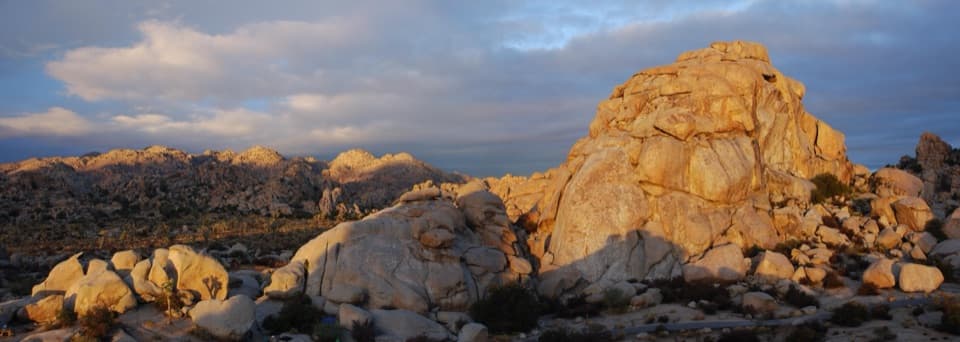
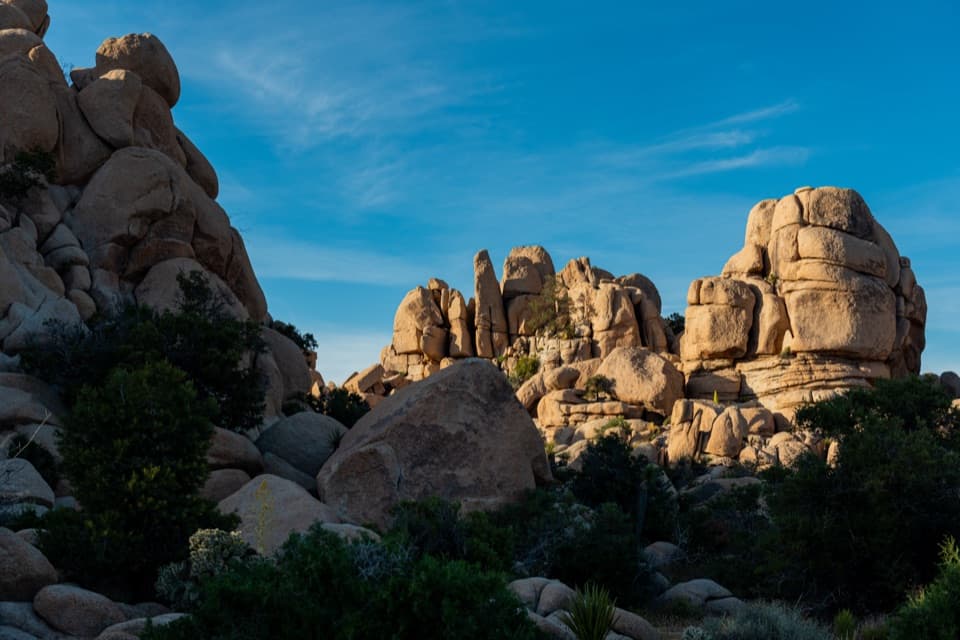
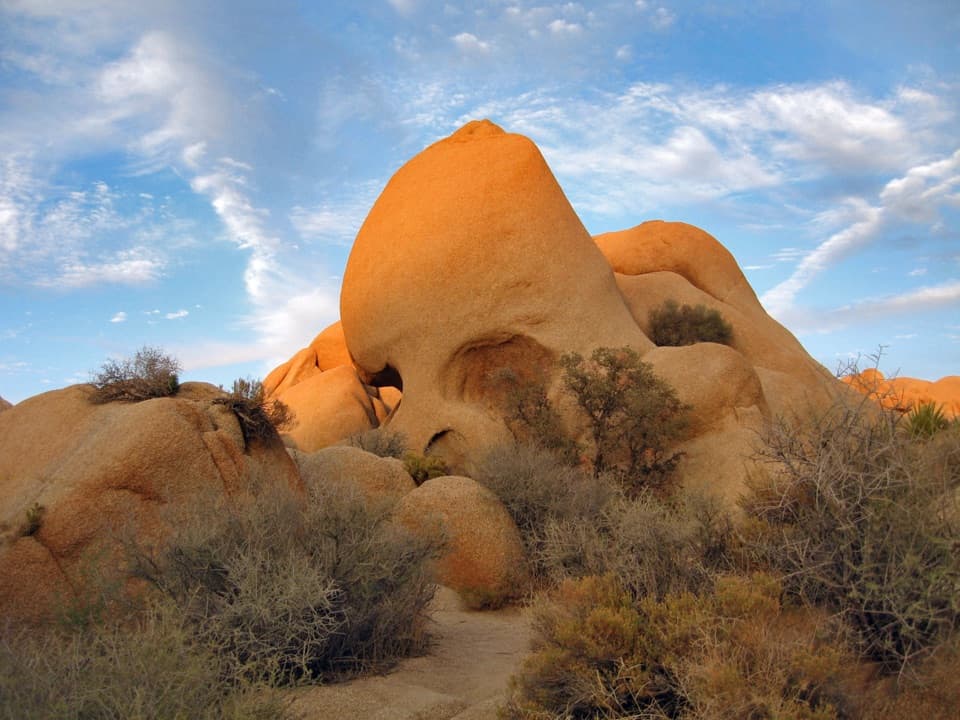
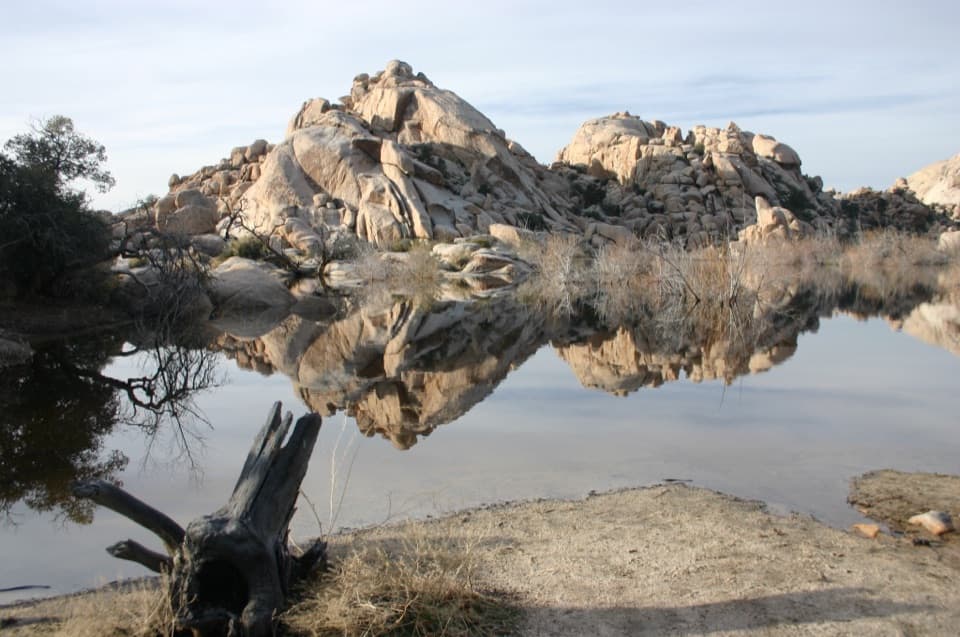
Barker Dam packs a lot into a short loop: sweeping monzogranite boulders, a historic cattle-ranching dam, occasional standing water, and even rock art. It’s one of the park’s most popular quick hits—great for first-timers and families—because you get scenery, history, and (with a little luck) wildlife, all without a big effort.
Water is a novelty out here. When present, it creates a tiny oasis effect with freshwater-associated species and riparian vegetation like desert willow. That mix—boulders, Joshua trees, and a splash of water—makes this loop feel unique compared to most dry desert strolls.
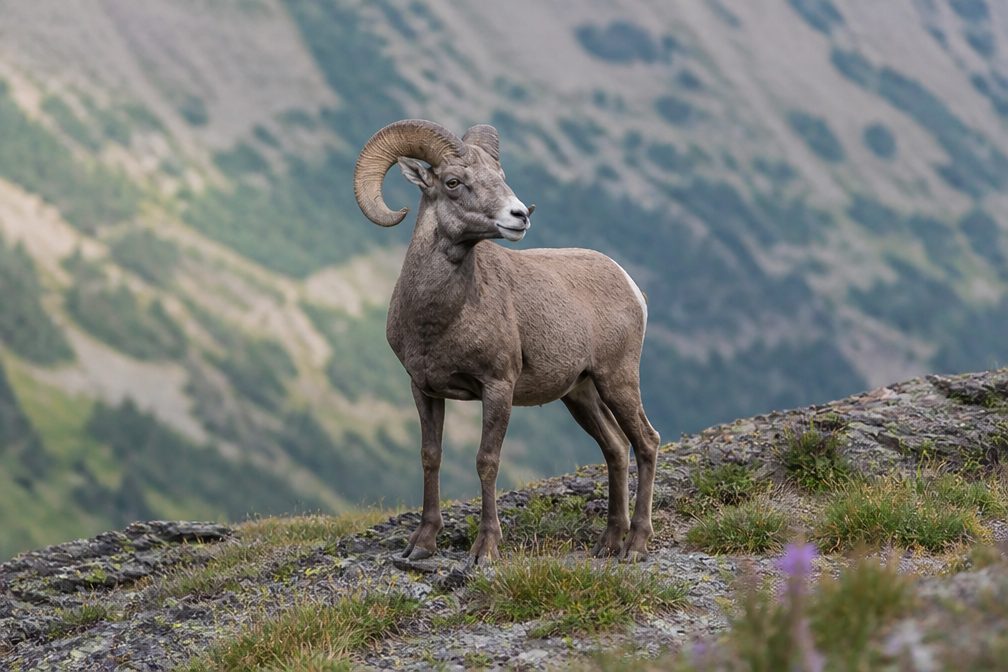
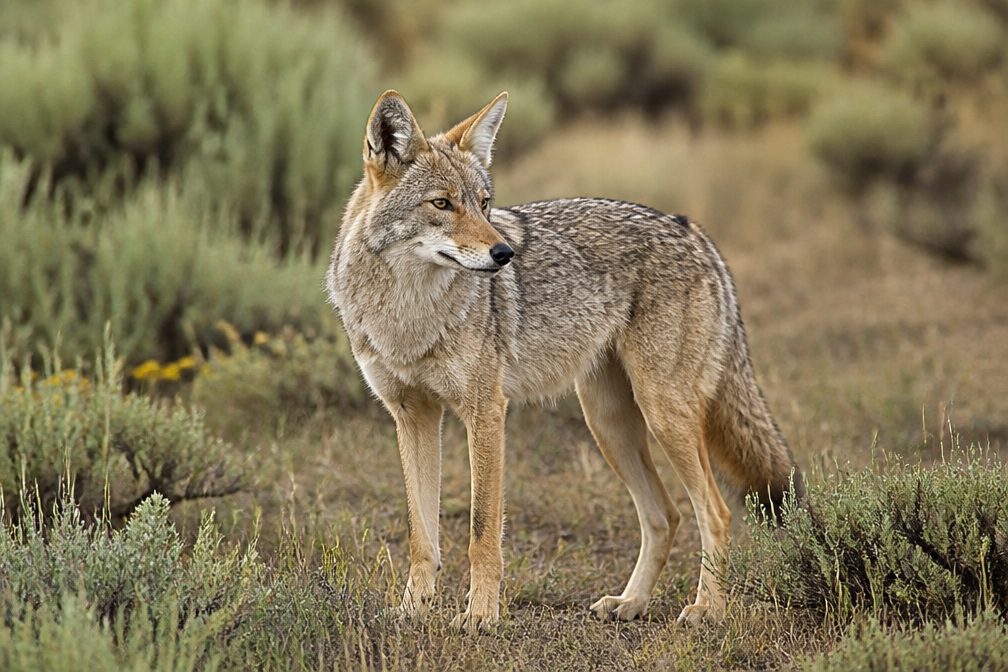
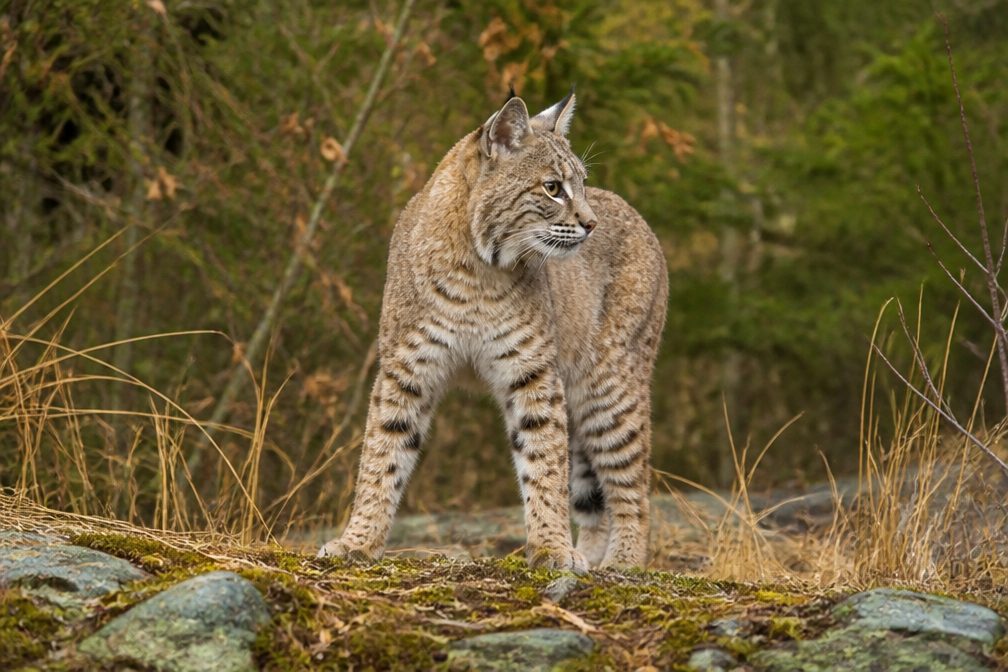
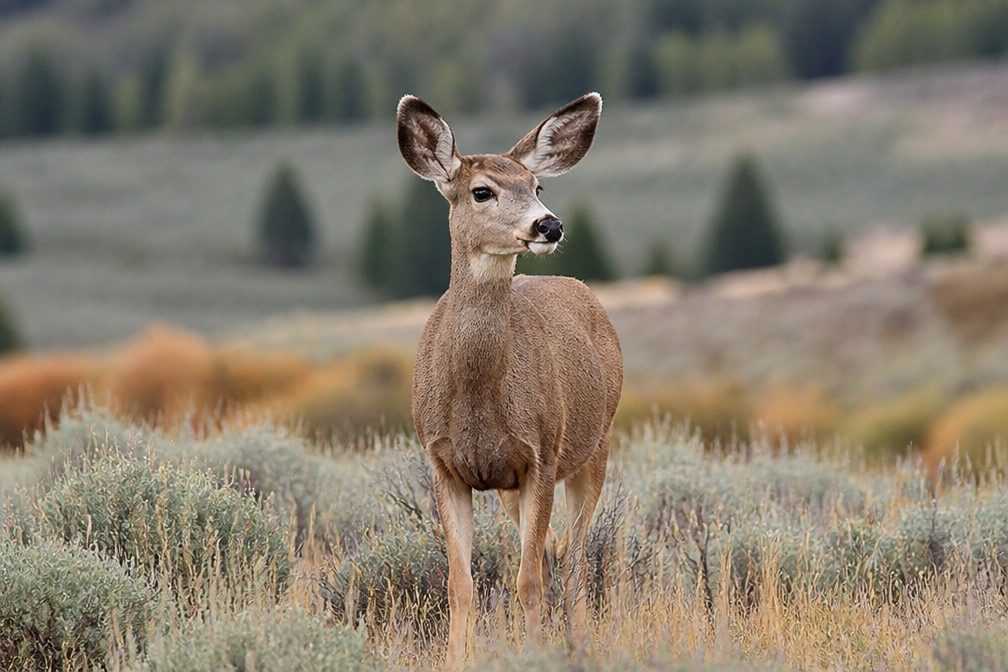
Expect birds and small desert mammals; desert bighorn sheep are occasionally spotted in this area. Water (when present) concentrates activity, so slow down near the reservoir edge and scan the slopes and sky.
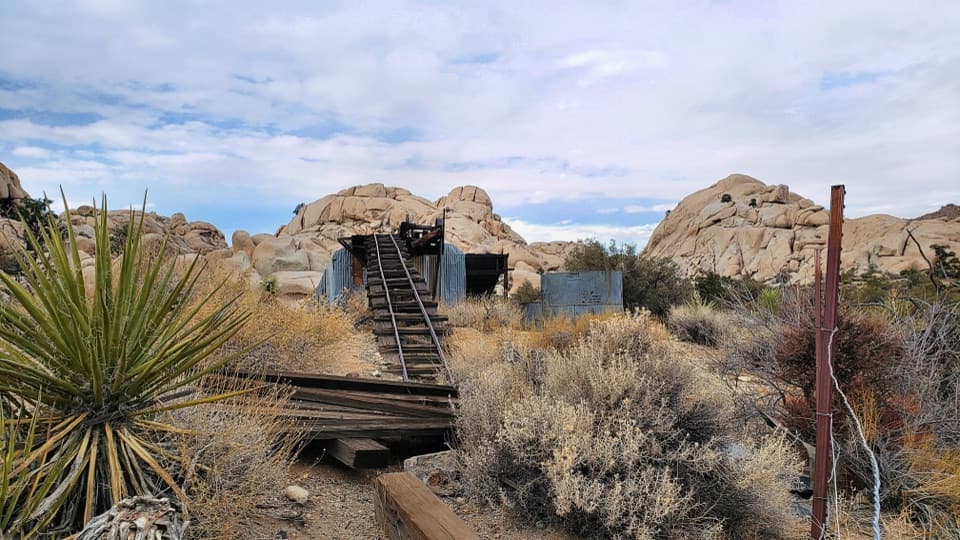
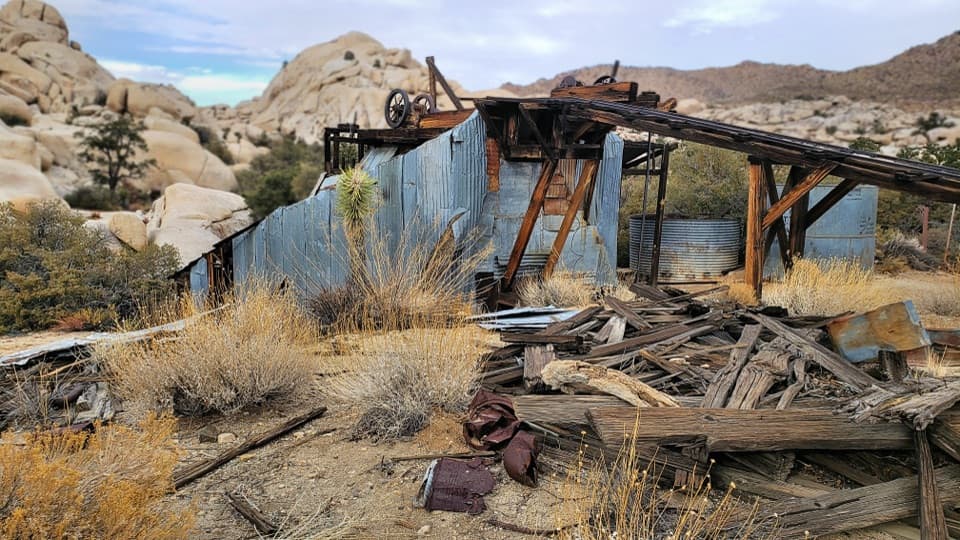
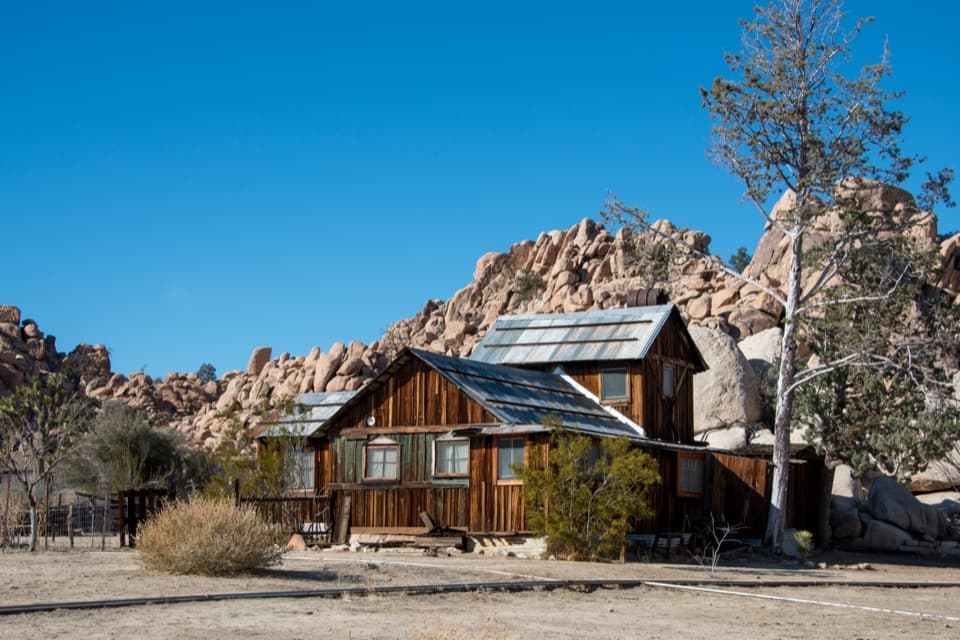
The dam dates to 1900, built to store water for ranching, then raised in 1949 by William F. Keys. It’s recognized for its historic significance and sits amid evidence of earlier Indigenous presence, including petroglyphs and pictographs. Look, don’t touch—these sites are fragile and irreplaceable.
The loop is mostly flat and straightforward from the signed trailhead. Parking is limited and often full in the busy months; if the lot is slammed, use the nearby Echo T parking and connector, which adds about 0.6 miles. Vault-style restrooms are at the trailhead, but there’s no potable water, food, or services—bring everything you need.
Aim for early morning or late afternoon for cooler temps, softer light, and fewer people. After a good rain, you’ll have the best chance of seeing water in the reservoir. Peak season runs roughly fall through spring, so plan around crowds and parking then. Photographers will love golden hour on the boulders and the dam face; if water is up, try for calm, windless mornings for reflections.