
Place · 1.5 mi away
Moderate
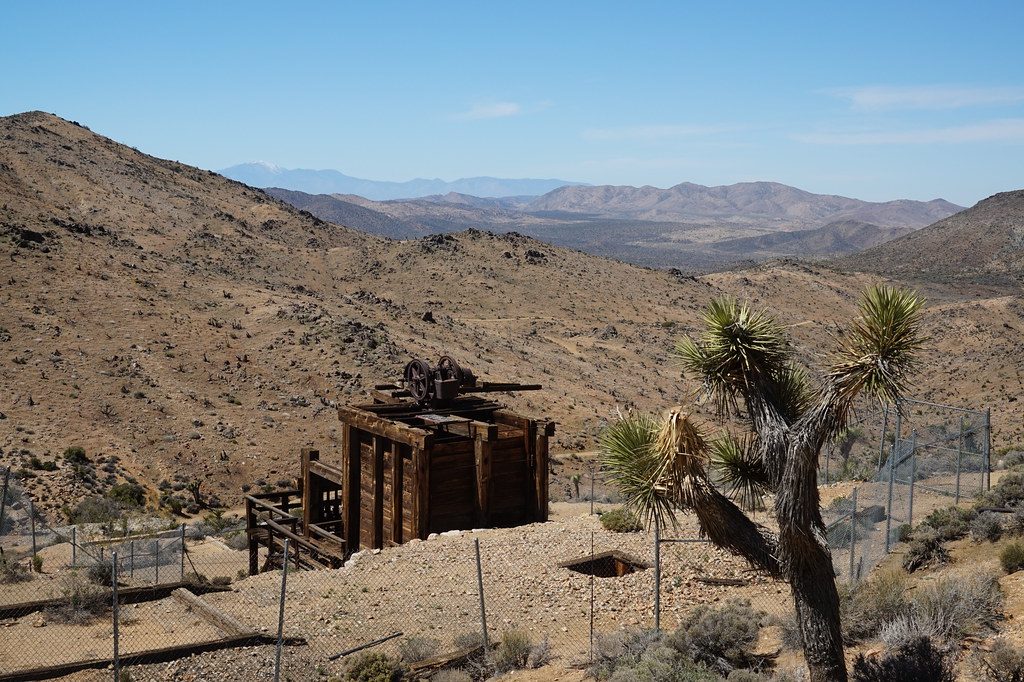
This is Joshua Tree’s quintessential history hike: a 6.4-mile loop that threads classic high-desert scenery to one of the park’s best-preserved gold mines. Expect broad views, big Joshua tree groves, and a satisfying mix of natural and human history. It’s moderate overall but can feel strenuous thanks to exposure and a few sandy, undulating stretches.
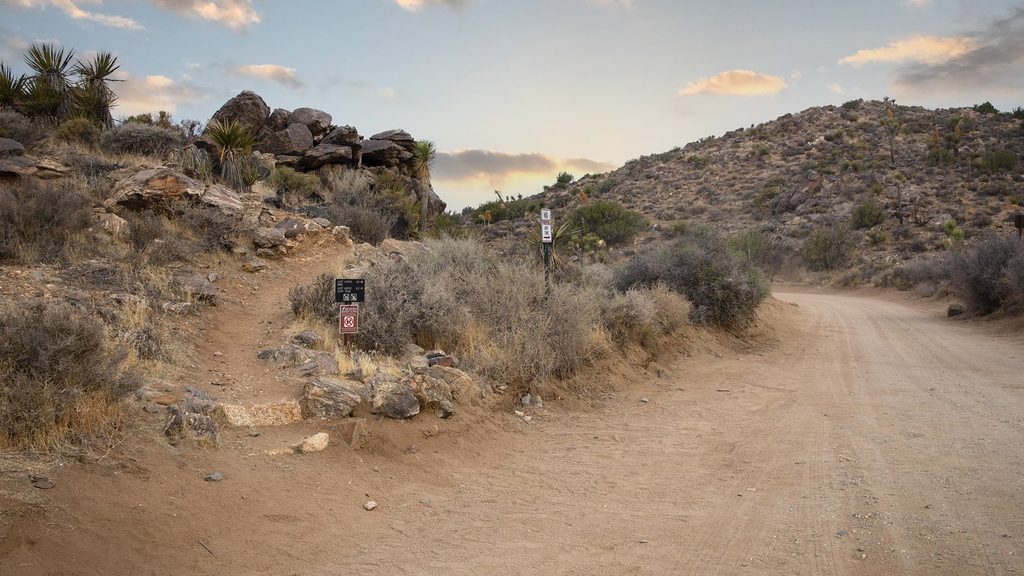
Most hikers reach the mine via an old road grade that climbs gently for about 2 miles; if you turn around there, it’s roughly 4 miles round-trip. Do the full loop for the better experience—quieter, bigger vistas, and extra ruins beyond the main site. Hiking clockwise is the sweet spot: you’ll climb steadily to the mine, enjoy expansive views afterward, then cruise a long, gentler descent back.
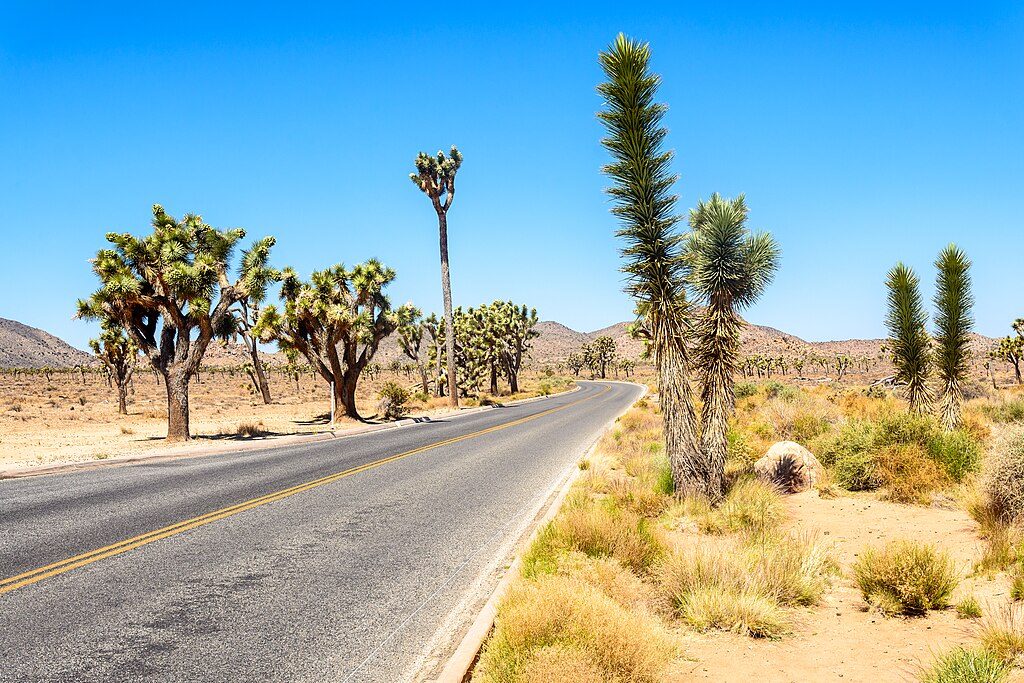
The star is the Lost Horse Mine and stamp mill—fenced for safety but impressively intact. Beyond it, the loop wanders past additional relics and open ridges with wide views over Lost Horse Valley and surrounding hills. You’ll pass through stands of robust Joshua trees, cross sandy washes, and traverse granitic, high-desert terrain that tells the story of how tough mining here really was.
The path to the mine is well defined; the loop extension is less traveled yet still straightforward, with a few spots where the tread briefly fades in washes. There’s little to no shade the entire way, limited cell service, and no water. Plan accordingly. Elevation gain is around 800+ feet for the full loop, with a gentle grade to the mine and rolling terrain thereafter. An informal spur up Lost Horse Mountain near the mine offers a bigger panorama if you’re up for a short, steep add-on.
Keep an eye on rocky slopes for Desert Bighorn Sheep. You’ll also encounter typical desert birdlife and reptiles—give all wildlife space. The mine area is fenced both for preservation and safety; enjoy the viewpoint, but don’t cross barriers or take artifacts.
October through April is prime—cooler temps, clearer air, and far safer conditions for an exposed desert loop. Start early to beat midday heat and to snag the best light on the mine and valley. Summer can be dangerously hot here; if you must go, start at dawn, shorten to the mine out-and-back, and bring extra water.
Lost Horse Mine Trailhead via signed turnoff from Park Boulevard; parking area with vault toilets at the trailhead. No water available.
Full sun and heat exposure with no shade or water; limited cell service; some sandy wash crossings and faint tread in places; stay outside fenced mine areas; carry 2–3 liters of water per person and start early.
Place · 1.5 mi away
Place · 2.3 mi away
Place · 2.3 mi away
Place · 2.4 mi away
Challenging · 1.8 mi away
Easy · 2.6 mi away
Easy · 2.7 mi away
Easy · 3.5 mi away

Parkwolf Tour Guide
