Place · 24.6 mi away

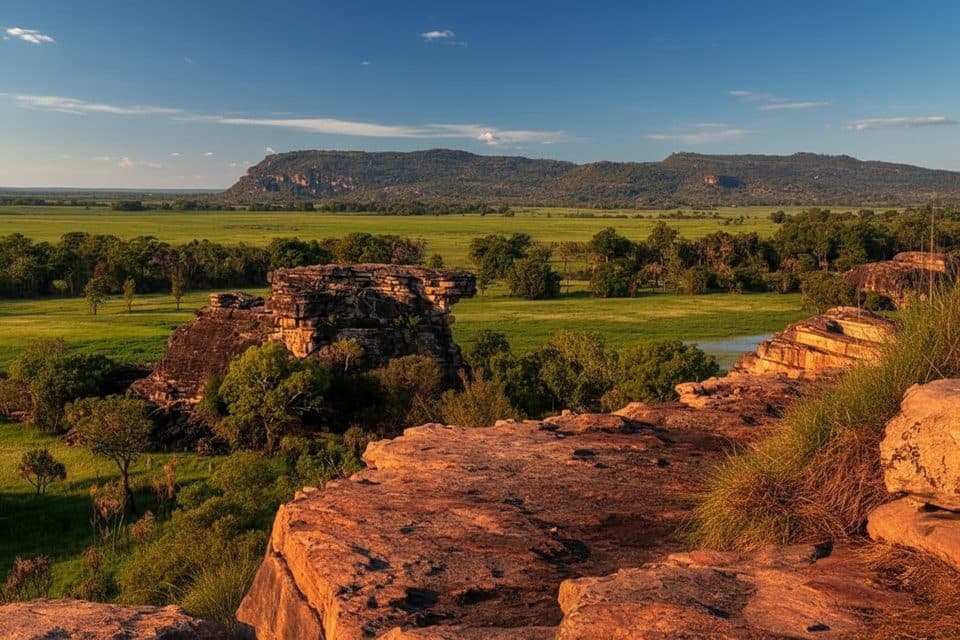
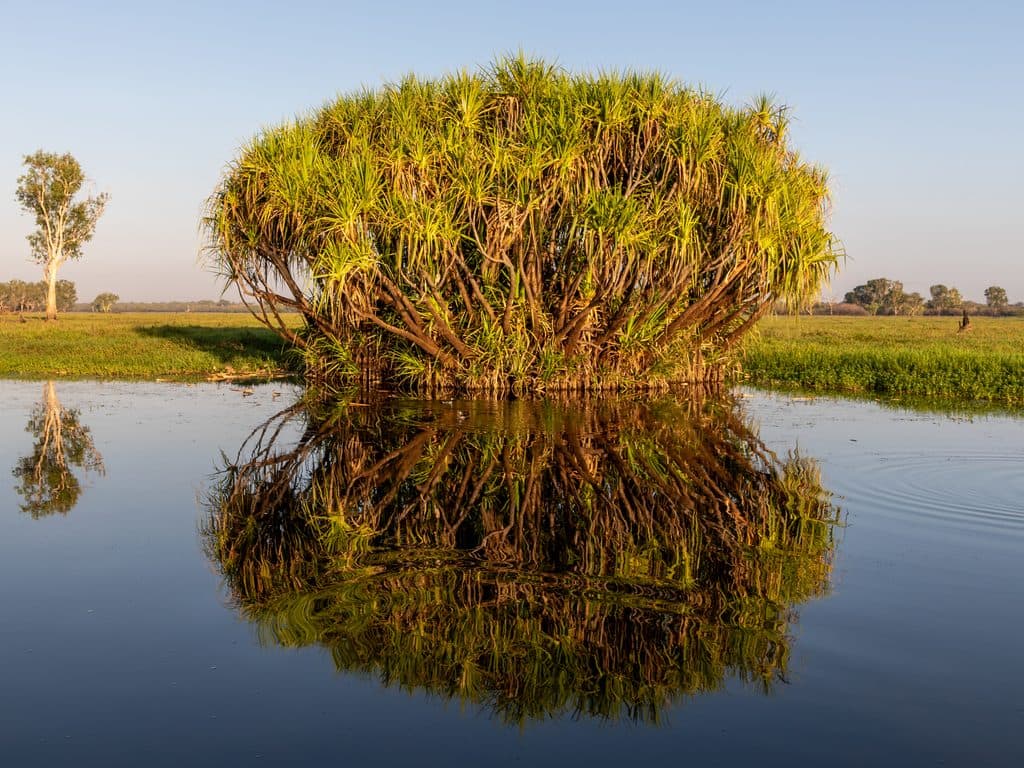
Four Mile Hole is Kakadu’s classic bush-camp experience: a remote, no-frills spot tucked beside a vast billabong. It’s beloved by anglers and anyone who prefers solitude over services.
Access is via a rough, corrugated 4WD track about 48 km off the Arnhem Highway, with the turn-off roughly 2 km from the park entry station. The road is often closed for much of the year due to flooding and damage; it typically opens in the dry (around June to October/November). Always check current park road reports before committing.
There are no marked sites—just choose a patch of shade well back from the water. There’s no formal boat ramp, but people do launch suitable boats from the bank. Sunrises and sunsets can be gorgeous over the open water and floodplains, with the soundtrack of bird calls and the occasional splash.
This is true bush camping: no drinking water, no toilets, no showers, no power, no rubbish bins, no picnic tables, and no generators or alcohol. Campfires are permitted in fire pits when conditions allow. Camping is not permitted within 50 meters of the water’s edge.
This billabong is a draw for serious fishers chasing barramundi and saratoga. Birdlife is excellent, and you may spot raptors and a variety of waterbirds. Both saltwater and freshwater crocodiles live here—assume they’re present even if you don’t see them.
Never swim. Keep well back from the water, supervise children closely, and avoid the water’s edge at all times. Set camp well away from the bank, heed closures, and carry everything you need for a self-sufficient stay.
Bring all water, food, and rubbish bags (pack out everything), plus toilet supplies, sun protection, mosquito repellent, shade, fishing gear, and 4WD recovery gear. There are no nearby shops or fuel once you turn off the highway.
Hardy, self-sufficient 4WD campers and dedicated anglers. If you want amenities or easy access, skip this one.
Dry season when the road is open. Aim for early morning and late afternoon for birdlife and the best light; weekdays tend to be quieter than weekends when local fishers are more likely to visit.