Yellow Water Cruises

Wetland cruise for crocs, birds and golden light
Yellow Water Cruises, Kakadu National Park
InsideKakadu National Park

Overview

Yellow Water Cruises takes you into Kakadu’s wetland heart: the Yellow Water Billabong at the end of Jim Jim Creek, part of the South Alligator River system. It’s an Indigenous-owned operation based at Cooinda, and it’s often called a must‑do for good reason—calm waters, big skies, and wildlife everywhere.

What You’ll See

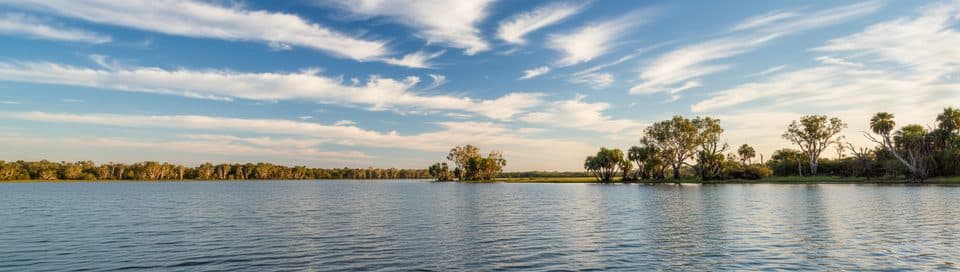
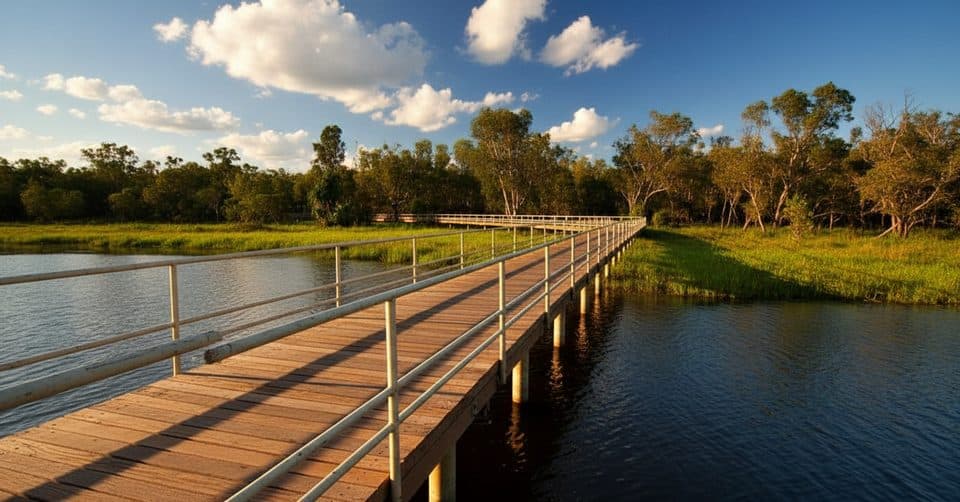
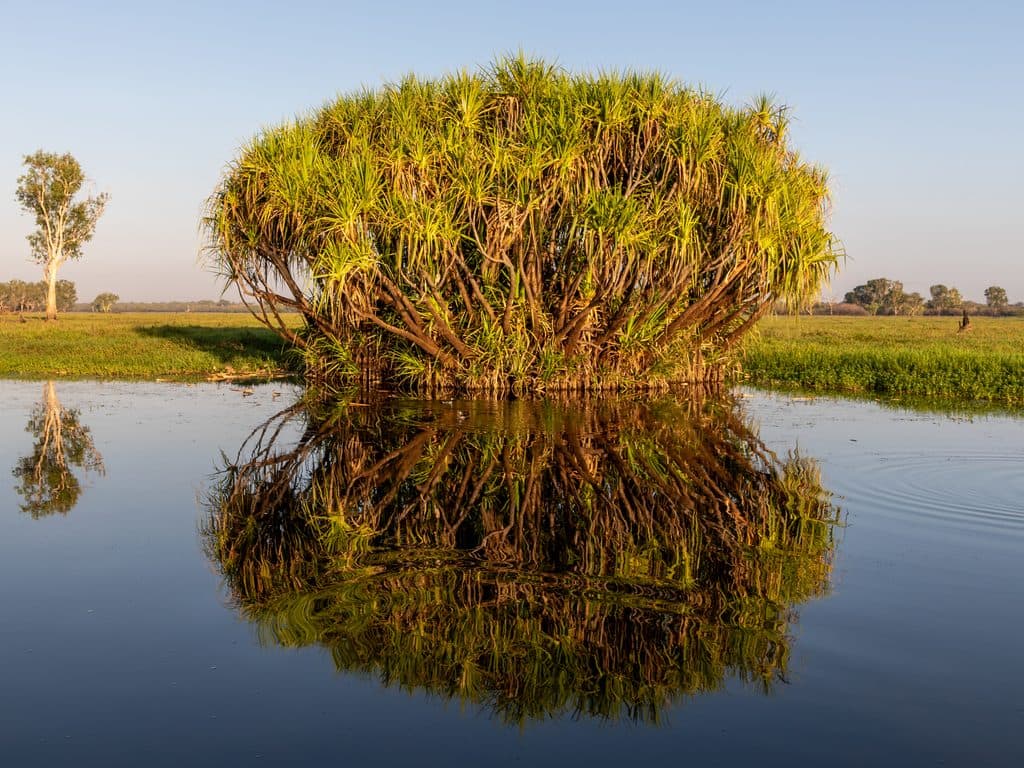
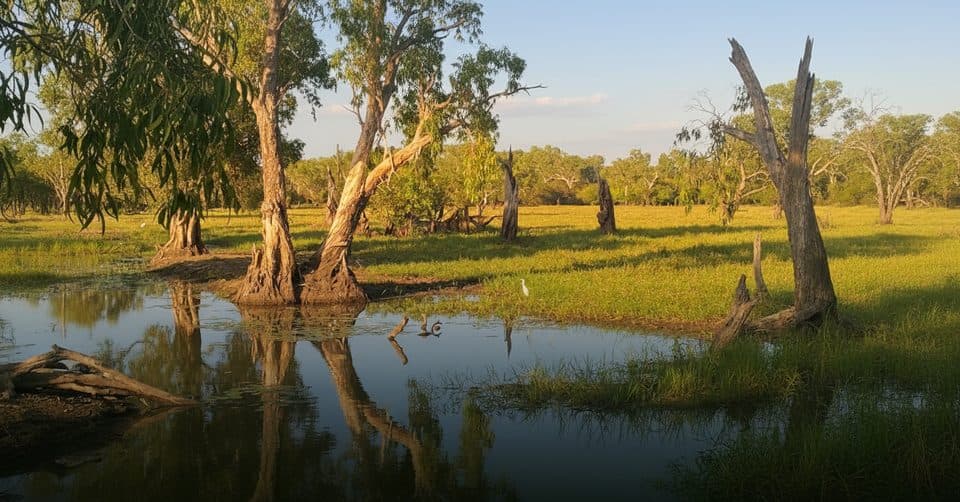
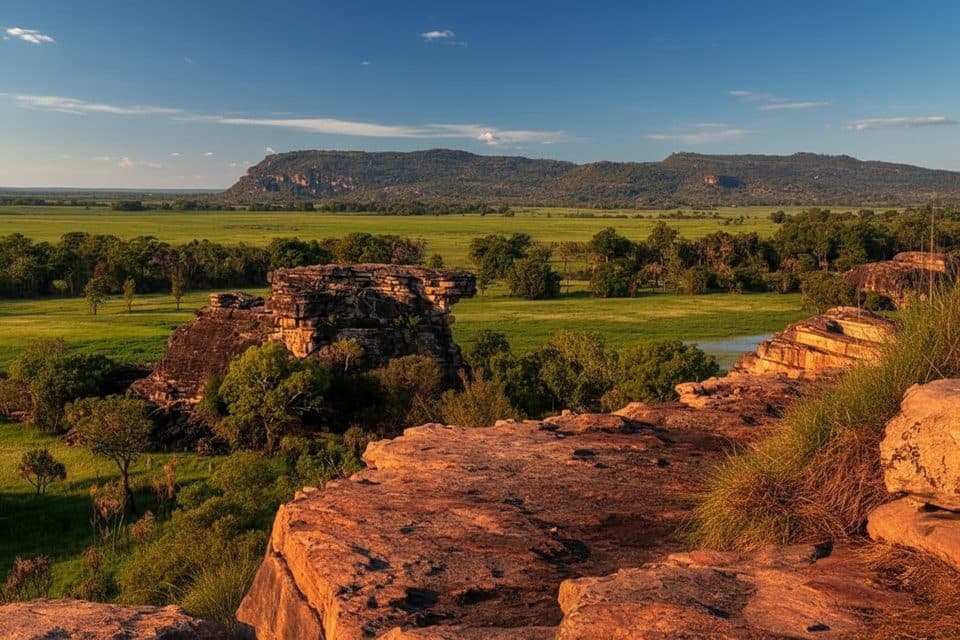
Expect a mosaic of billabongs, paperbark fringes, and floodplains that shift with the seasons. Wildlife is the headline: saltwater crocodiles, whistling ducks, magpie geese, kingfishers (including the tiny Little Kingfisher), jabirus, brolgas, herons and raptors. You may also spot buffalo, wild horses, and wallabies along the margins. The guides are excellent at finding animals and threading in cultural context.

How It Works

Cruises run year‑round with up to six departures daily, typically 90 or 120 minutes. Sunrise and sunset sell out first for the soft light and peak animal activity. All departures are from the Cooinda area—check in at the Cooinda Lodge bus stop and arrive about 20 minutes early. Water levels can shift the boarding location, so follow the day’s instructions. There’s plenty of cold water on board.

Seasons: Dry vs Wet

  • Dry season: lower water concentrates wildlife, croc spotting is easier, and the floodplains open up broad views.
  • Wet season: the landscape turns lush and expansive; animals spread out and mosquitoes ramp up—bring strong repellent and light long sleeves. Rain or heavy cloud can mute visibility, but the atmosphere is dramatic.


Why It’s Special

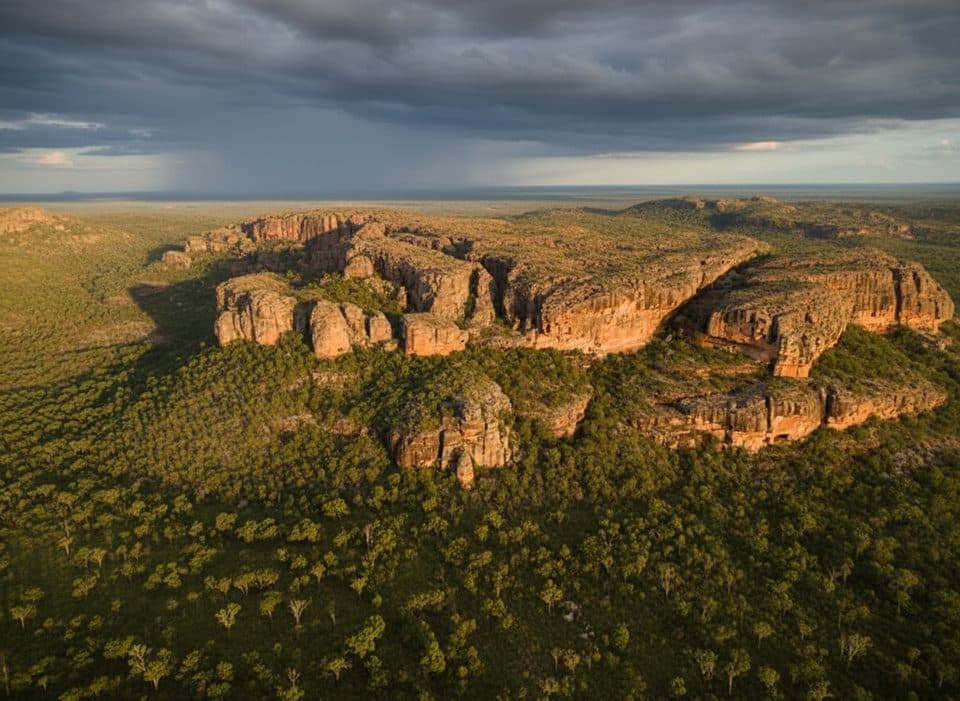
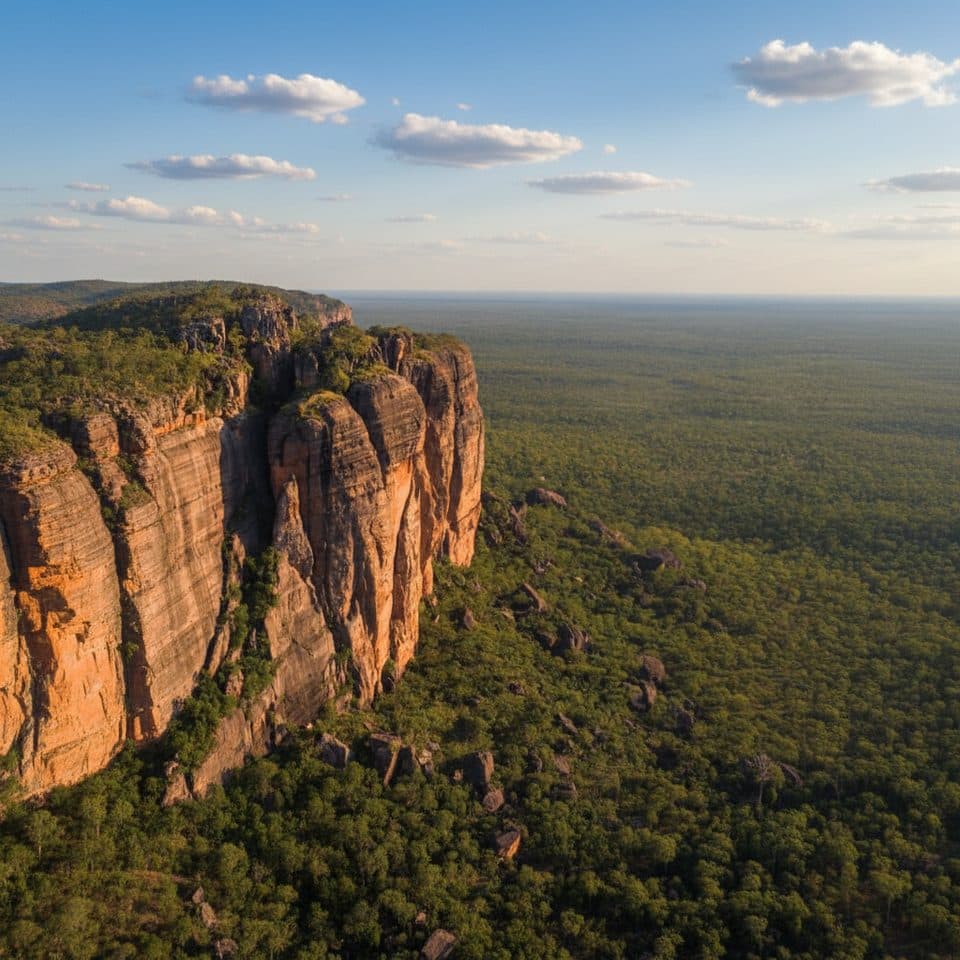
You’re cruising through Kakadu’s largest river system, entirely within a World Heritage park, with guides who blend natural history and Indigenous knowledge. It’s the most efficient way to experience Kakadu’s wetlands without long hikes or rough roads.

Logistics & Nearby

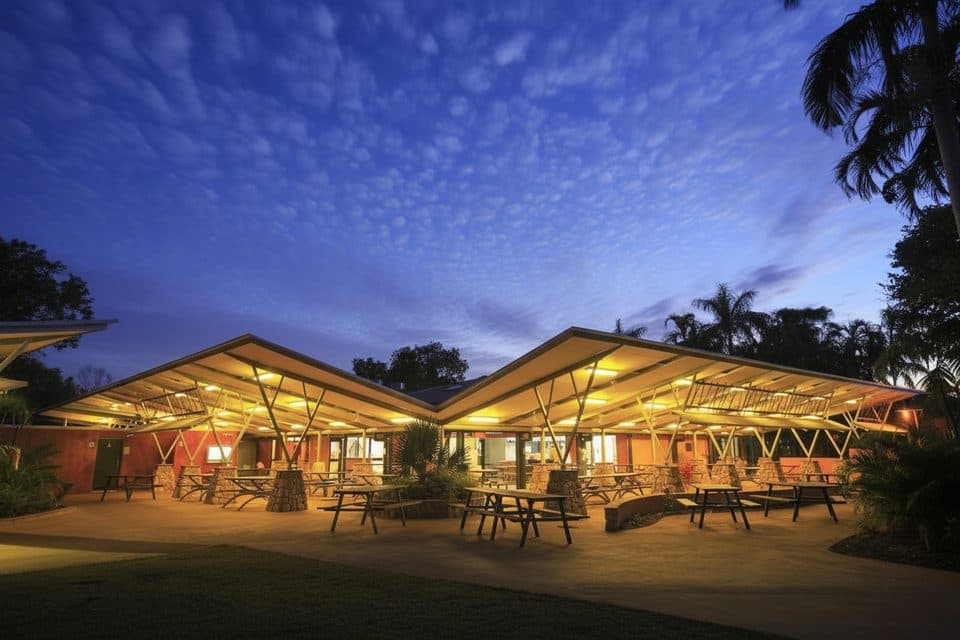
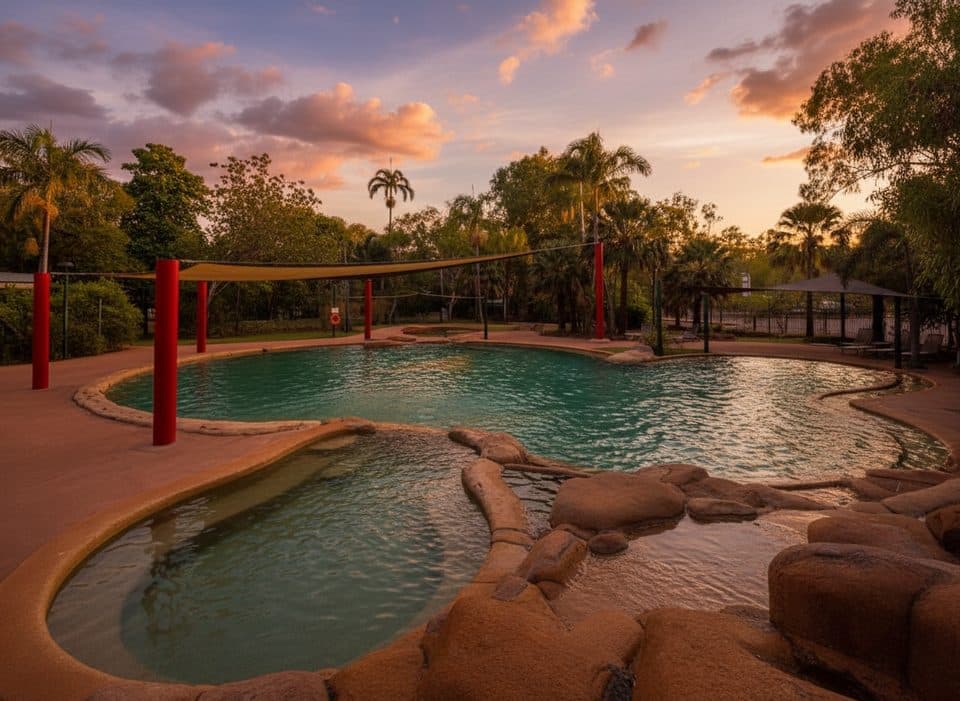
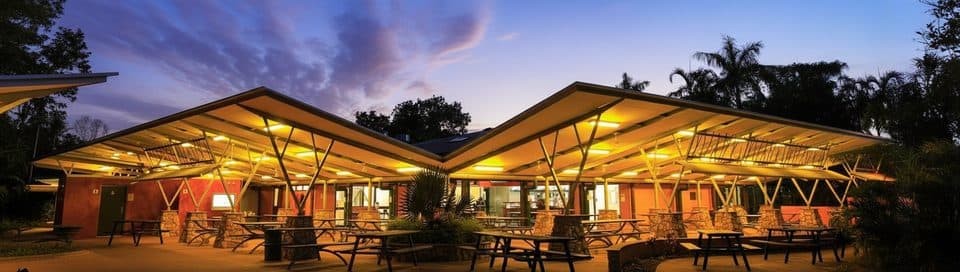
Cooinda is roughly 55 km from Jabiru and about 300 km from Darwin, so build in drive time. Facilities at Cooinda Lodge (near the meeting point) include parking, restrooms, a restaurant/bar, a store, and a campground.

Best Time to Visit

  • Time of day: sunrise and late‑afternoon/sunset for golden light, cooler temps, and active wildlife.
  • Season: year‑round works; the feel is different but rewarding in both dry and wet.
  • Crowds: sunrise/sunset departures are most popular—book ahead.
  • Photography: the low angles at dawn/dusk flatter the floodplains; bring a zoom for birds and crocs.

Pros

  • Sunrise and sunset departures with standout wildlife viewing
  • Guides share Indigenous culture and natural history
  • High chance of crocodiles and 60+ bird species

Cons

  • Boats can feel crowded in peak season
  • Mosquitoes are intense in the wet season
  • Departure point can change with water levels

Tips

  • Book sunrise or sunset cruises well ahead—they’re the first to sell out.
  • Arrive 20 minutes early at the Cooinda Lodge bus stop to check in.
  • In the wet season the boarding spot can shift—confirm at Cooinda reception.
  • Bring insect repellent, hat, sunscreen and light long sleeves.
  • Pack binoculars or a zoom lens to make the most of bird and croc sightings.
The Parkwolf tour guide sitting on a phone mounted in a car

Parkwolf Tour Guide

Like a tour guide in your car.

Save the places you found around Kakadu, then let Parkwolf guide the drive between them.Download Parkwolf on the App Store