Jim Jim Falls

Remote 200 m escarpment waterfall with a swimmable plunge pool
Jim Jim Falls, Kakadu National Park
InsideKakadu National Park

Why go

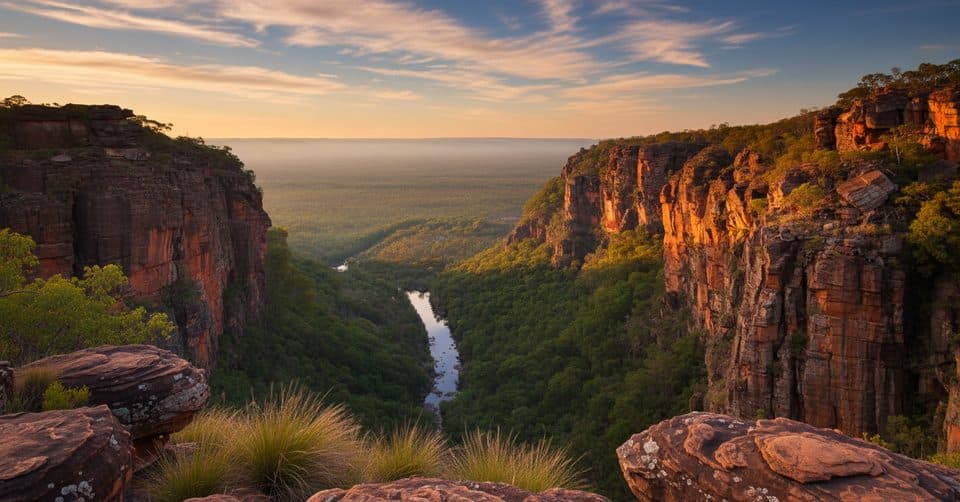
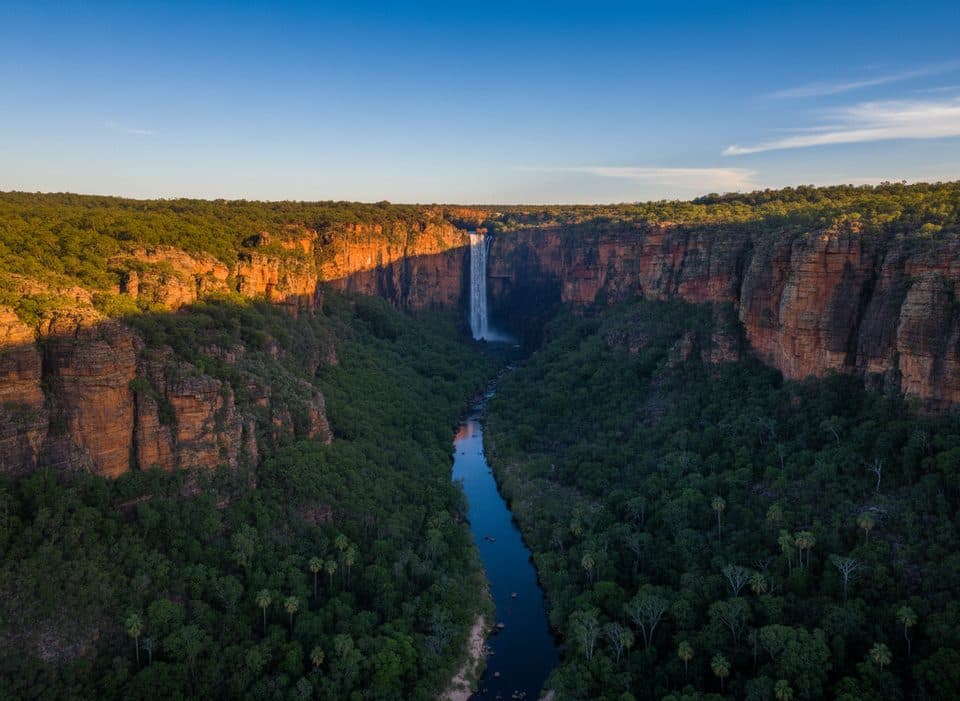
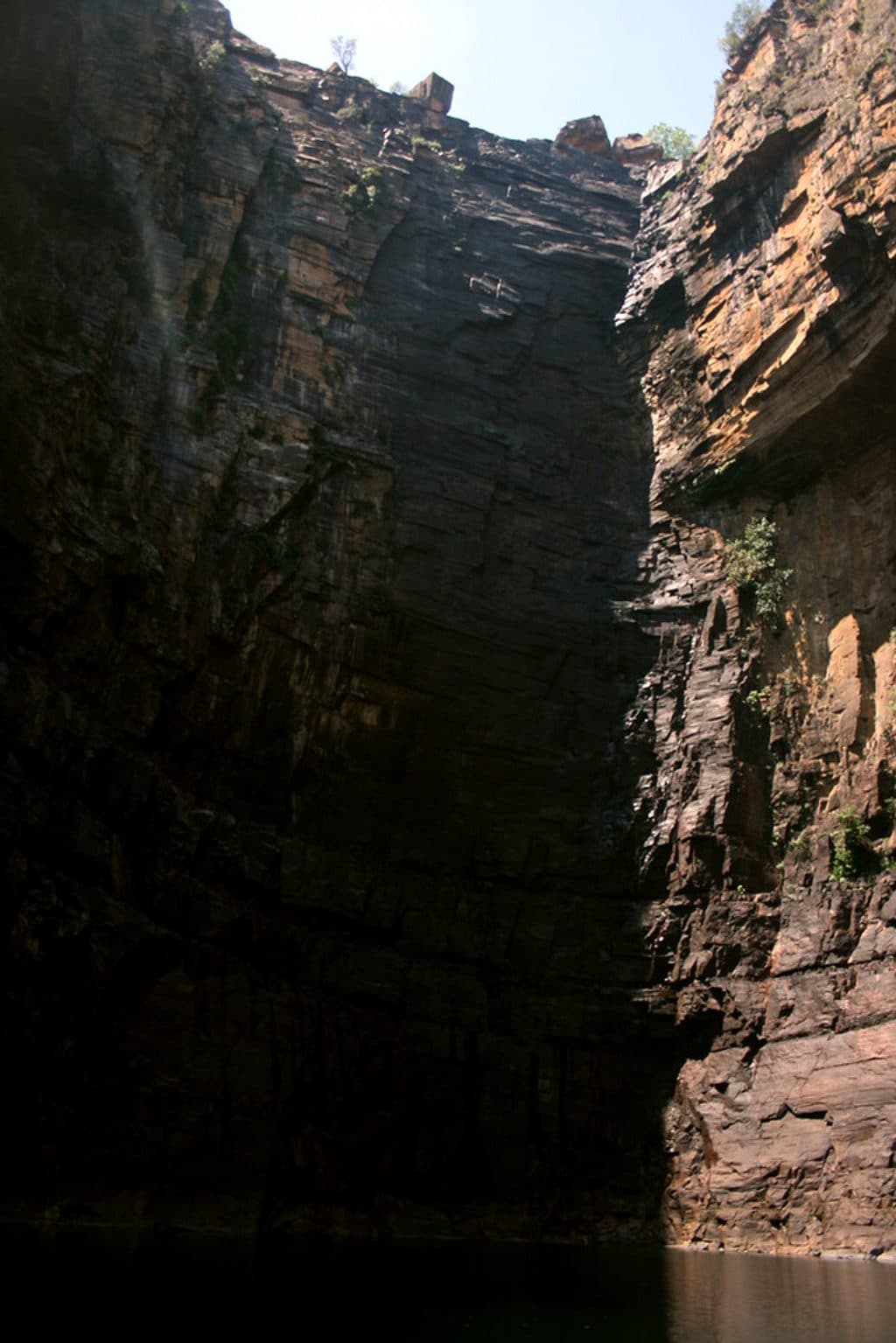
Jim Jim is the big one: a colossal plunge off the Arnhem Land escarpment into a cathedral-like gorge. It feels properly wild—towering orange sandstone, deep clear water, pandanus-lined creeks—and it earns its reputation as one of the park’s signature sights.

Access and the walk

Reaching the falls is part of the adventure. It’s a 4WD-only approach on a rough, sandy track with shallow water crossings, followed by a rocky, sandy 2 km return walk from the car park. Expect boulder-hopping and uneven footing; it’s short but not trivial. Nearby trails like Budjmi Lookout and Barrk Malam also leave from this area if you want to make a day of it.

Swimming and safety

In the dry season, the plunge pool becomes a legendary swim. Rangers open it when it’s deemed safe—always follow Crocwise guidance and on-site signage. The water is cold and deep, and the swim to the base can feel long; confident swimmers will love it, but it’s not a casual paddle.

What makes it unique

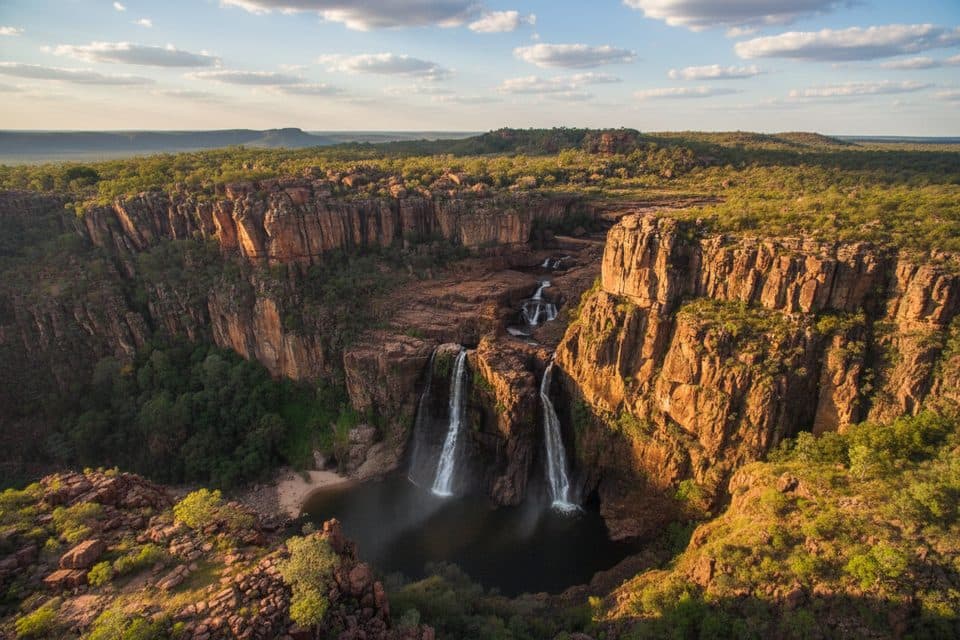
Scale and setting. The falls drop around 200 m off the ancient escarpment into a shadowed amphitheater of stone. Even when it’s reduced to a trickle late in the dry, the gorge and beachy shallows are spectacular. In the wet season, it roars—but you’ll need a scenic flight to see it.

Nature notes

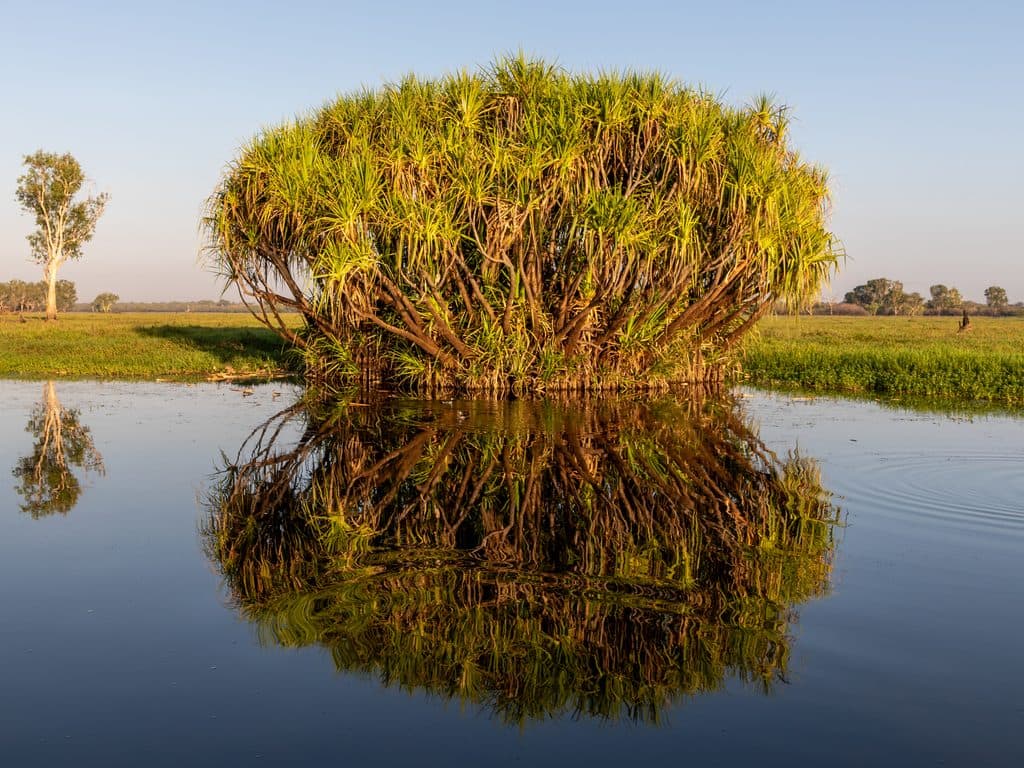
You’ll pass water pandanus along the creek—the name “Jim Jim” comes from andjimdjim. Birdlife is active around the gorge, and the broader area is classic monsoon forest country. Saltwater crocodiles inhabit Kakadu; that’s why swimming is strictly seasonal and supervised by rangers’ safety protocols.

Geology and culture

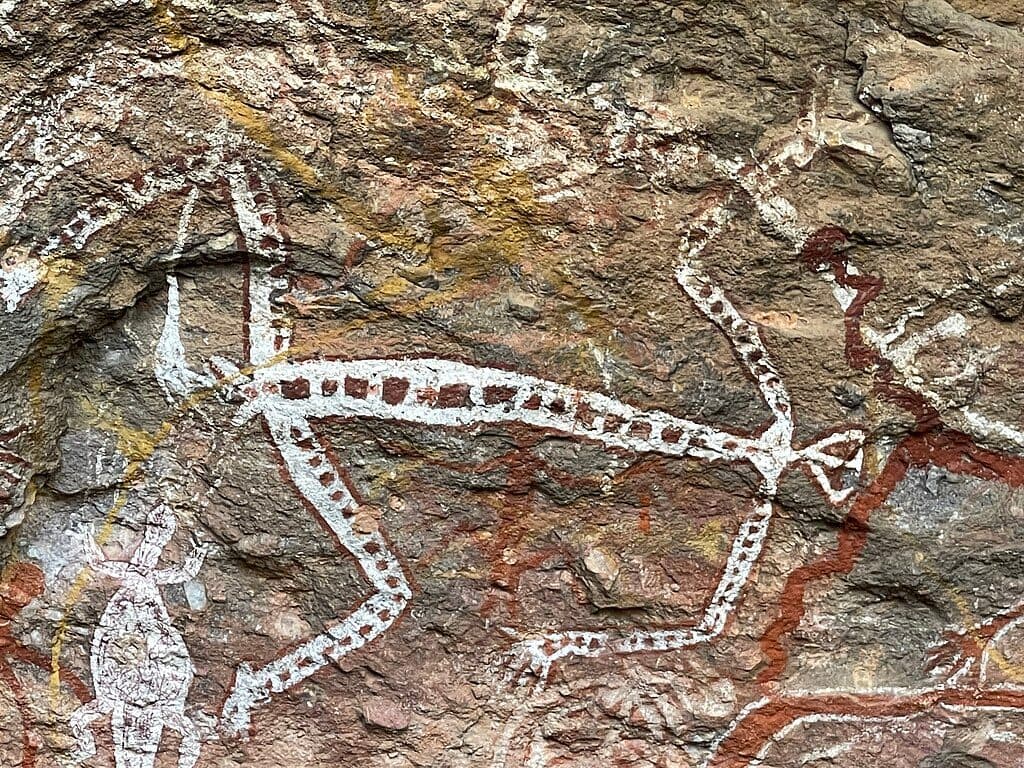
These sheer walls are part of the Arnhem Land escarpment—ancient sandstone sea cliffs uplifted long ago. The falls are also known locally as Barrkmalam, reflecting the deep Aboriginal connections to this landscape.

Logistics you need to know

There are no facilities at the falls or car park: no toilets, no potable water, no store. Karnamarr Campground (nearby, not at the falls) is the practical base, with showers and basic amenities; broader services and fuel are much farther away around Cooinda. Come self-sufficient with water, food, sun protection, insect repellent, and a first-aid kit.

Best time to visit

  • Wet season (roughly Nov–Apr): Best waterfall volume, but road is closed—book a scenic flight for the big view.
  • Dry season (roughly May–Oct): Road and walk generally open (often from around July). For hiking and swimming, aim for early morning to beat the heat, find easier parking, and get softer light in the gorge. Midday sees more tours and a fuller car park.


Is it worth it?

If you’ve got a capable 4WD and don’t mind a rocky walk, absolutely. Jim Jim delivers the park’s most dramatic walls-and-water experience and feels every bit the bucket-list Kakadu moment.

Pros

  • Kakadu’s tallest waterfall with a sheer ~200 m drop
  • Swimmable plunge pool in the dry season when declared safe
  • Wild, remote gorge reached by a short but adventurous 2 km walk

Cons

  • 4WD-only access with rough sand and shallow creek crossings
  • Highly seasonal: road closures in the wet; flow can be a trickle late dry
  • No services on-site—bring all water, food, and supplies

Tips

  • Check seasonal access; the road usually opens in the dry and closes in the wet.
  • High-clearance 4WD only—the last stretch is sandy with shallow creek crossings.
  • Start early for cooler temps, easier parking, and softer light in the gorge.
  • Bring all water, food, and a first-aid kit—there are no services at the falls.
  • Only swim when rangers say it’s safe; the plunge-pool swim is long and deep.
The Parkwolf tour guide sitting on a phone mounted in a car

Parkwolf Tour Guide

Like a tour guide in your car.

Save the places you found around Kakadu, then let Parkwolf guide the drive between them.Download Parkwolf on the App Store