Place · 0 mi away

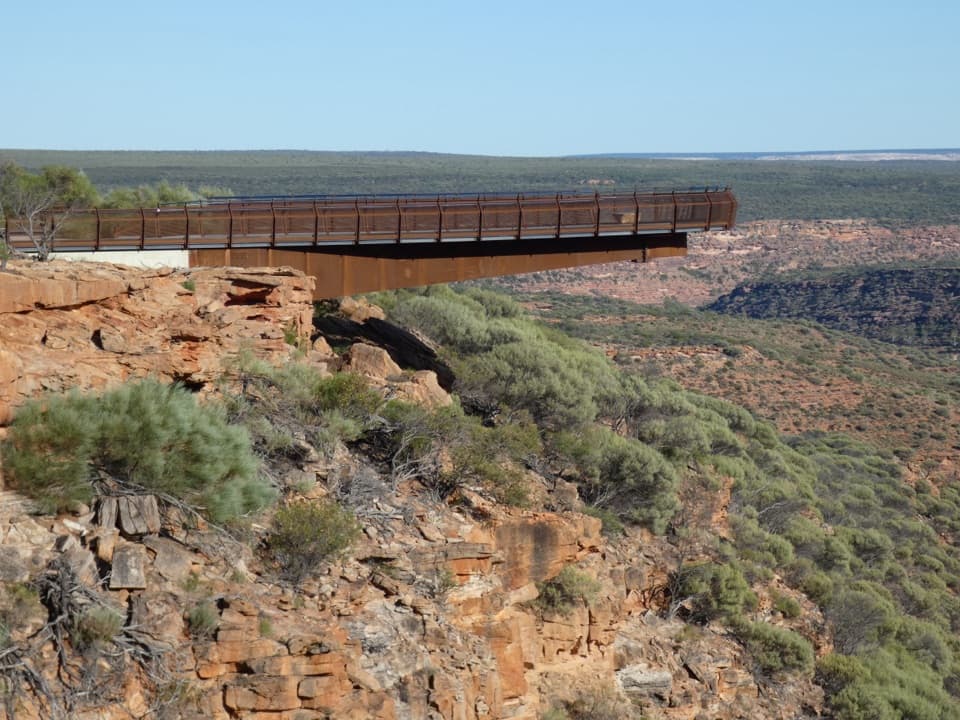
Perched at the Inyaka Wookai Watju (West Loop) precinct, Kalbarri Skywalk puts you out over the Murchison River Gorge on two dramatic steel platforms. One projects 25 m and the other 17 m beyond the rim, each hovering more than 100 m above the river and spaced about 100 m apart. It’s an easy, big‑reward stop that showcases the park’s red-and-white banded Tumblagooda Sandstone and the immense scale of the gorge.
“Kaju Yatka” on the entry sign blends Nanda words for “sky” and “to walk,” and the precinct weaves local Nanda stories, art, and the Beemarra serpent motif into the experience via interpretive panels and sculptures. The skywalks were built as a flagship, low‑impact way to open up the gorge vistas and even picked up a 2020 Australian Engineering Excellence Award (structural work led by Terpkos Engineering). You’re looking into a river‑carved canyon through ancient sedimentary layers—classic Tumblagooda Sandstone shaped over hundreds of millions of years.
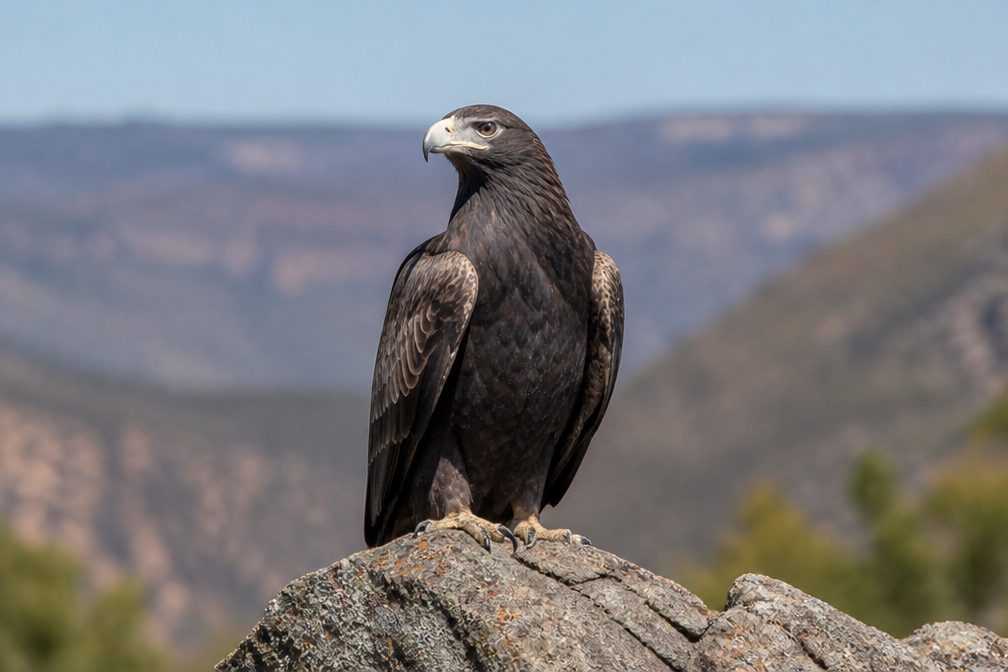
Expect wide panoramas of the meandering Murchison River slicing through rust‑red walls. Raptors often ride the thermals, and on calmer days you can trace the river’s bends for kilometers. The sealed paths and multiple vantage points make it simple to wander between both platforms and nearby lookouts for different angles.
The precinct has car/coach/RV parking, sealed paths, shade shelters, interpretive signs, and composting toilets. There’s a cafe/kiosk near the platforms serving drinks and light meals; hours are seasonal. Standard park entry fees apply, with no extra charge for the skywalks. It’s roughly 37 km (about 30 minutes) from Kalbarri town on sealed roads. There’s no lighting after dark, pets aren’t permitted, and caravans/trailers aren’t allowed at the Loop/Z Bend entry. Bring plenty of water—there’s no general drinking supply in the park—and pack out your rubbish as there are no bins.
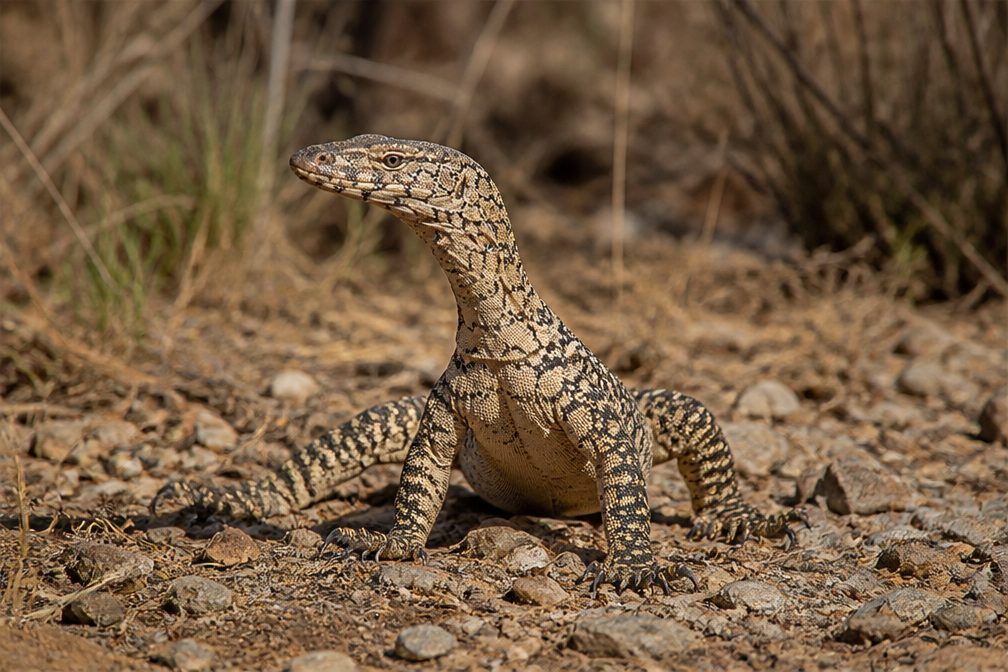
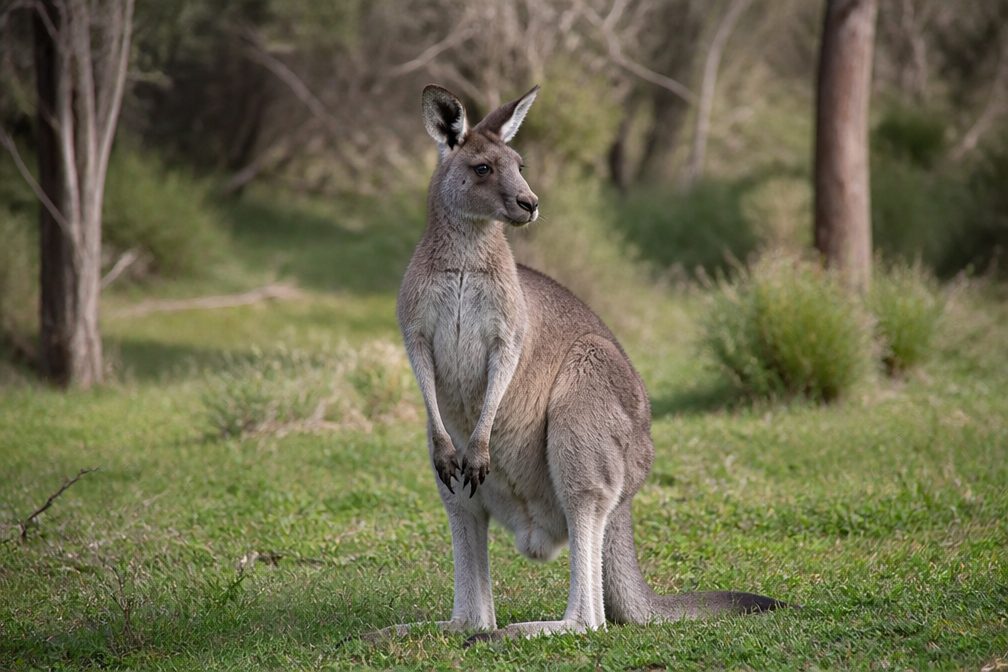
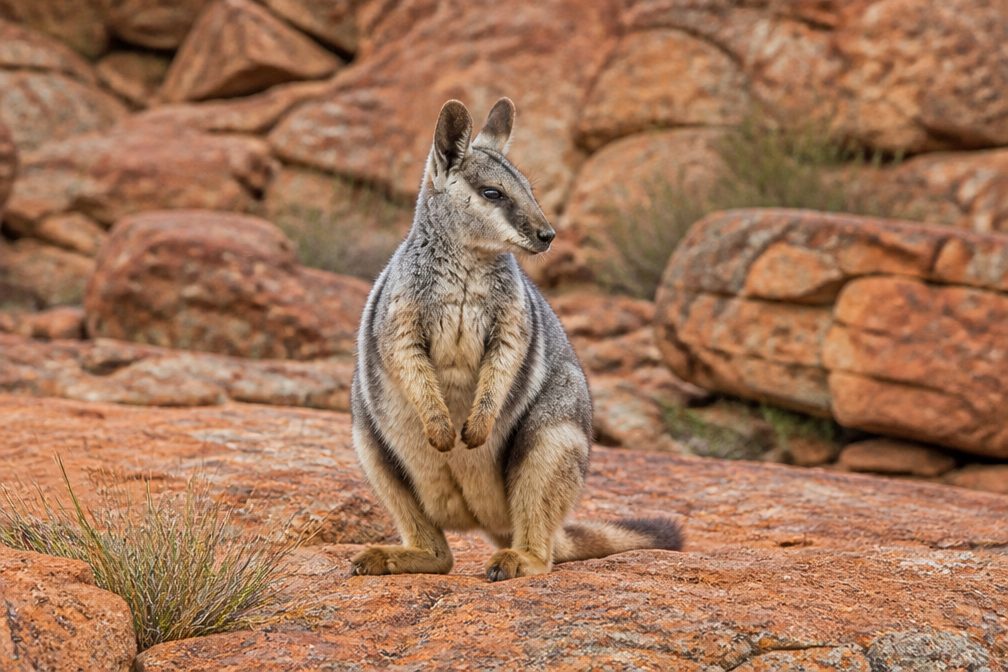
Birdlife is a highlight—keep an eye out for wedge‑tailed eagles and ospreys. You might also spot western grey kangaroos, short‑beaked echidnas, and even thorny devils. Wildflower season runs late winter to early summer, peaking around August–September, when hundreds of species color the inland.
Hit it early morning or late afternoon for softer light on the cliffs, cooler temps, and typically calmer winds out on the cantilevers. April–October is the sweet spot for comfort; November–March can be brutally hot, so start very early or aim for late day. Expect more people during school holidays; otherwise crowds ebb and flow quickly.
A polarizing filter helps with glare on bright rock. Bring a wide‑angle for the platforms and a telephoto for raptors working the thermals. Walk both decks—each frames the river bends differently.
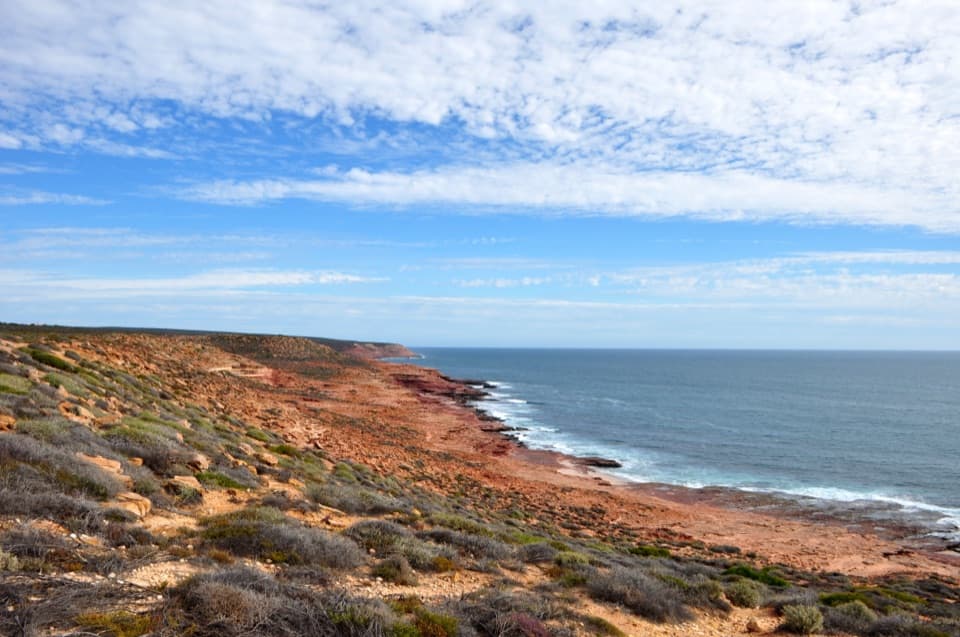
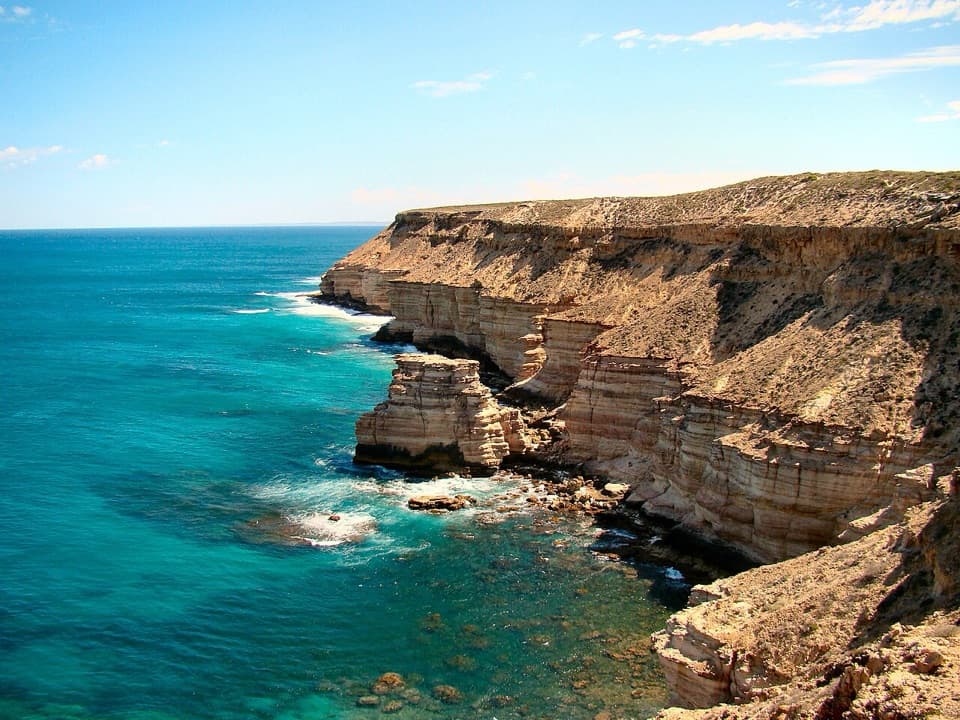
Combine the Skywalk with nearby Nature’s Window and The Loop lookout for a full inland circuit. Save the coastal cliffs (Natural Bridge, Island Rock, Red Bluff) for another half‑day to mix up the scenery.