Place · 17 mi away

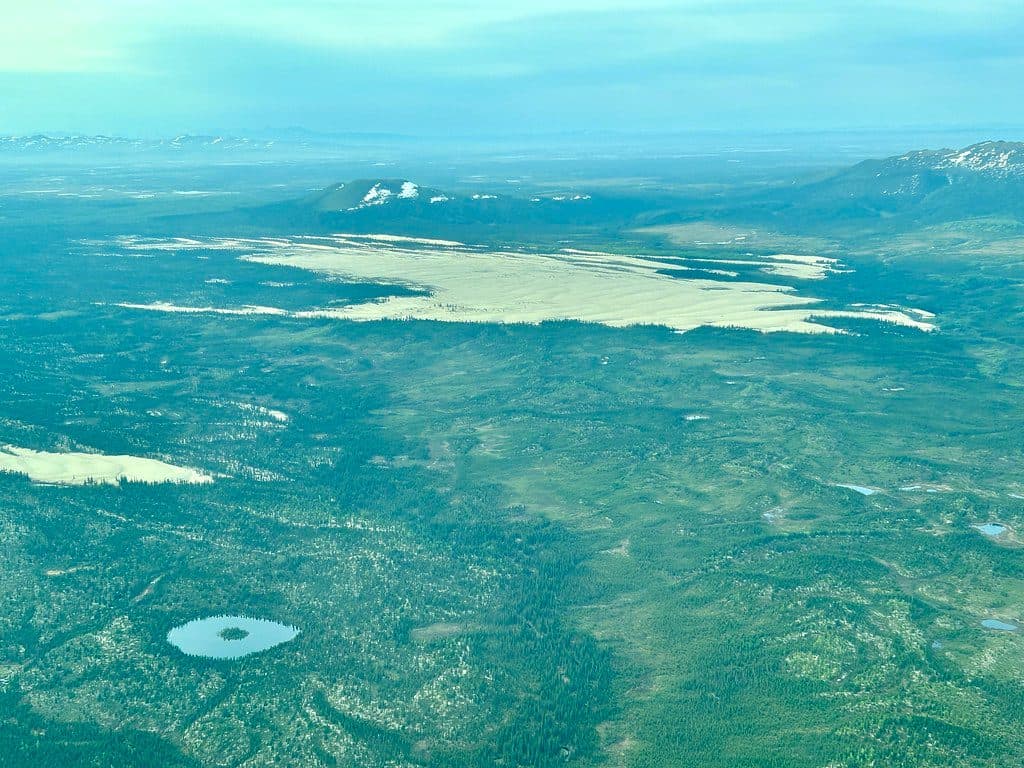
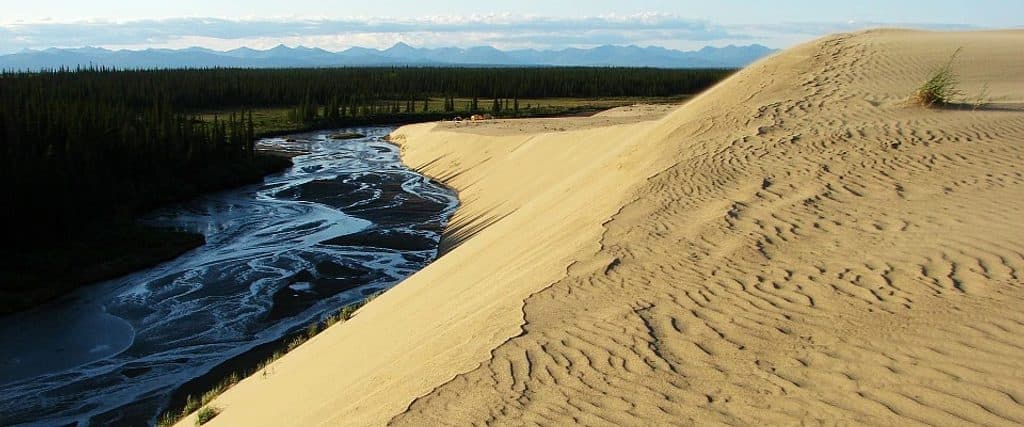
Imagine a true desert experience above the Arctic Circle: warm, wind-sculpted dunes rising to about 100 feet, stretching for miles with no roads, no crowds, and no signs. The Great Kobuk Sand Dunes are the park’s signature sight—25 square miles of active sand in a wild backcountry setting. It’s remote and rewarding, but you need to bring everything and know how to navigate.
These dunes are Ice Age relics. Glaciers in the Brooks Range ground rock into sand and, as the ice retreated, winds piled it into vast dune fields. Today you’ll see both active, shifting dunes and vegetated margins where grasses and shrubs are slowly stabilizing the sand. Keep an eye out for dark bands of “black sand” heavy minerals and the hardy Kobuk locoweed, a wildflower found only on these dunes.
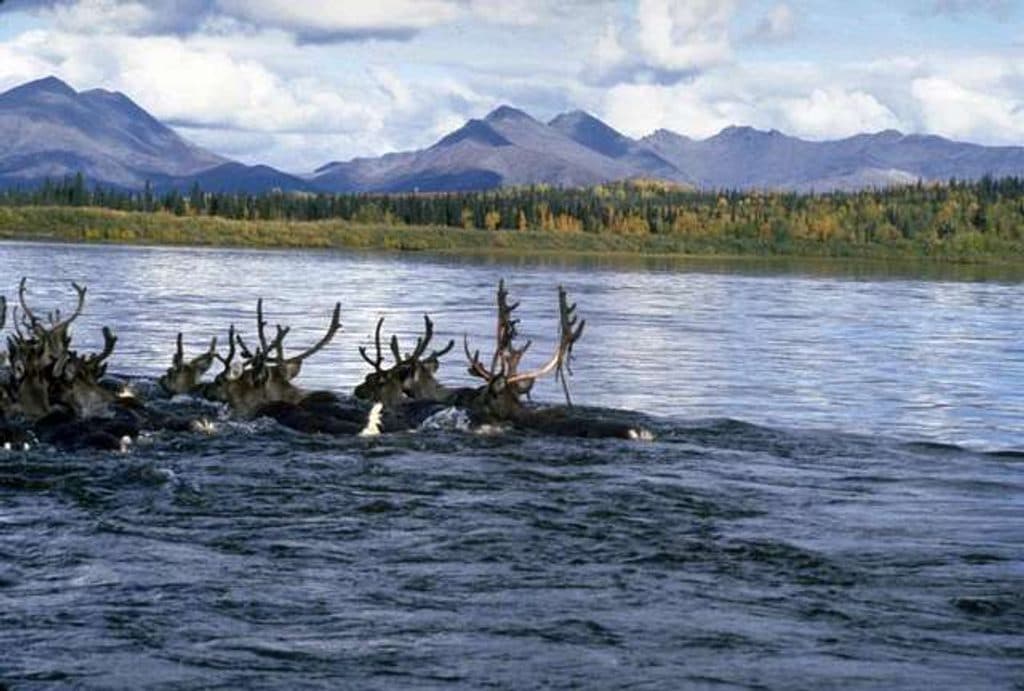
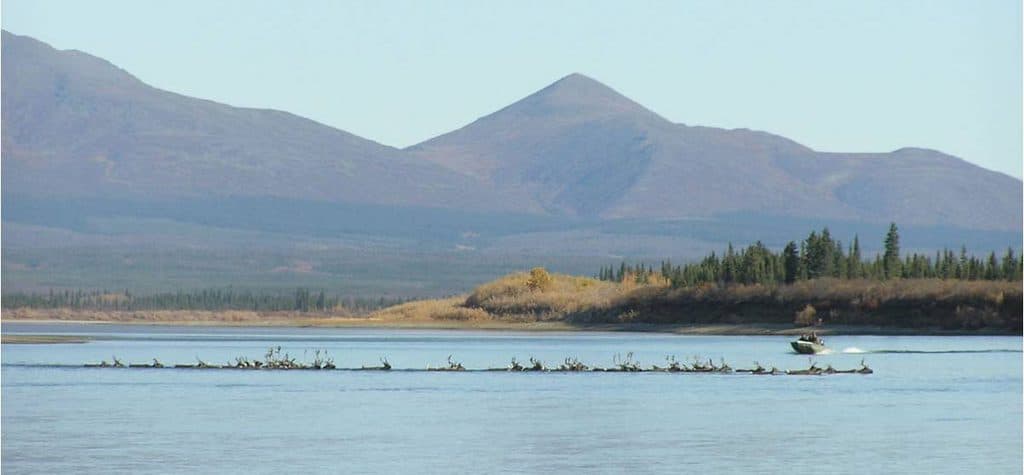
You might not bump into many animals on the open sand, but the edges of the dunes tell stories: tracks from bears, foxes, and moose crisscross the margins. In spring and fall, the Western Arctic Caribou Herd passes through—caribou hoof prints often stitch the dune faces. Summer brings migratory birds to nearby wetlands, and yes, mosquitoes can be intense near water in midsummer.
There are no roads. Most visitors charter a small plane from Kotzebue or Bettles. Aircraft with wheels can often land directly on firm sand. Another option is a floatplane or boat drop on the Kobuk River, followed by a 2–3 mile, trail-less tundra hike to the dunes—plan on roughly four hours round trip just for the approach and return. There’s no cell service or signage, so bring real navigation tools and know how to use them. Much land around the park is privately owned; respect property boundaries and obtain permissions if your route requires it.

Dispersed camping is allowed—pick level, unvegetated sand and anchor guylines with buried “deadman” anchors because winds can howl. There’s little to no potable water on the dunes; carry what you need or treat water from nearby springs or creeks. Be bear-aware, keep a spotless camp, and store food properly. Avoid visibly wet areas on the dunes—water-saturated sand can behave like quicksand; probe ahead with a pole. Steep slipfaces can be unstable, so descend with care. Leave No Trace applies, and drones are generally not allowed without a permit.
The park is open year-round, but the practical season here is late June through early September. Expect big temperature swings—on sunny days, dune surfaces can get surprisingly hot. Mosquitoes peak late June–July and taper by late August. For photography, aim for early and late day when low-angle light rakes the dunes and carves out shadow lines; midday often brings stronger winds. Build weather days into your flight plan, and consider checking in with the visitor center in Kotzebue for route advice before you go.