Place · 17 mi away

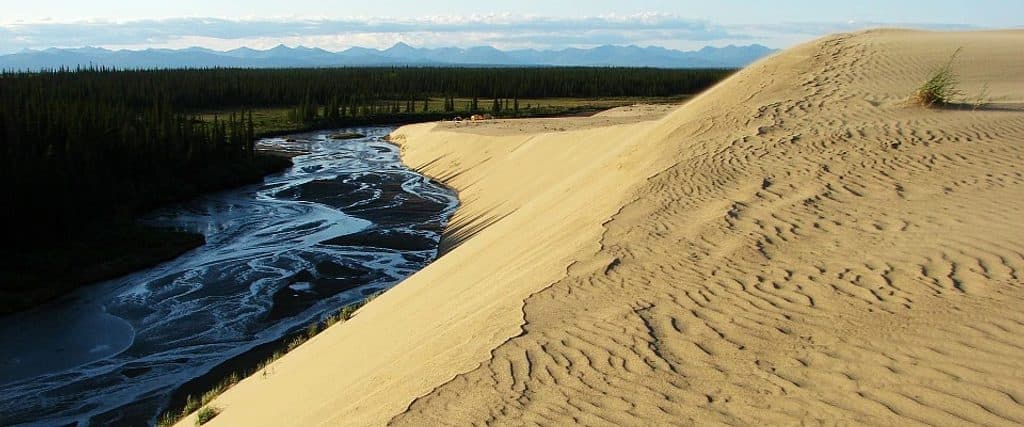
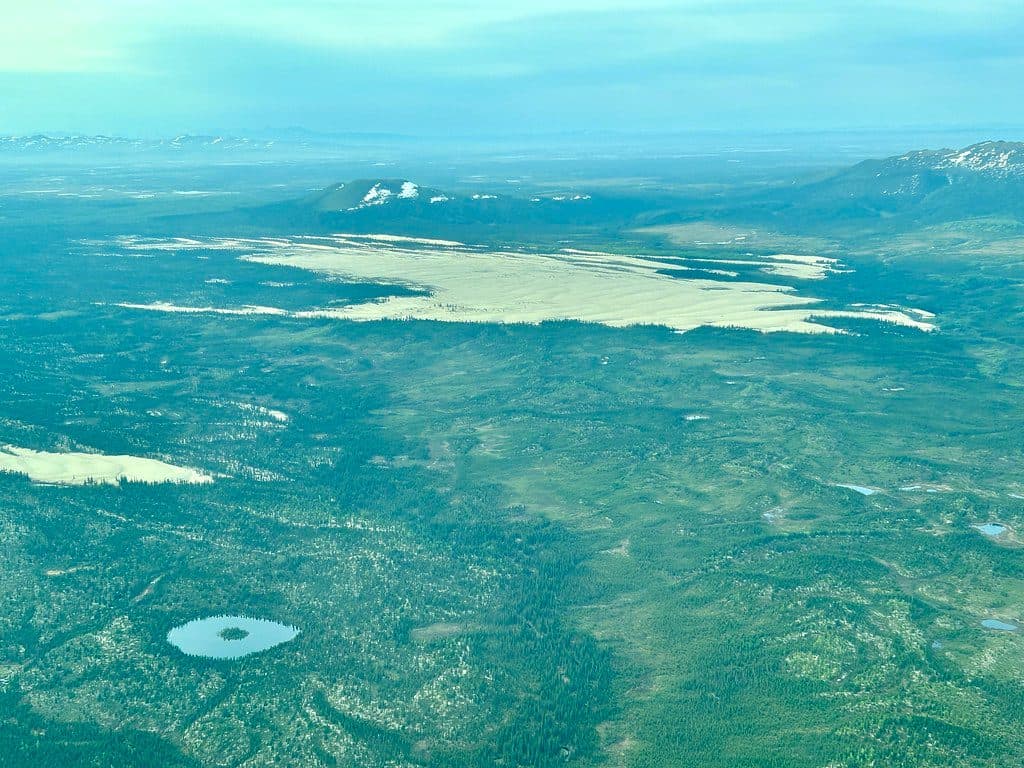
Little Kobuk Sand Dunes are the quieter sibling to the Great Kobuk Dunes—compact, rarely visited, and undeniably wild. Expect soft-sand walking, big open views, and the surreal experience of standing on rippled dunes well above the Arctic Circle. There’s no infrastructure here—no roads, no trails, no restrooms—so the reward is pure wilderness and silence.
These dunes are part of one of three dune fields in the valley (with Great Kobuk and Hunt River). They formed when late Pleistocene glaciers shed vast outwash into the Kobuk Valley; persistent winds later reworked those sands into dune ridges and sheets. Today you’ll find a mosaic: bare, ripple-marked slopes in places, and broad stabilized areas pinned by lichens, shrubs, and forest around the margins—evidence of long quiet phases punctuated by bursts of reactivation. Some dunes reach roughly 100 feet high.
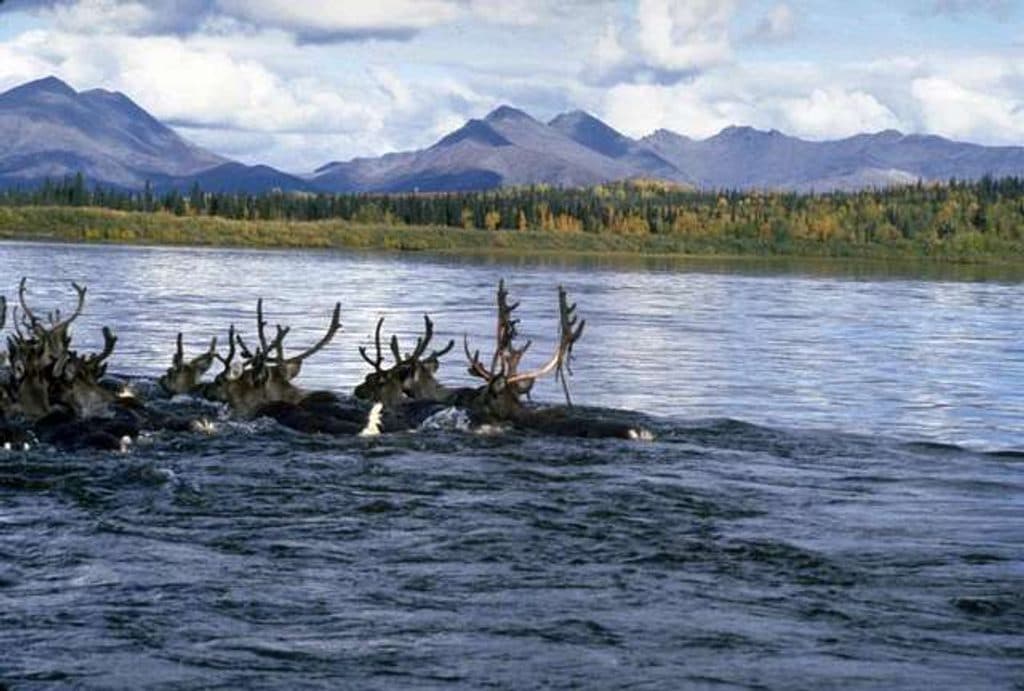
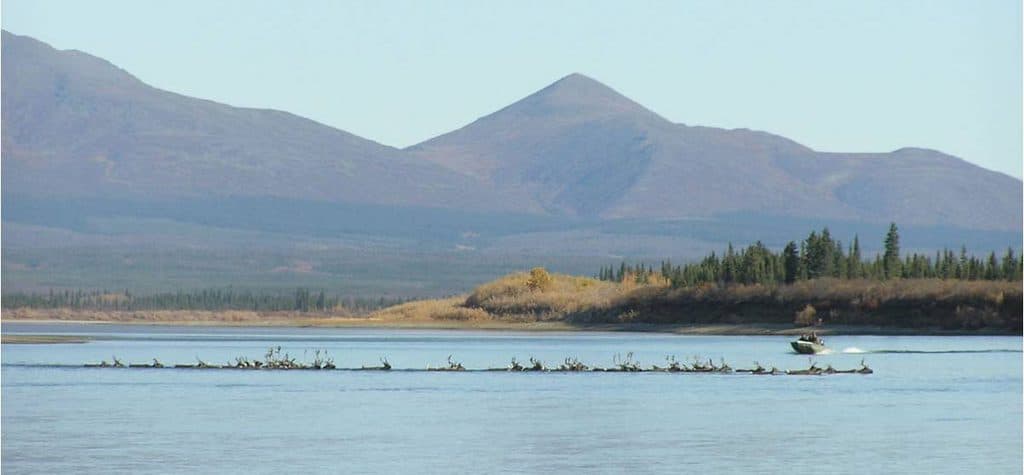
The dune fields lie along the Western Arctic Caribou Herd’s migration route—hundreds of thousands of animals have crossed these landscapes for millennia. The broader valley also preserves a deep human story: at nearby Onion Portage, archaeological layers record over 10,000 years of people adapting to caribou, fish, and seasonal resources.
There are no roads into the park. Most visitors reach the dunes by chartered small aircraft or by traveling the Kobuk River with an outfitter or local boat charter. Pilots commonly land on sand or nearby river bars for day visits or backcountry drop-offs. On the ground, it’s all cross-country: no signage, no established routes, and no shade to speak of. Bring navigation and be self-sufficient.
Summer is the practical season: access is most feasible, day trips by air are common, and conditions are generally friendlier. With no roads or crowds, day-of-week doesn’t matter—solitude is the default. July can be surprisingly warm on the sand, so plan your time on exposed slopes accordingly.

Backcountry-minded travelers who value raw, roadless quiet over amenities; geology and landscape nerds; patient wildlife watchers hoping to intersect with the rhythms of the caribou