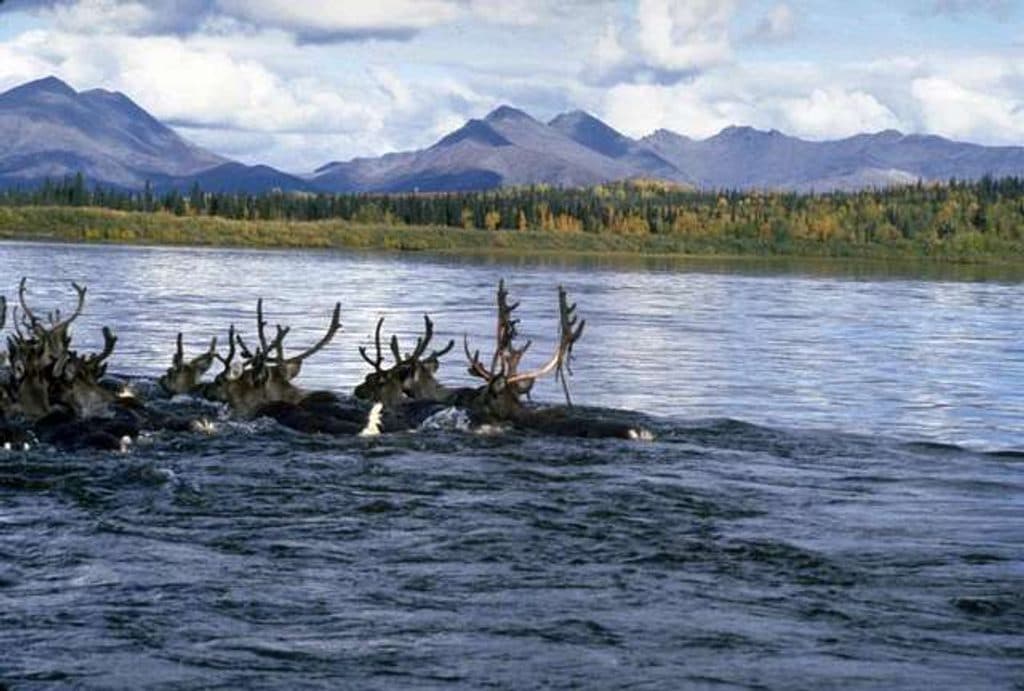
Kobuk River

Wild Arctic river flanked by dunes and migrating caribou
Kobuk River, Kobuk Valley National Park
InsideKobuk Valley National Park

Overview

The Kobuk River is the spine of this park—a broad Arctic waterway threading between the Baird Mountains and the south‑bank dune fields. It’s remote, raw, and gloriously undeveloped. If you’re after a wild river experience where the soundtrack is wind, water, and migrating hooves, this is it.

What You'll See

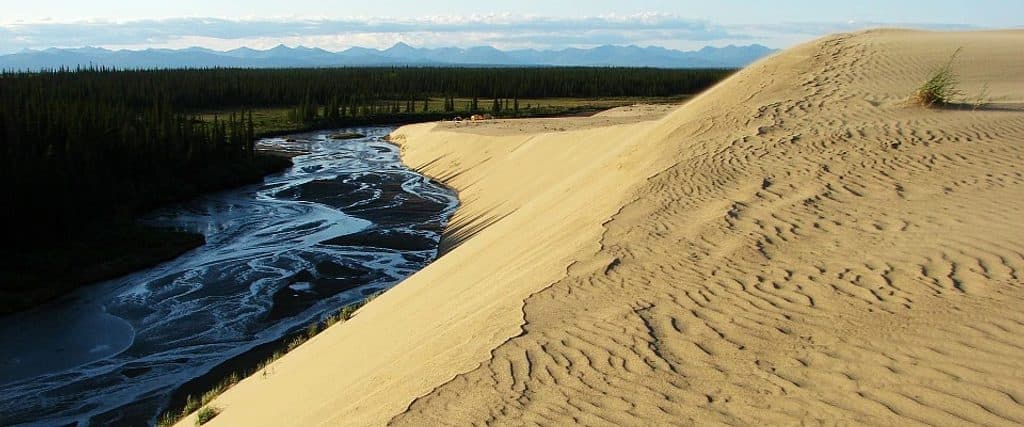
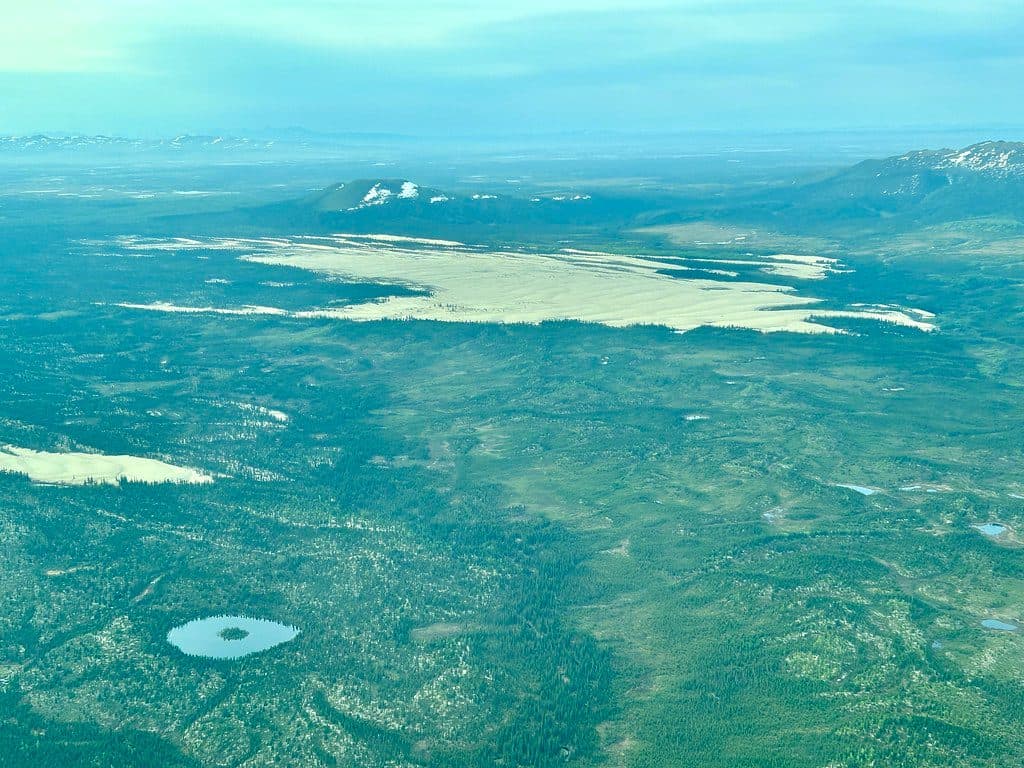
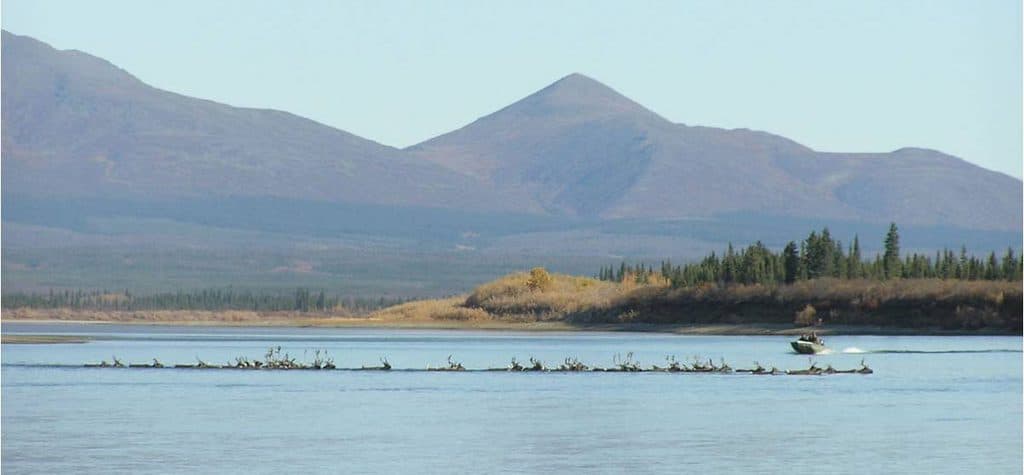
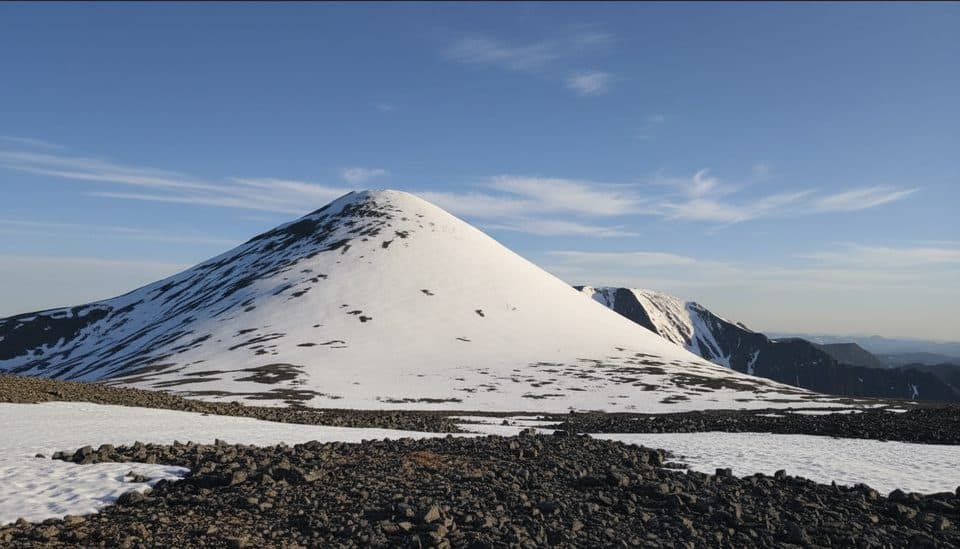
Expect sweeping river bends with gravel and sand bars, low ridgelines of the western Brooks Range, and—on the south side—North America’s largest active Arctic dune fields. Wildlife is the headliner: the Western Arctic Caribou Herd moves through here, with crossings that can be spectacular, especially around Onion Portage. You might also encounter moose, bears, wolves, foxes, beavers, otters, and rich fish life including salmon, sheefish, char, and grayling.

Access & How to Do It

There are no roads, trails, or campgrounds. Most visitors fly to Kotzebue or Bettles and charter an air taxi for drop‑off and pick‑up along the river corridor. Launches and landings are on natural gravel/sand bars or arranged near communities outside the park. A classic multi‑day float is Ambler to Kiana—plan on roughly a week on a generally slow‑moving river with zero services in between. Build in buffer days for weather.

Seasons & Conditions

This is a subarctic environment: summer can be pleasantly warm but also windy, rainy, and buggy. Expect midnight sun in early summer. Late August brings fall color and increased chances of encountering caribou on the move. Winter is brutally cold but aurora‑rich; over‑snow travel is strictly for well‑equipped, experienced parties.

Regulations & Respect

This is a national park unit with complex land status in places. Subsistence hunting is allowed only for eligible local rural residents; do not assume sport hunting is permitted within park boundaries. Treat cultural sites—especially Onion Portage—with care and respect ongoing subsistence activities.

Safety & Self‑Reliance

There are no restrooms, no treated water, no trash services, and no developed put‑ins. Pack out all waste (bring WAG bags), store food bear‑safe, and be fully self‑sufficient. Mosquitoes can be intense in summer—bring serious bug protection. Weather can pin you down; plan extra days and coordinate closely with your pilot.

Best Time to Visit

  • Mid–late summer for stable river travel and long light.
  • Late August for fall colors and a better shot at seeing migrating caribou.
  • Day of week doesn’t matter here—this is wilderness. Aim for early or late in the day for calmer winds and softer light on the water.

Pros

  • True wilderness float with almost no crowds or development
  • Potential to witness Western Arctic caribou crossings near Onion Portage

Cons

  • No facilities or developed put‑ins/take‑outs; fully self‑supported travel
  • Challenging logistics and weather delays; no road access

Tips

  • Coordinate exact put‑in and pick‑up gravel bars with your air taxi and build in weather buffer days.
  • Bring bear‑resistant food storage; containers can be borrowed in Kotzebue at the heritage center.
  • Carry WAG bags and plan to pack out all waste—there are no toilets anywhere.
  • Late August offers fall colors and caribou movement; peak bugs taper by then but still prepare.
  • Know land status along your route and respect subsistence activities and cultural sites.
The Parkwolf tour guide sitting on a phone mounted in a car

Parkwolf Tour Guide

Like a tour guide in your car.

Save the places you found around Kobuk Valley, then let Parkwolf guide the drive between them.Download Parkwolf on the App Store