Onion Portage

Ancient caribou crossing and 8,000-year cultural hub on the Kobuk
Onion Portage, Kobuk Valley National Park
InsideKobuk Valley National Park

Overview

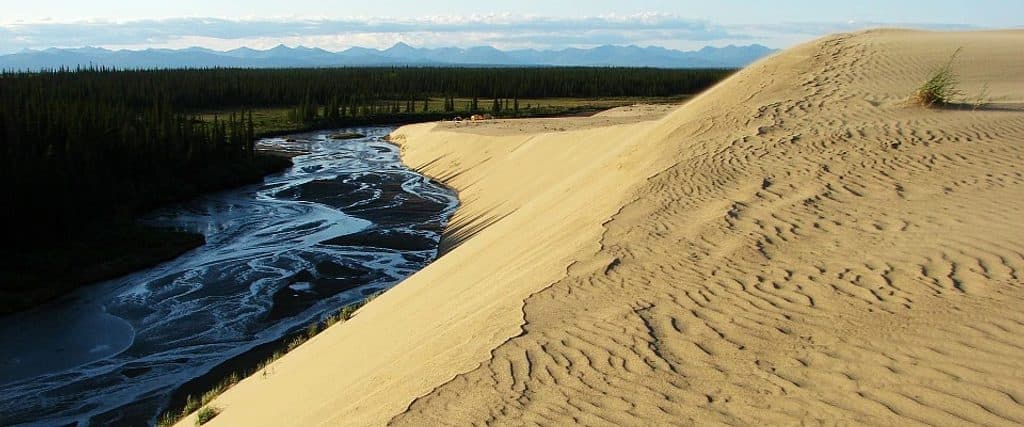
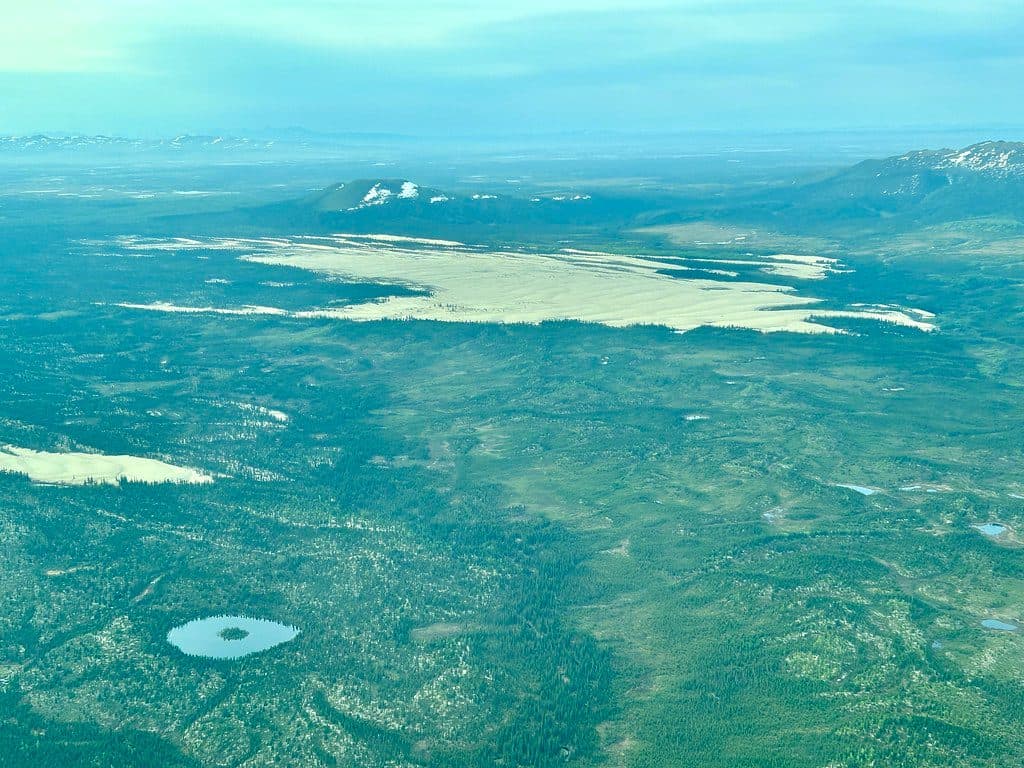
Paatitaaq—“onion” in Iñupiaq—sits on a bend of the Kobuk River where wild alliums grow and an overland portage trims roughly 10 miles (16 km) of meandering river. It’s remote, raw Arctic backcountry with no roads or developed services, and it feels every bit as wild as that sounds.

Why it matters

For at least 8,000 years, people camped, made tools, processed game, and eventually settled at Onion Portage. Stratified layers of artifacts, campsites, and house ruins (first excavated in the 1960s) made it a landmark archaeological site and a National Historic Landmark. At the time of excavation it was the oldest known site in the region. This is not a static ruin—it’s a living cultural landscape.

Caribou and the crossing

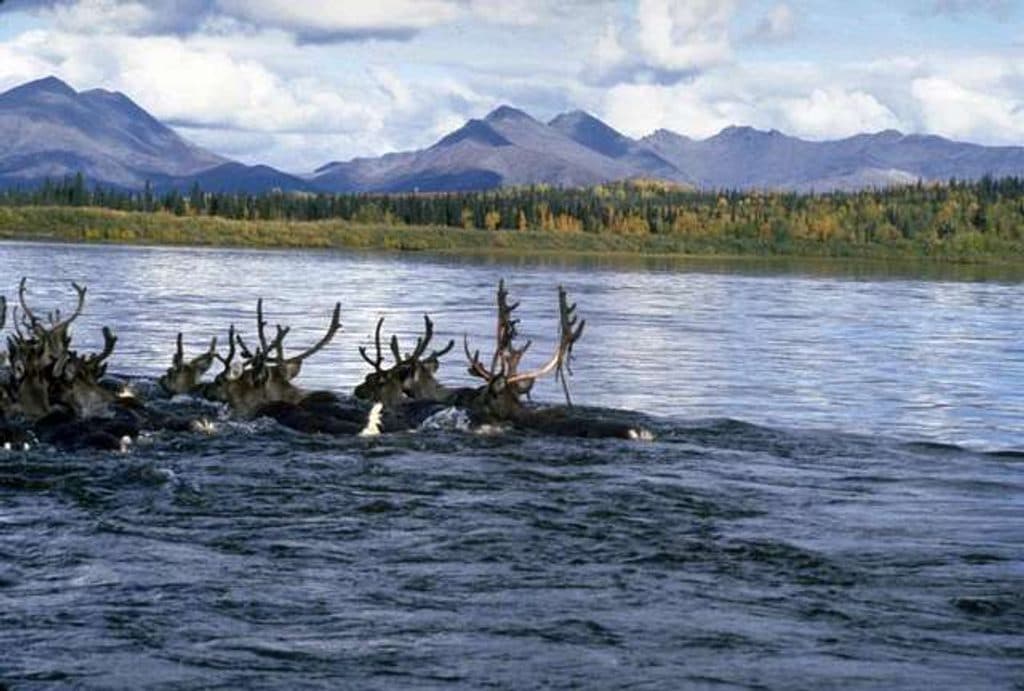
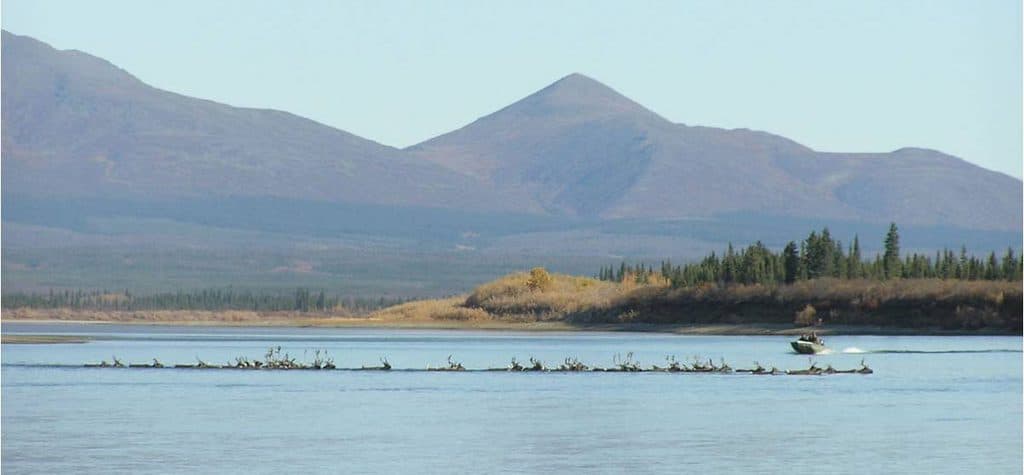
Onion Portage is famous because the Western/Northwest Arctic caribou herd funnels across the Kobuk here, primarily in fall. The river is deep at this bend, and as animals swim across, local hunters can safely select specific animals. Hunting is restricted to federally qualified subsistence users, so expect activity in season and give it space.

Visiting notes

There are no roads, campgrounds, restrooms, parking, or picnic tables. Reaching the site typically means chartering an air taxi to a nearby community or gravel bar and/or traveling the Kobuk River by boat or packraft. Treat it as true Arctic backcountry: plan for full self-sufficiency and Leave No Trace. For planning help and orientation, the Northwest Arctic Heritage Center visitor center is open daily with no admission fee.

Respect the place

This is a protected archaeological district. Do not disturb or collect artifacts. Avoid camping directly at known river crossing points, and give hunters a wide berth during migrations. What you leave undisturbed here preserves millennia of history.

Best time to visit

Fall offers your best odds of seeing caribou on the move. Summer brings long daylight but also bugs and variable river levels; shoulder seasons can be cold with early freeze-up or lingering ice. Light is soft in the late evening—great for photography if you’re set up away from crossing activity.


Pros

  • Living Iñupiat cultural site with 8,000 years of archaeology
  • Prime vantage for fall caribou river crossings

Cons

  • No roads or facilities; access by air taxi or river only
  • Active subsistence hunting in season; strict etiquette and rules apply

Tips

  • Plan access via air taxi and/or a Kobuk River trip; there are no roads.
  • If caribou are migrating, watch from a distance and avoid crossing points.
  • Do not collect artifacts; even small disturbances damage layered history.
  • Pack for Arctic conditions: bug protection, bear-safe food storage, and satellite comms.
  • Use the Northwest Arctic Heritage Center for trip planning and current guidance.
The Parkwolf tour guide sitting on a phone mounted in a car

Parkwolf Tour Guide

Like a tour guide in your car.

Save the places you found around Kobuk Valley, then let Parkwolf guide the drive between them.Download Parkwolf on the App Store